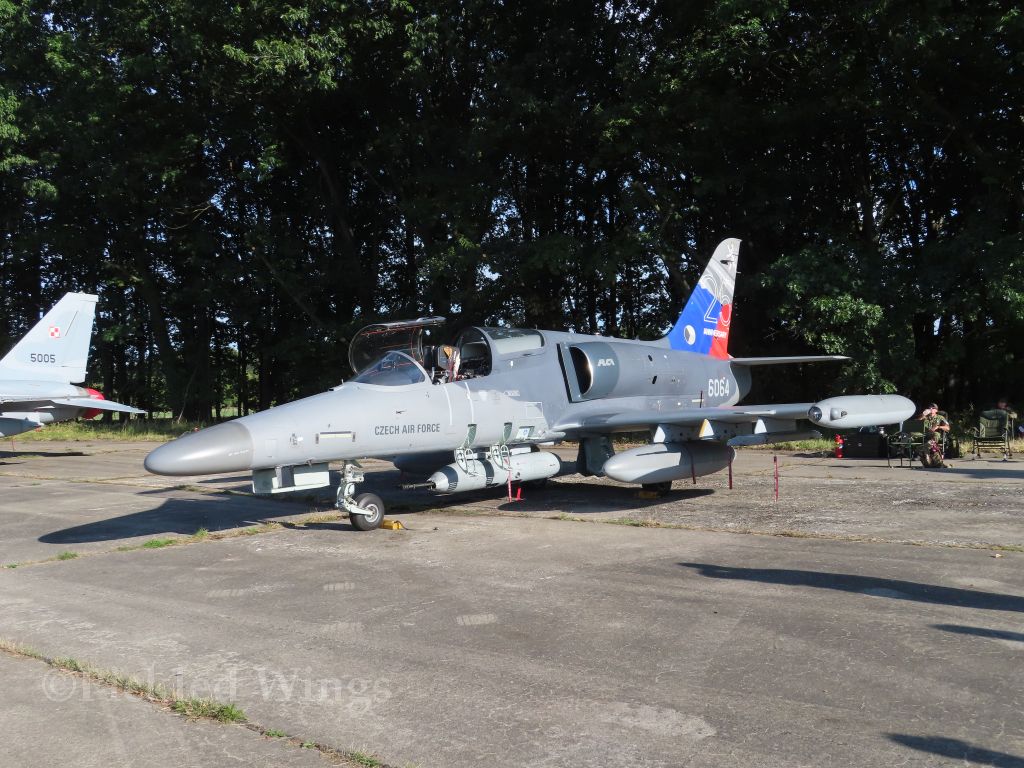
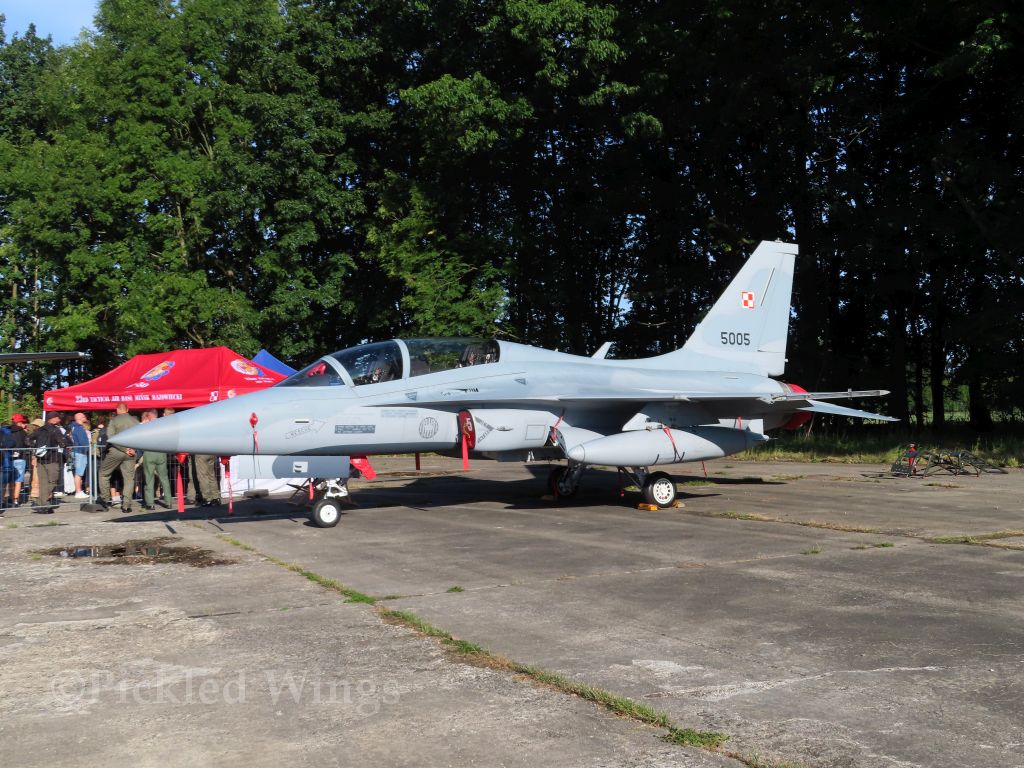
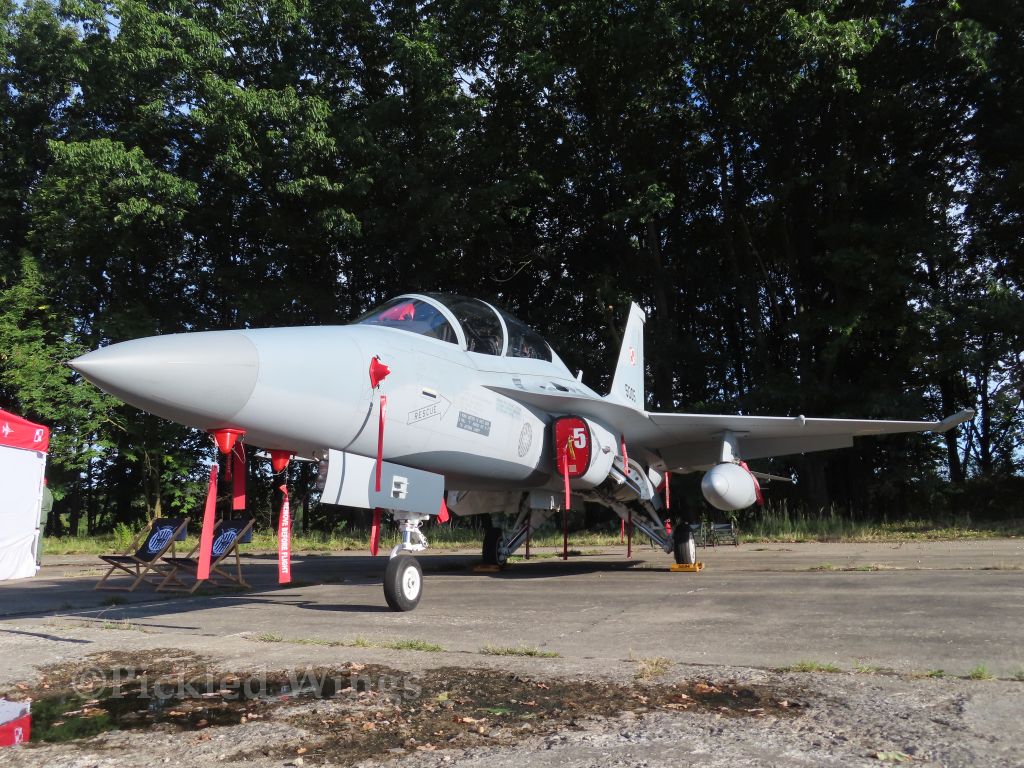
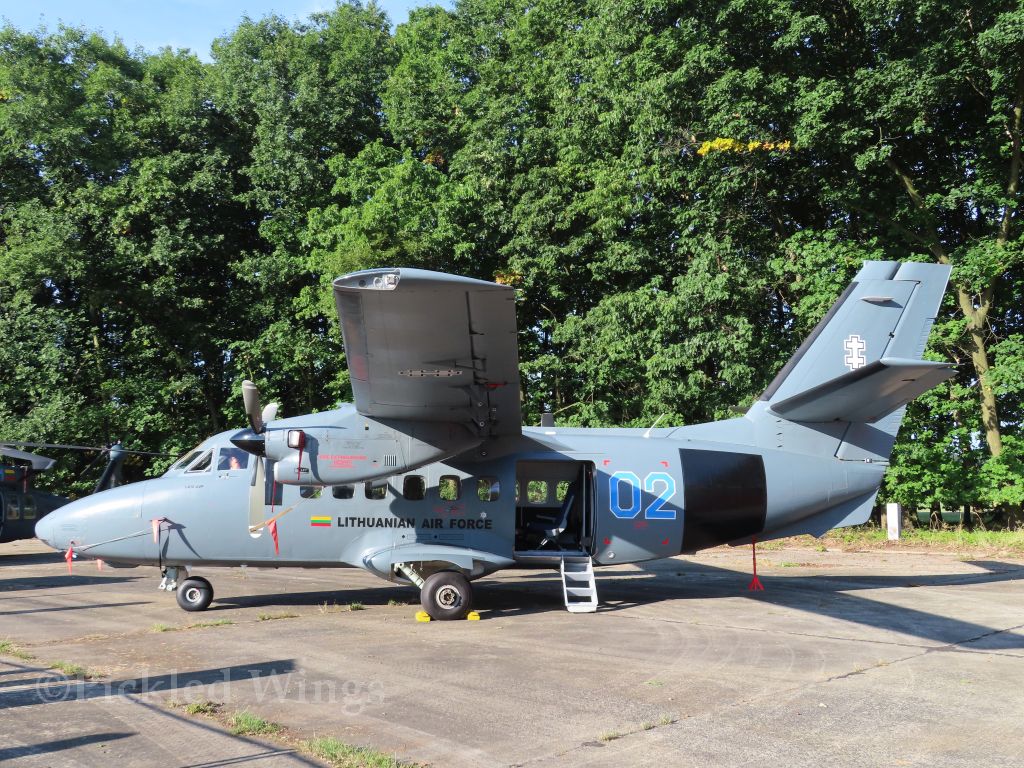
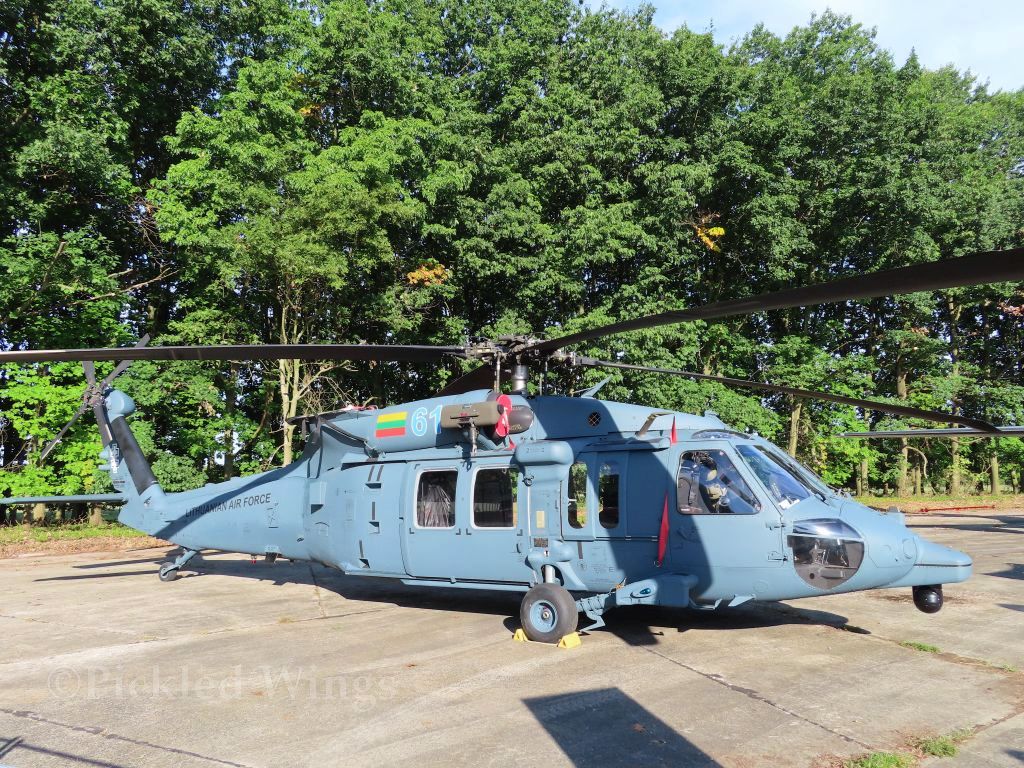
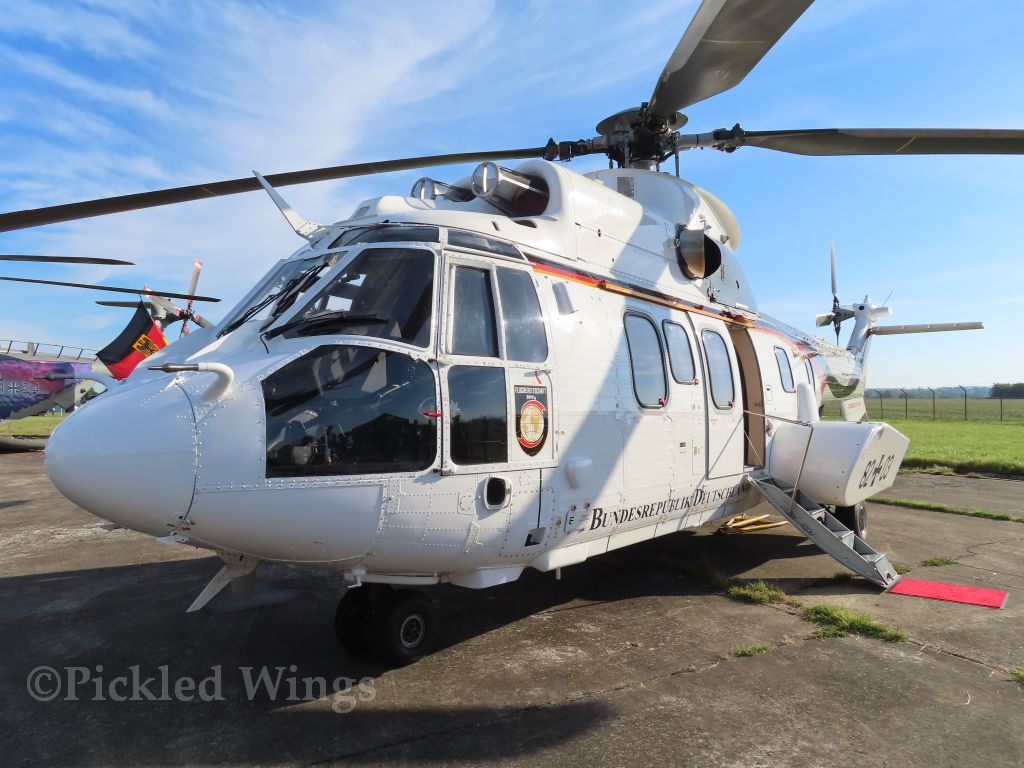
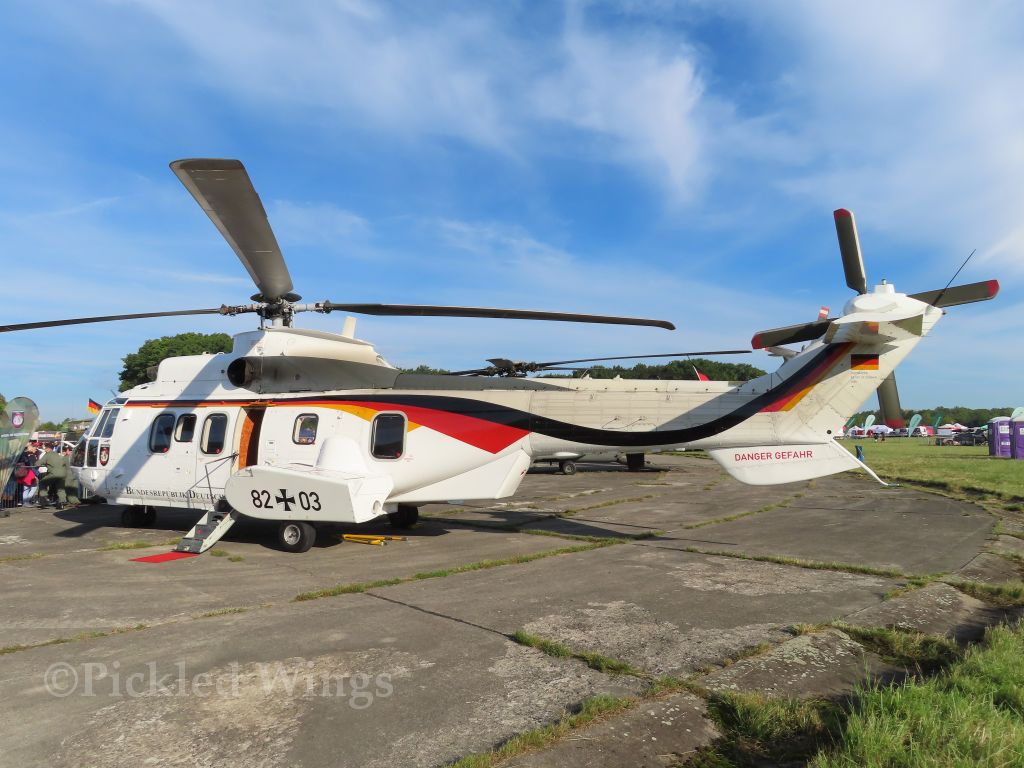
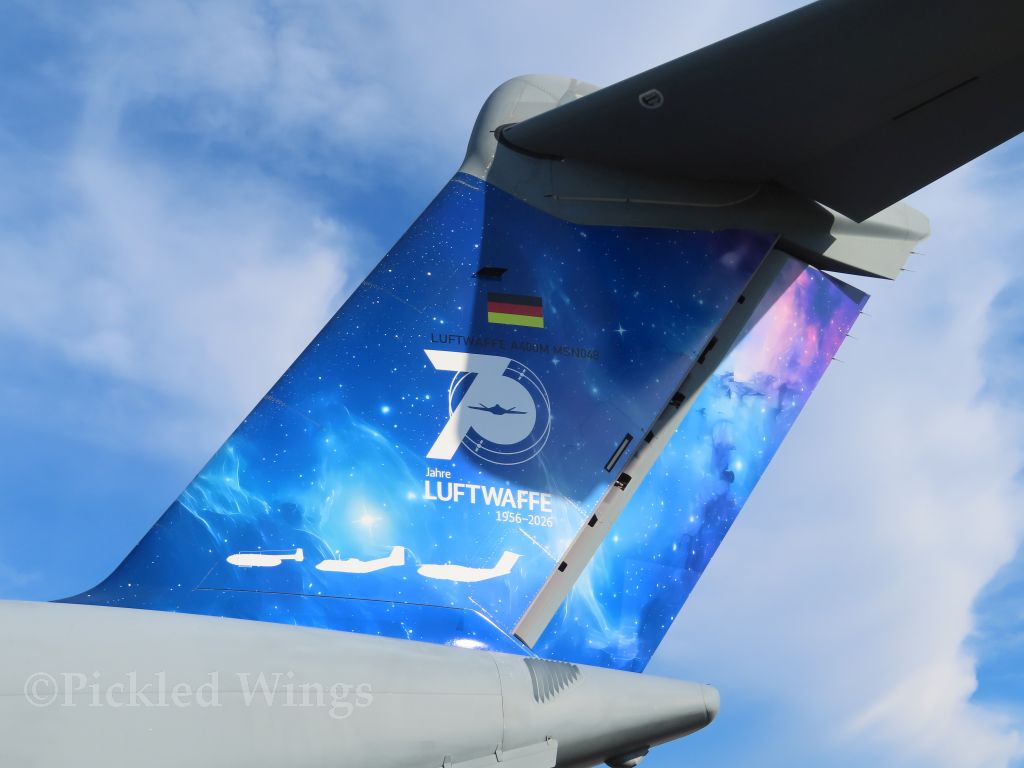
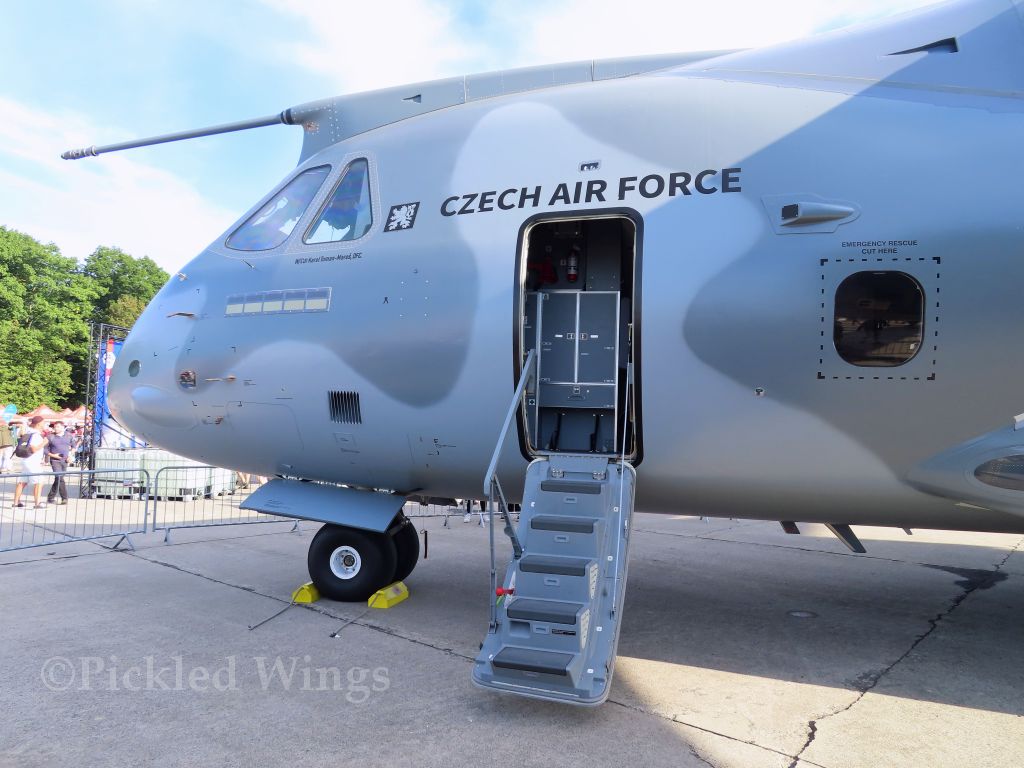
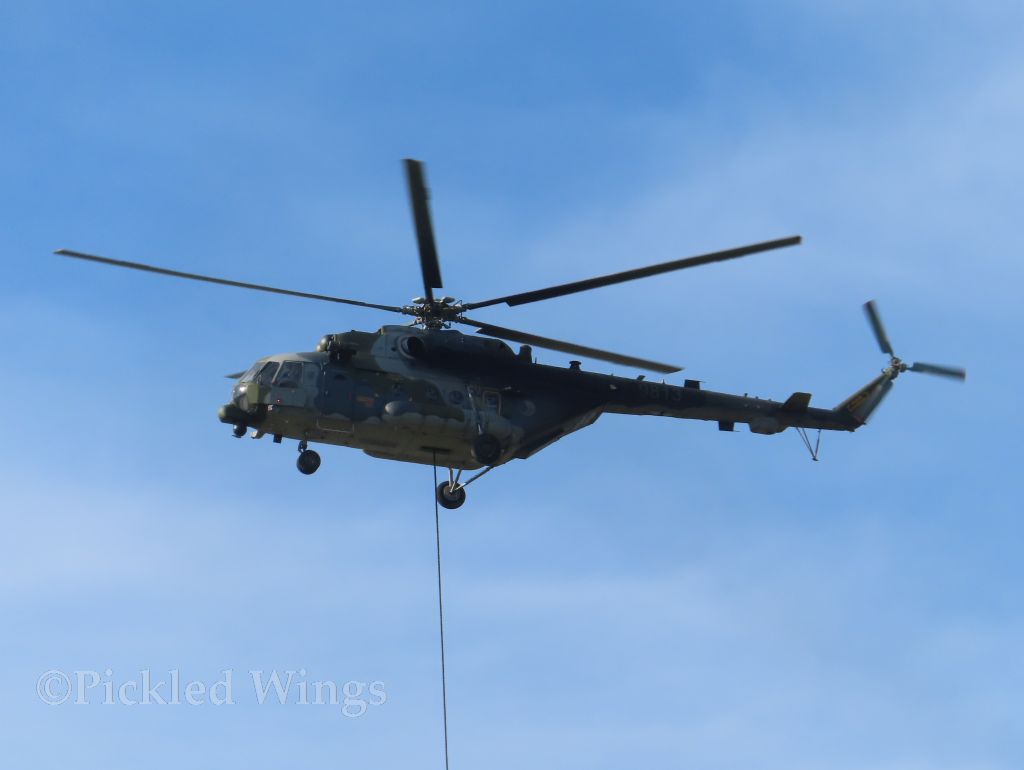
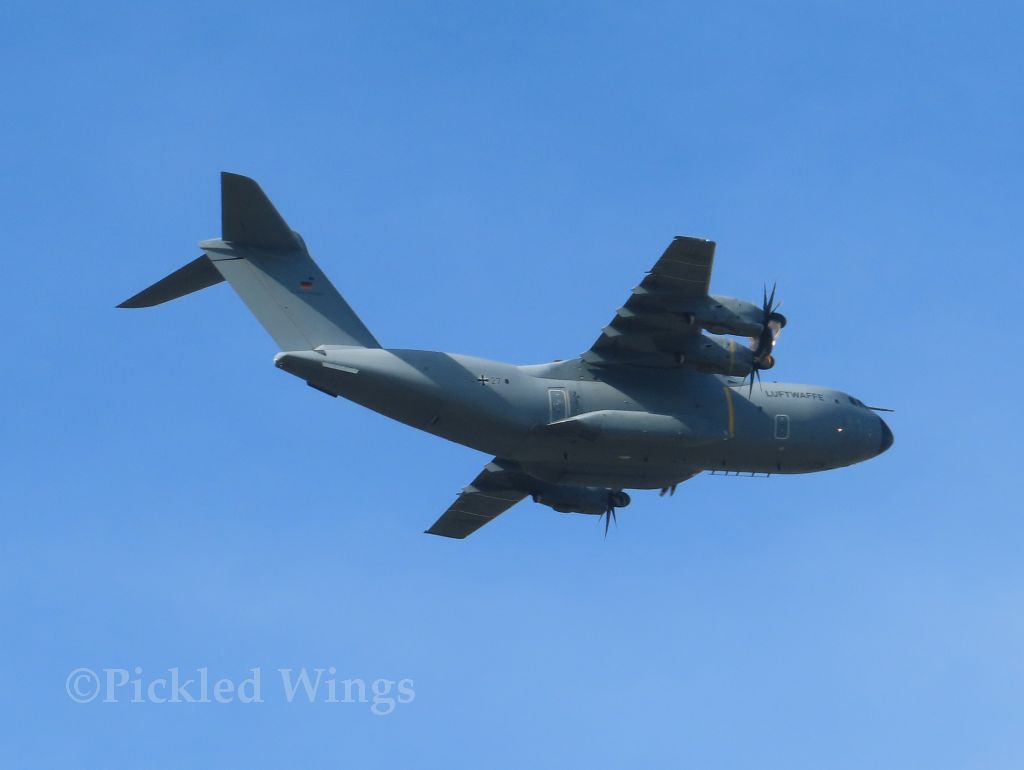
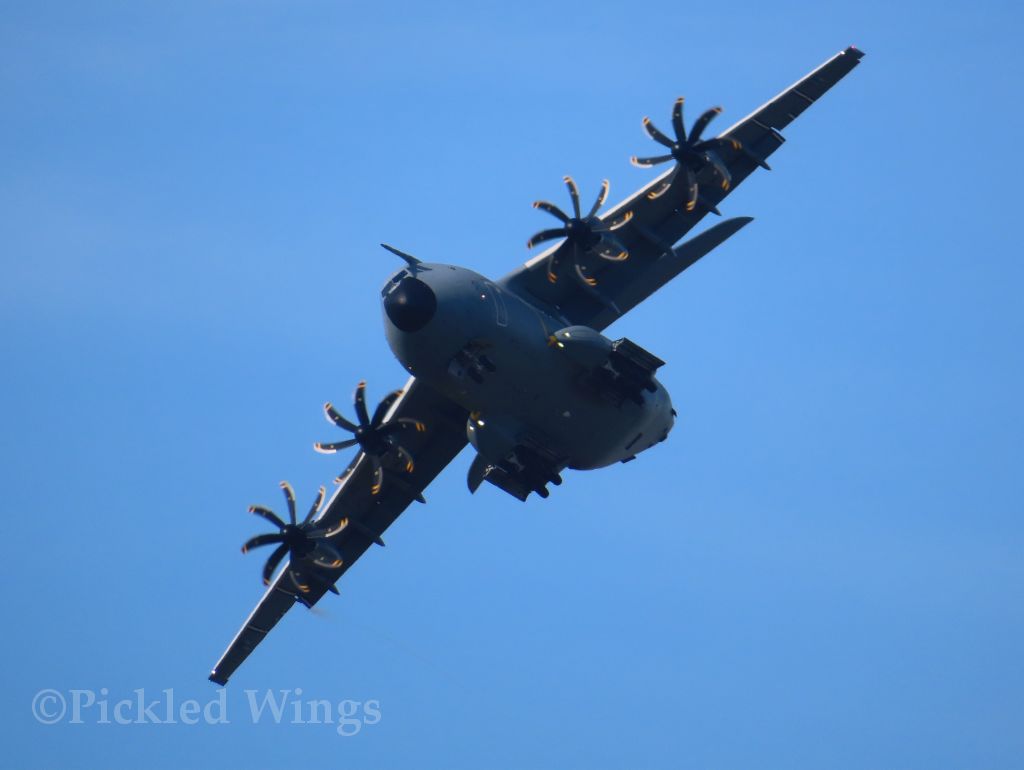
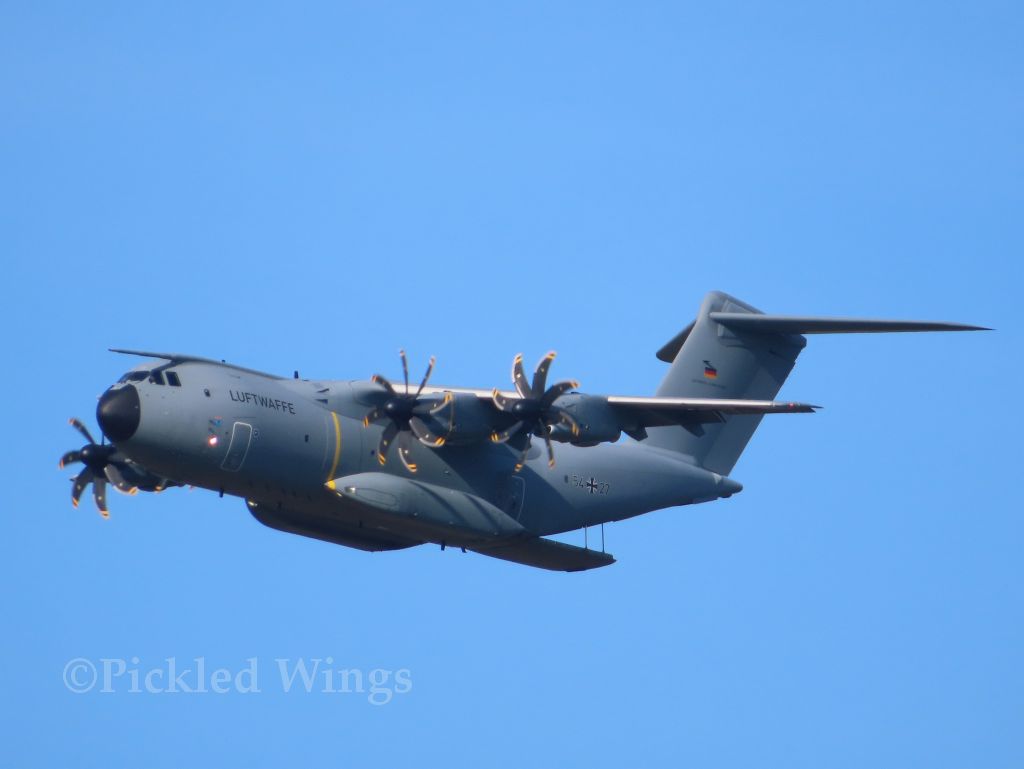
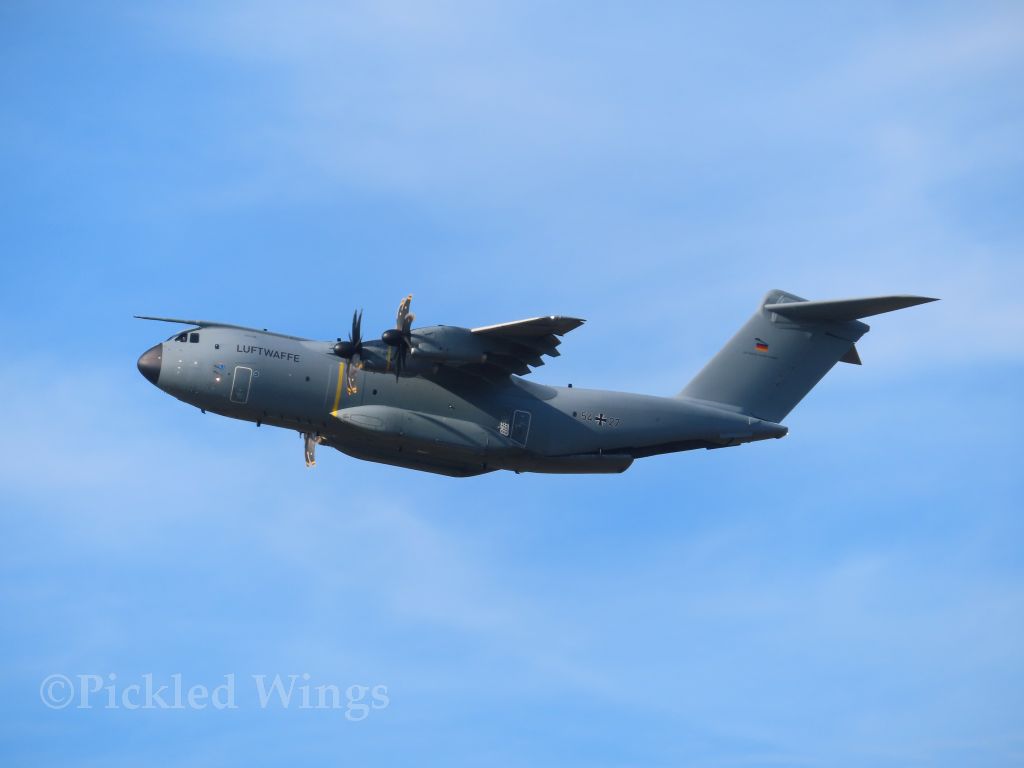
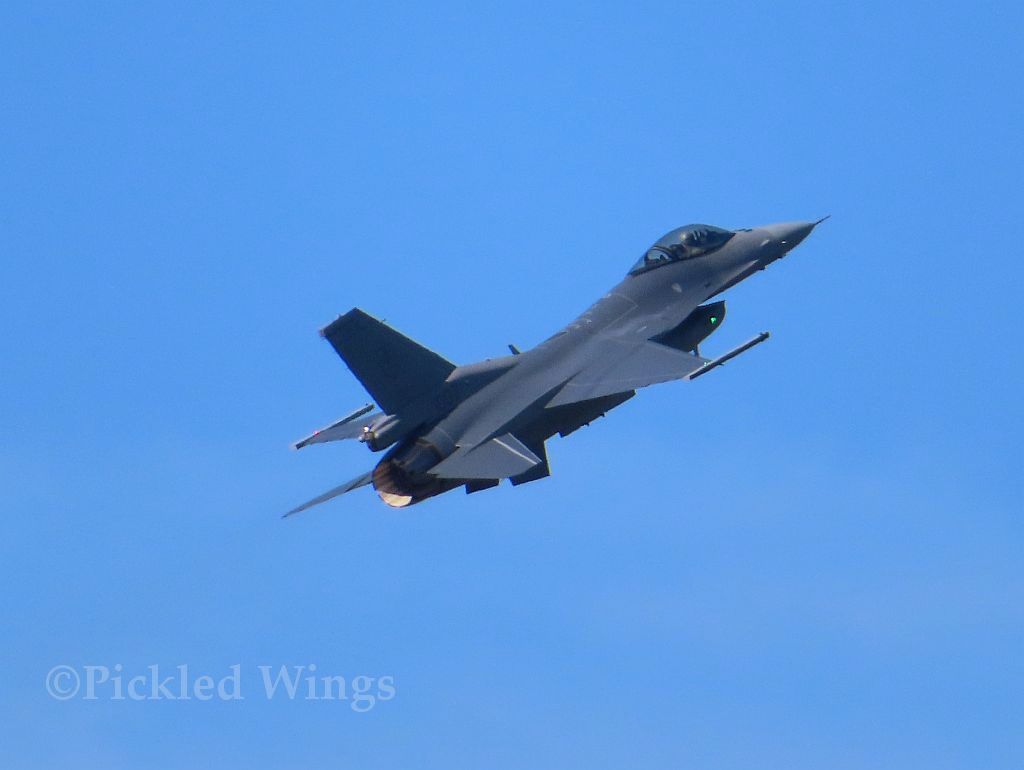
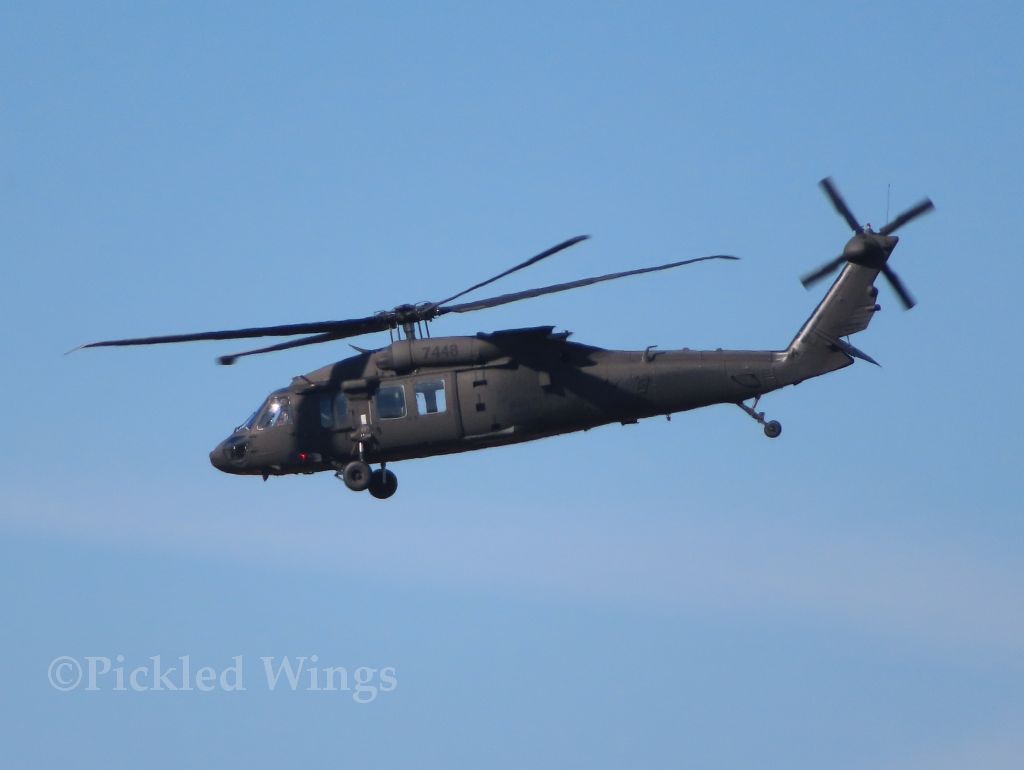
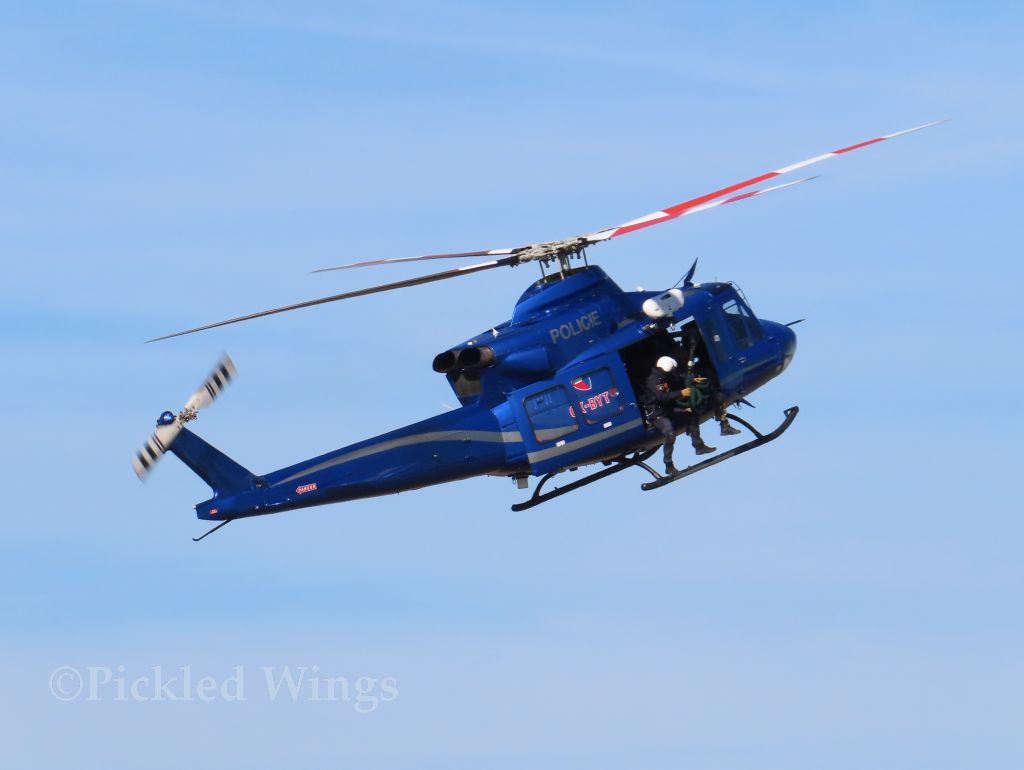
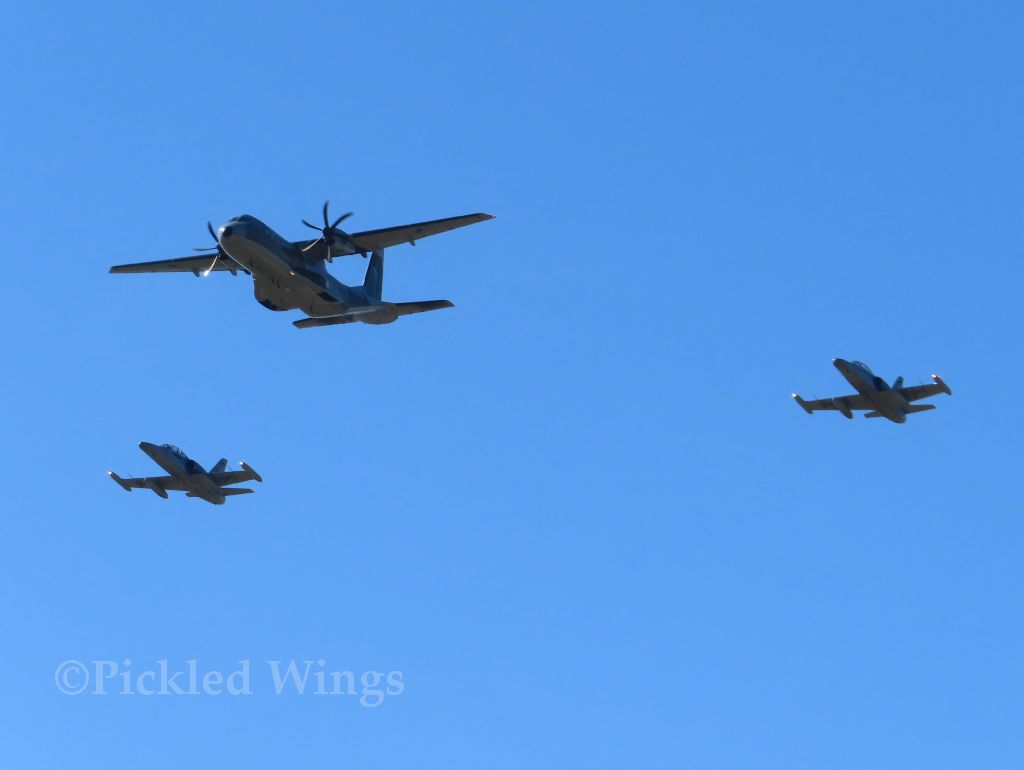
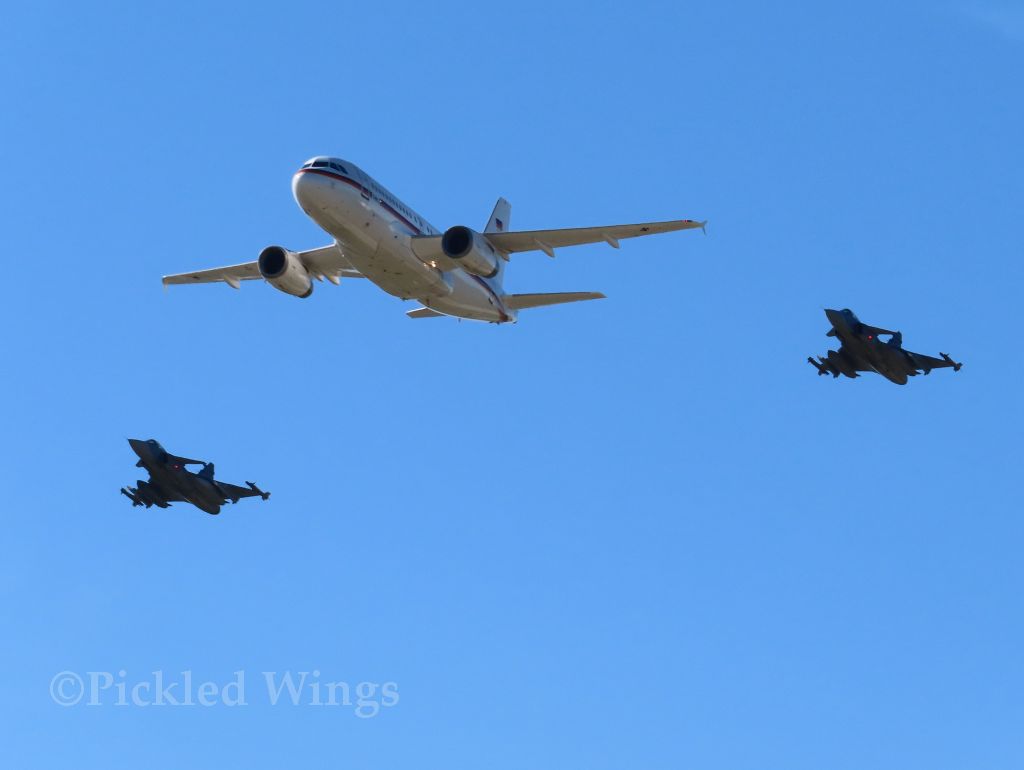
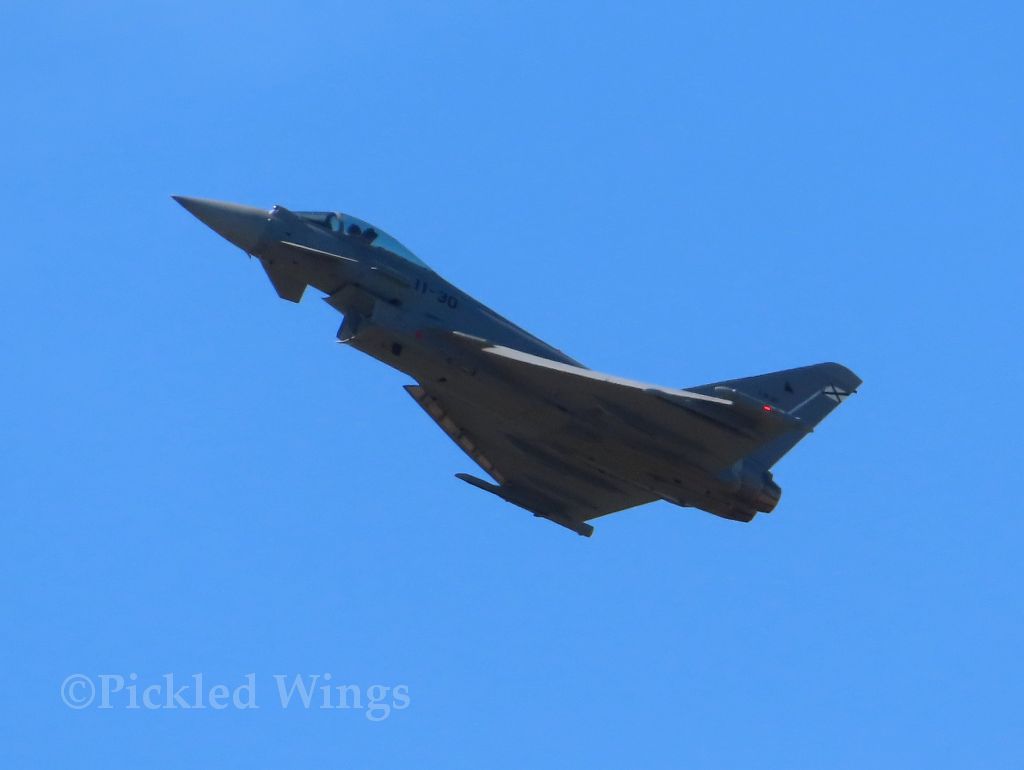
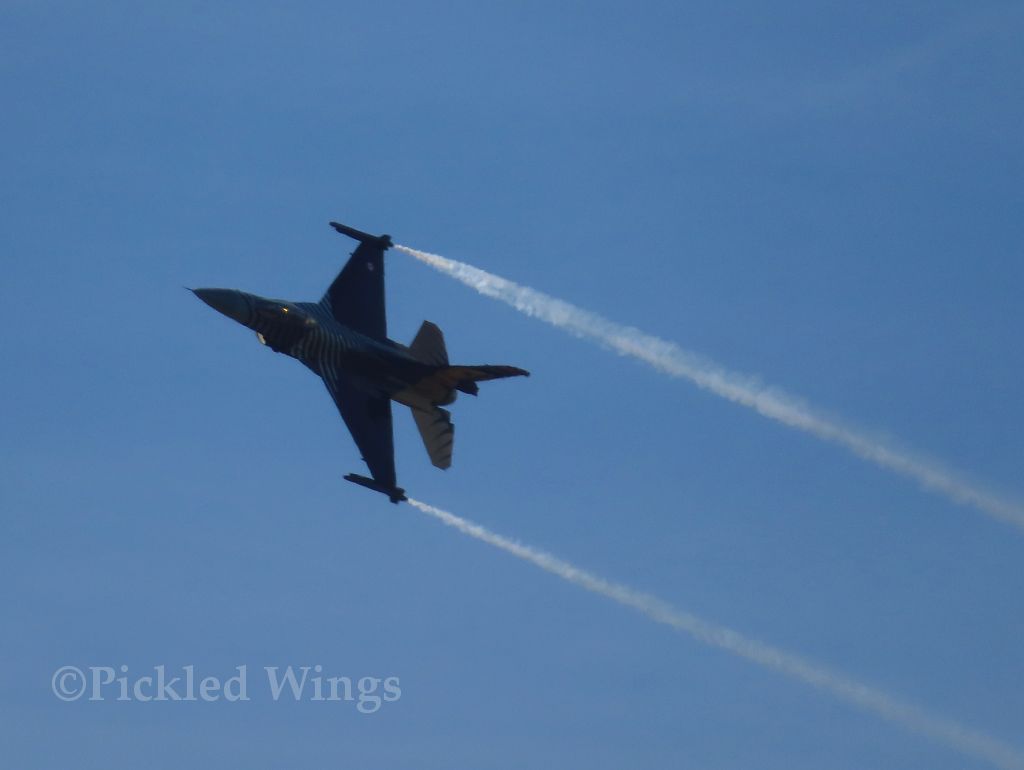
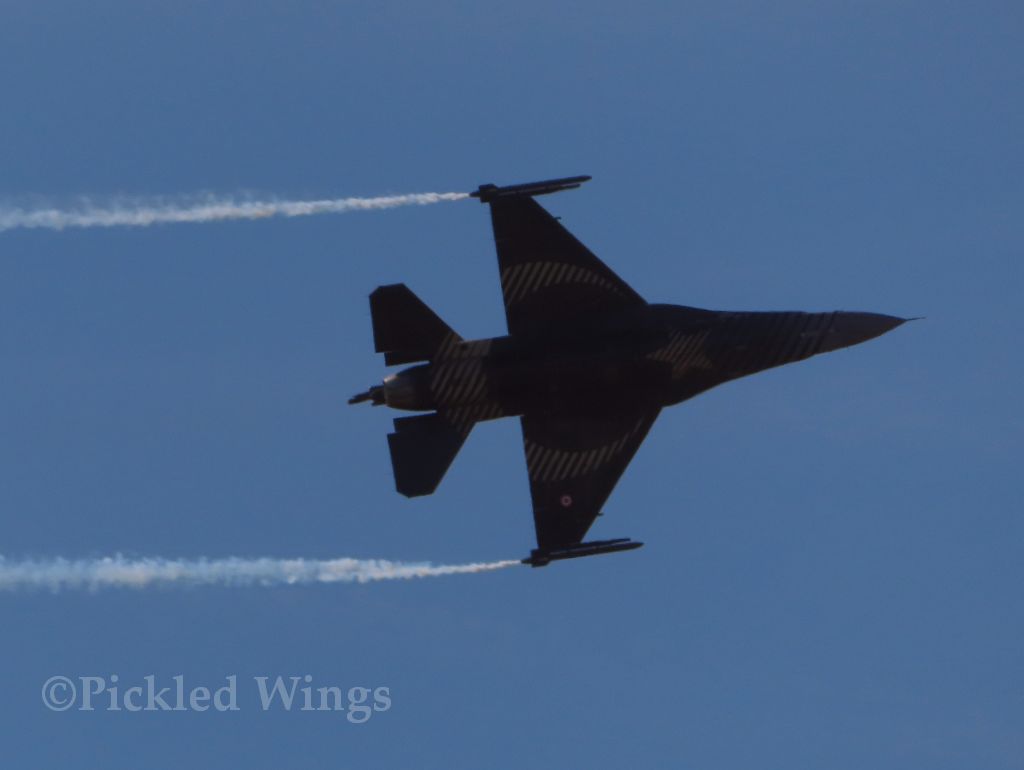
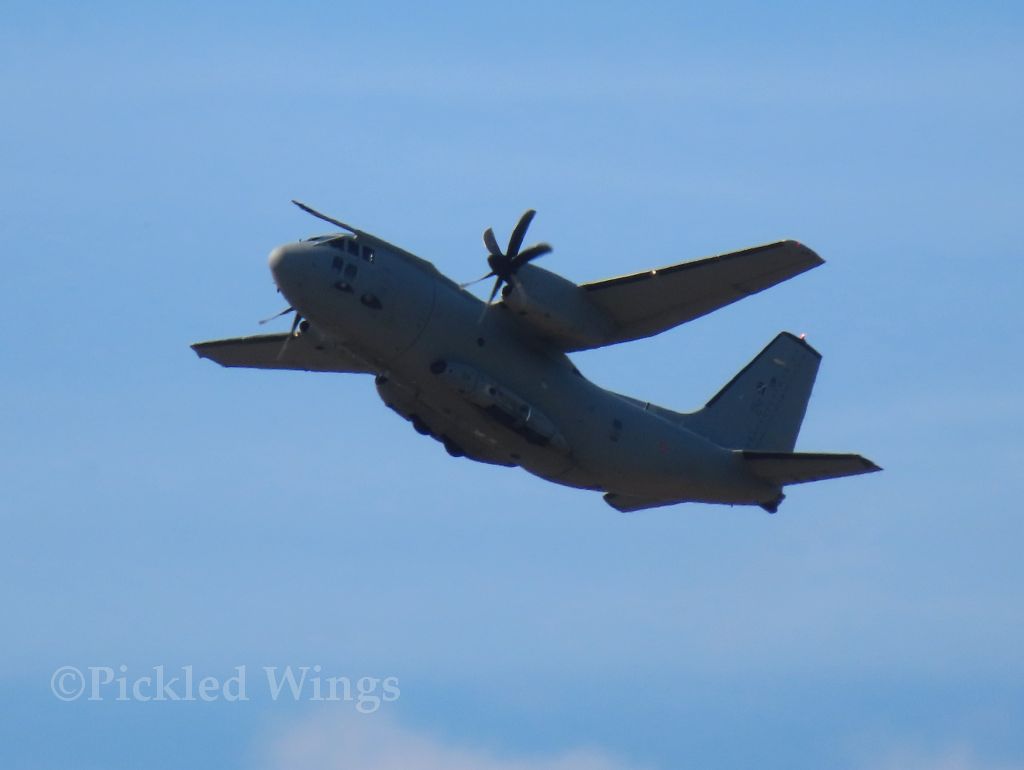
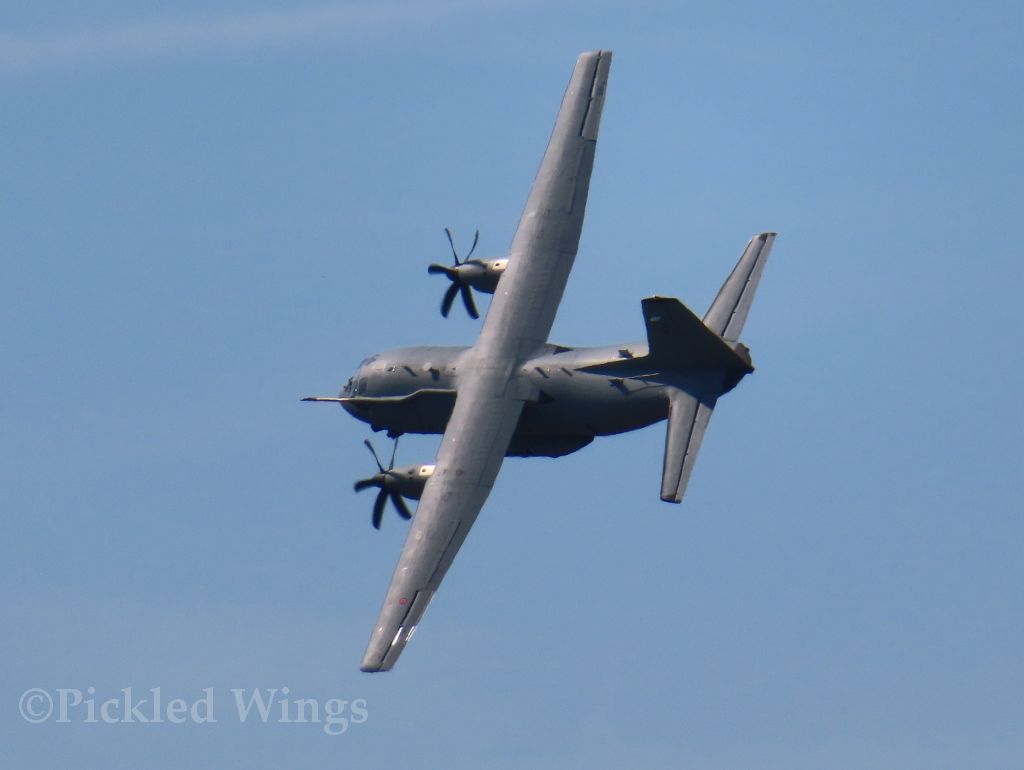
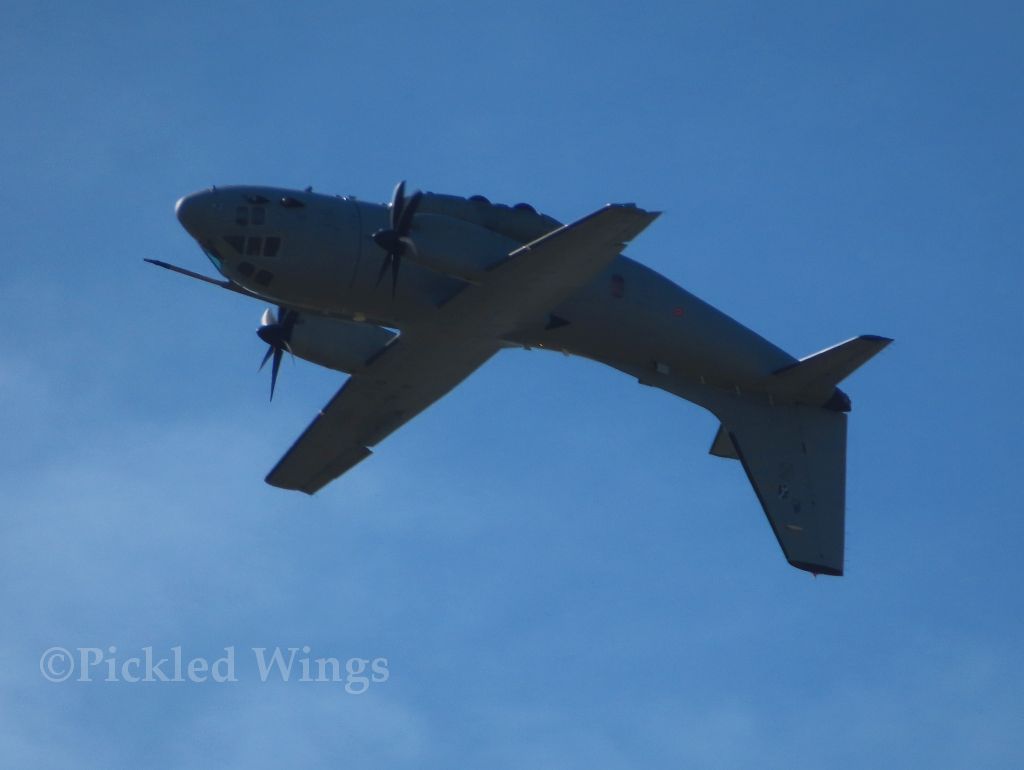
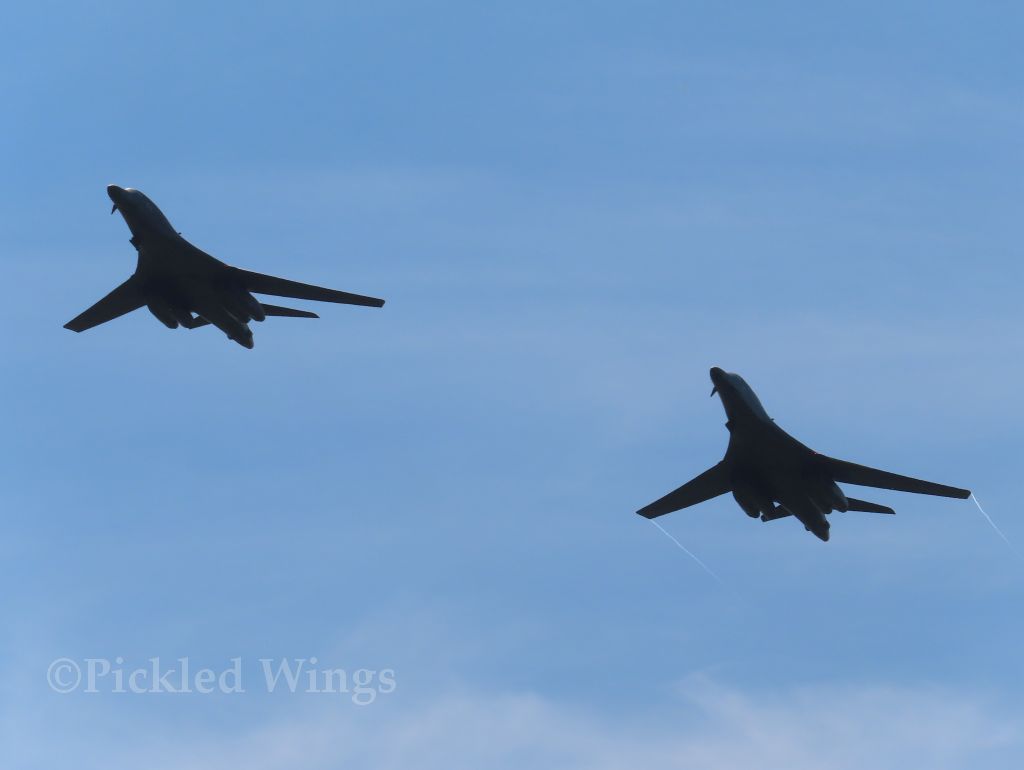
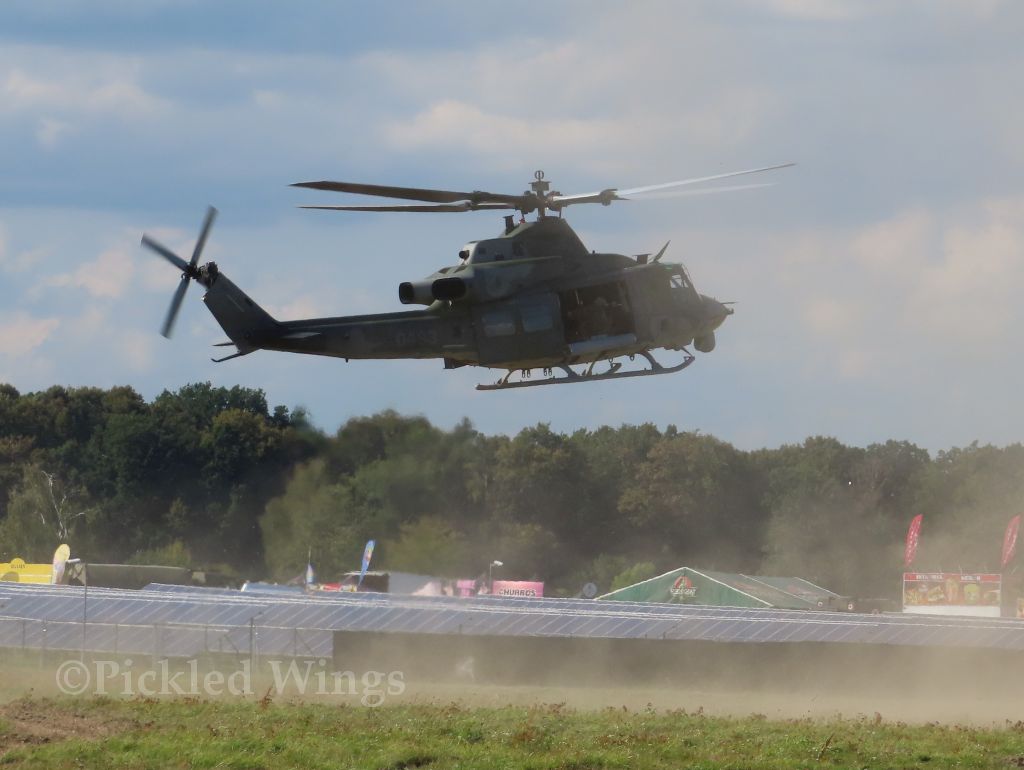
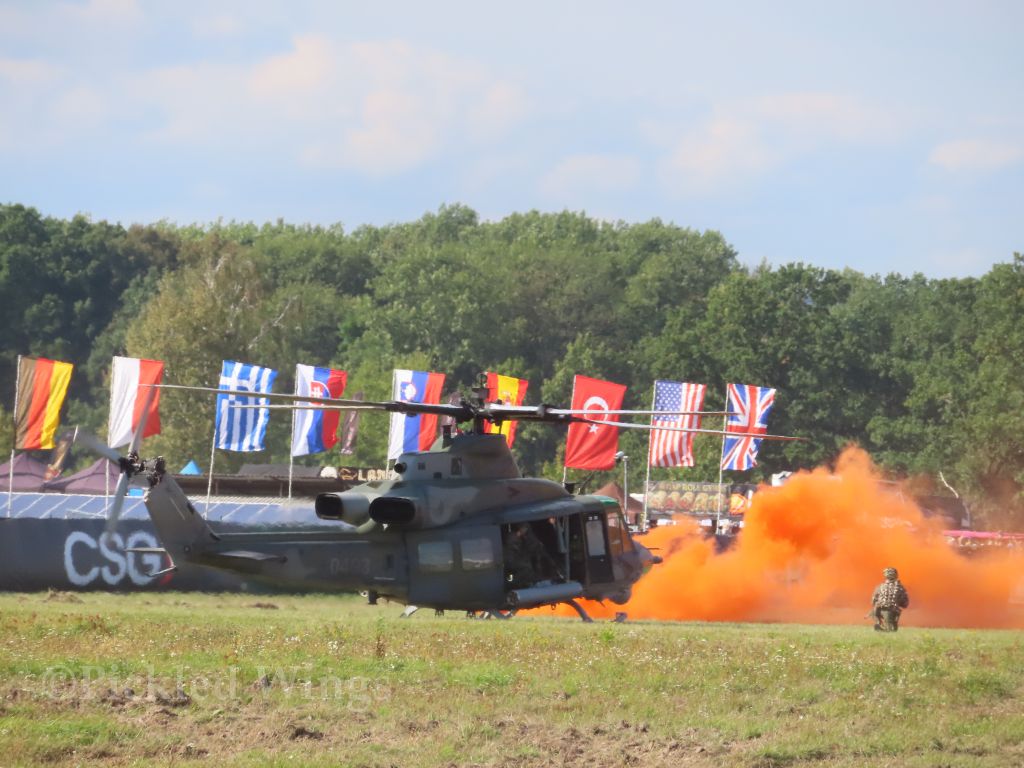
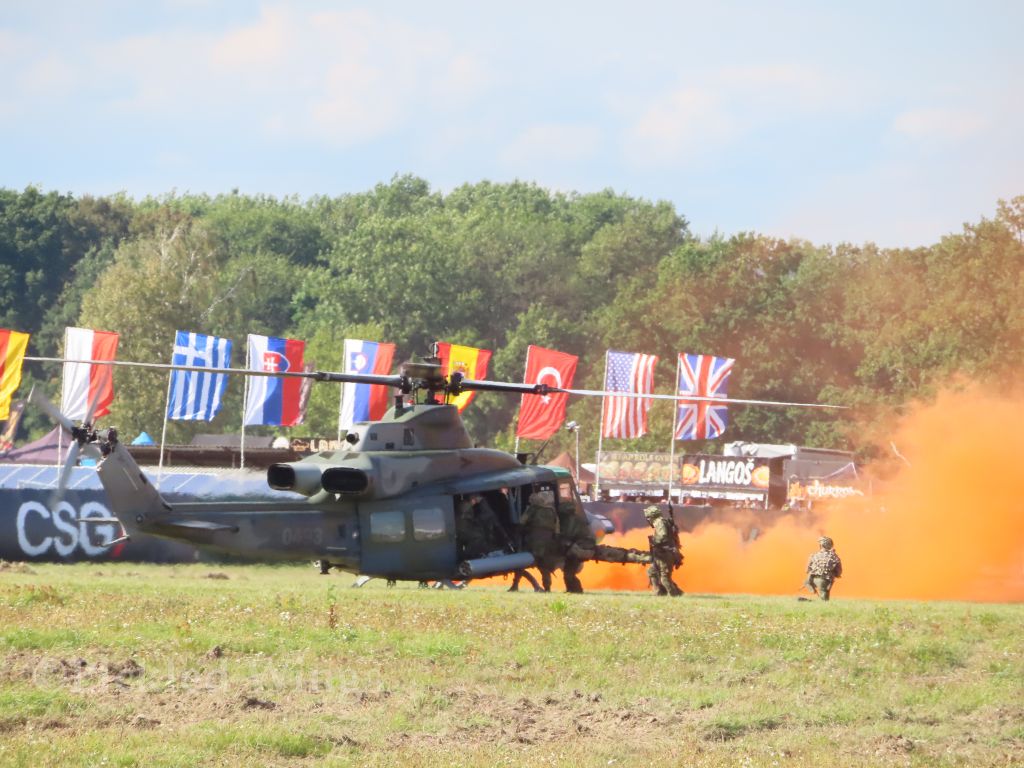
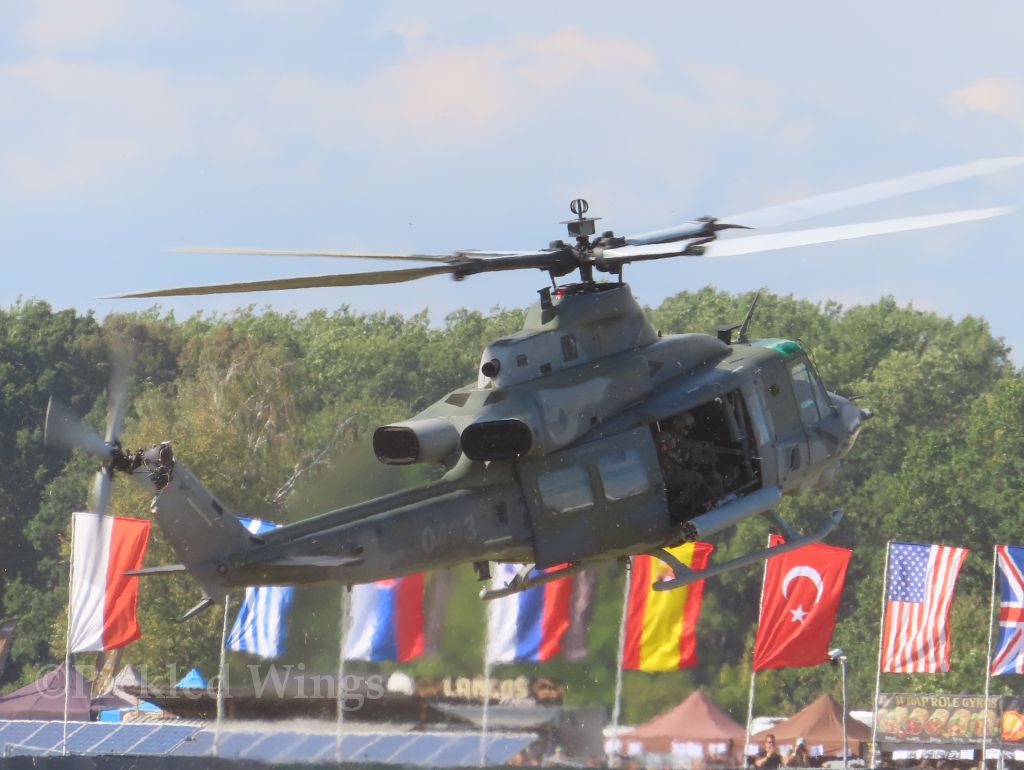
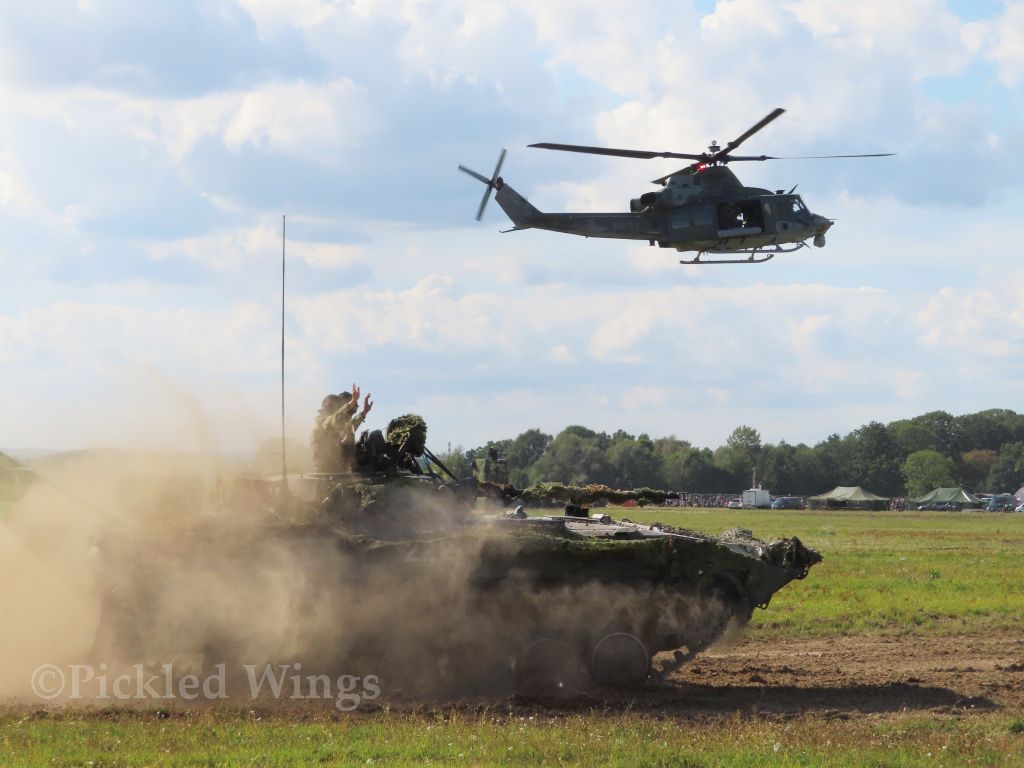
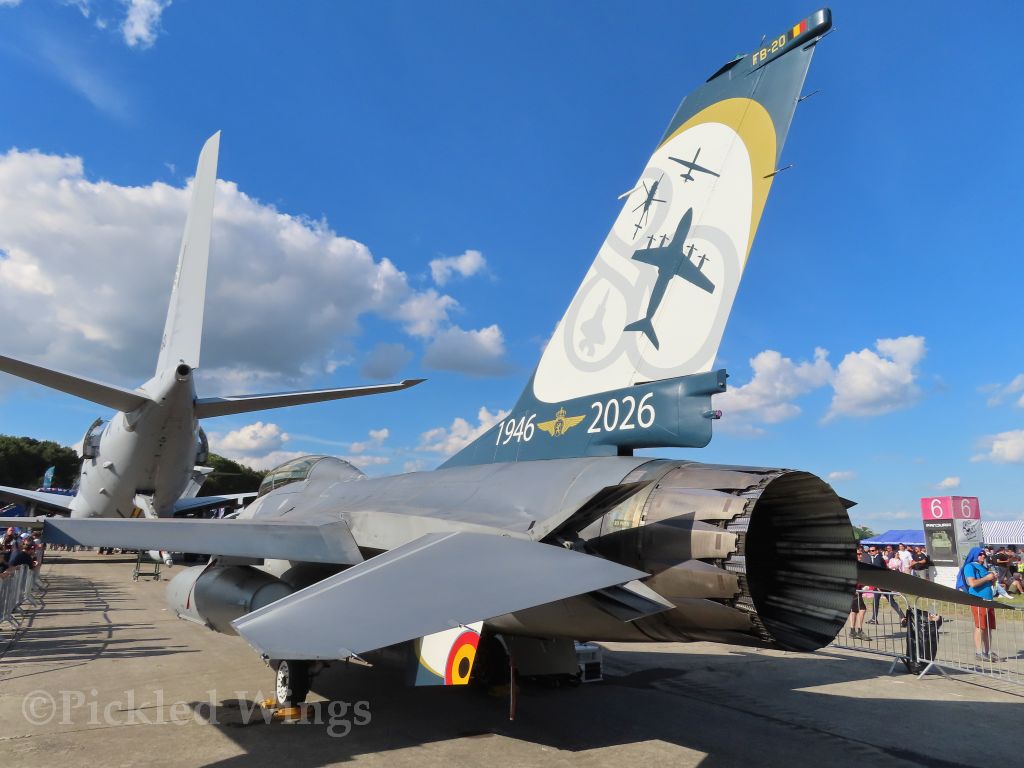
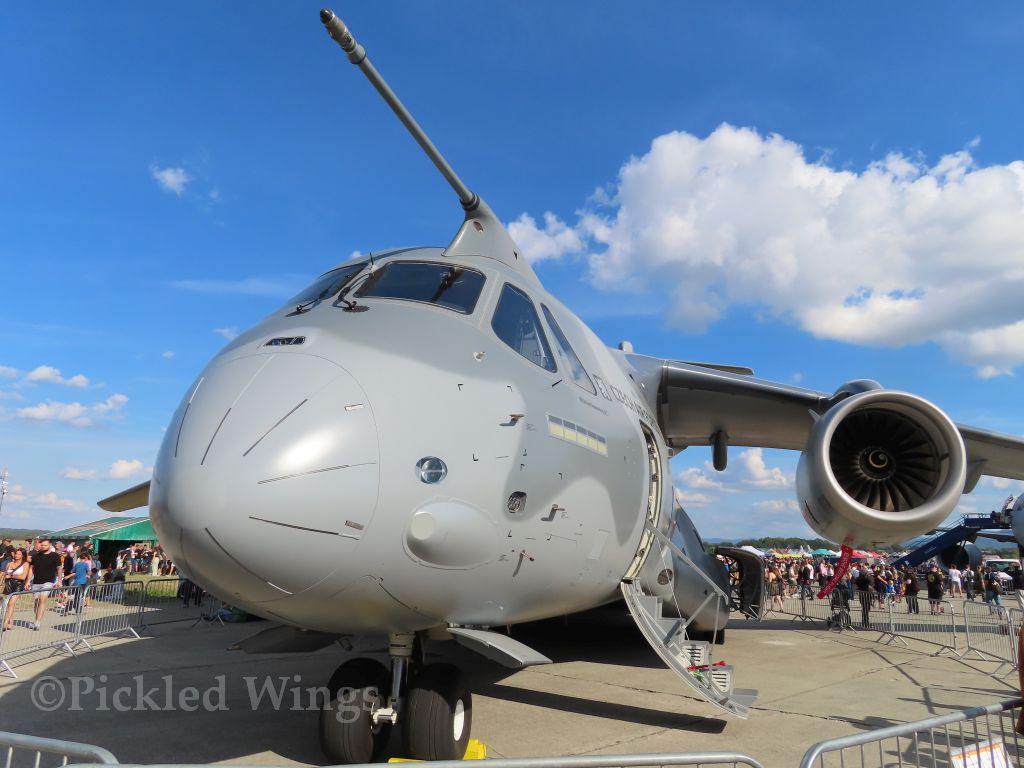
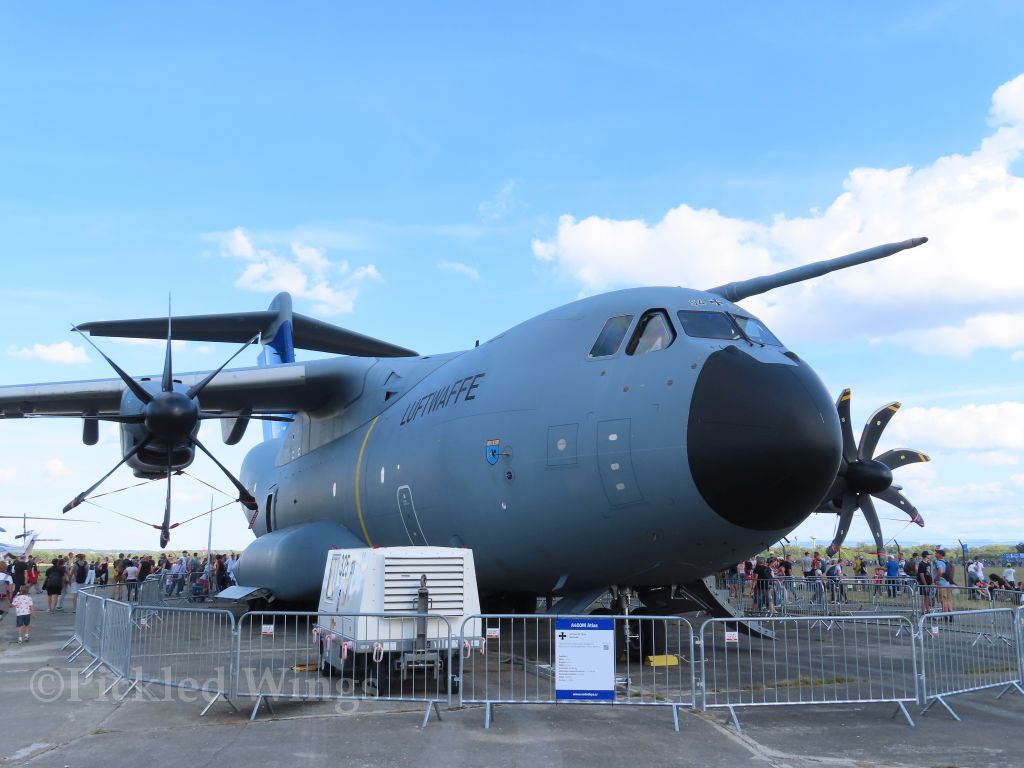
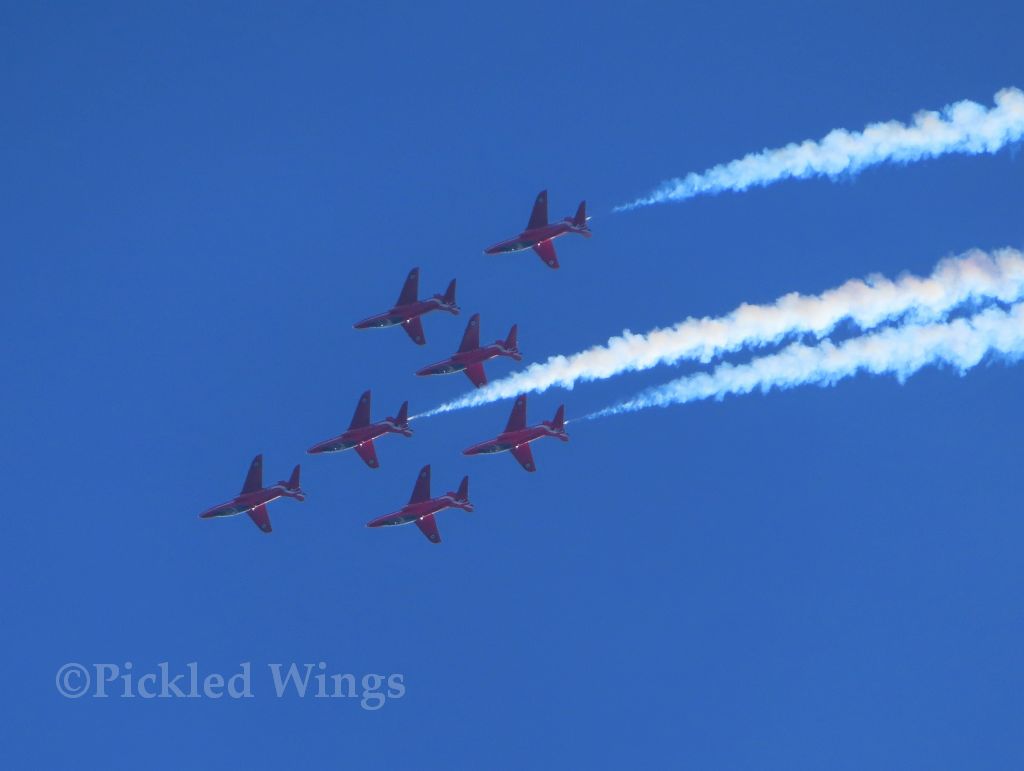
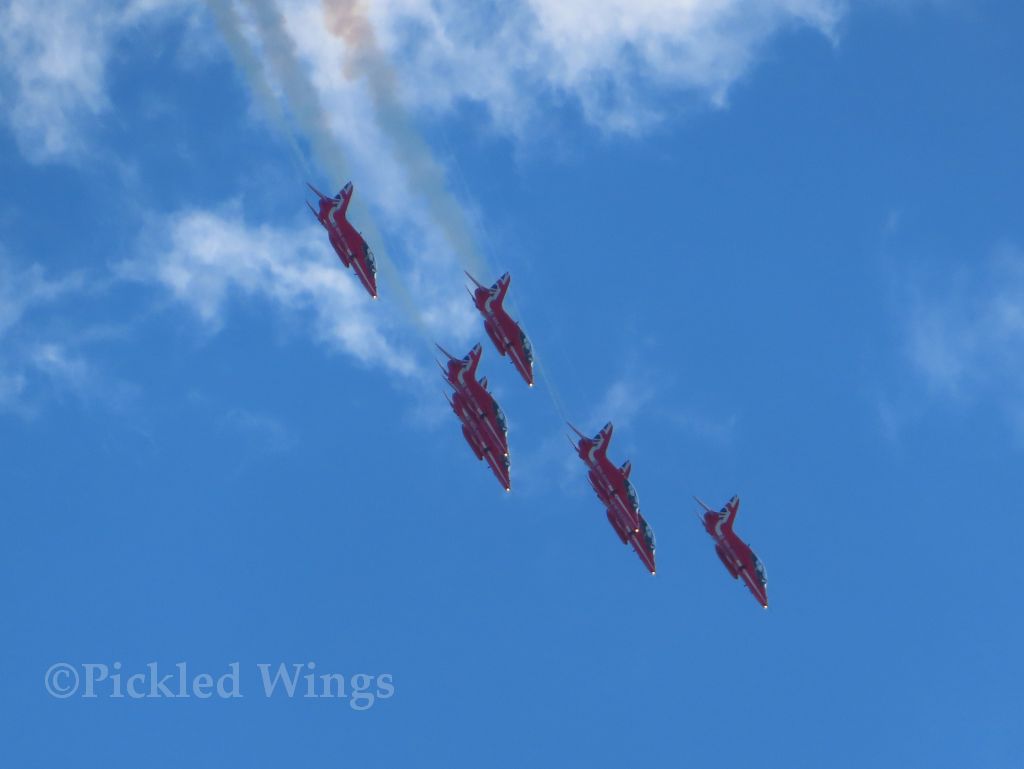
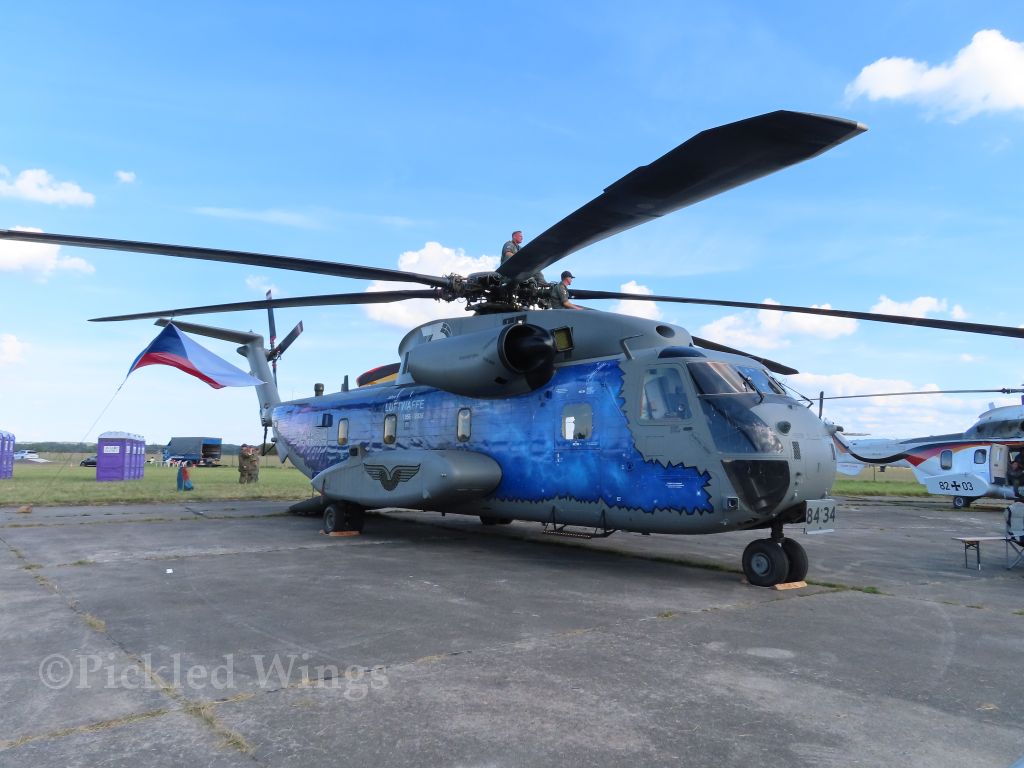
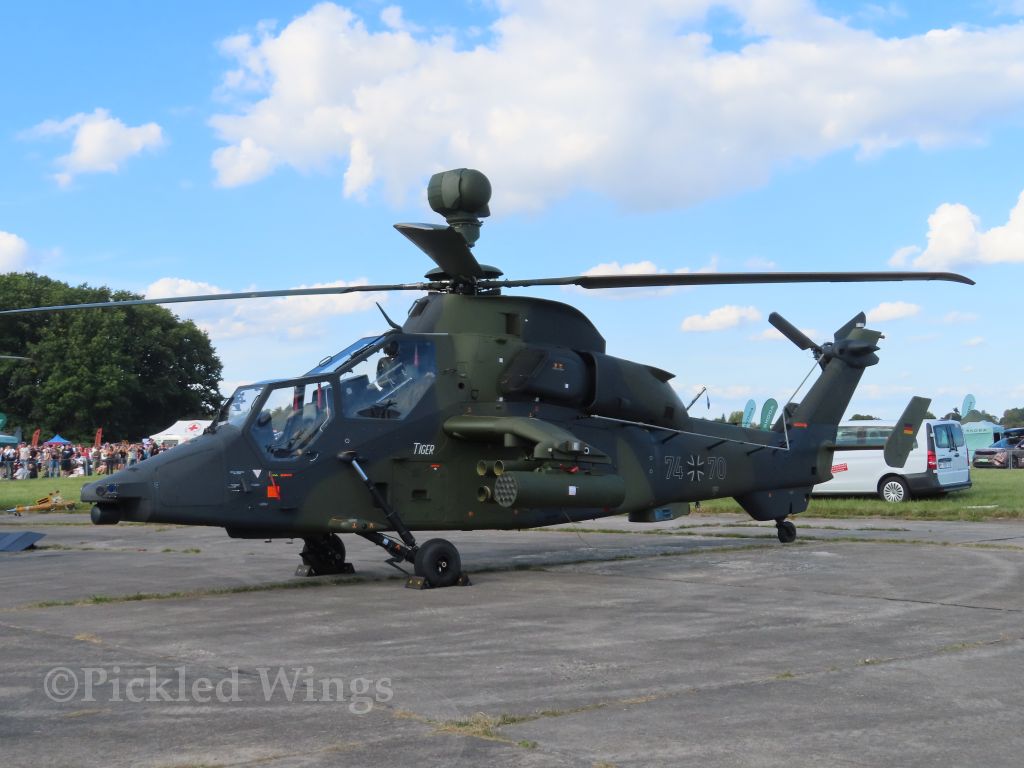
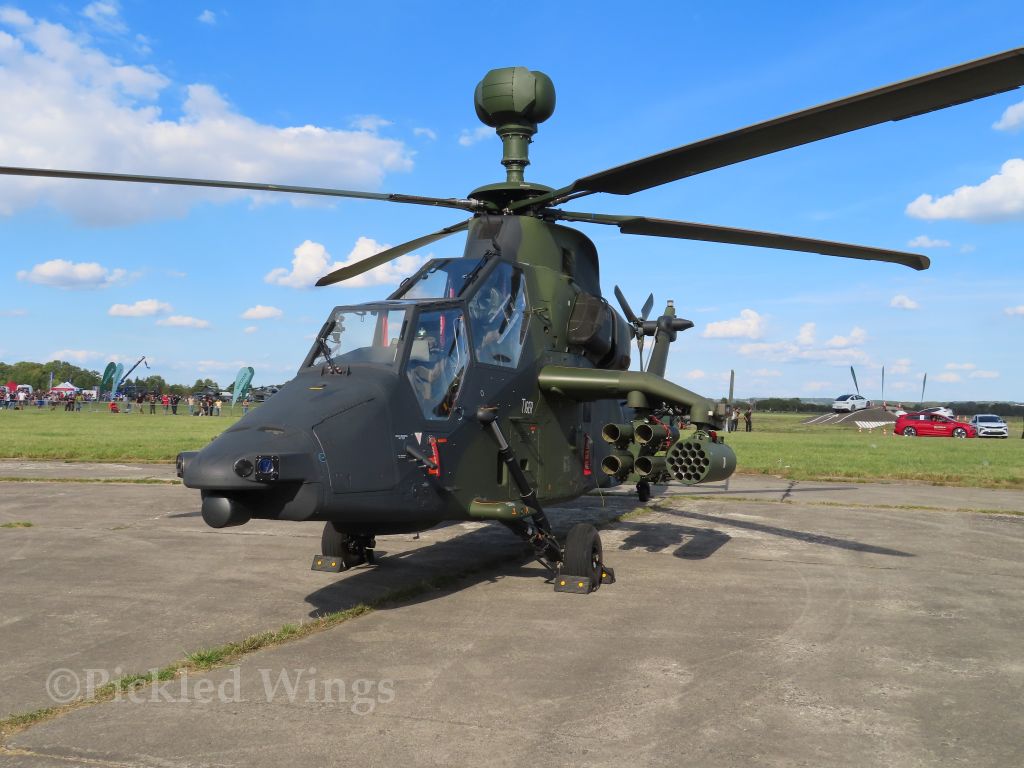
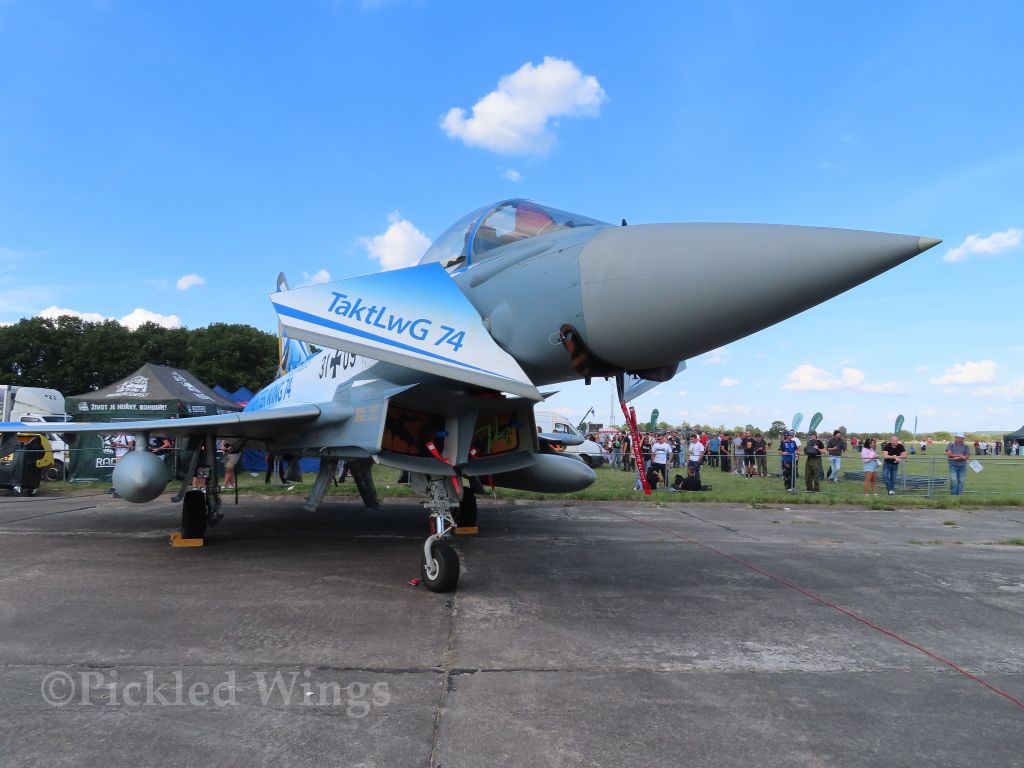
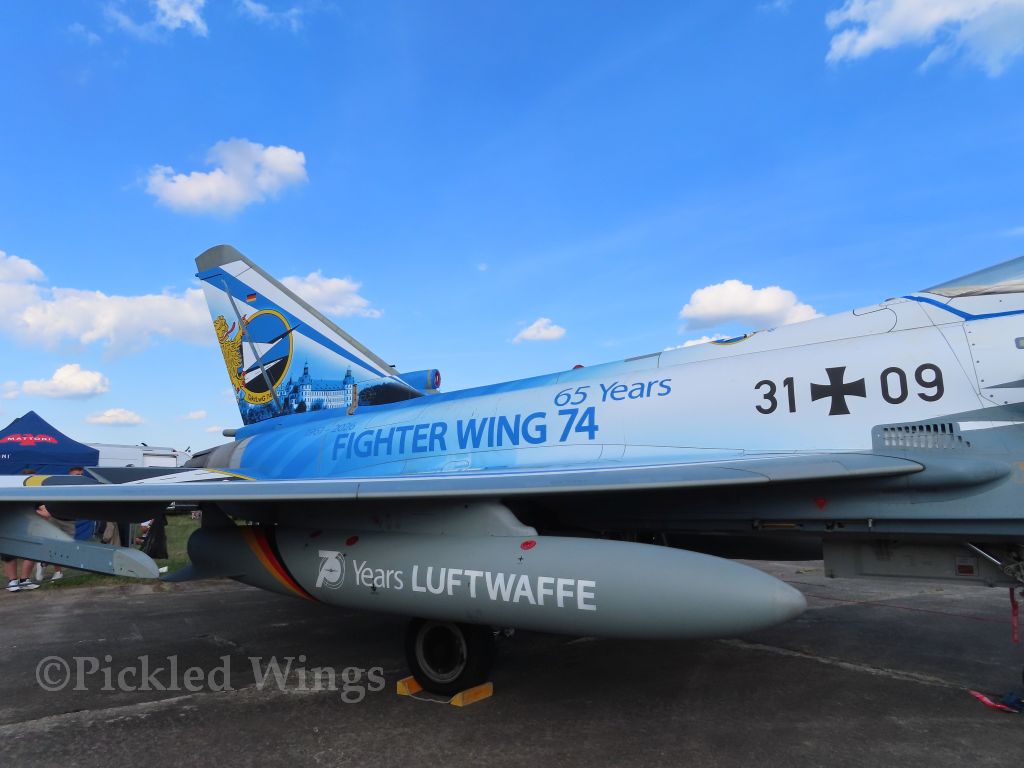
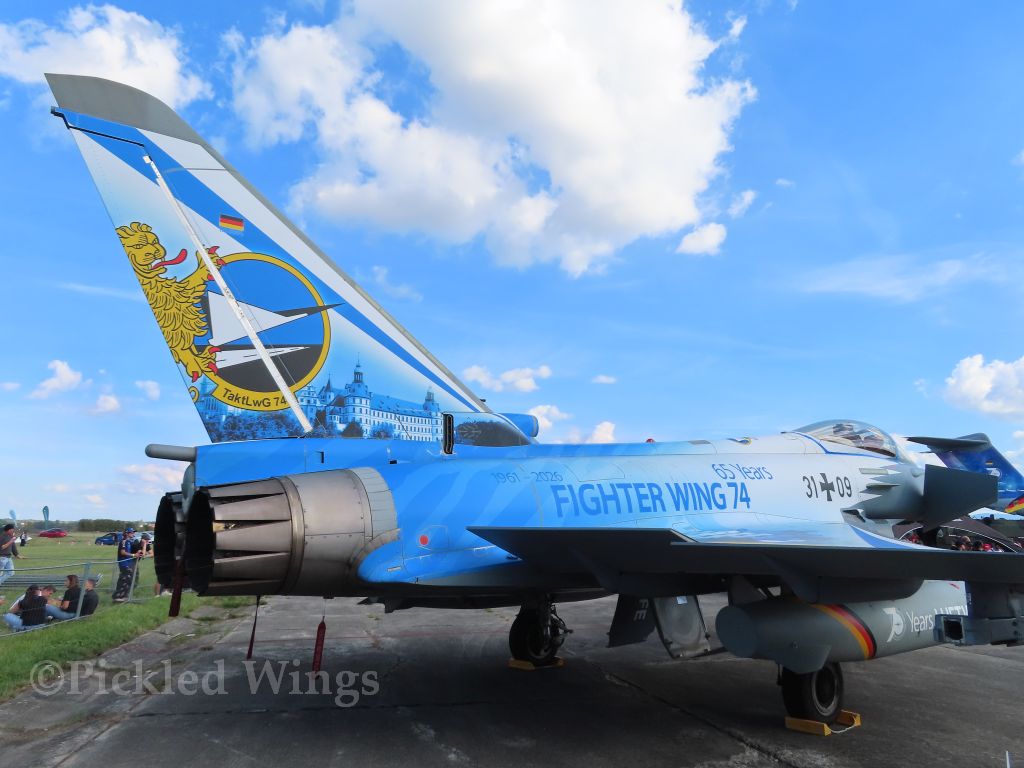
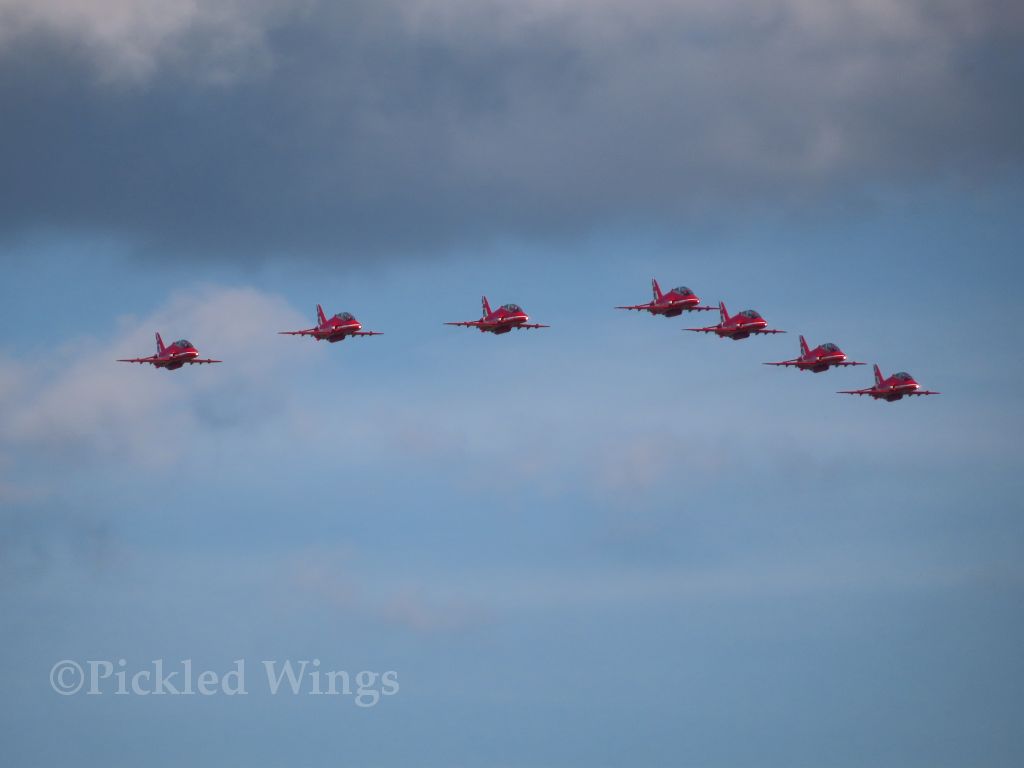
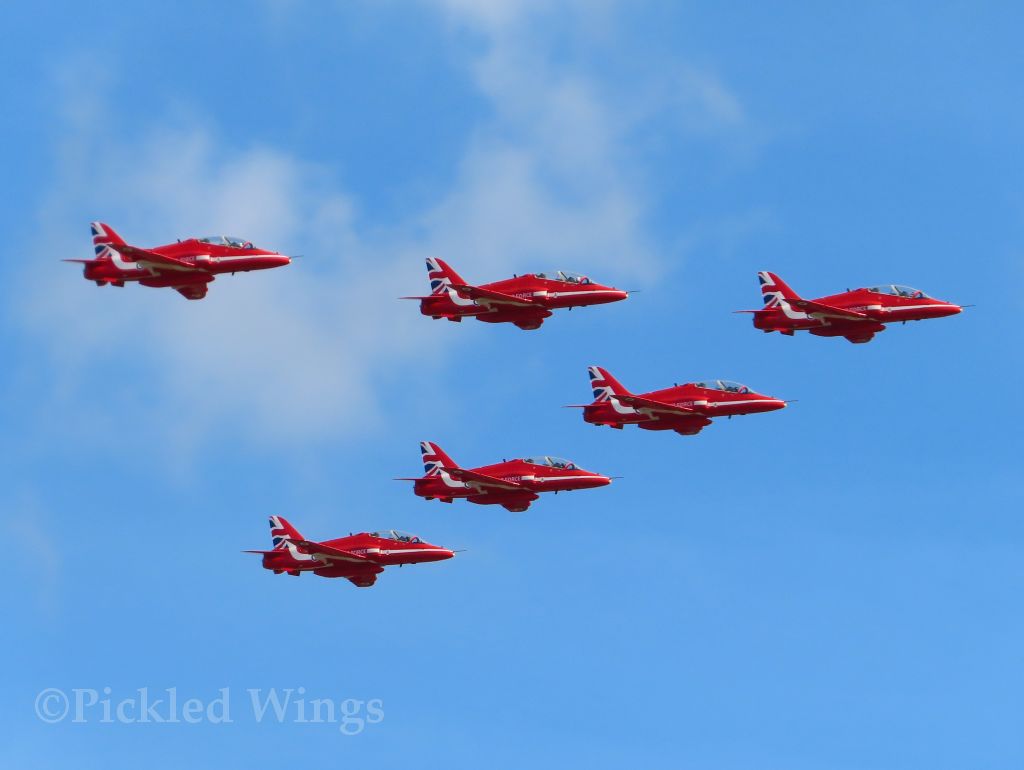
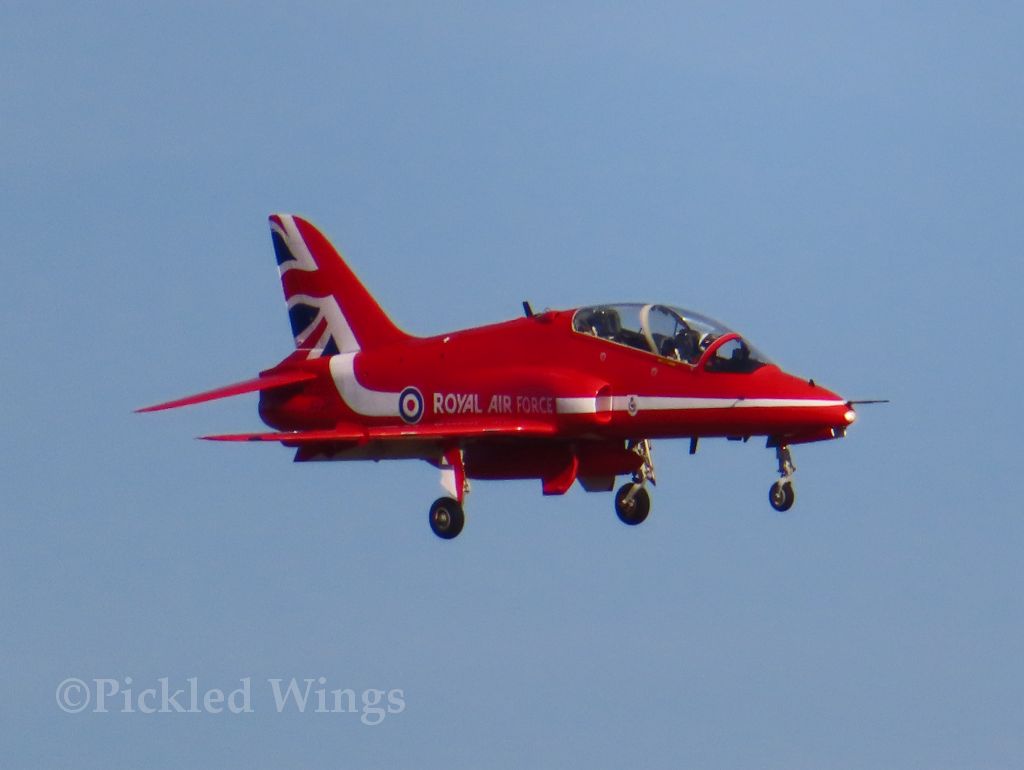
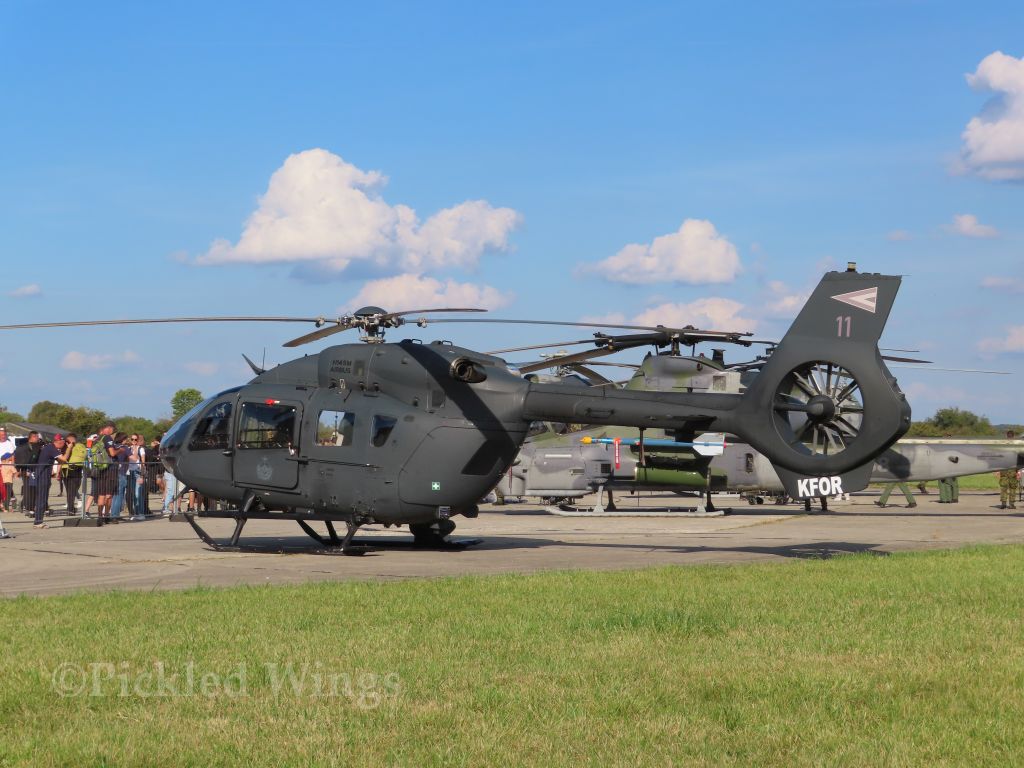
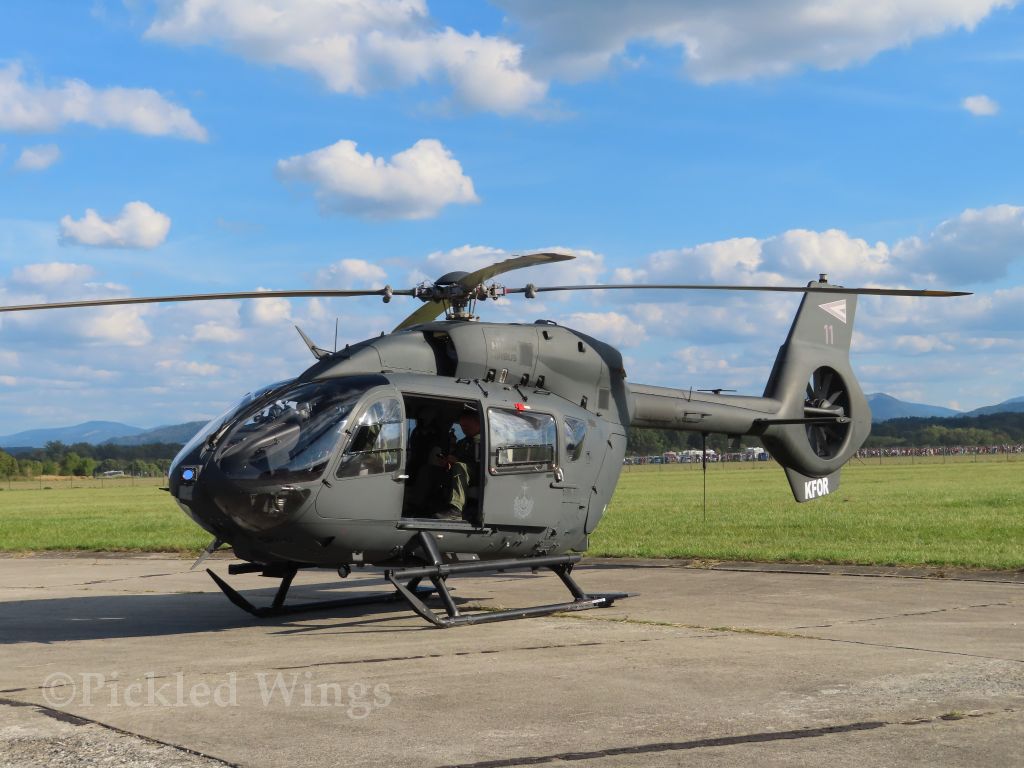
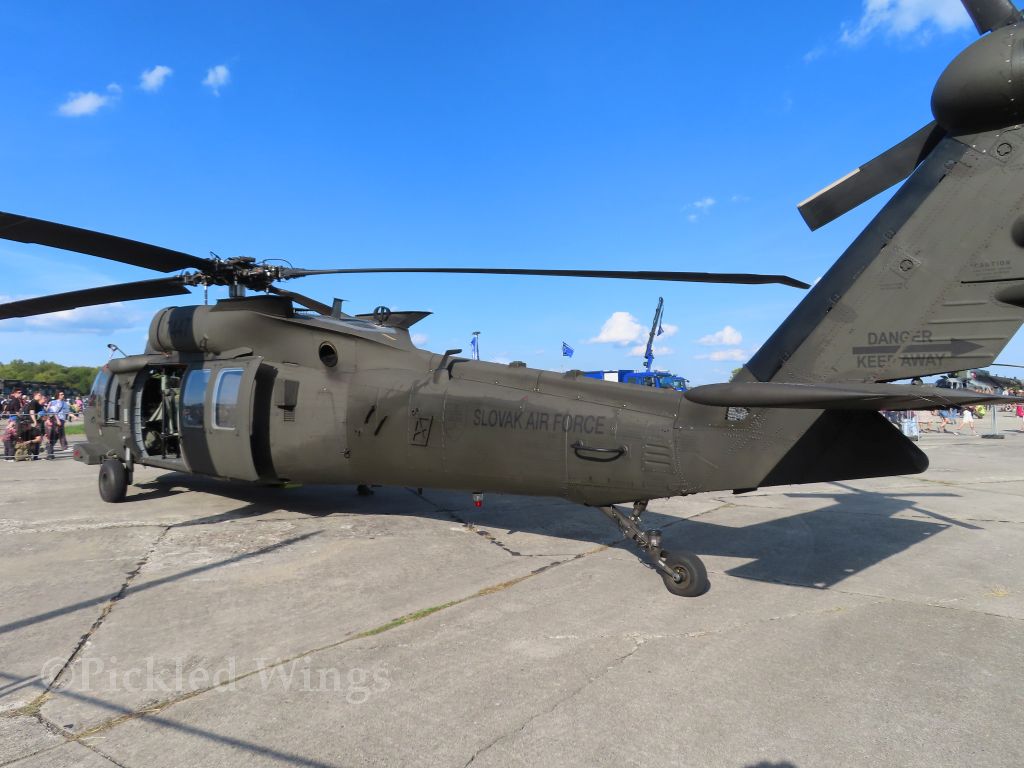
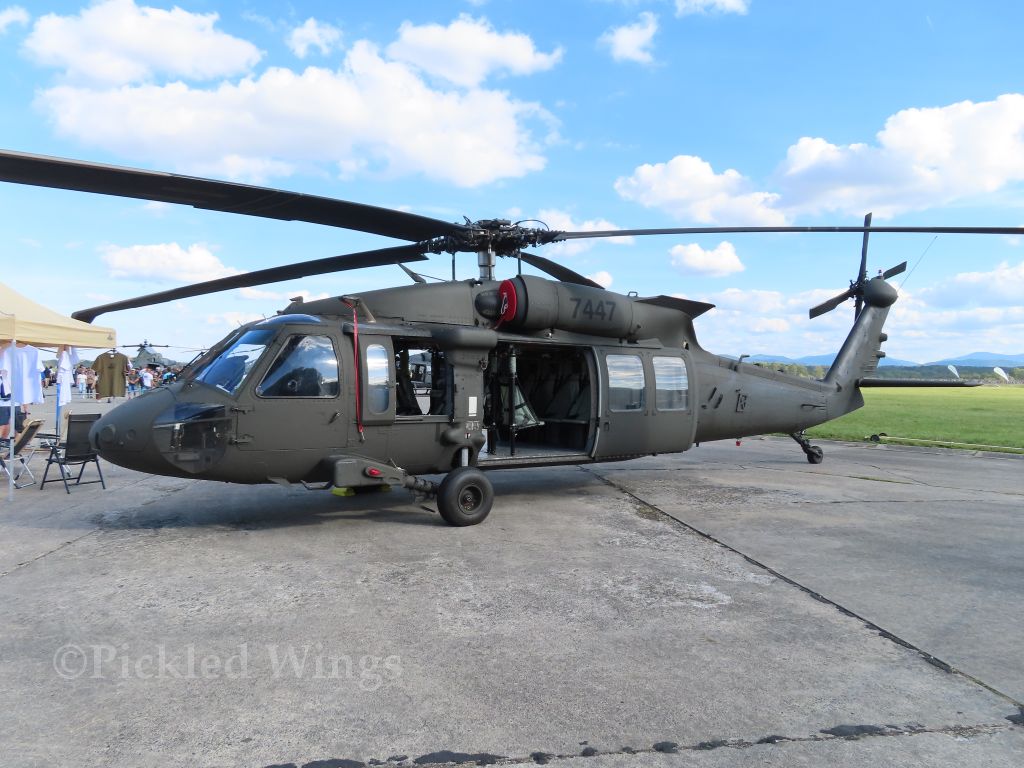
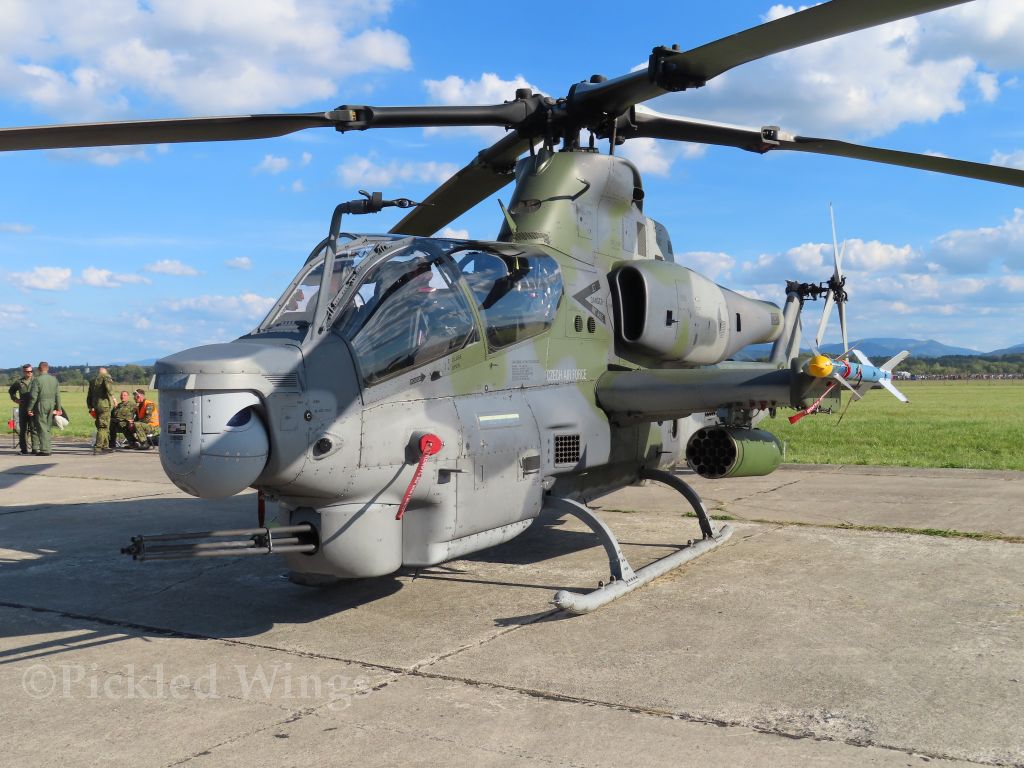
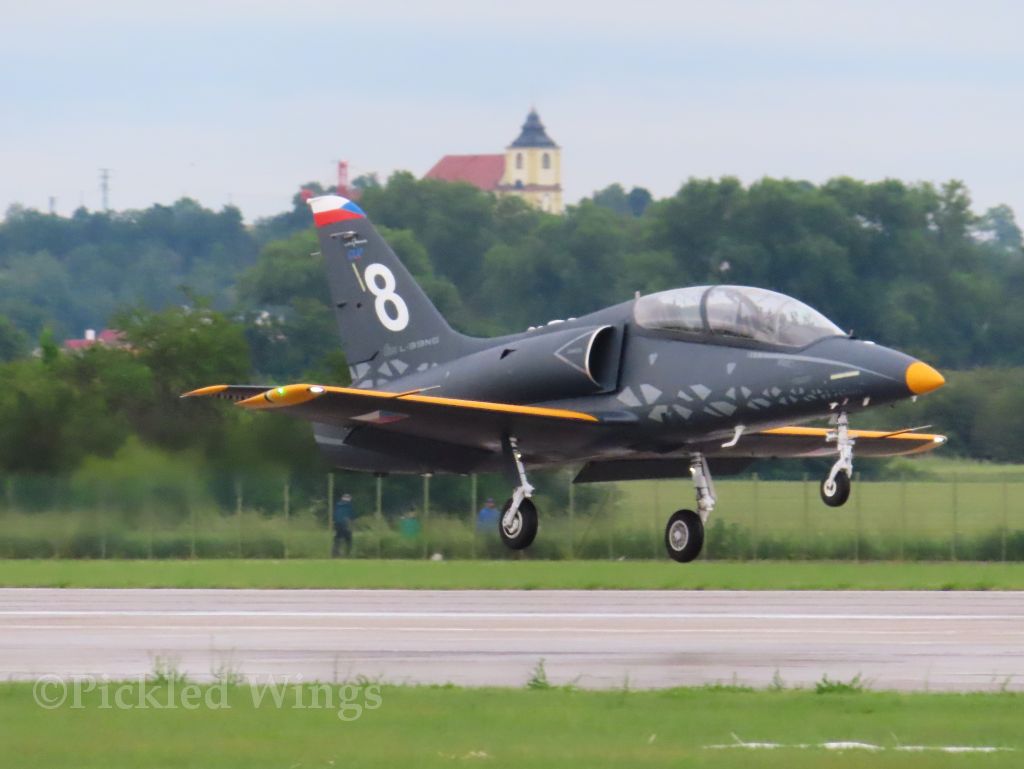
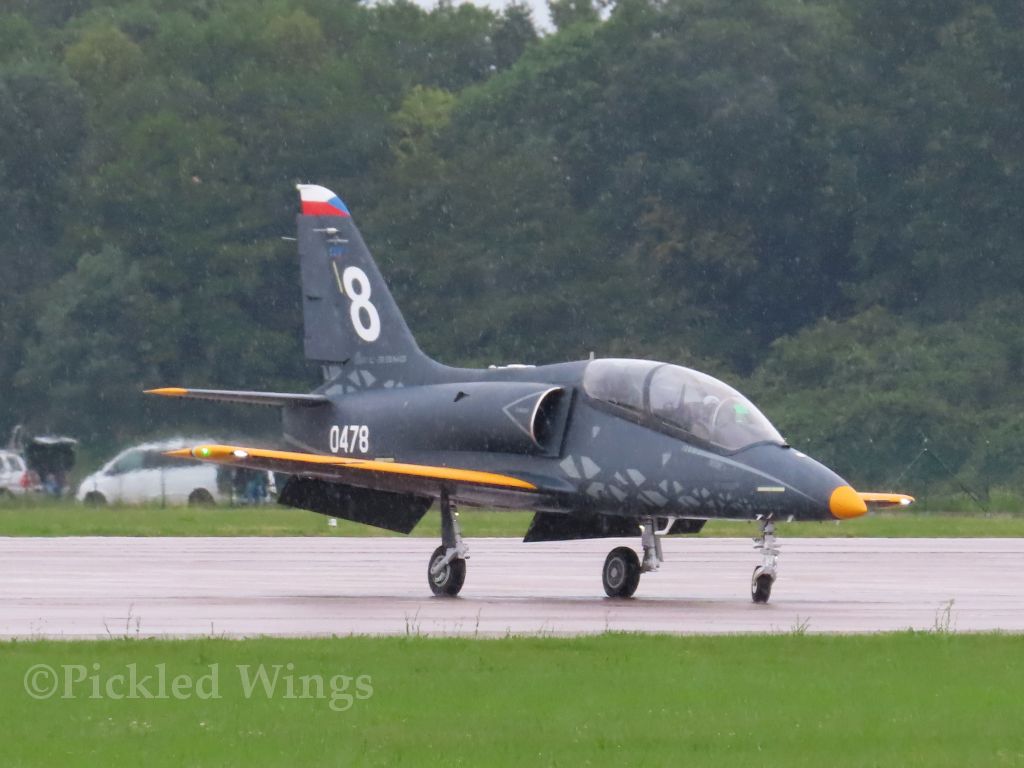
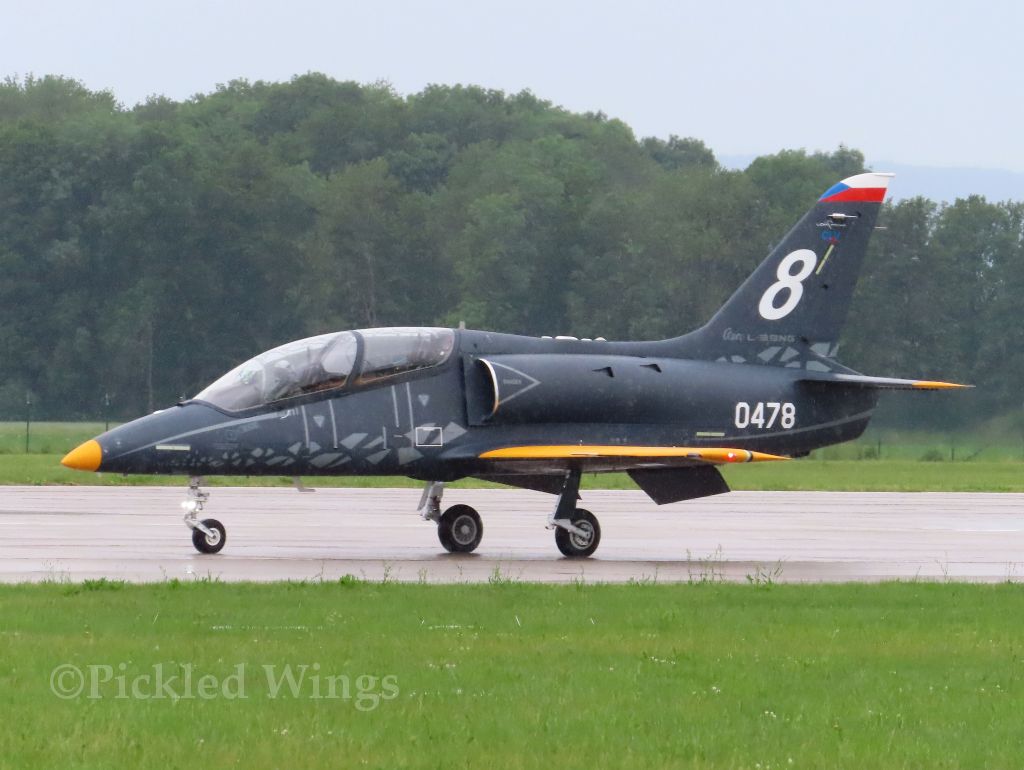
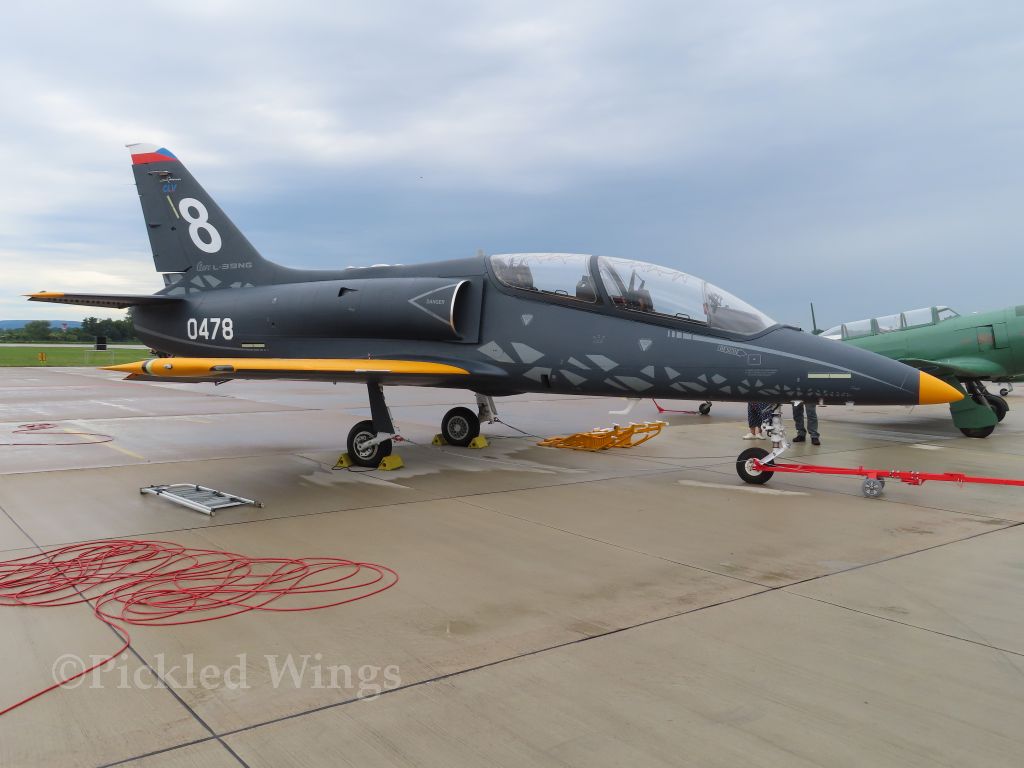
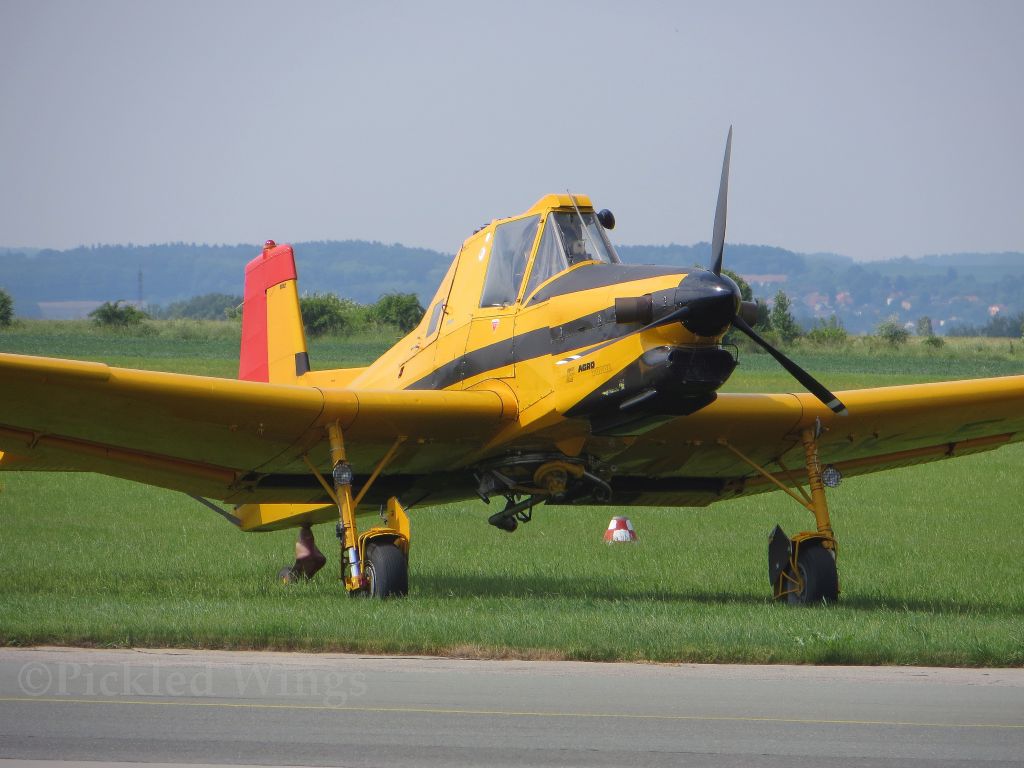
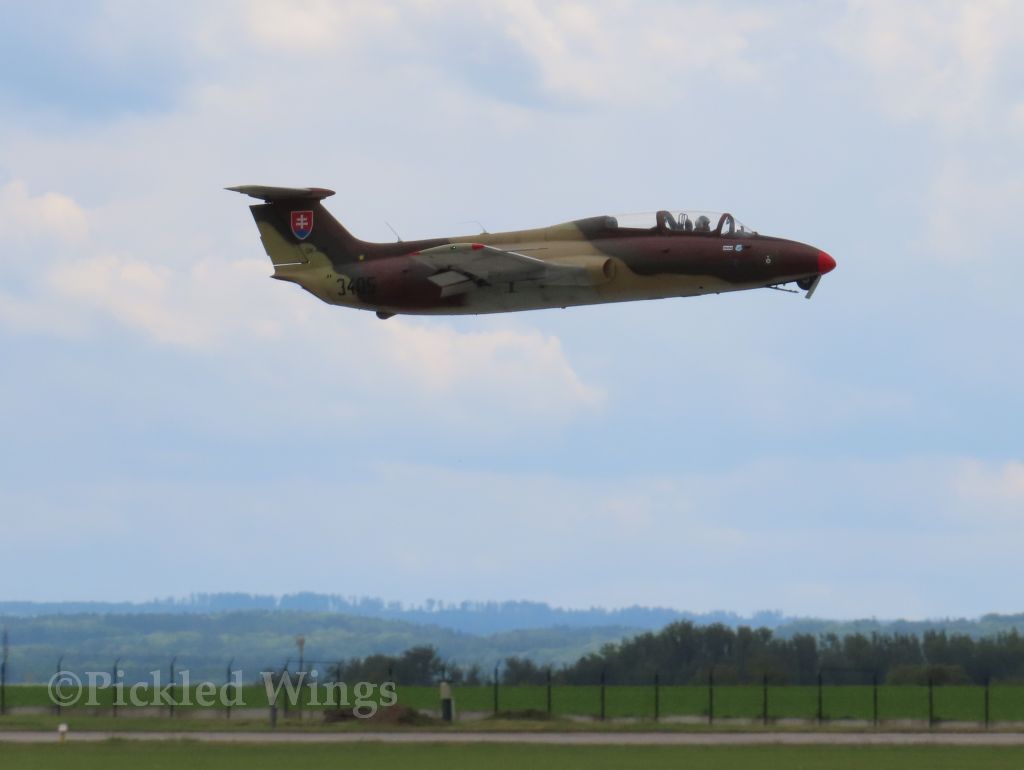
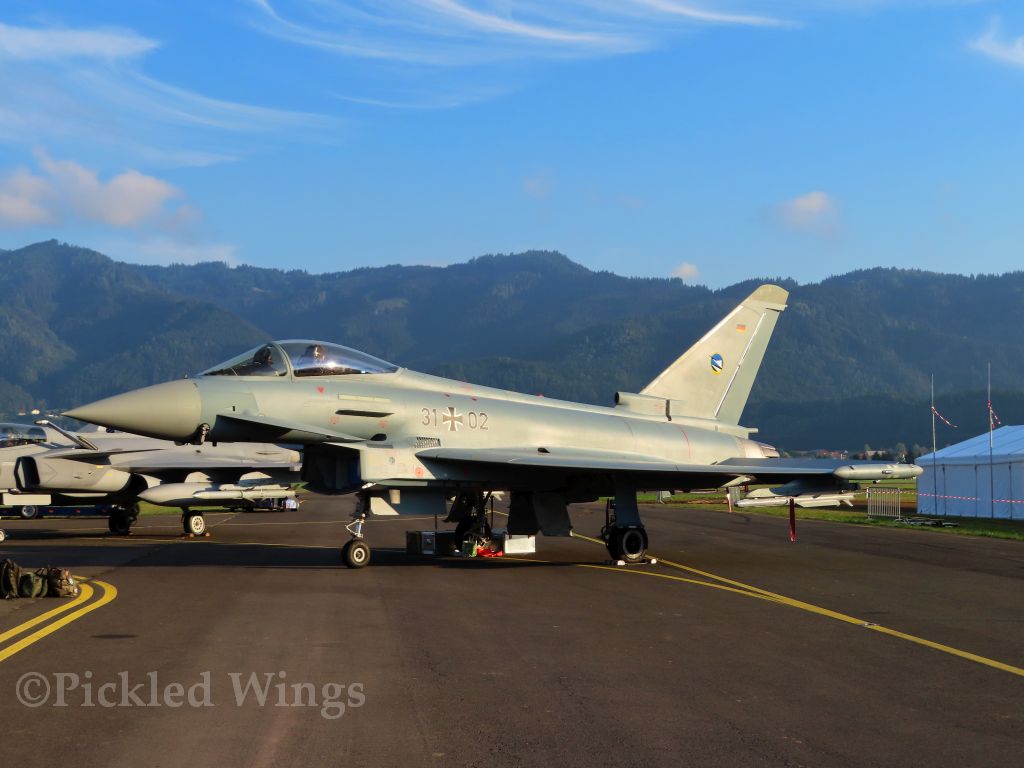
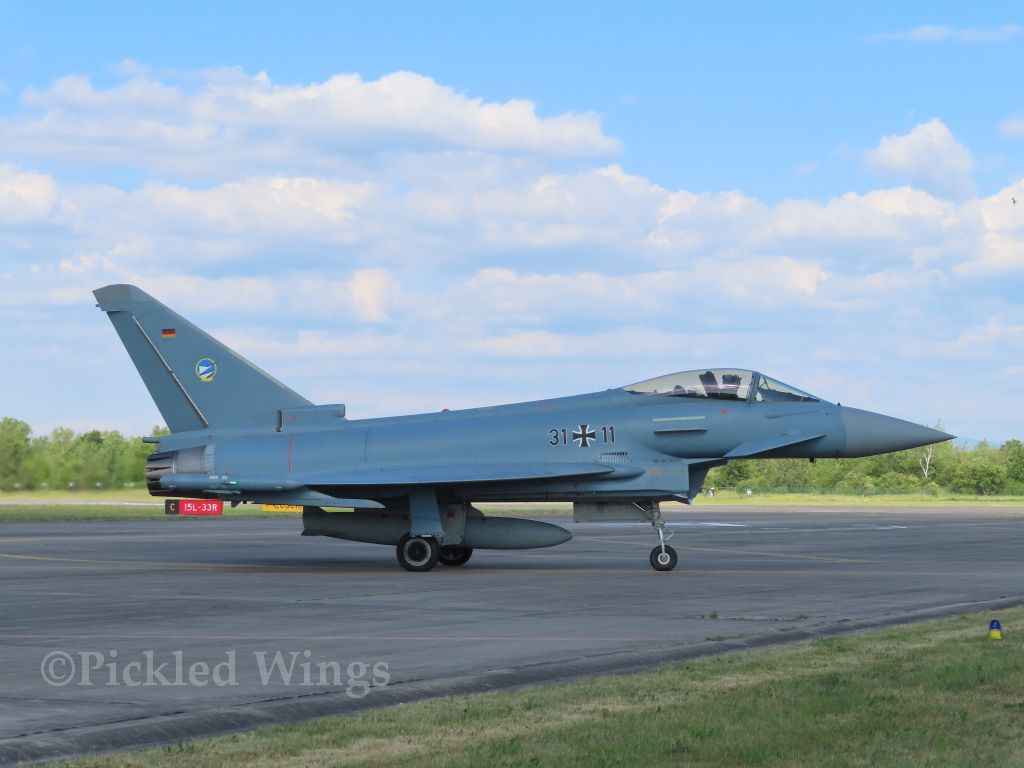
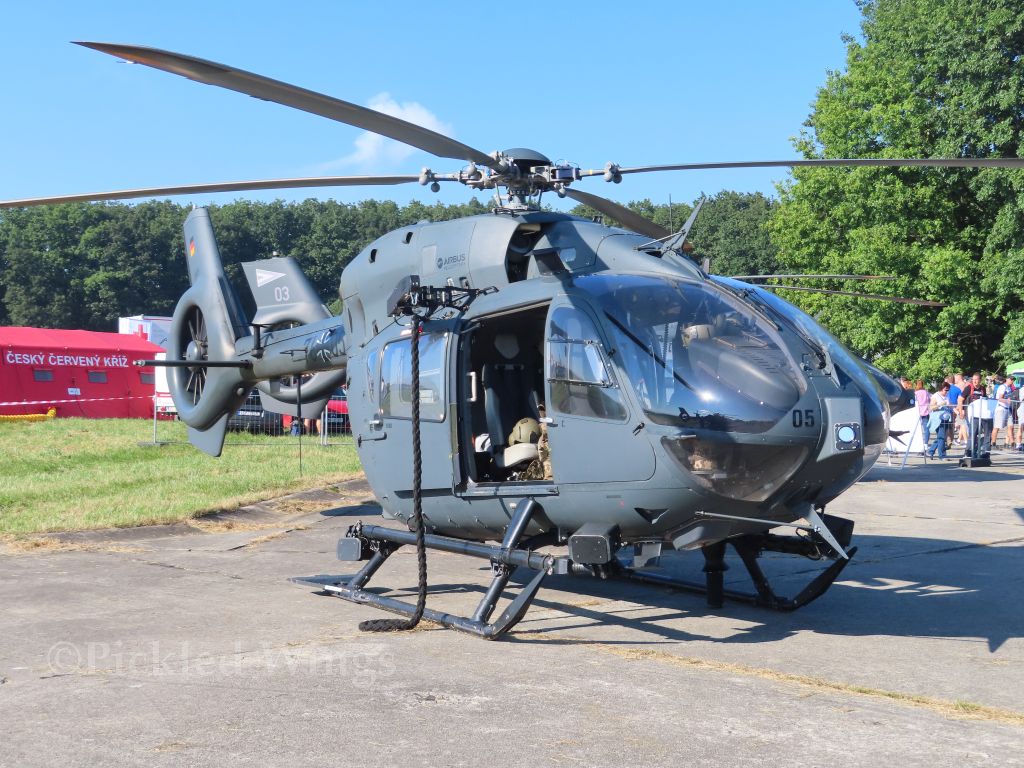
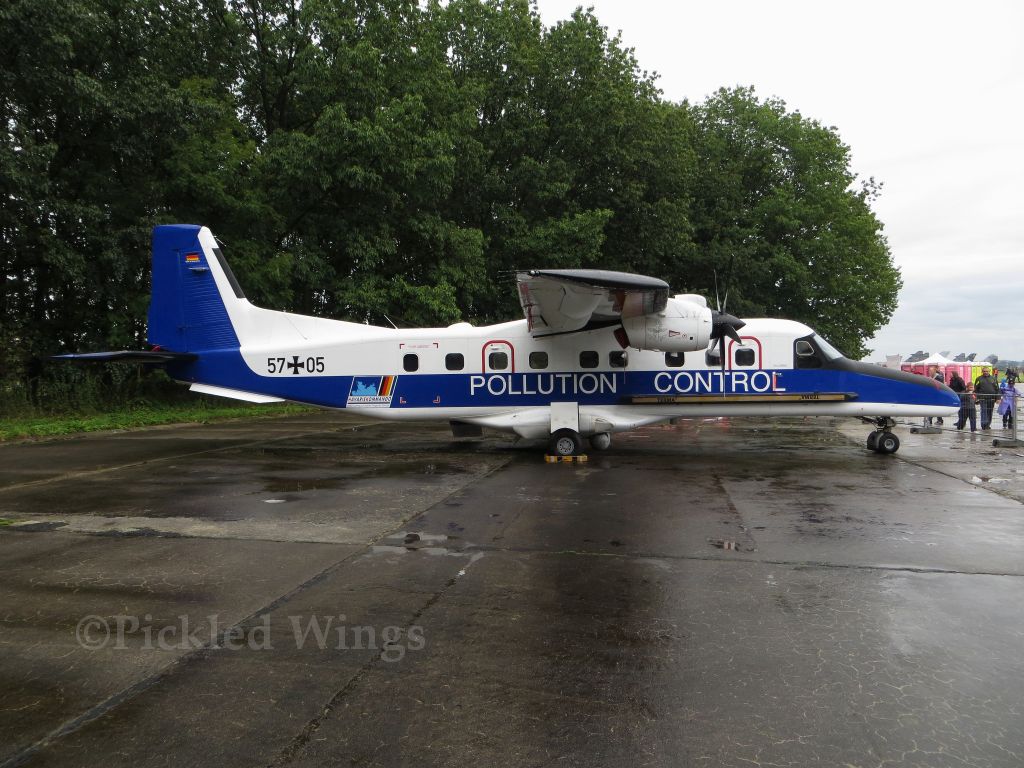
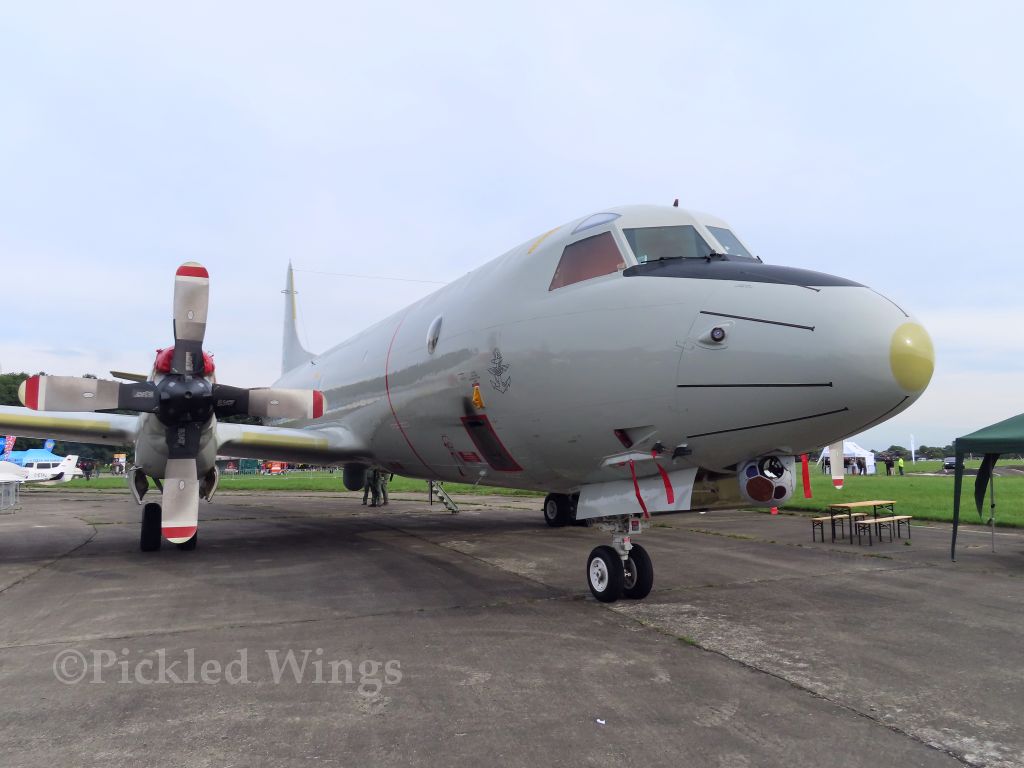
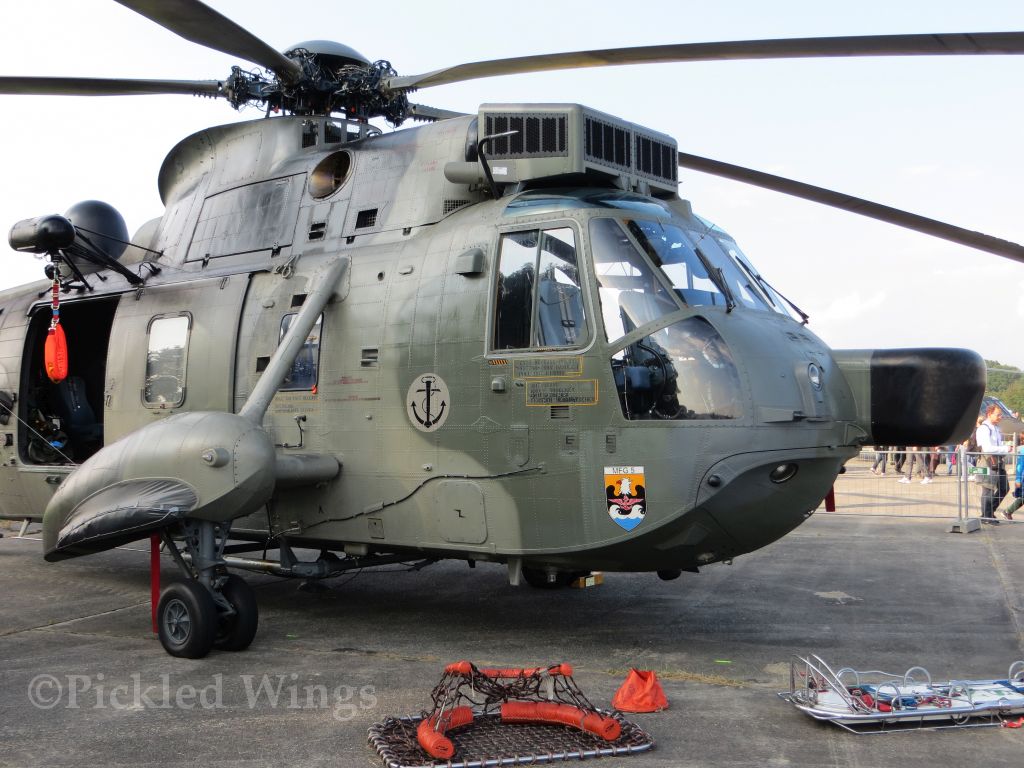
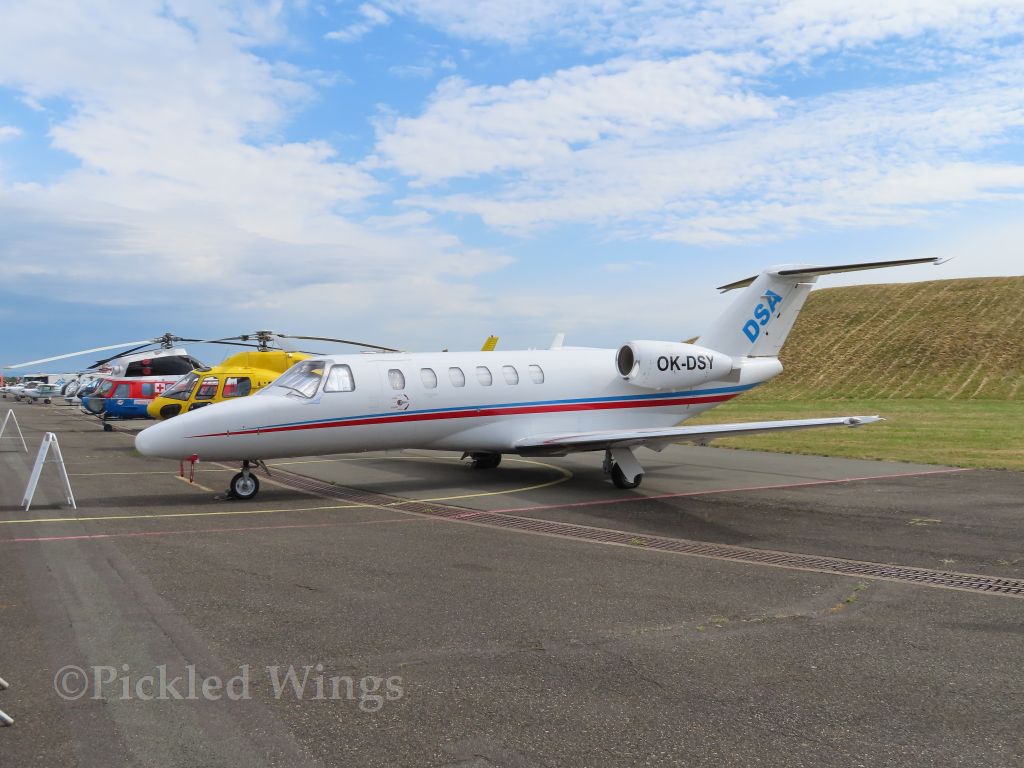
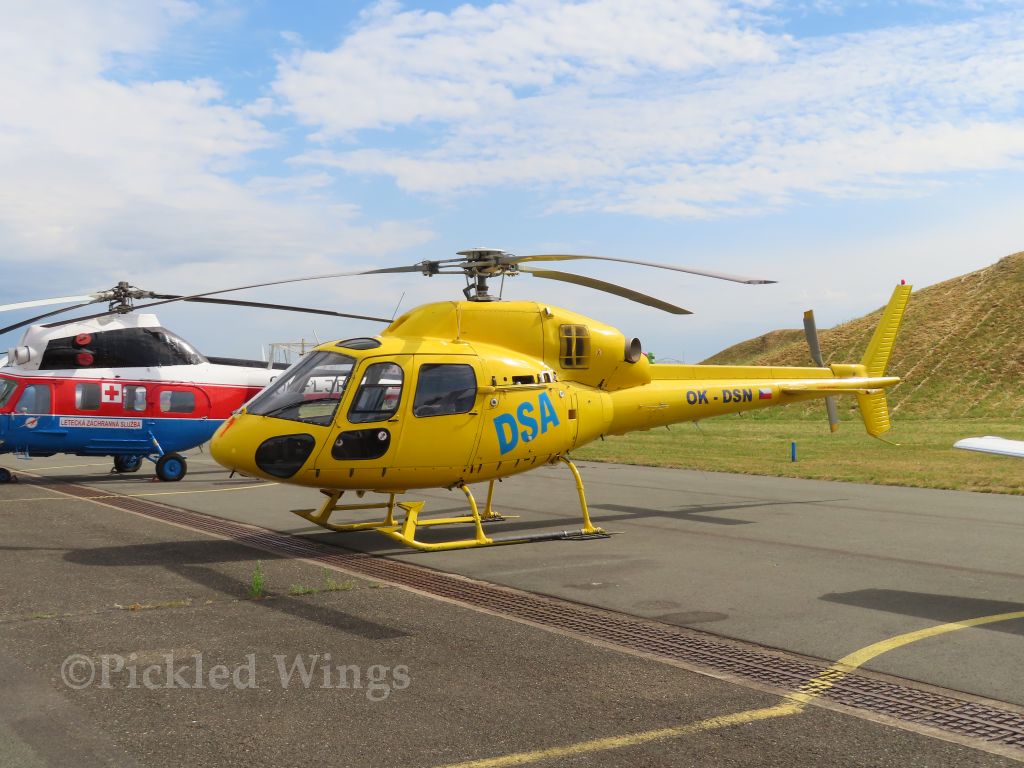
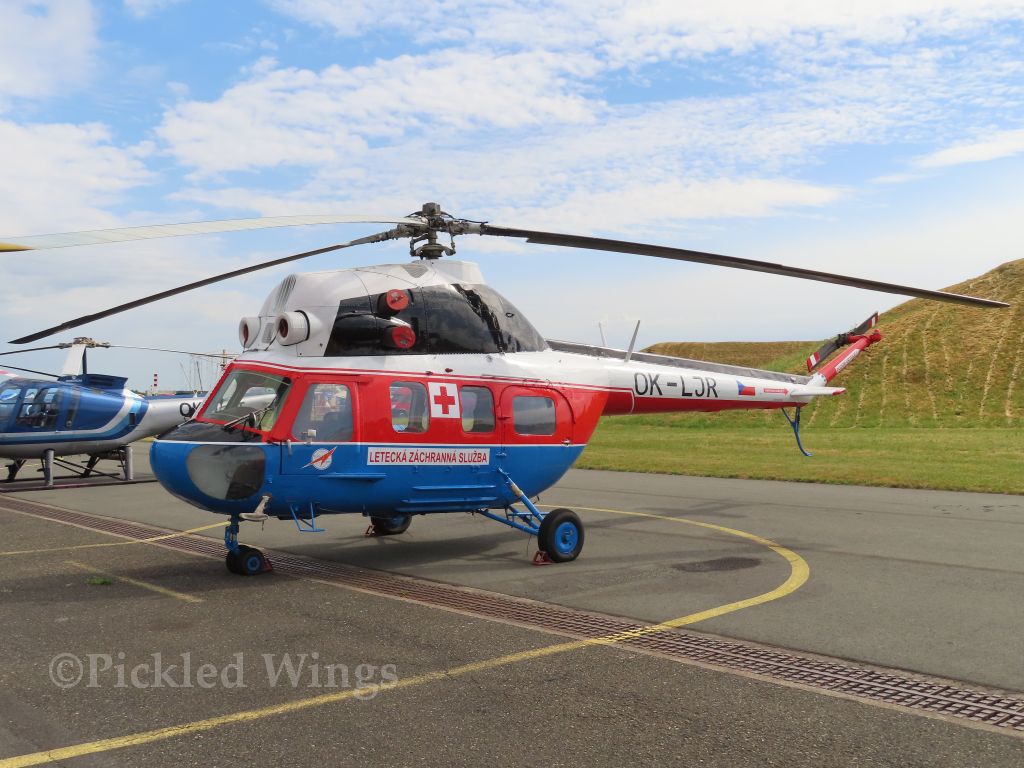
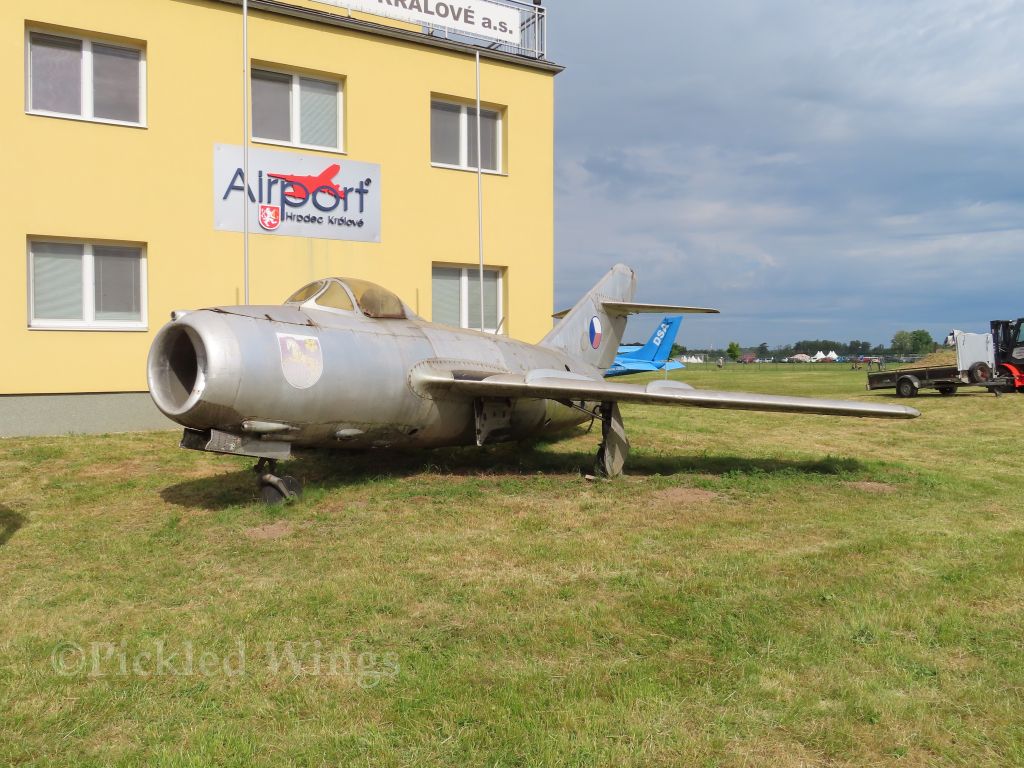
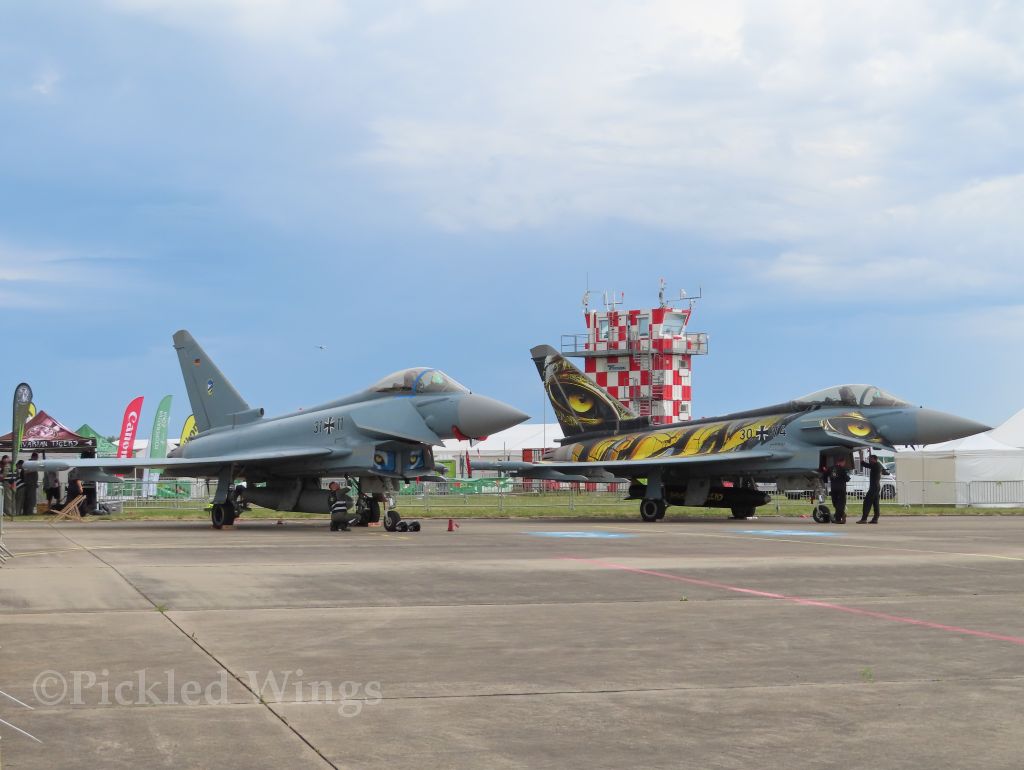
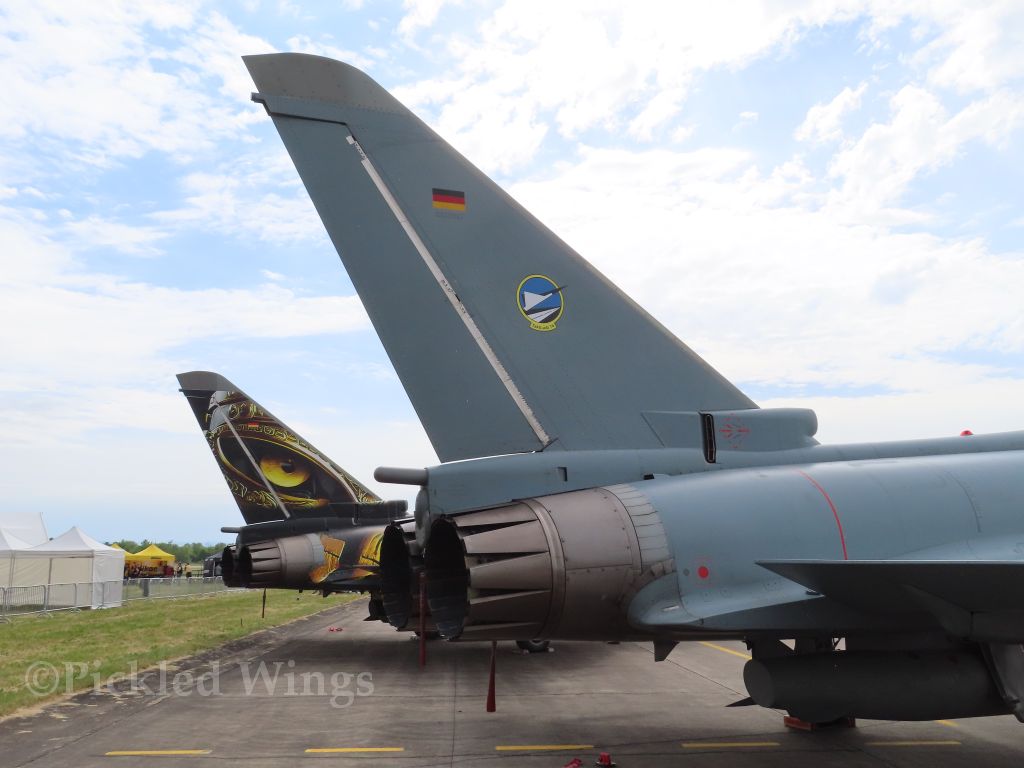
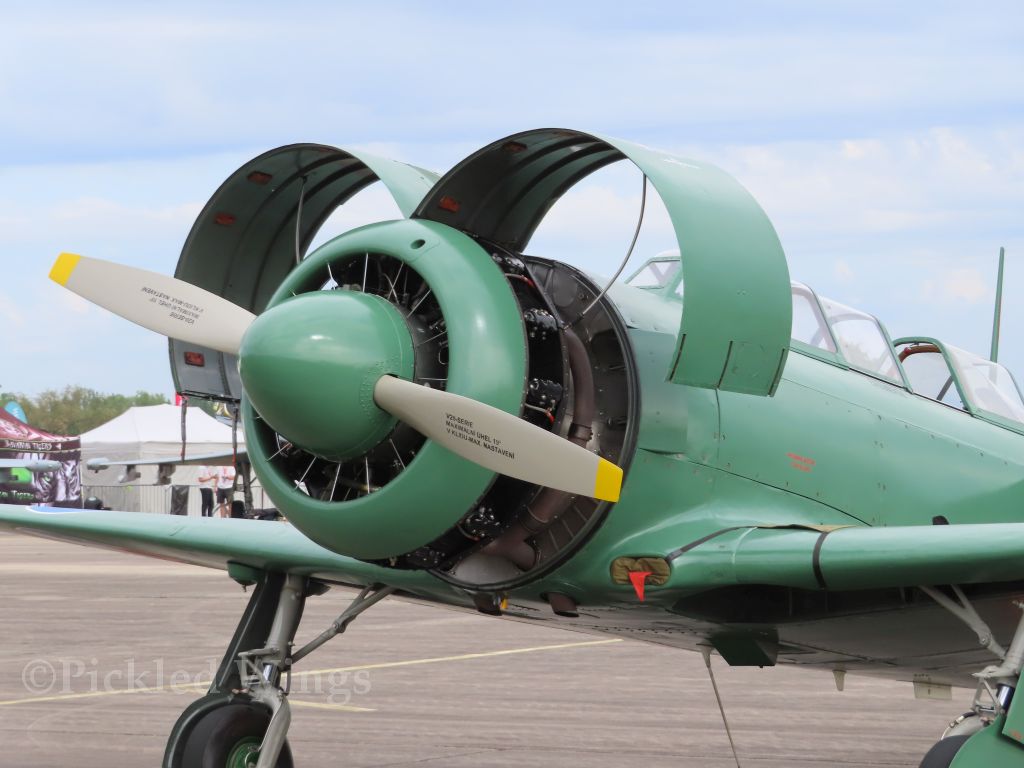
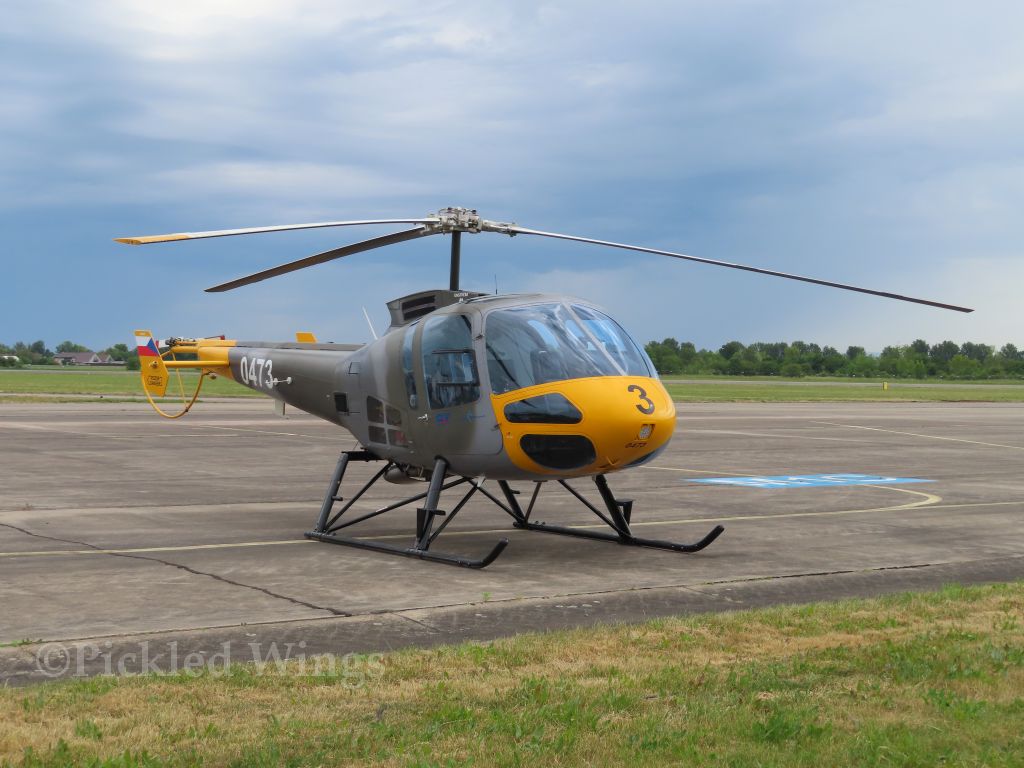
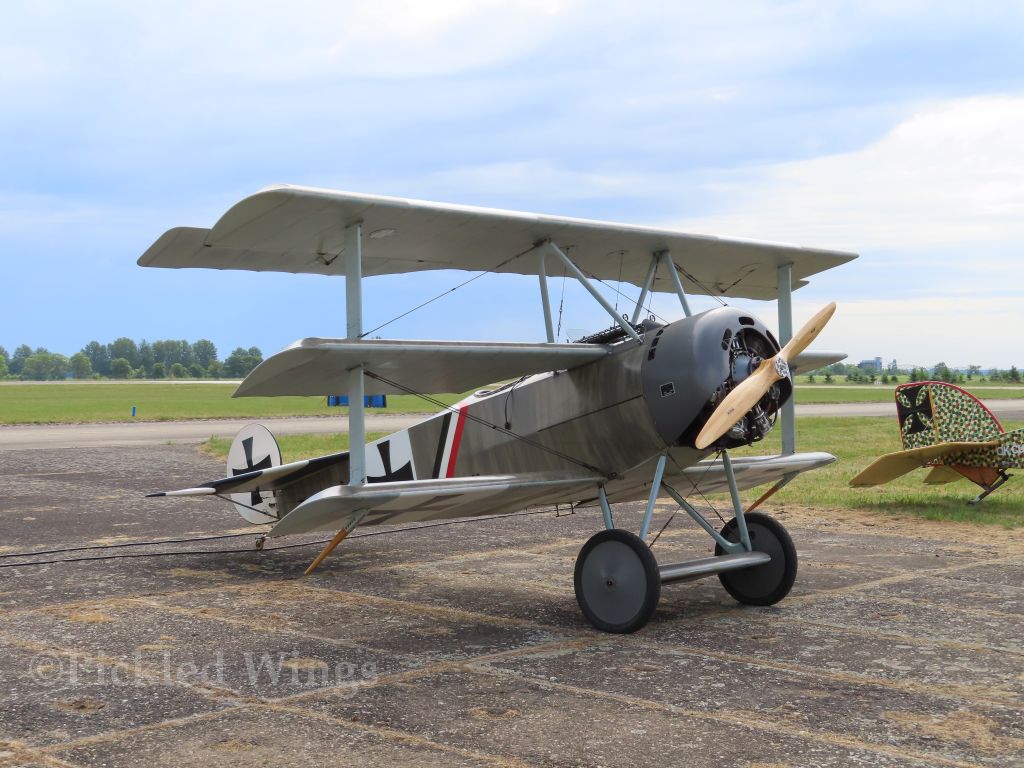
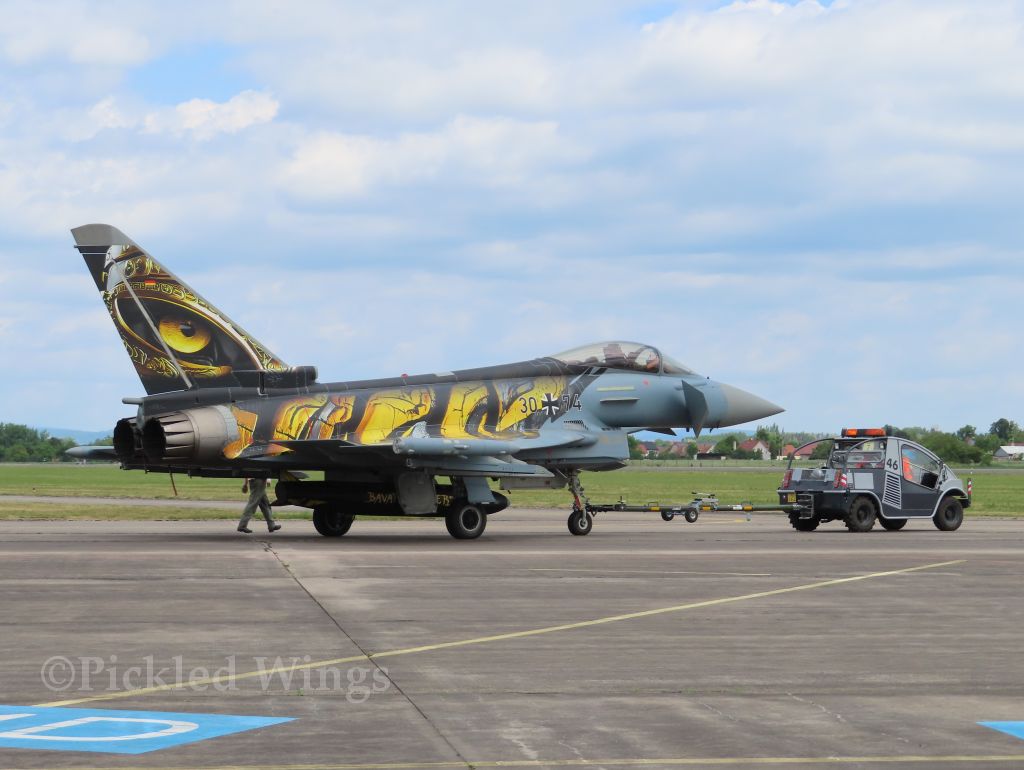
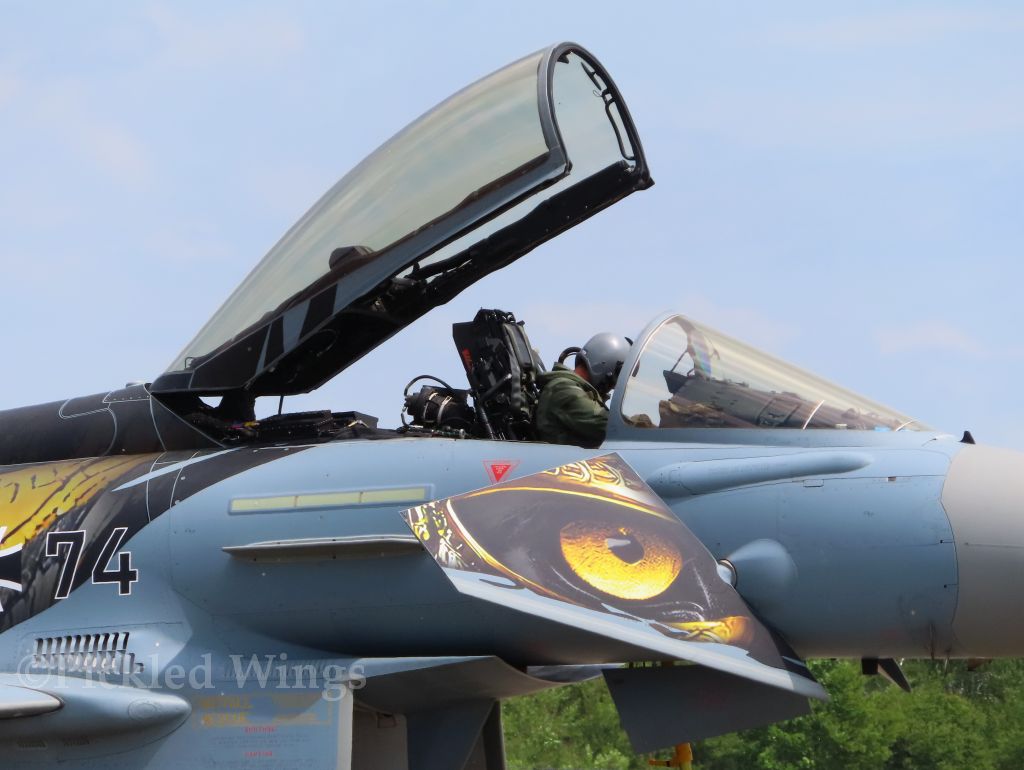
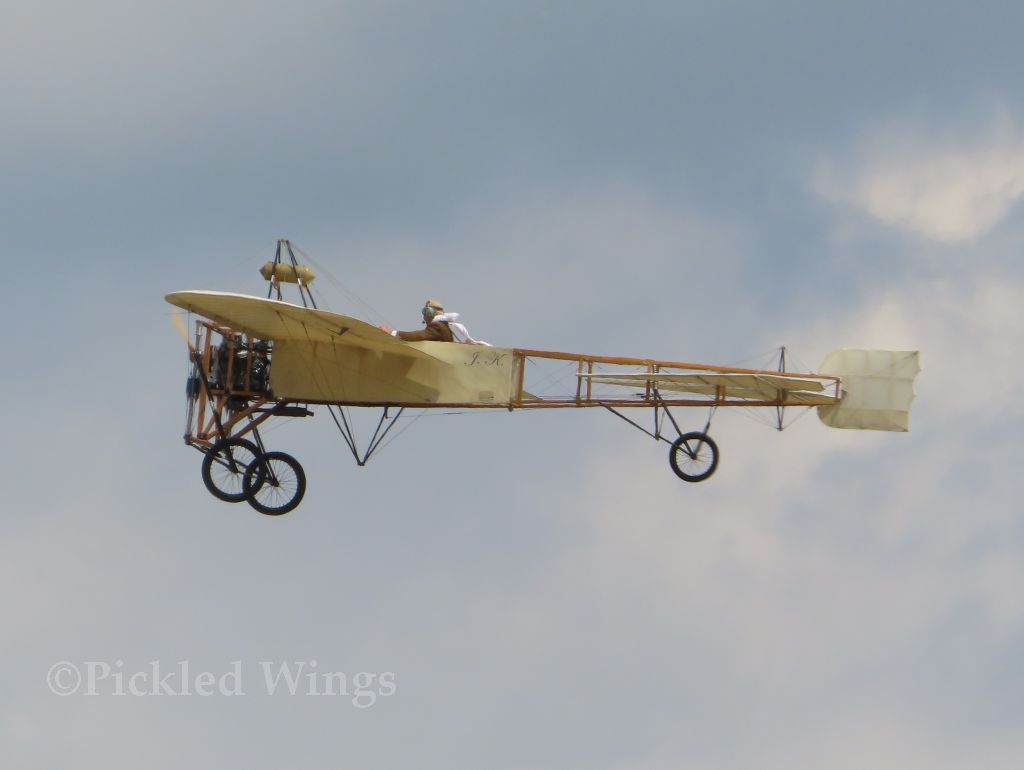
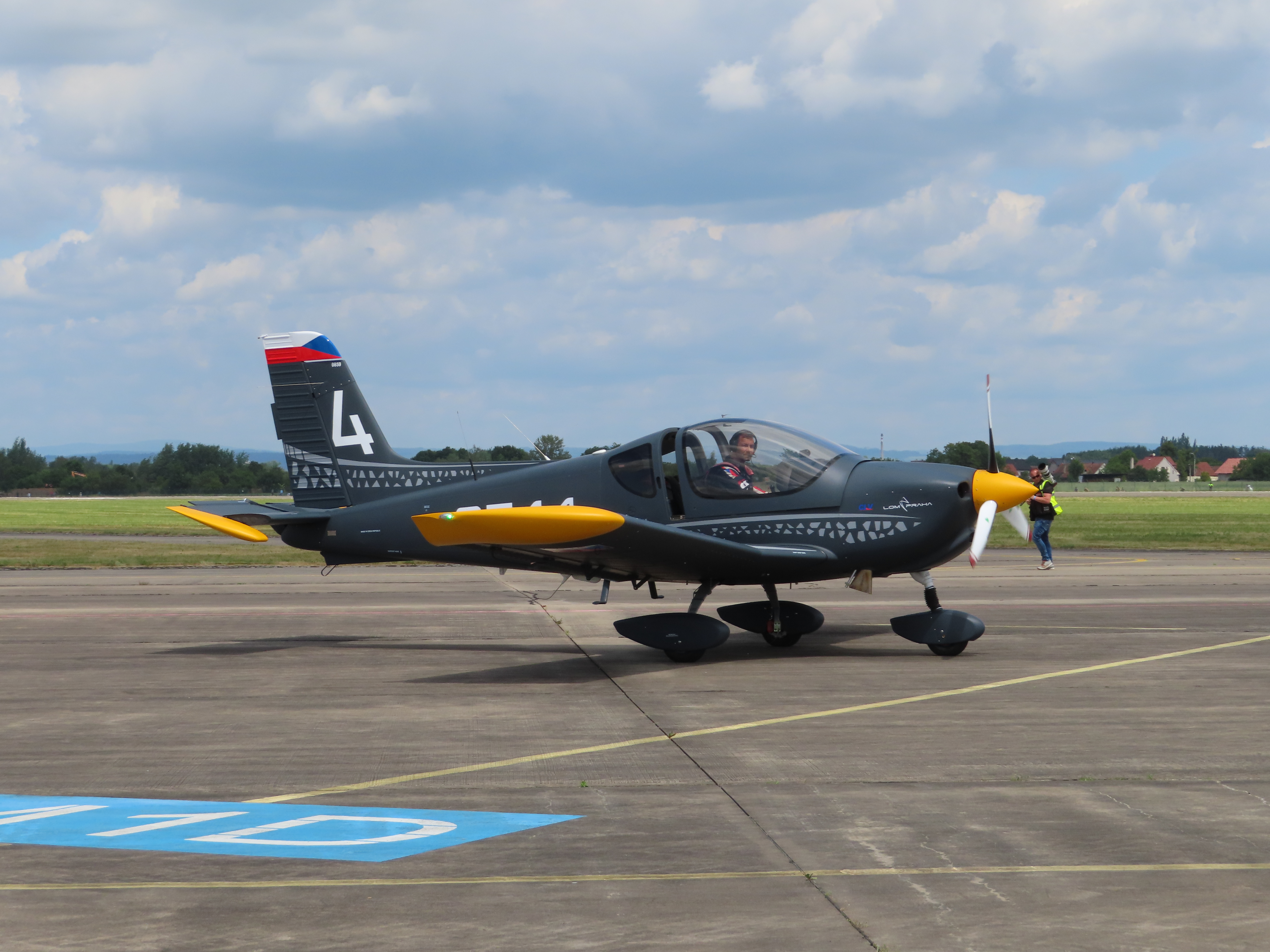
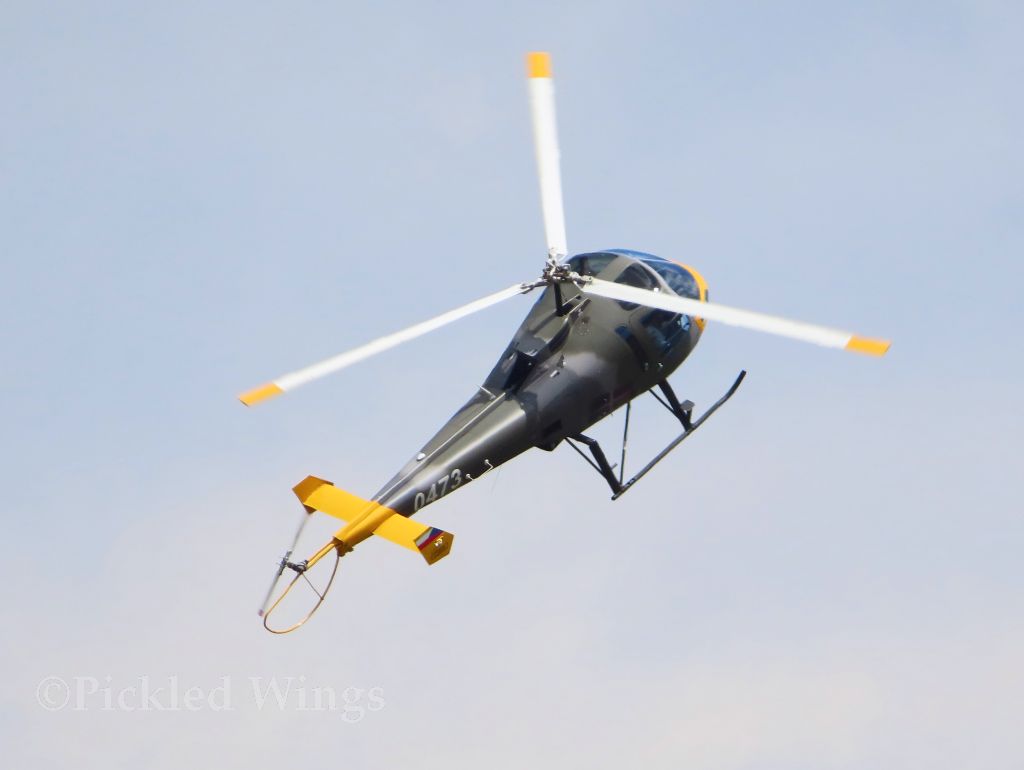
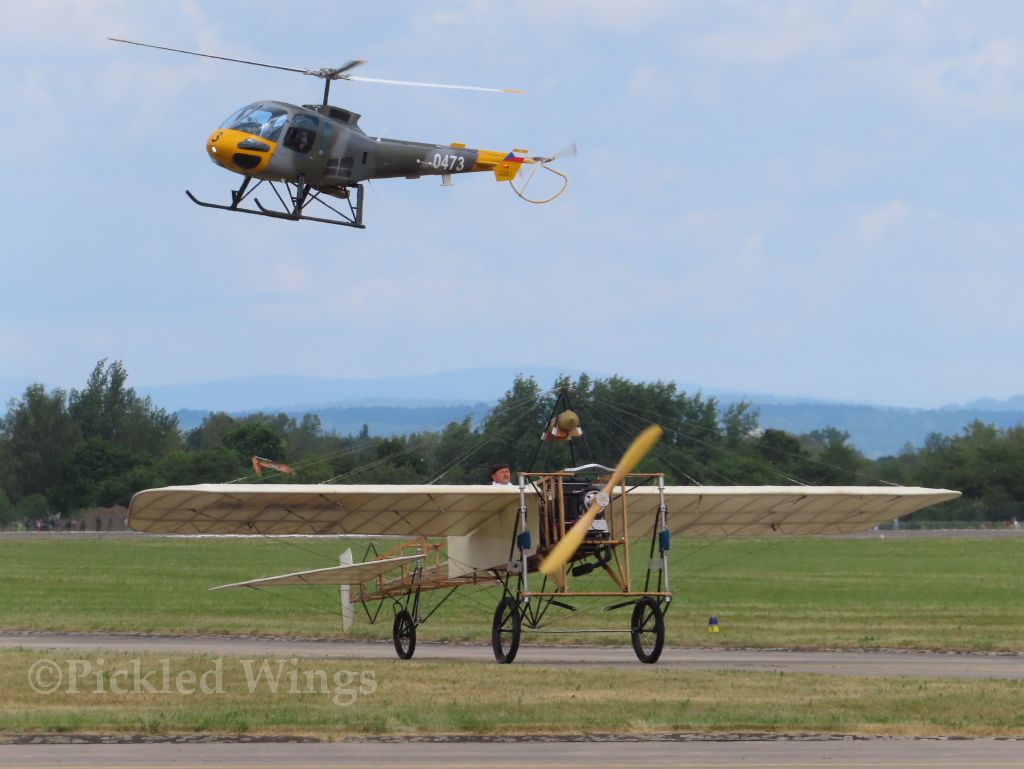
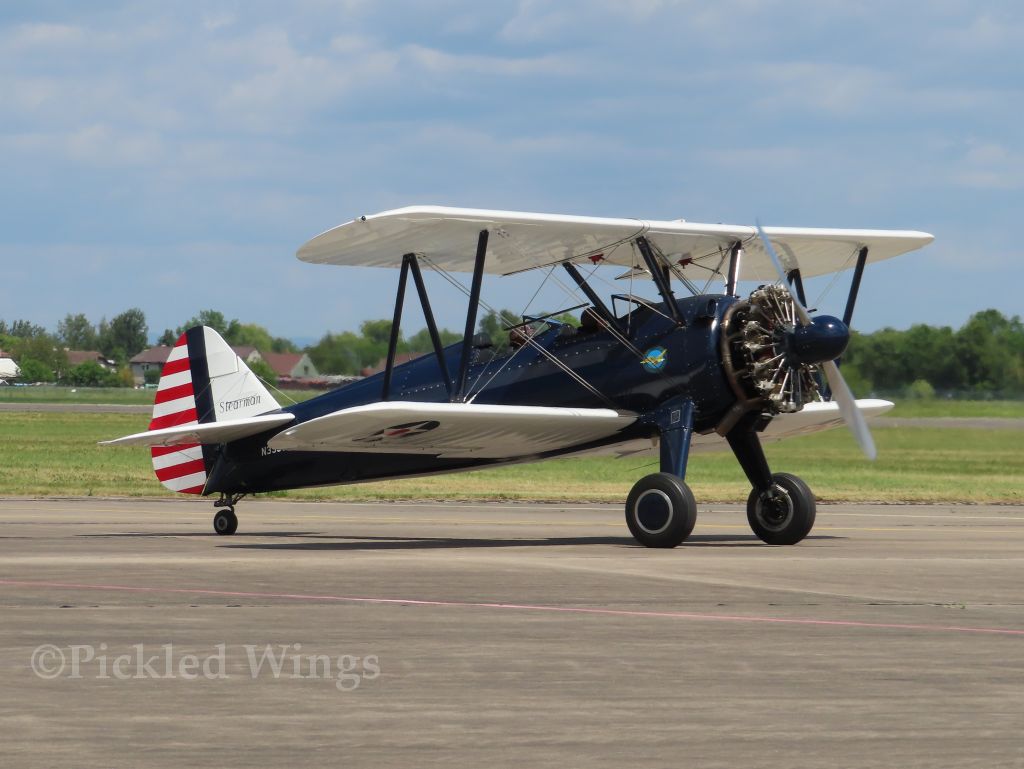
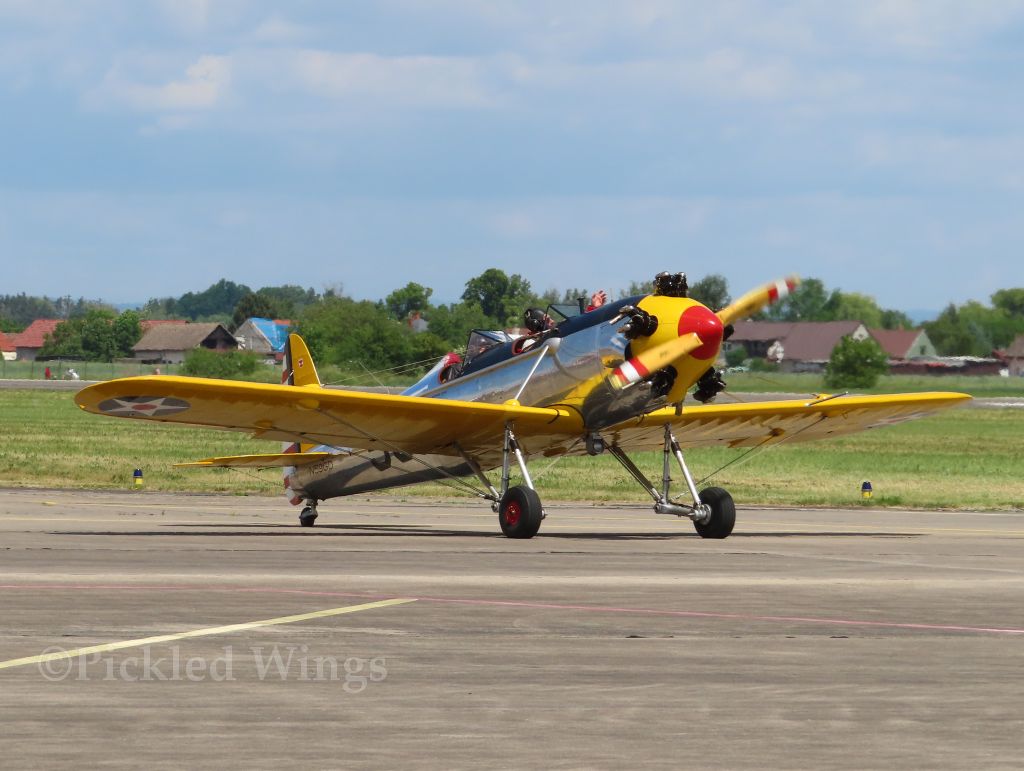
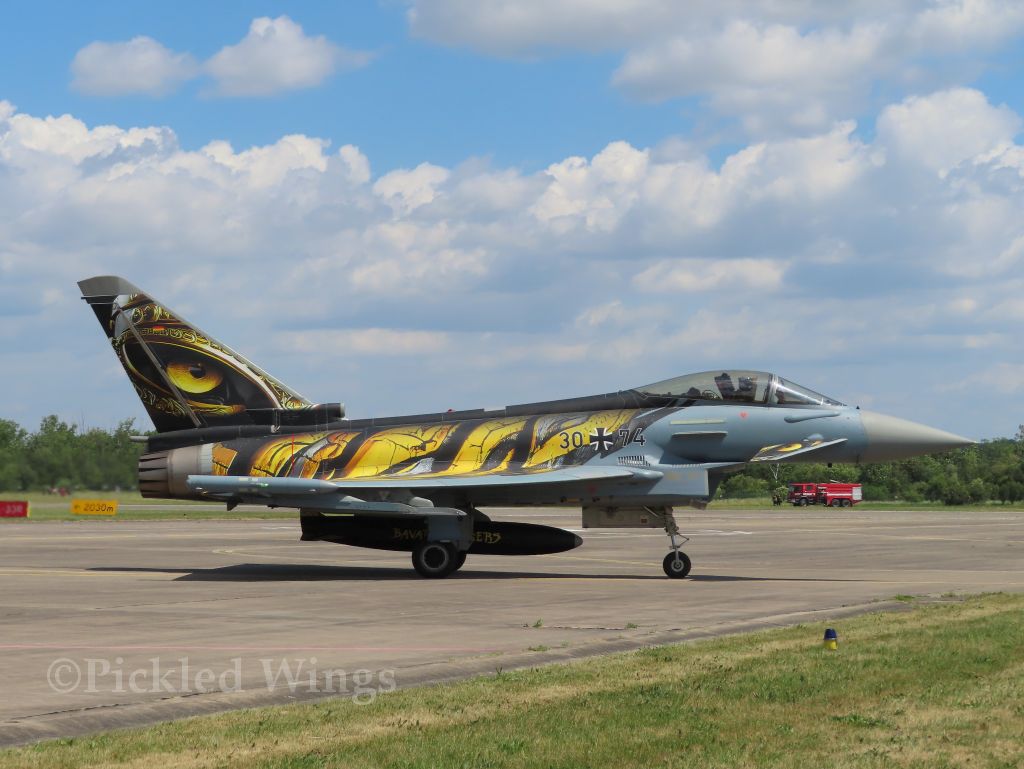
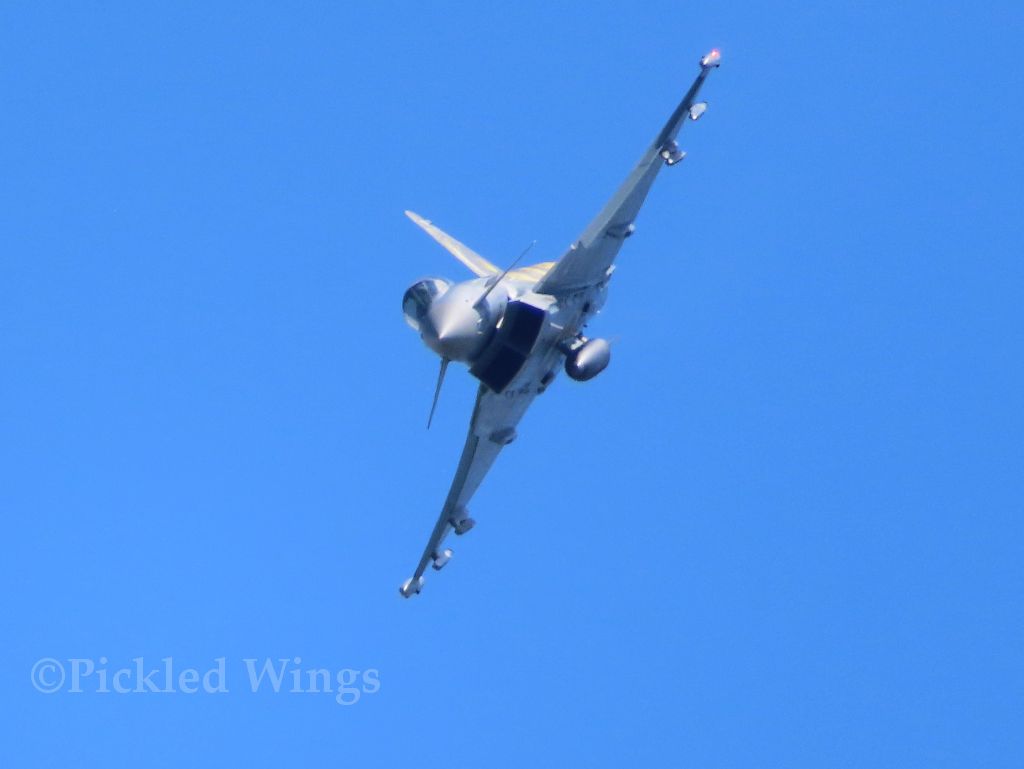
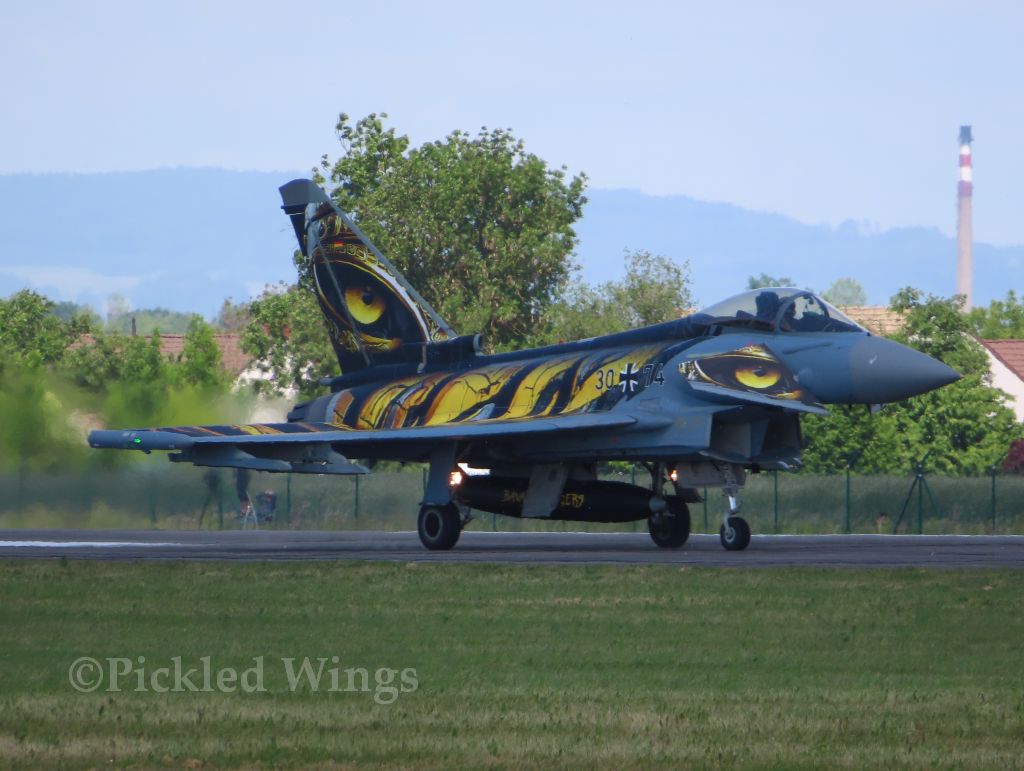
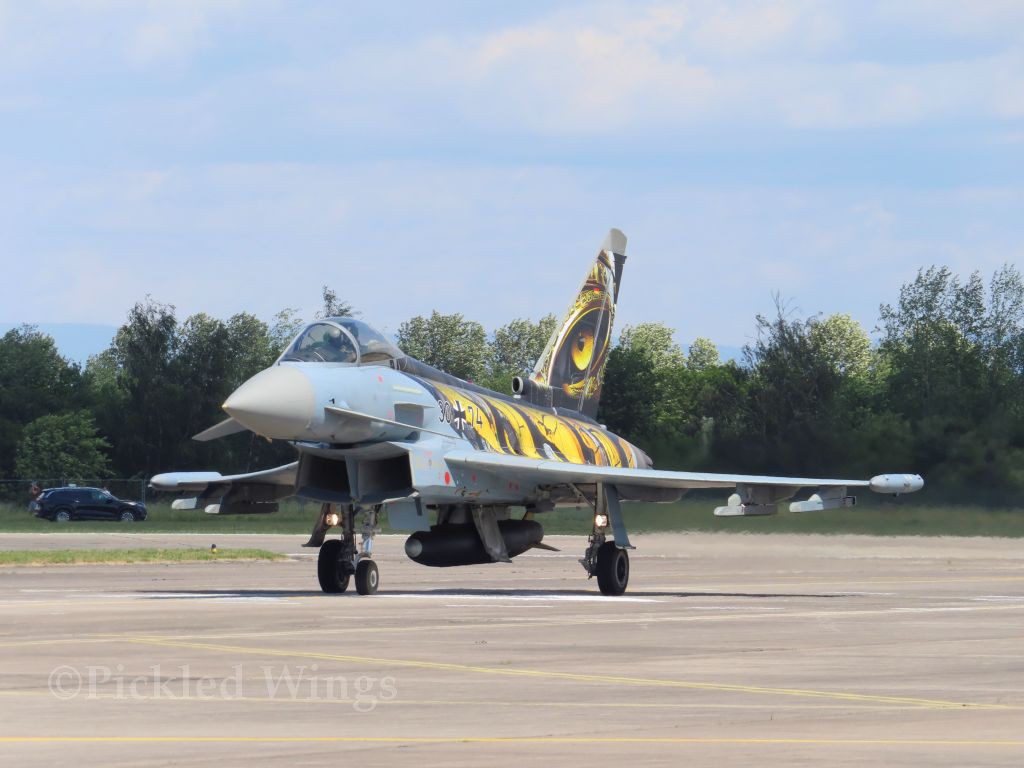
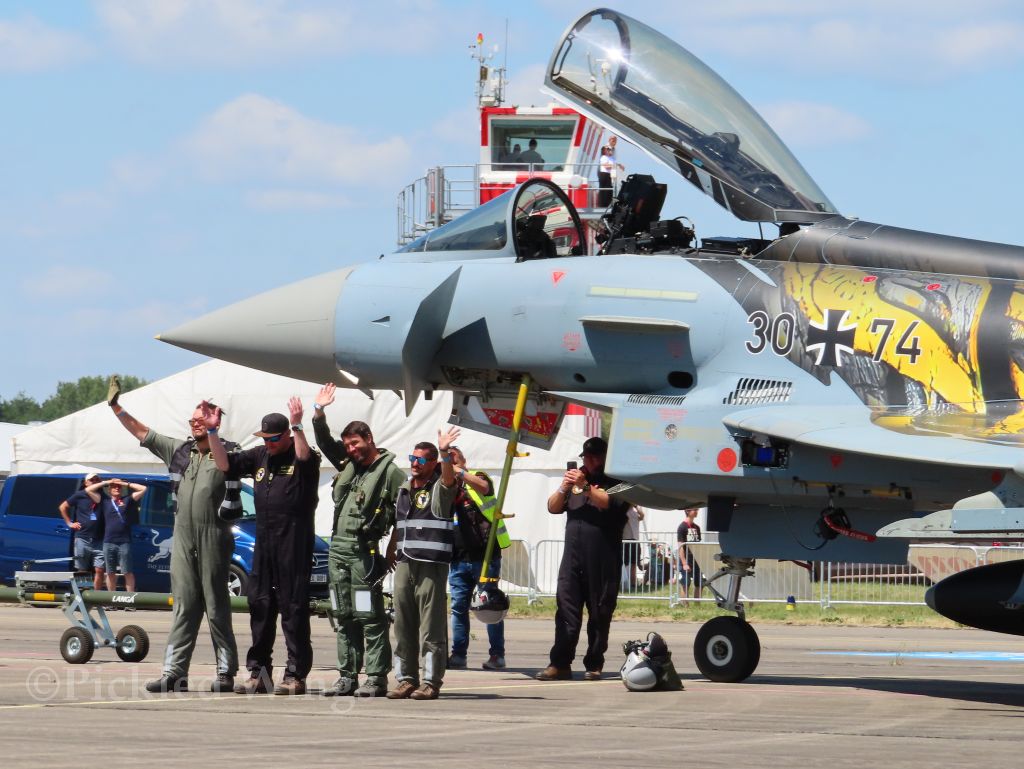
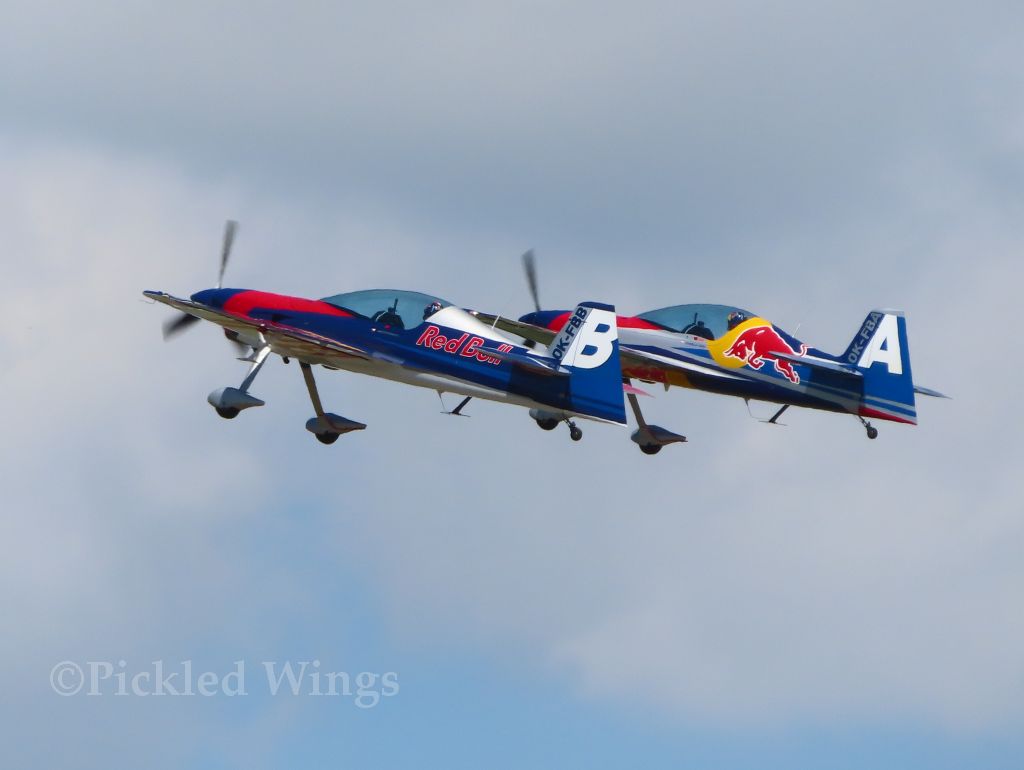
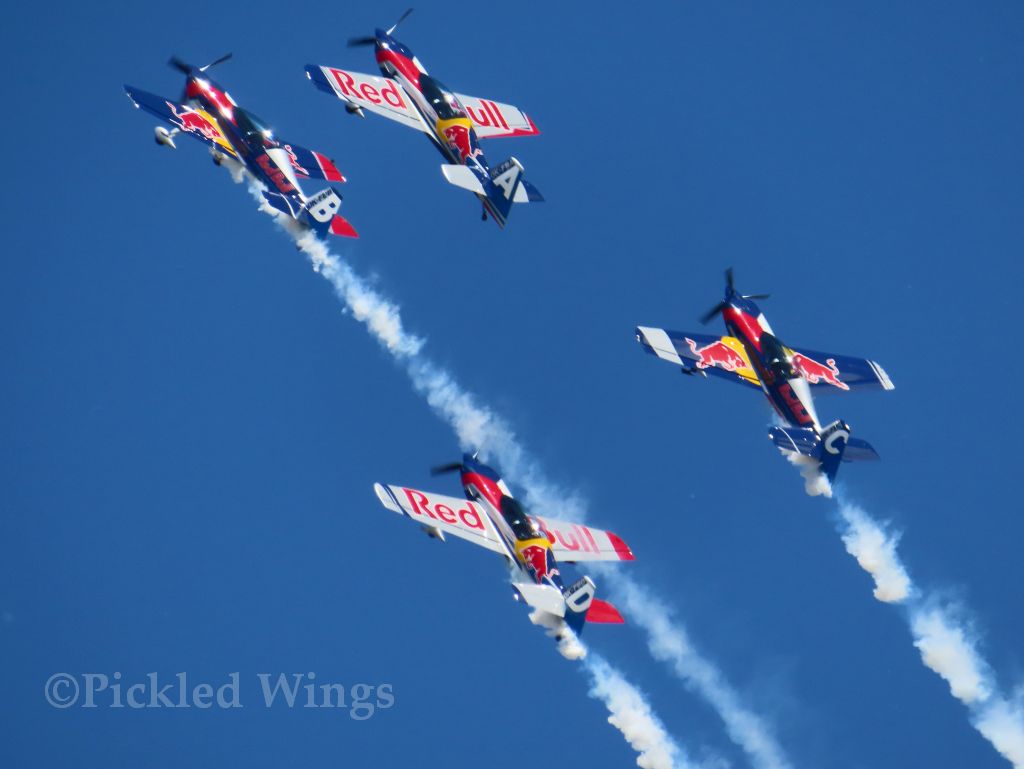
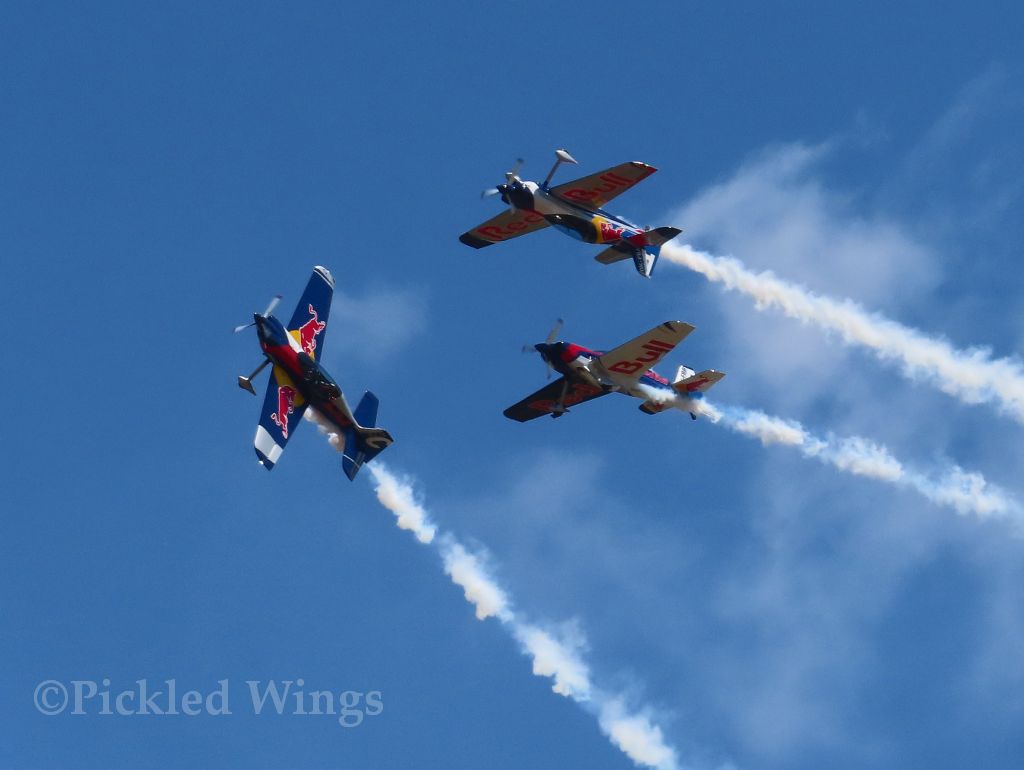
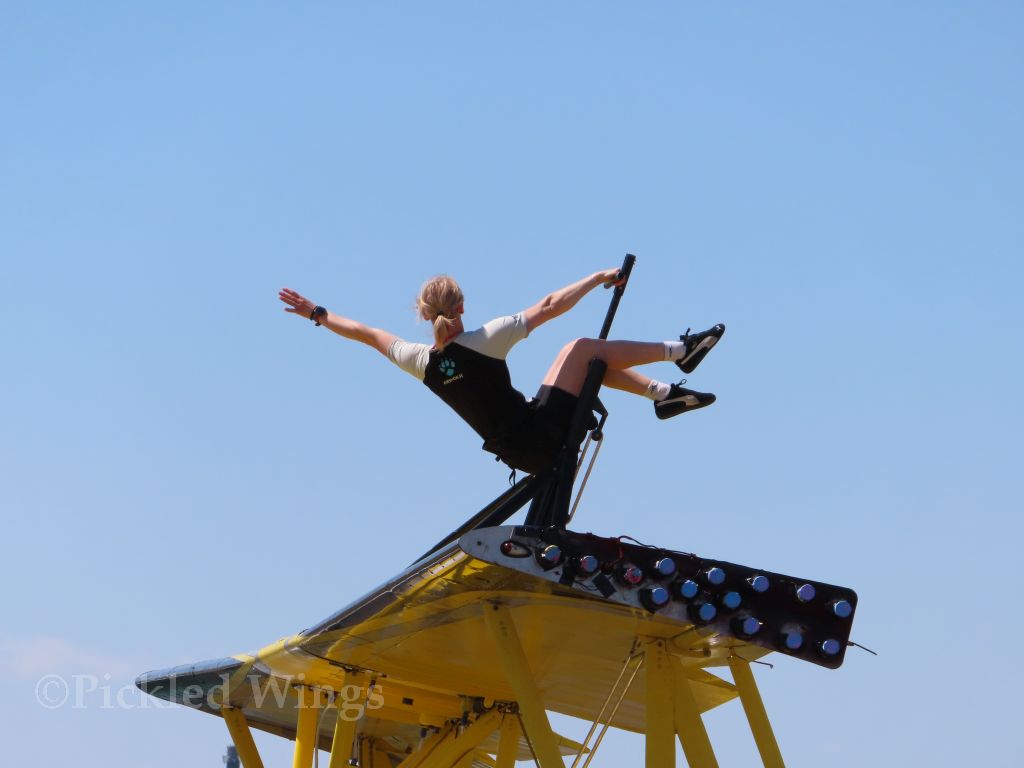
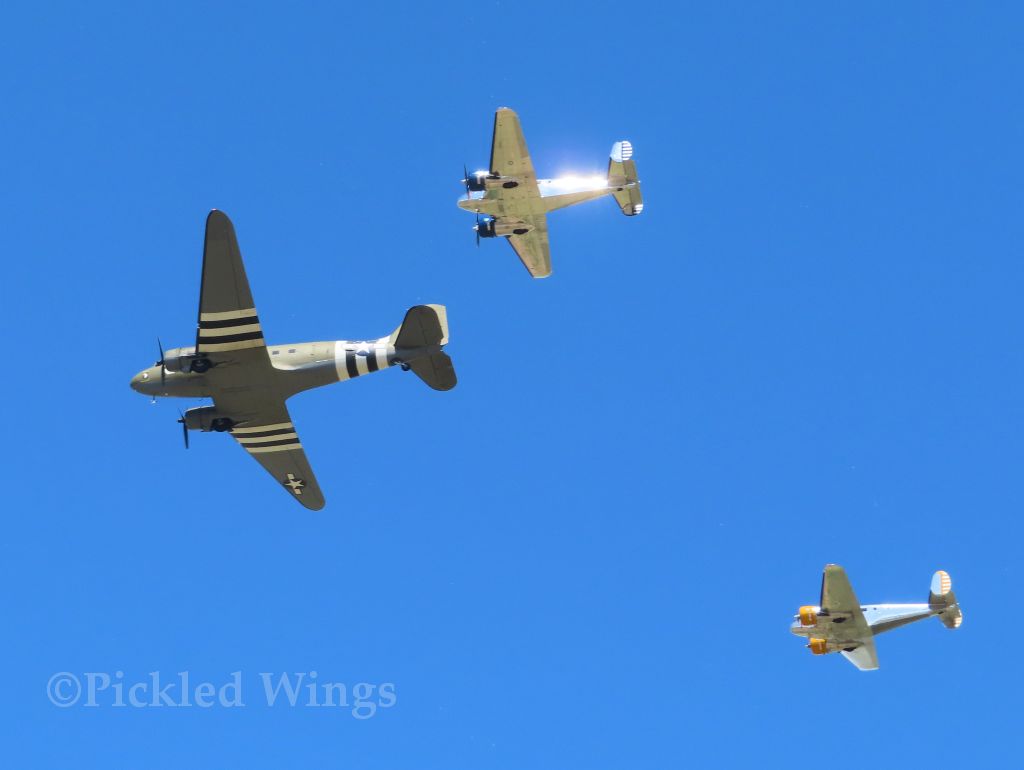
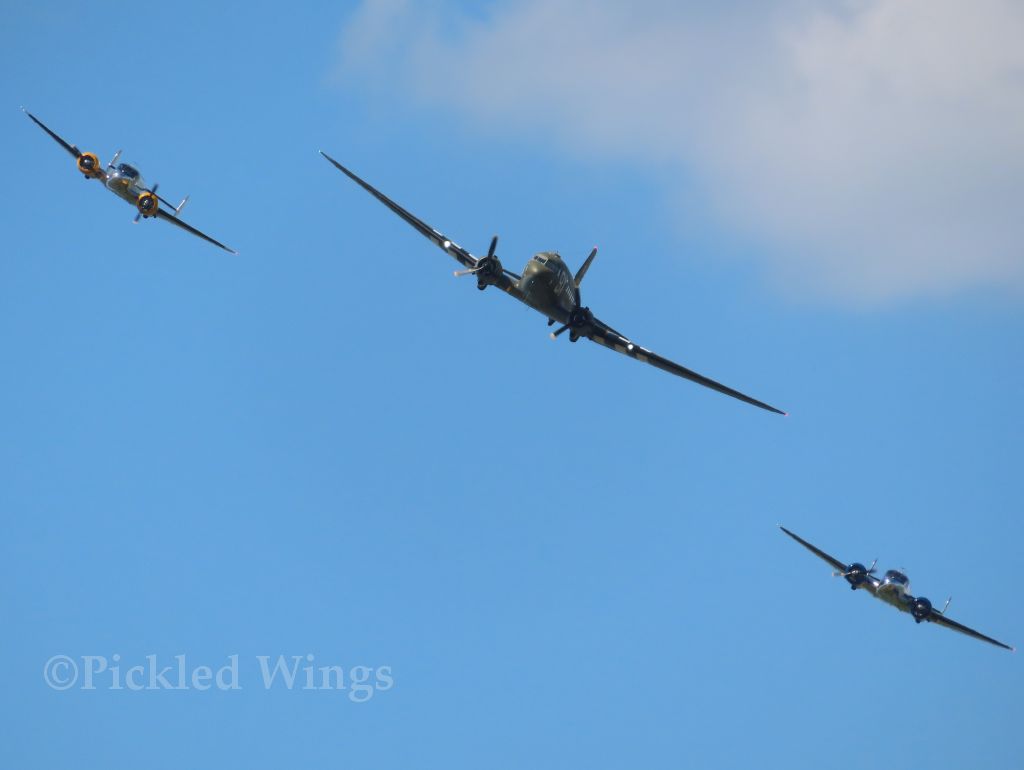
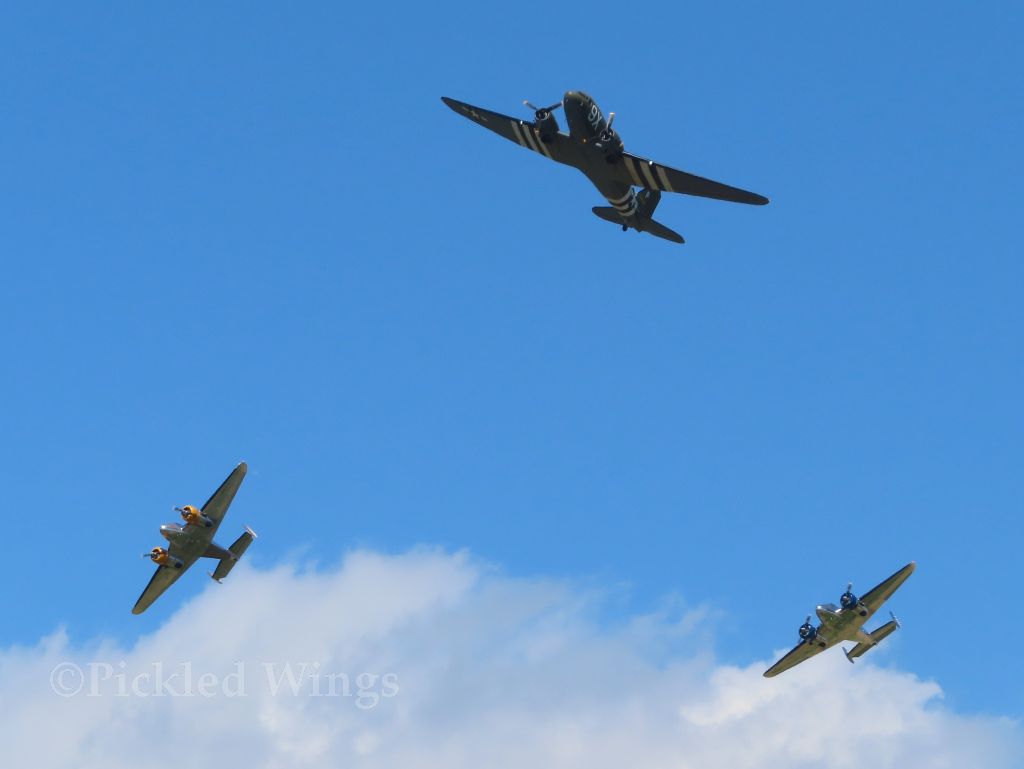
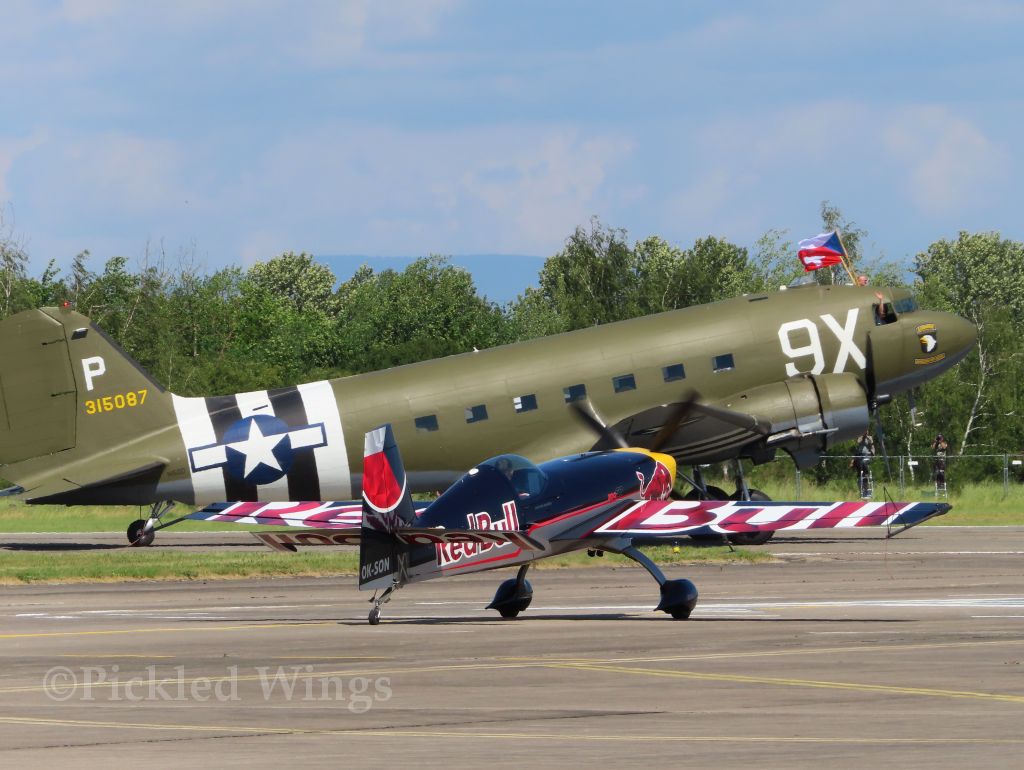
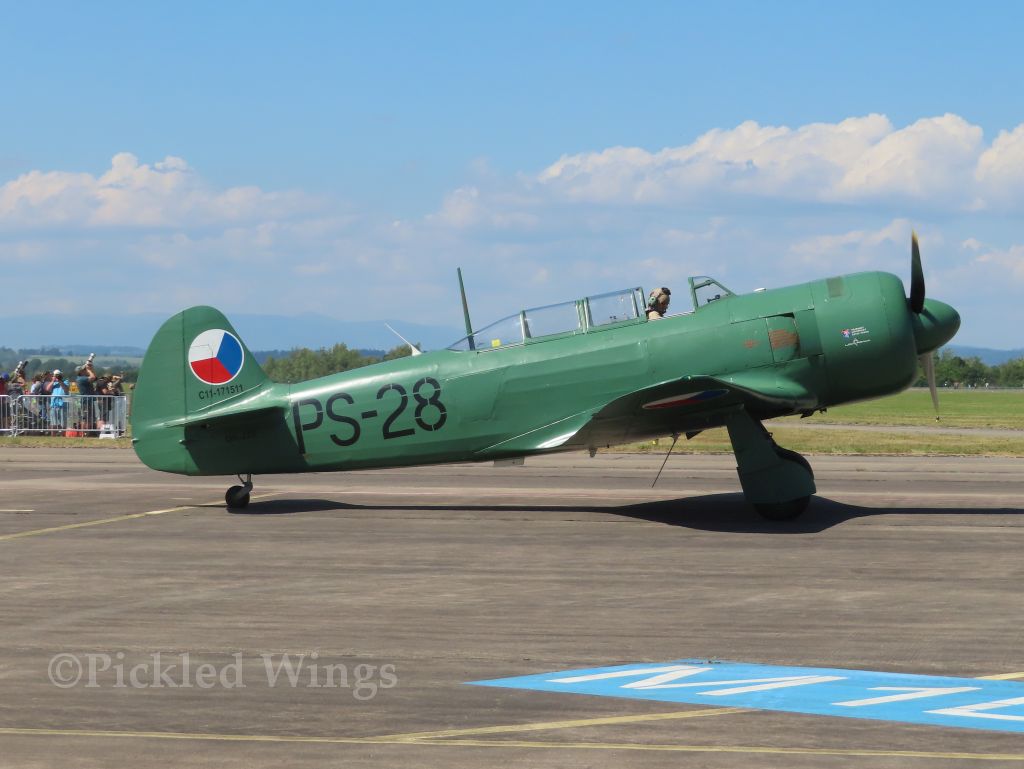
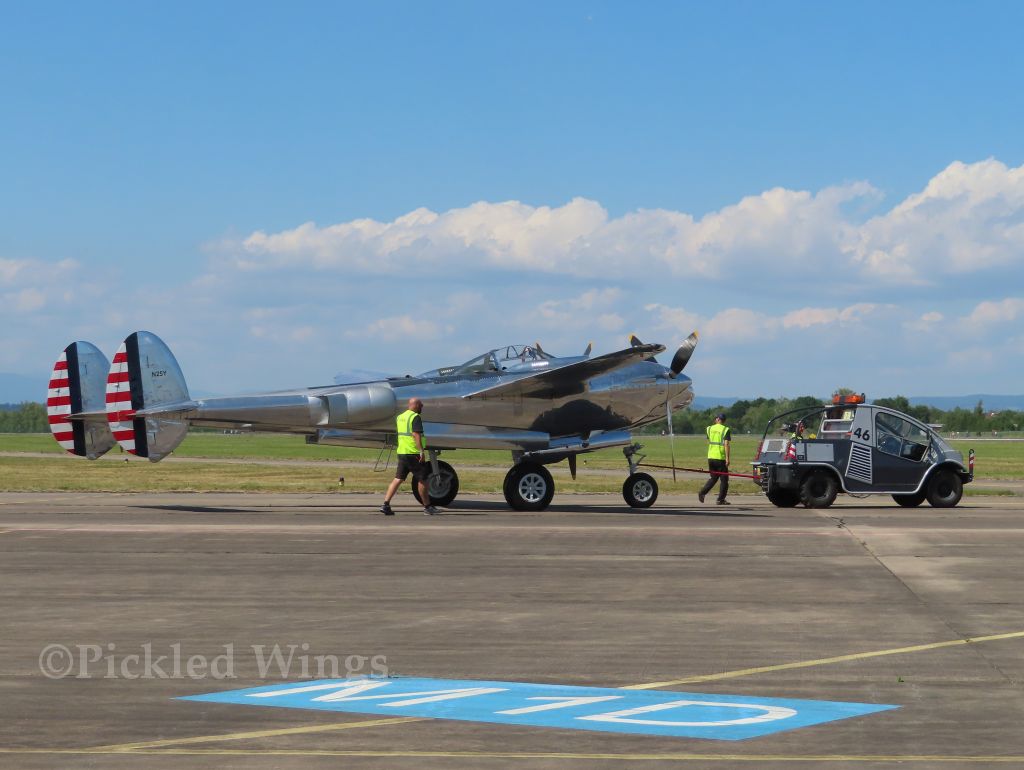
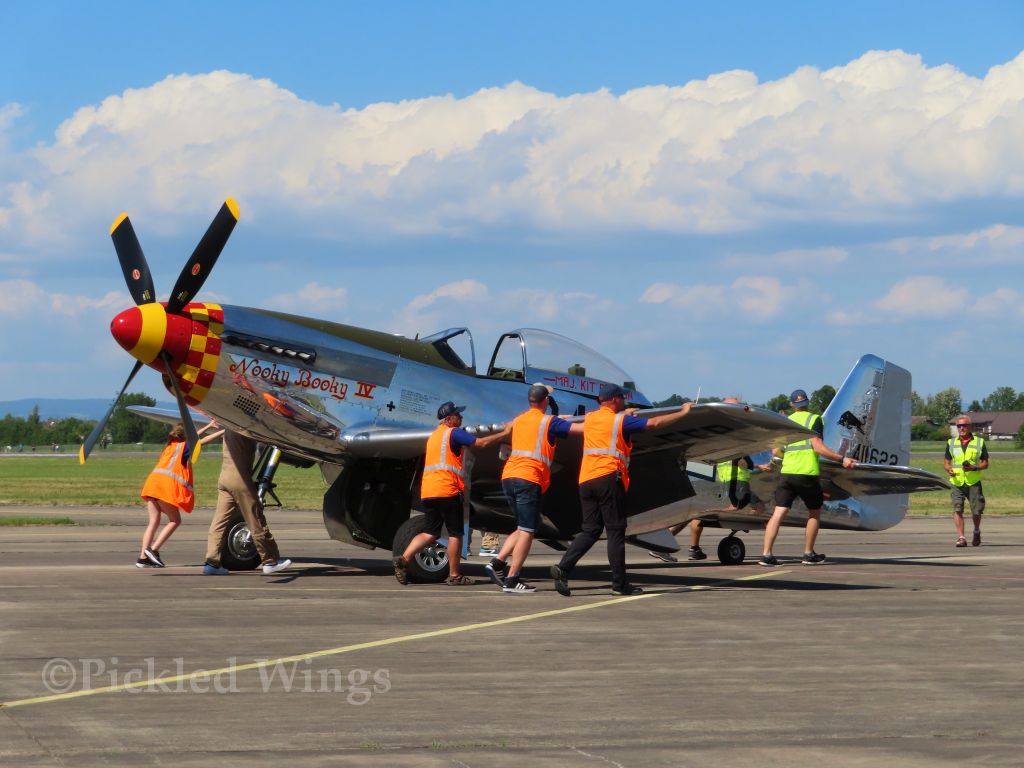
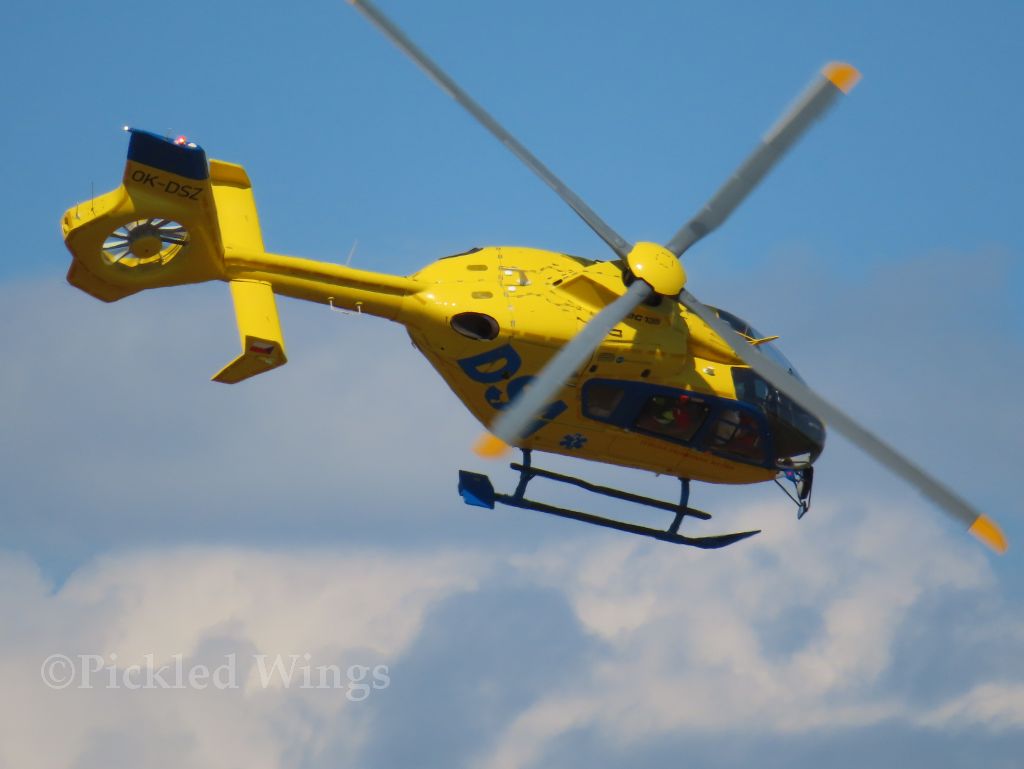
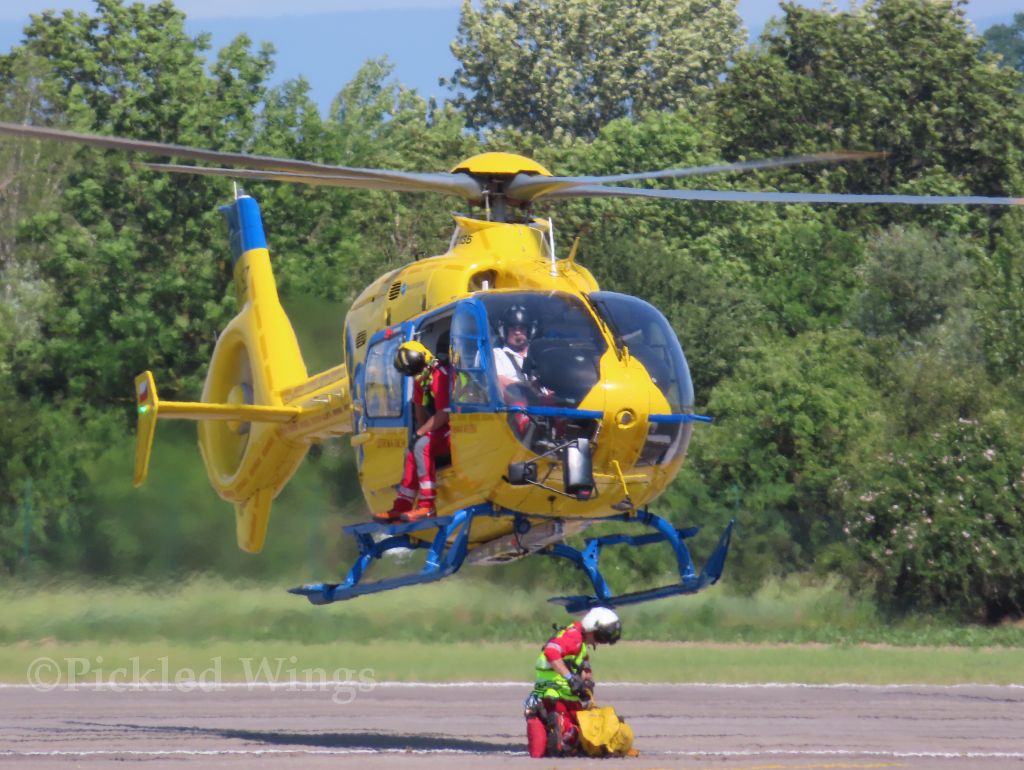
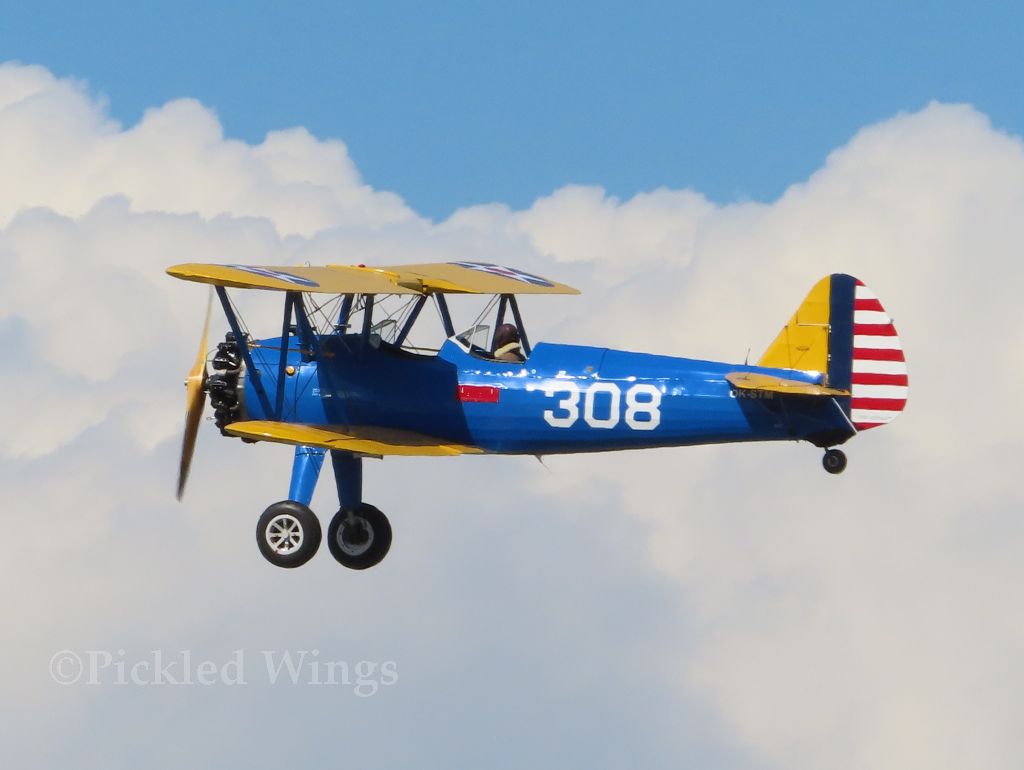
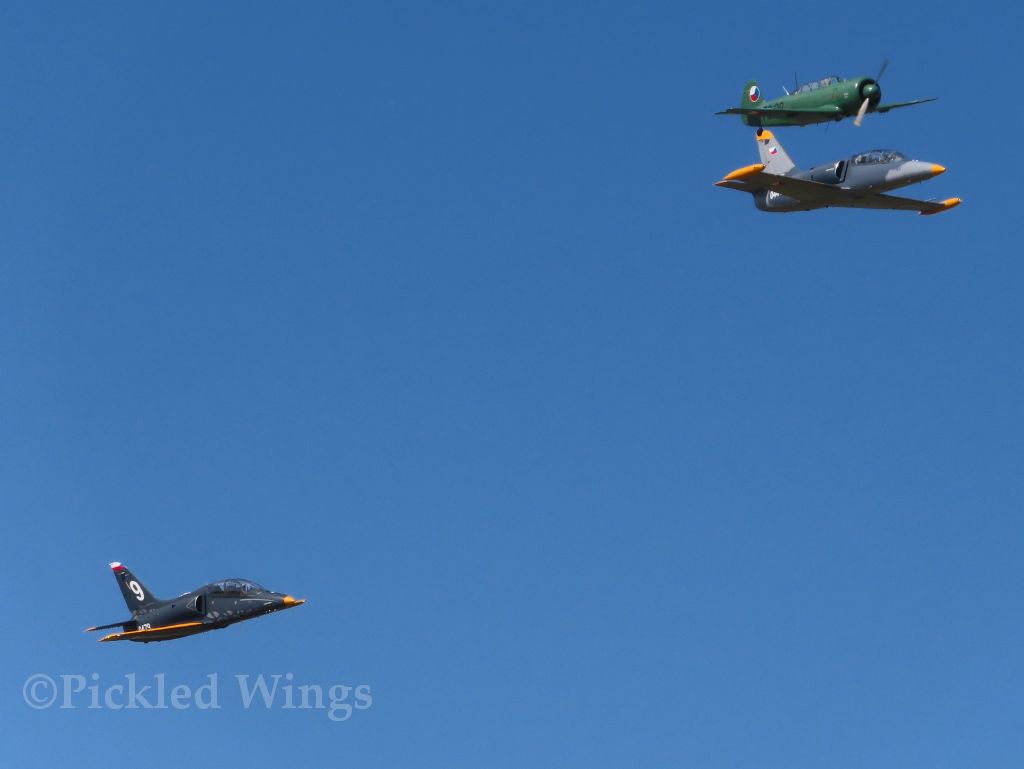
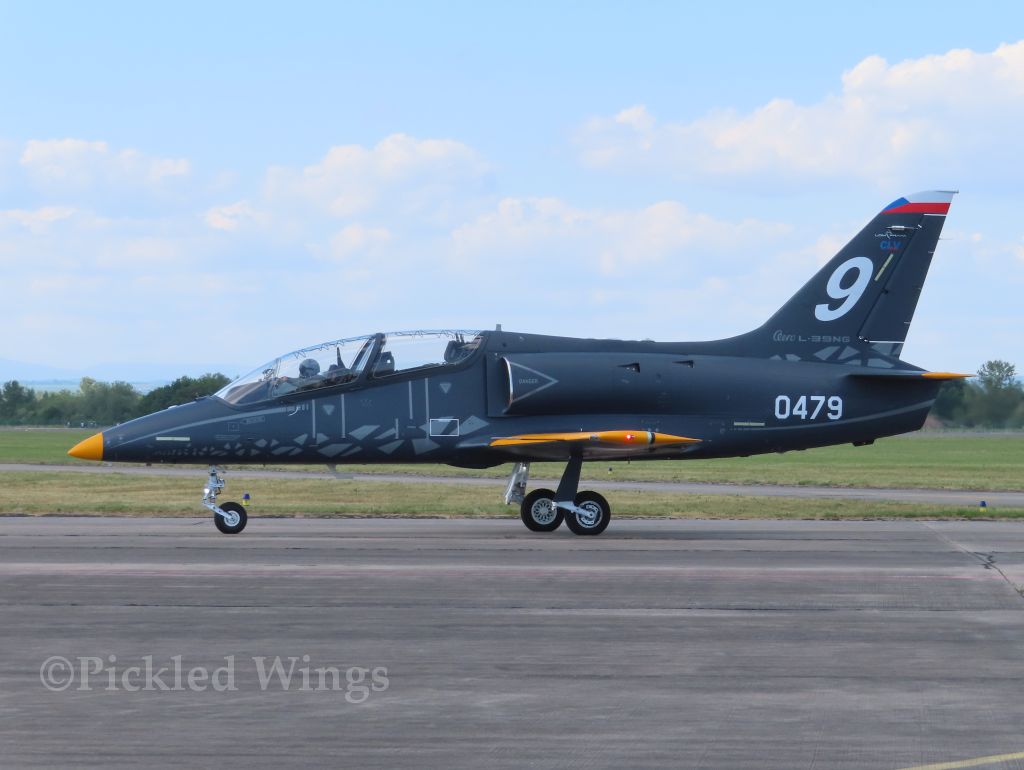
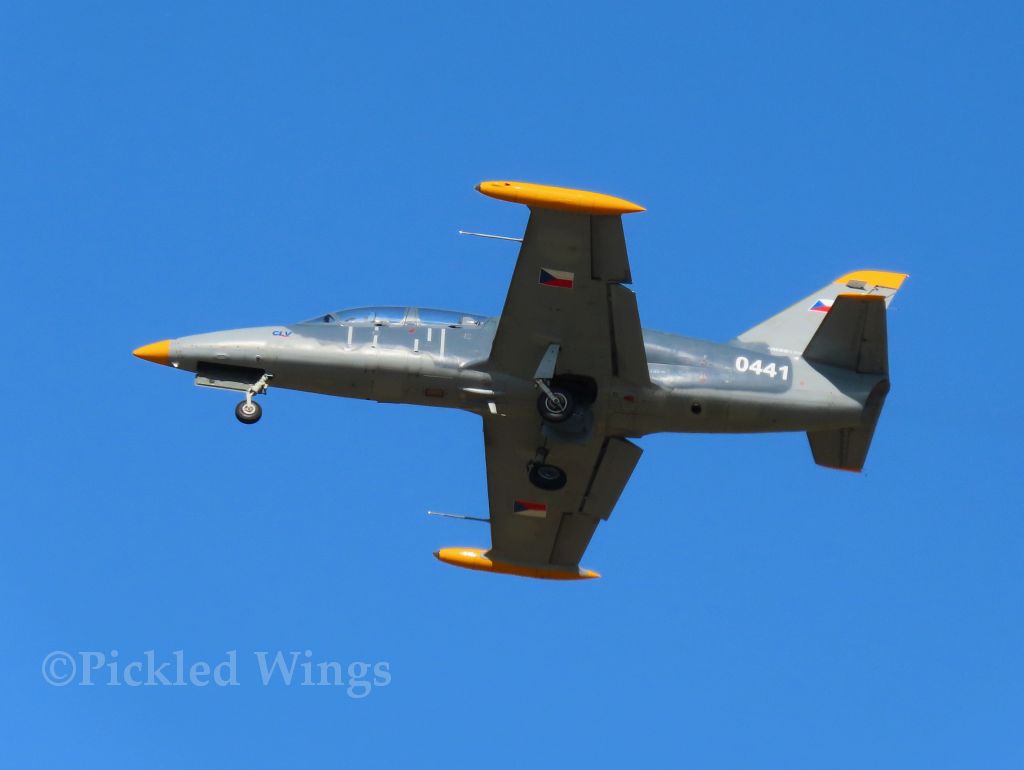
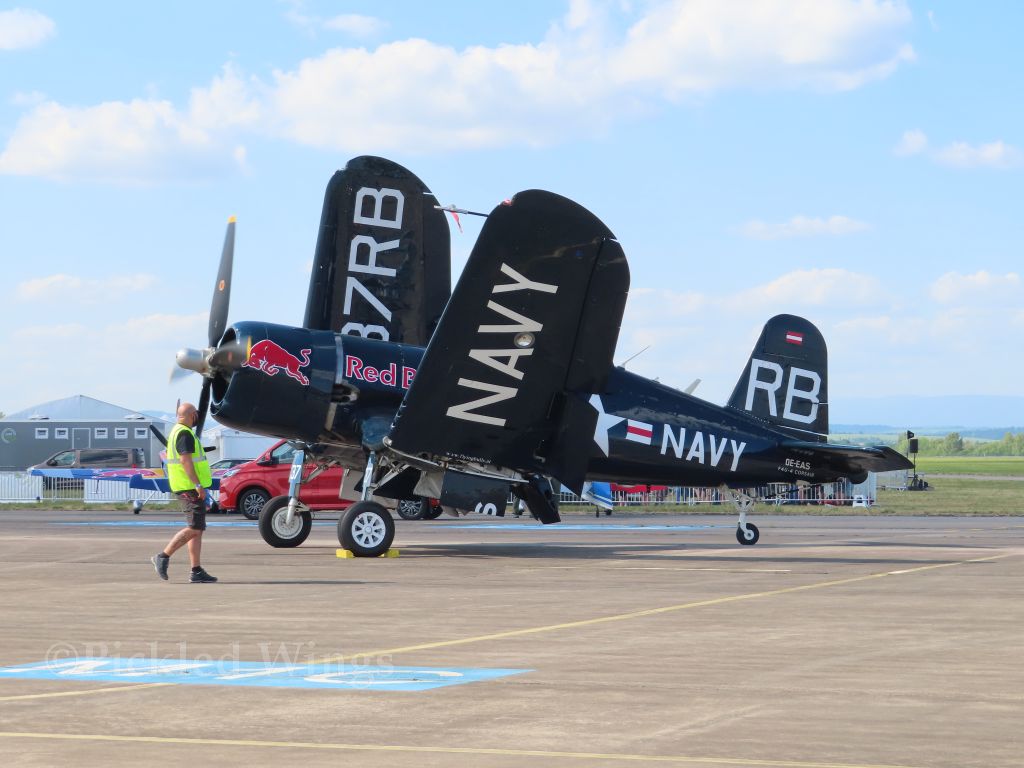
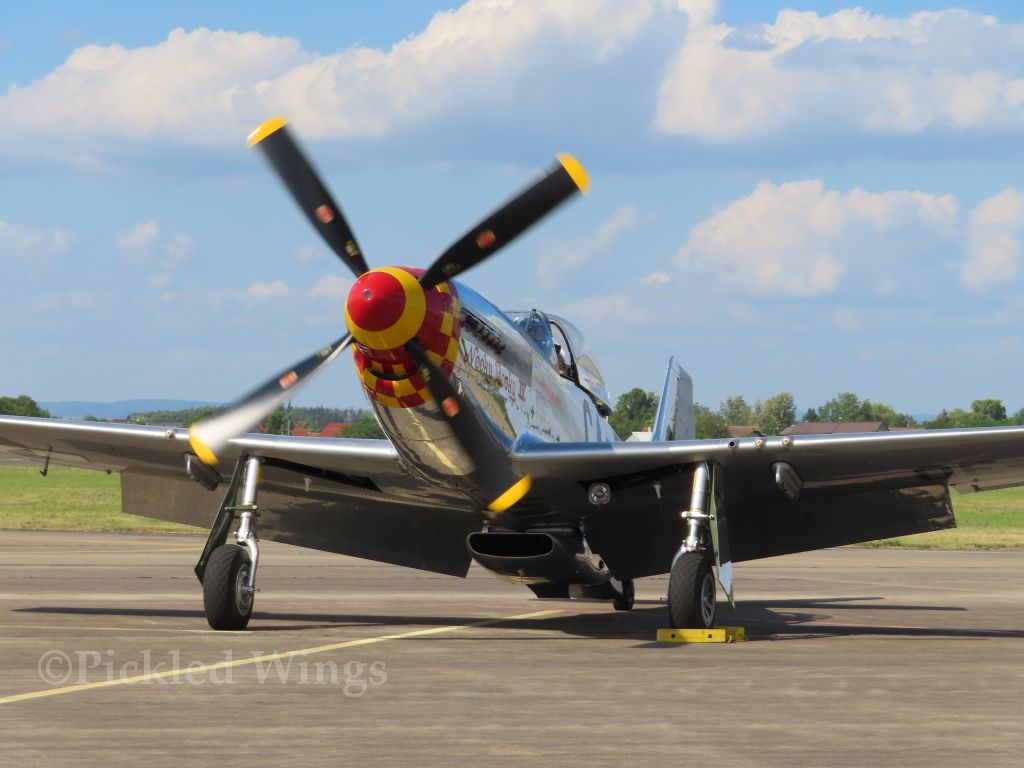
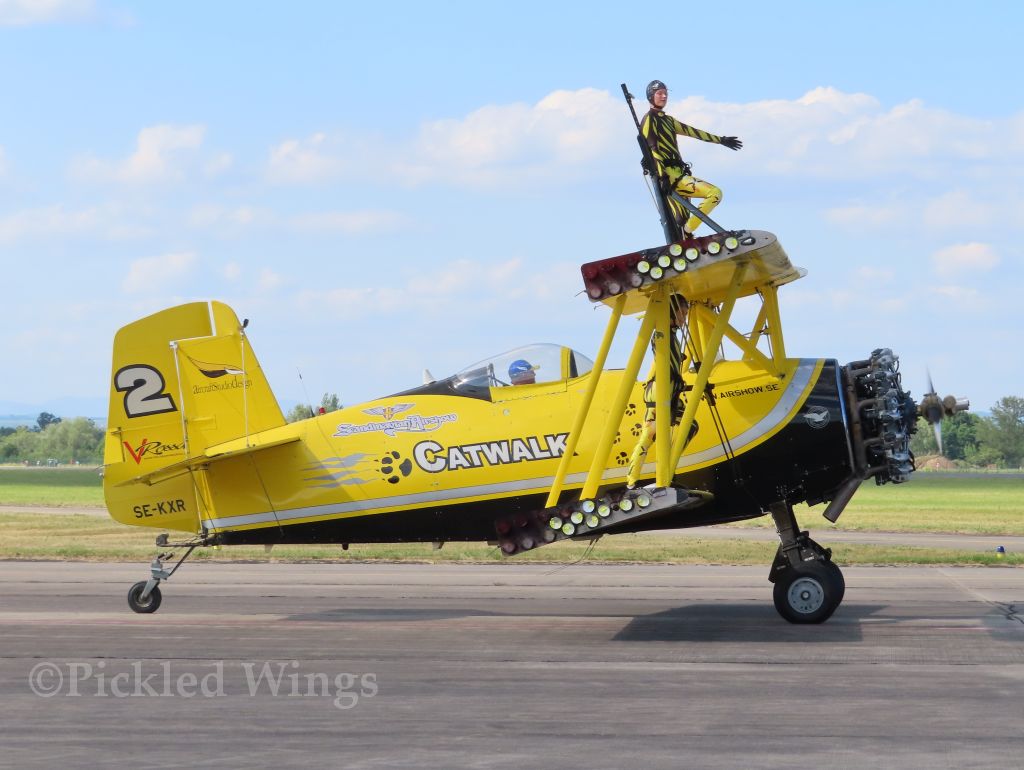
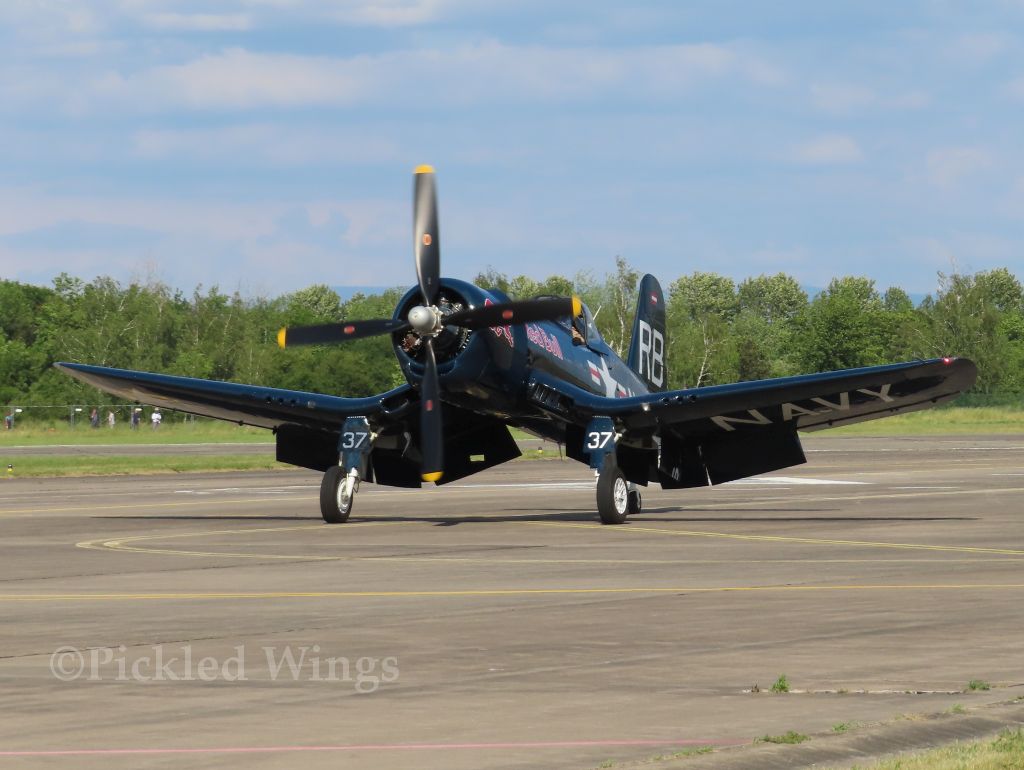
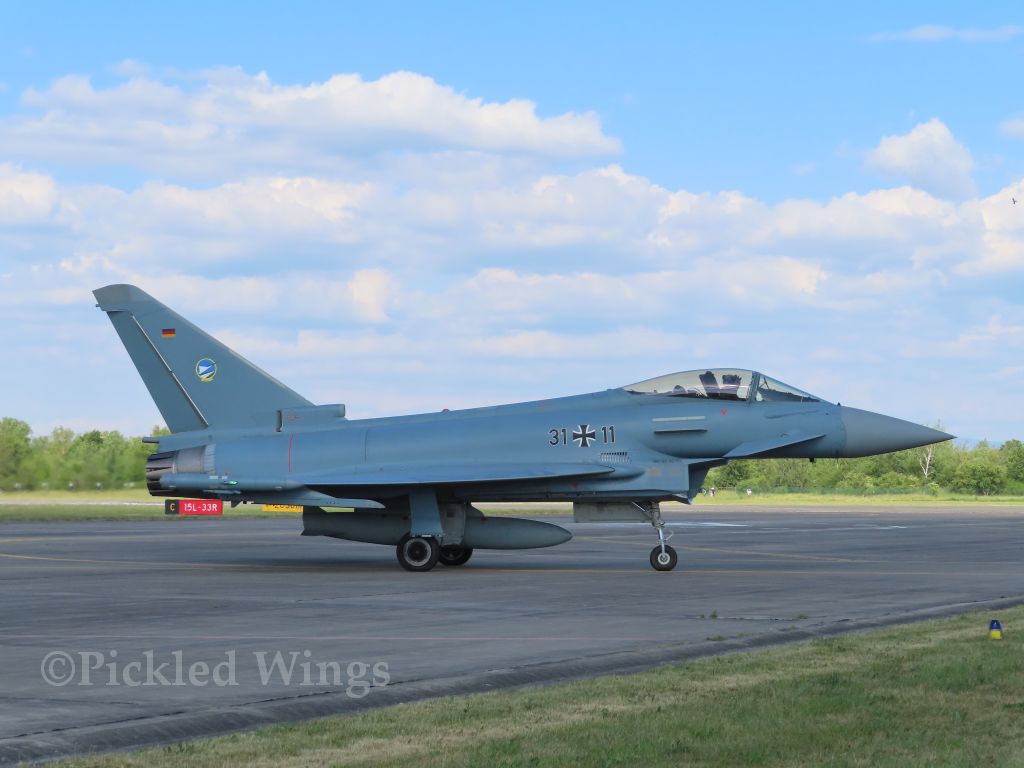
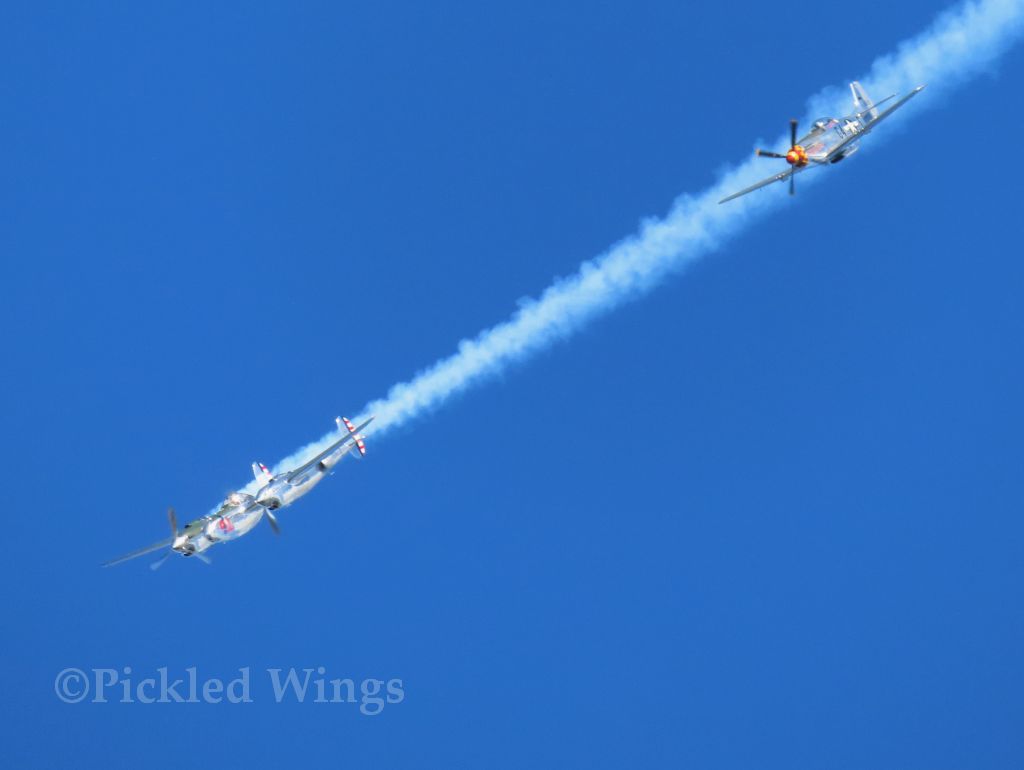
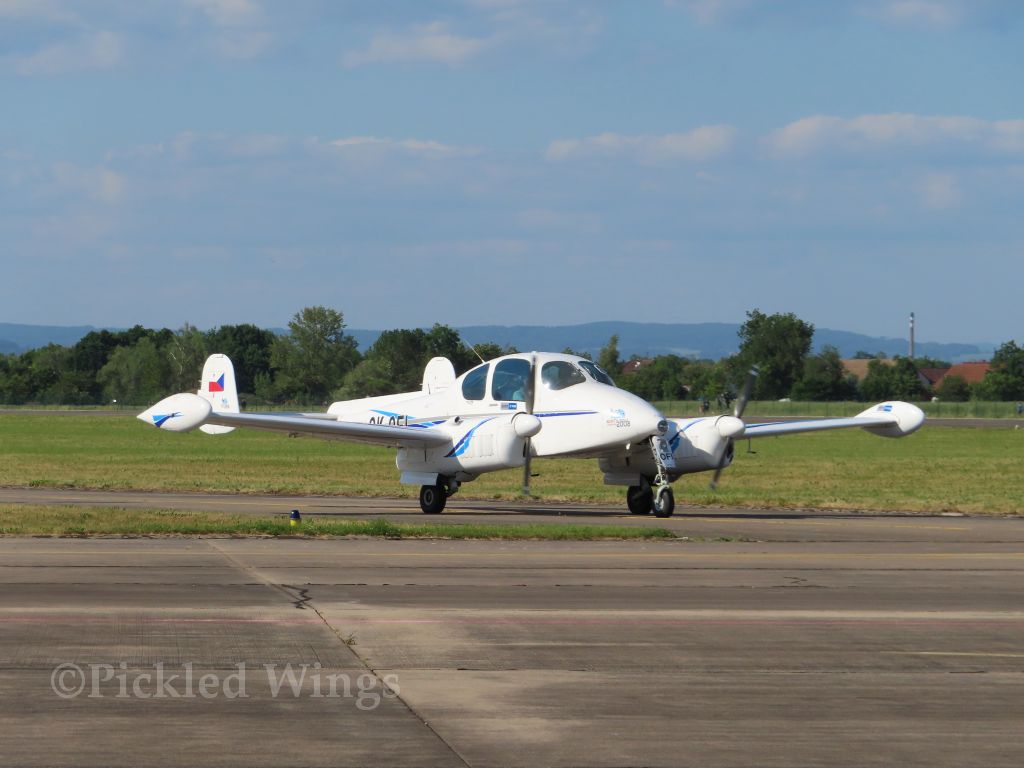
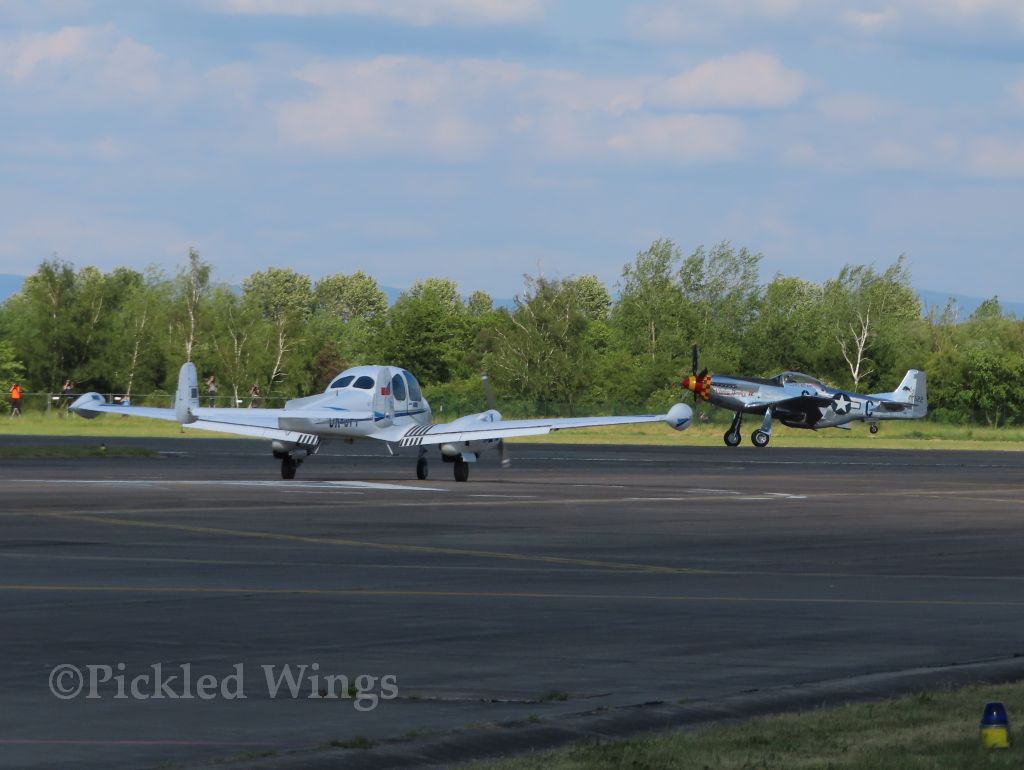
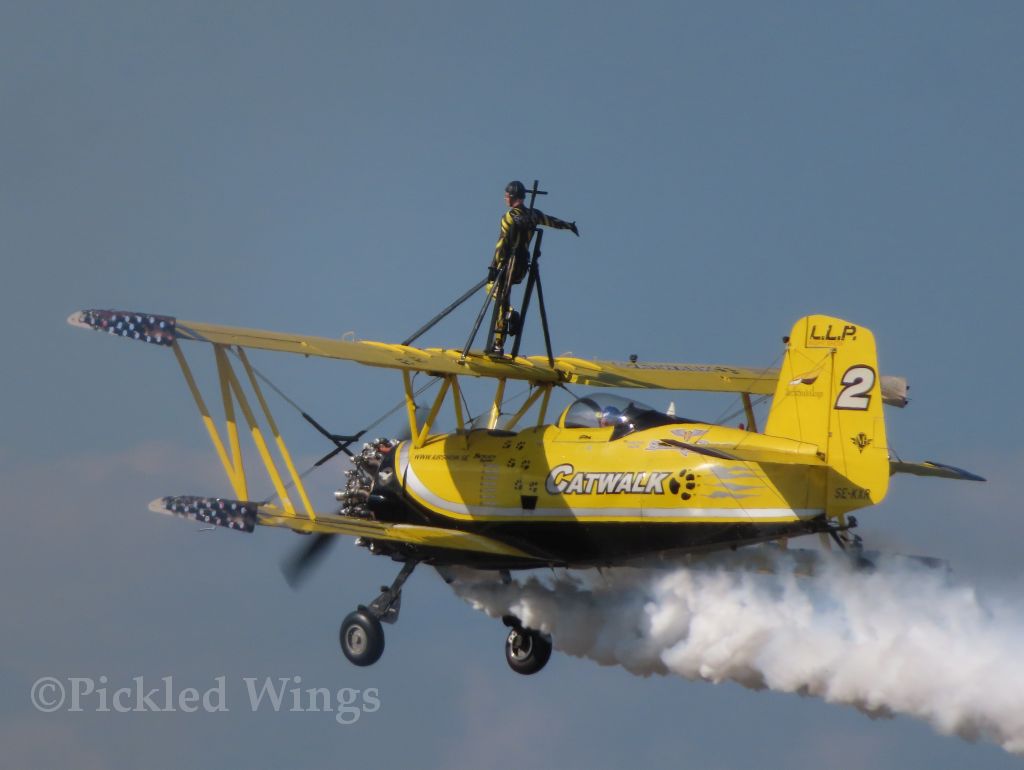
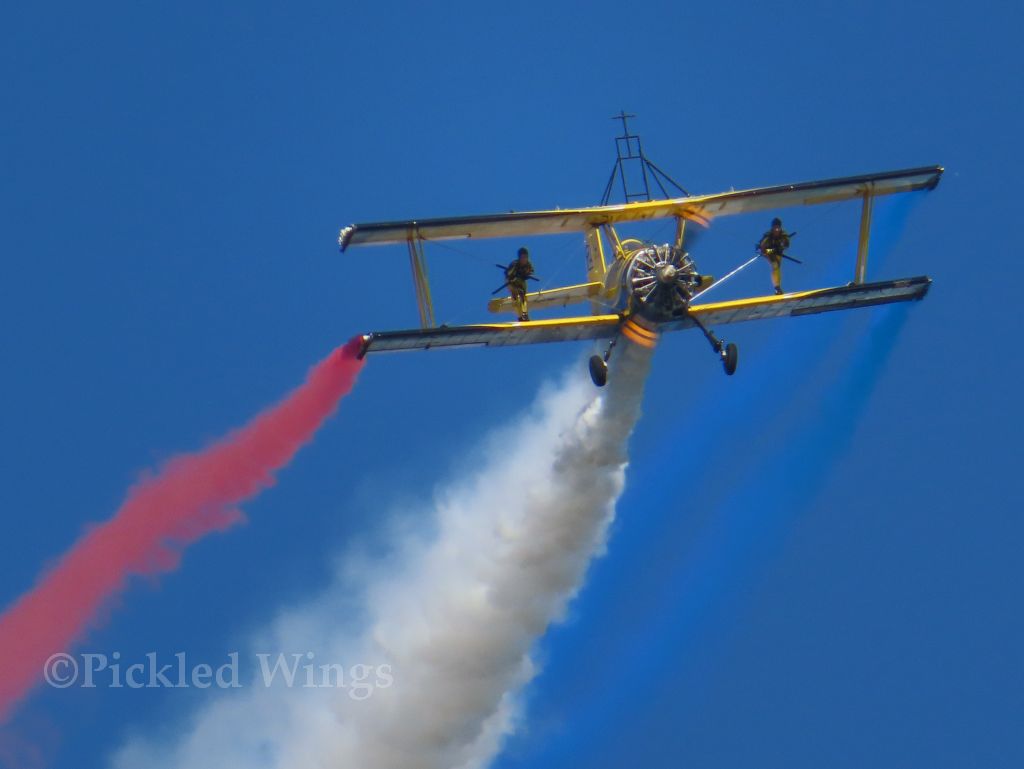
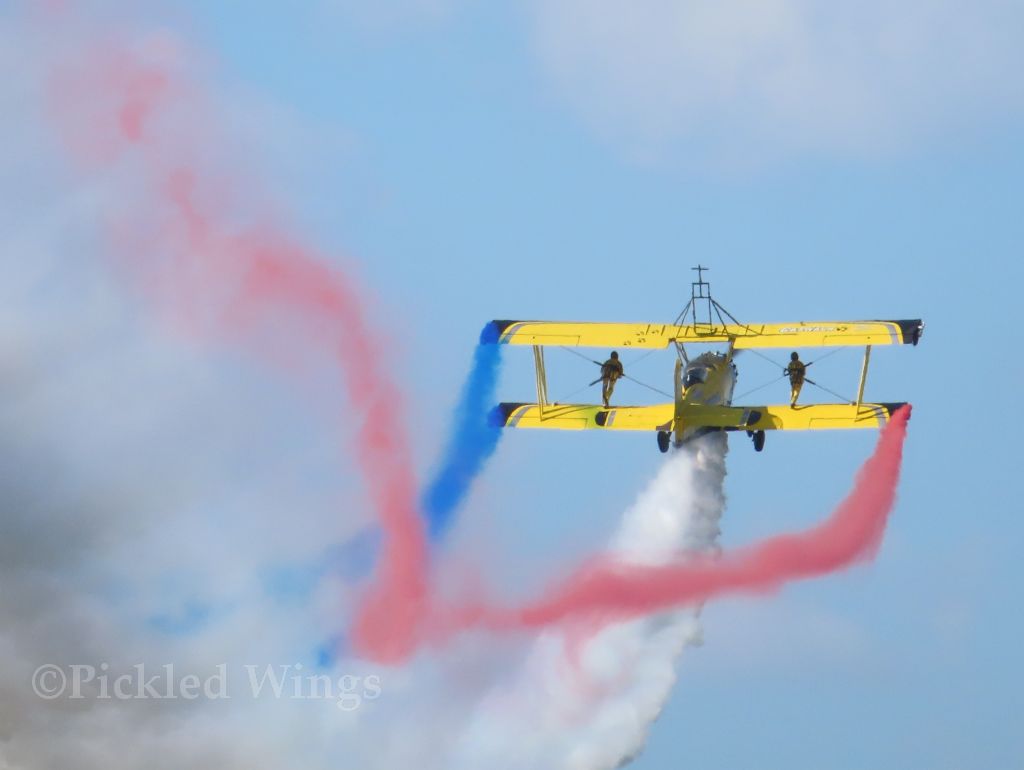
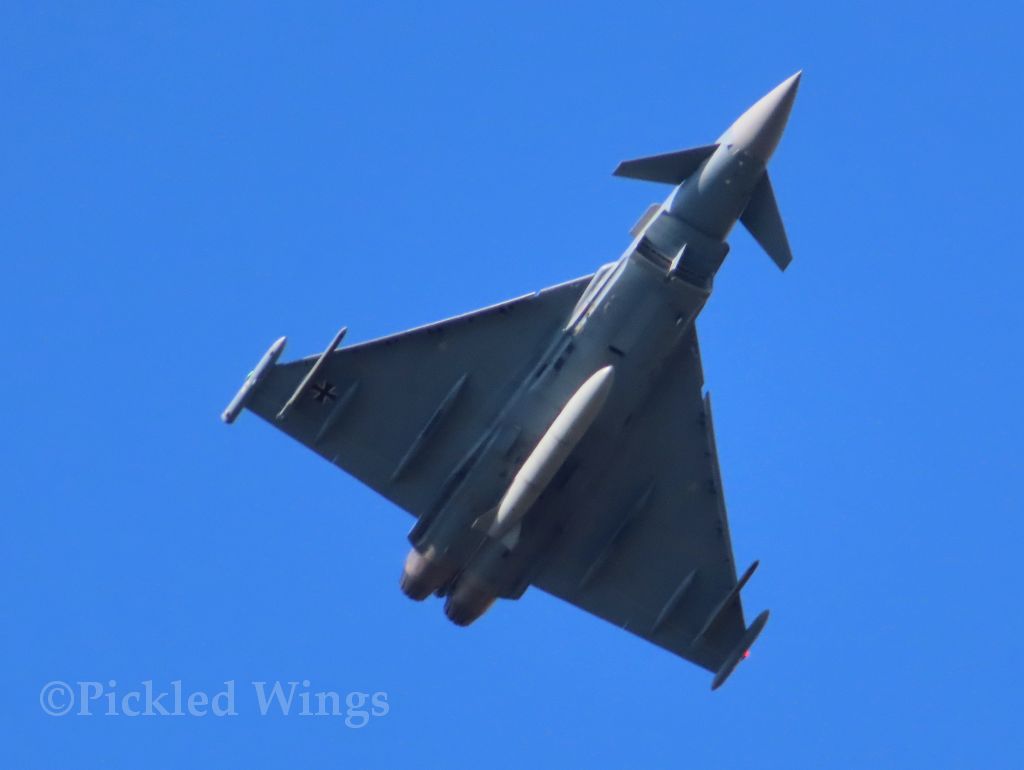
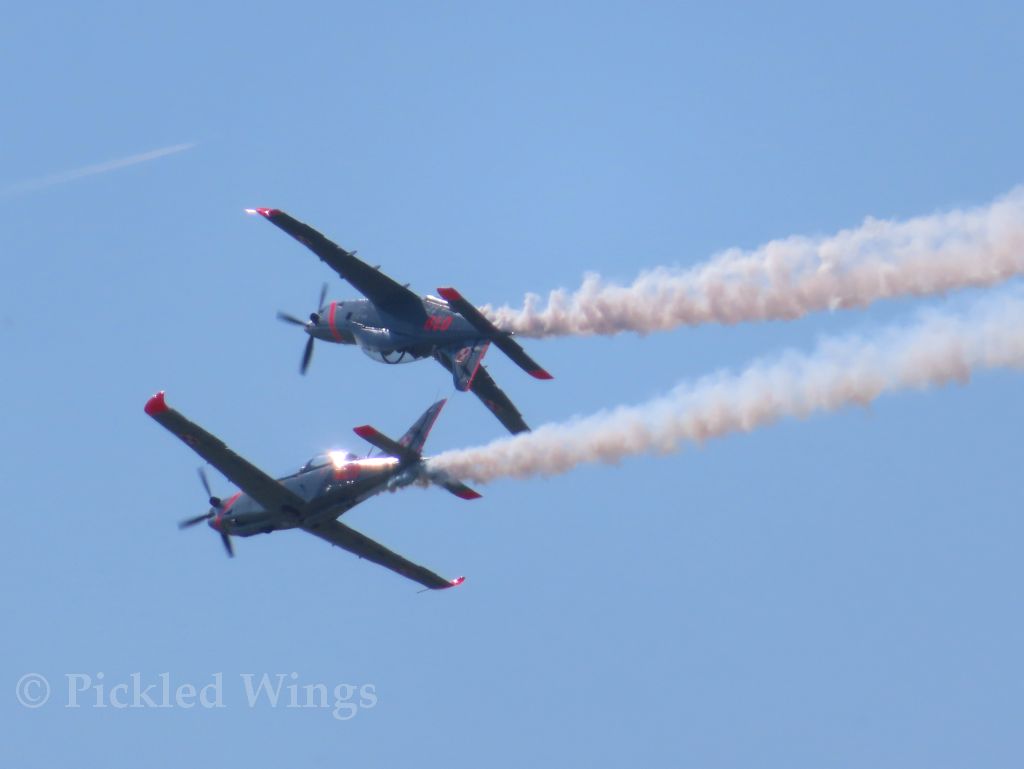
September 19 and 20 saw the 2026 edition of the annual NATO Days show take place in Ostrava, Czech Republic.
The weather was sunny, but not too hot. Photographing dynamic displays came not only with the typical challenge of facing the sun in the later part of the day, but also more dust than usual. The extra dust is most certainly the result of the heat wave that hit much of Europe through the summer.
I attended the Saturday show, here are some of my photos from the day:
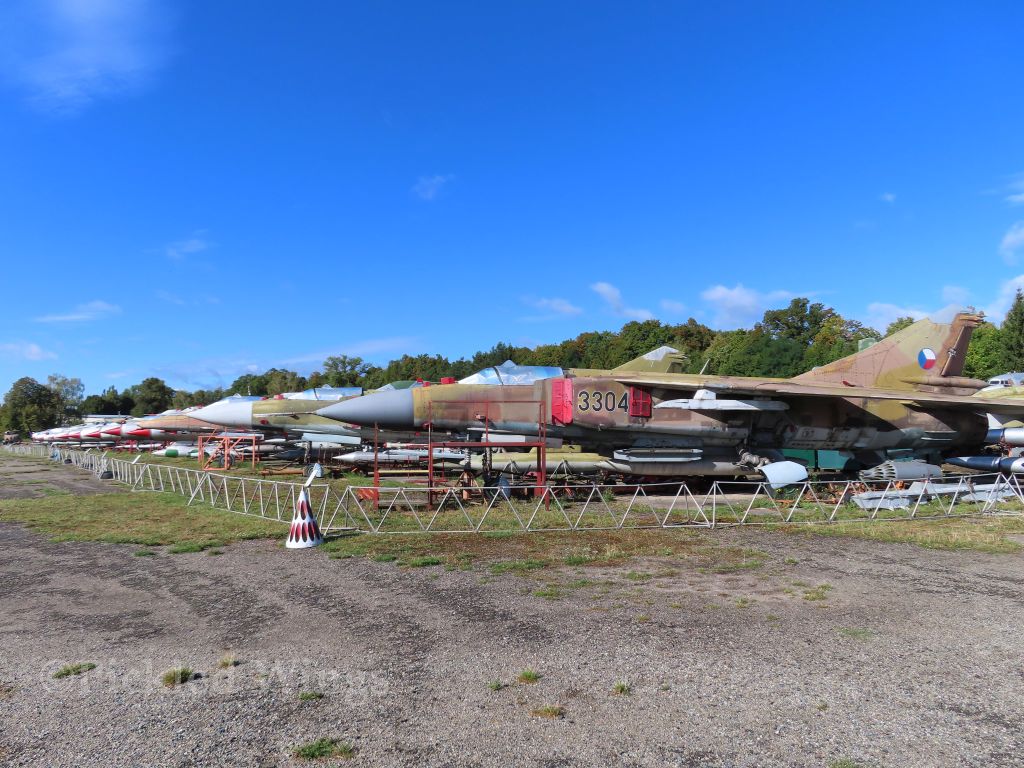
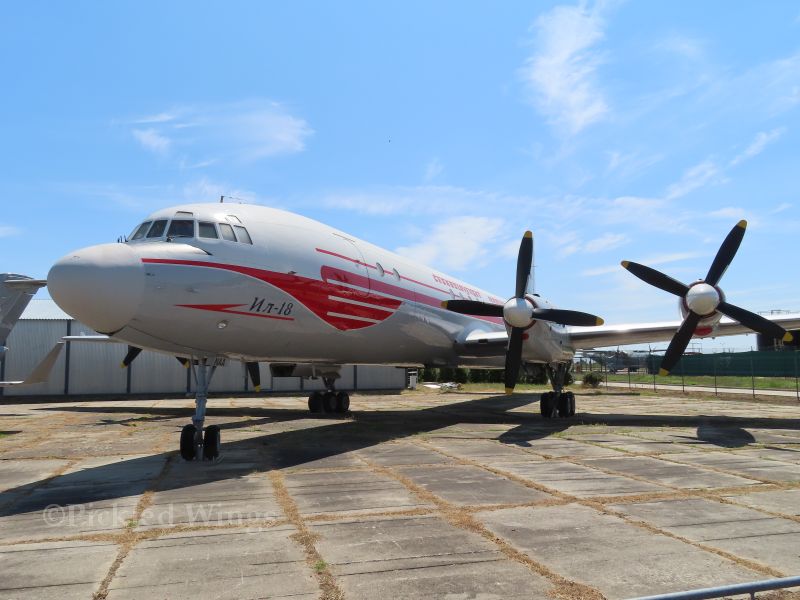
The MiG line at the Museum of Air and Land Technology in Vyškov, Czech Republic
A Museum Revisited
In late August of 2026, I paid a visit to the Museun of Air and Land Technology in Vyškov, in the south-east of the Czech Republic.
Not much changes at this museum, but it gave me the opportunity to add some fresh pictures to my existing article about it.
I gave a more extensive update to my article about the Bölkow Bo 105 helicopter. Updates include revision and extension of the text and the addition of a couple of extra pictures.
As always, I hope you enjoy the updates as much as I enjoyed making them.
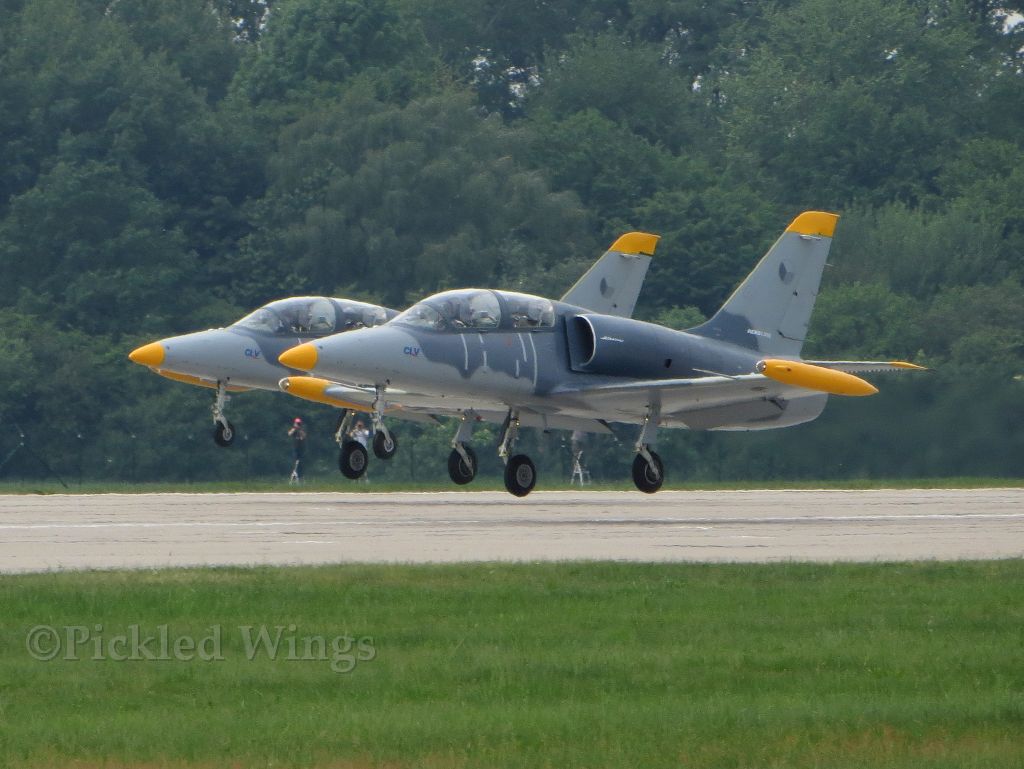
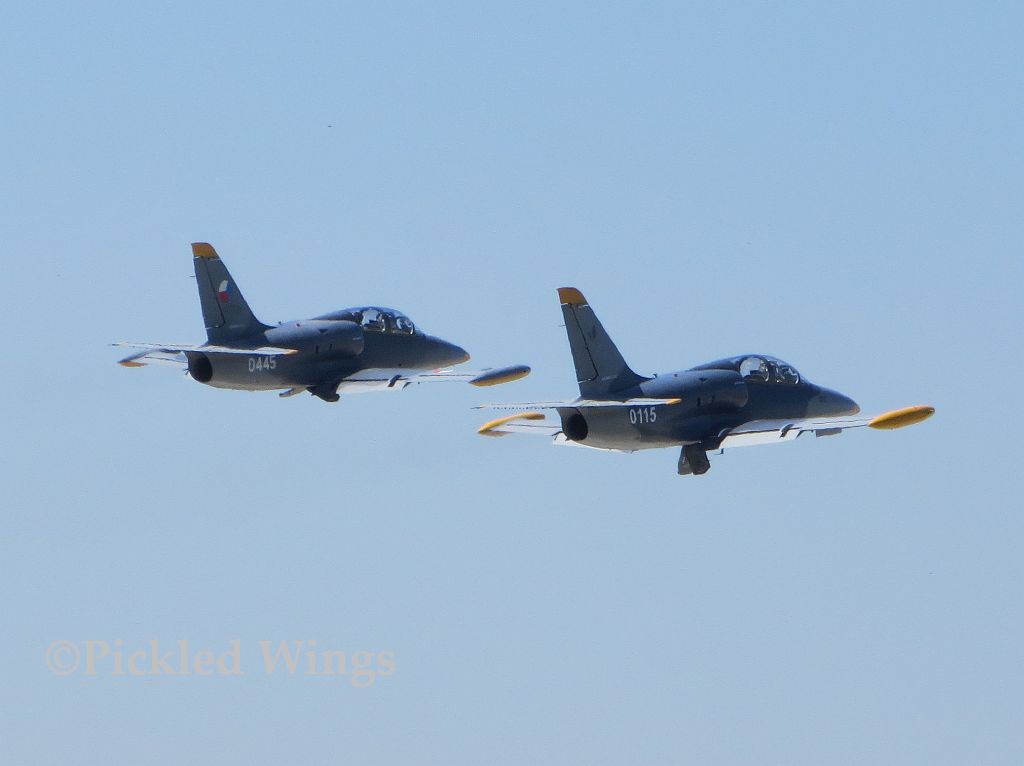
A pair of L-39C Albatros aircraft of the CLV fleet at Pardubice in 2016.
Changing of the Guard
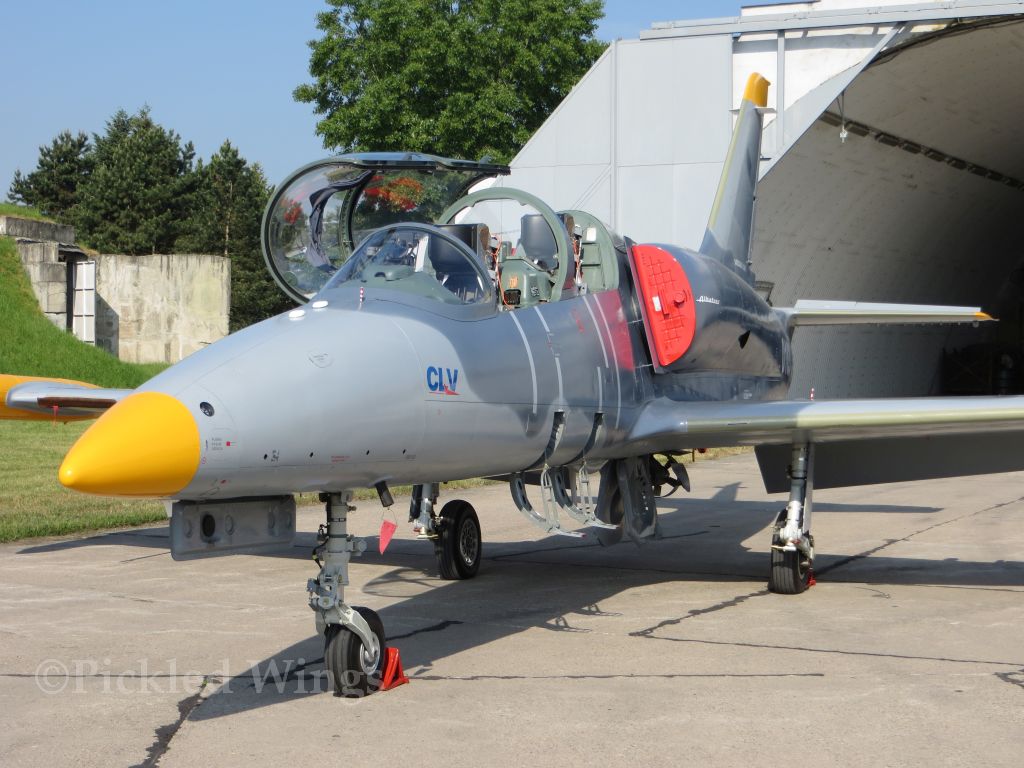
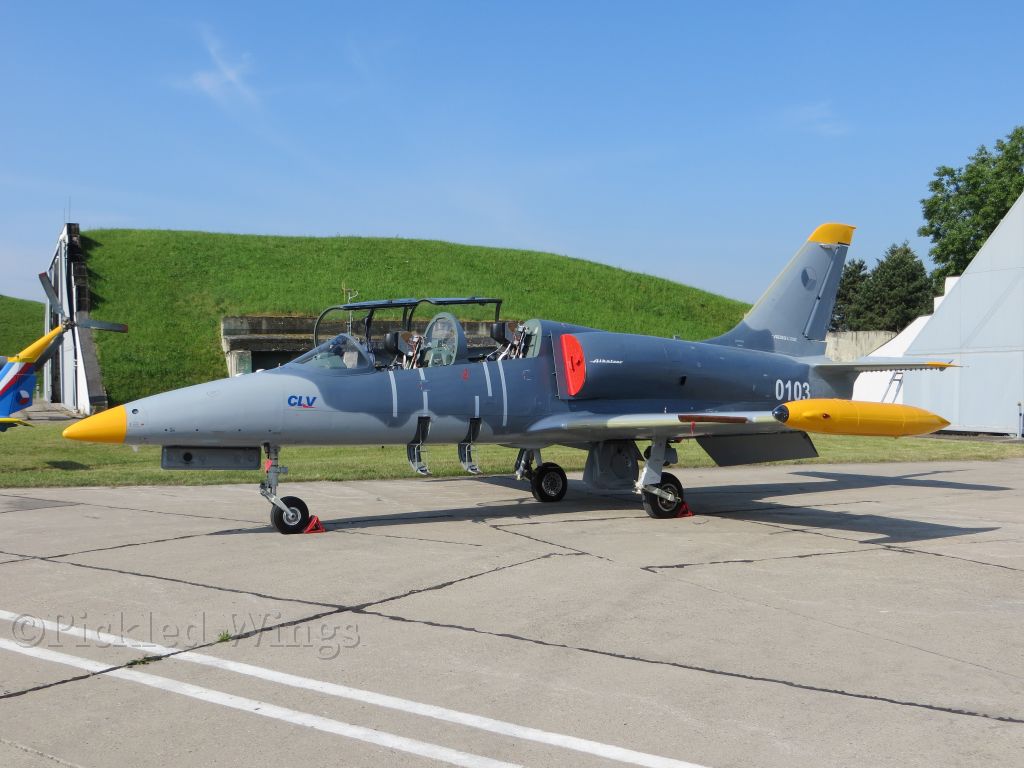
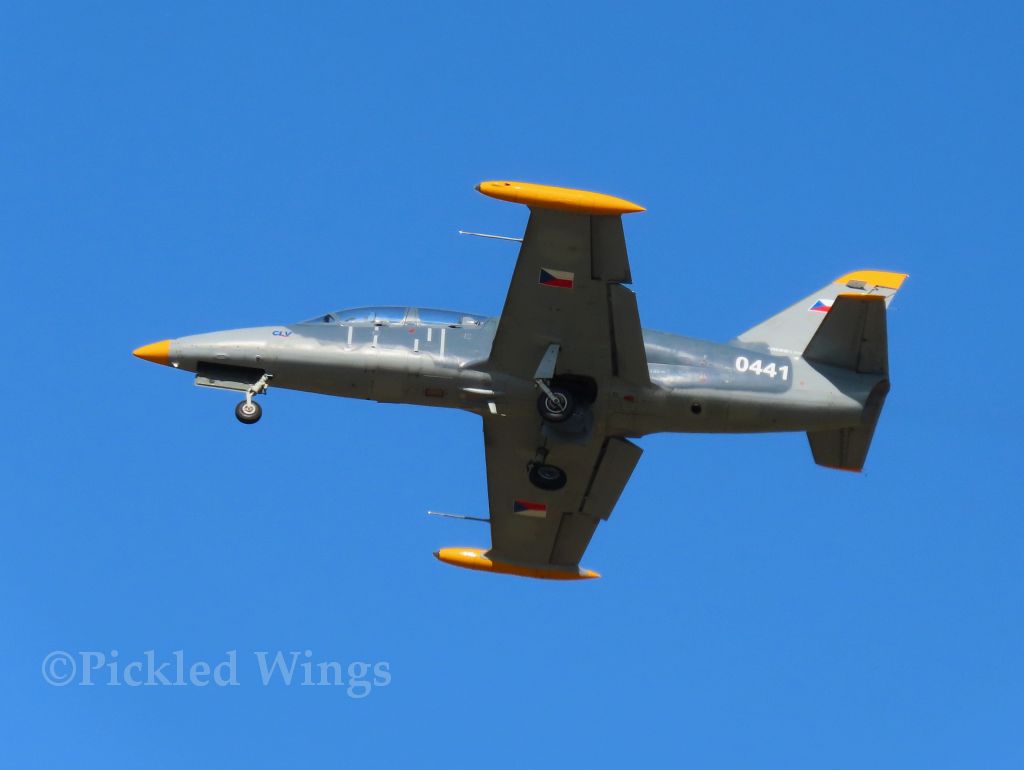
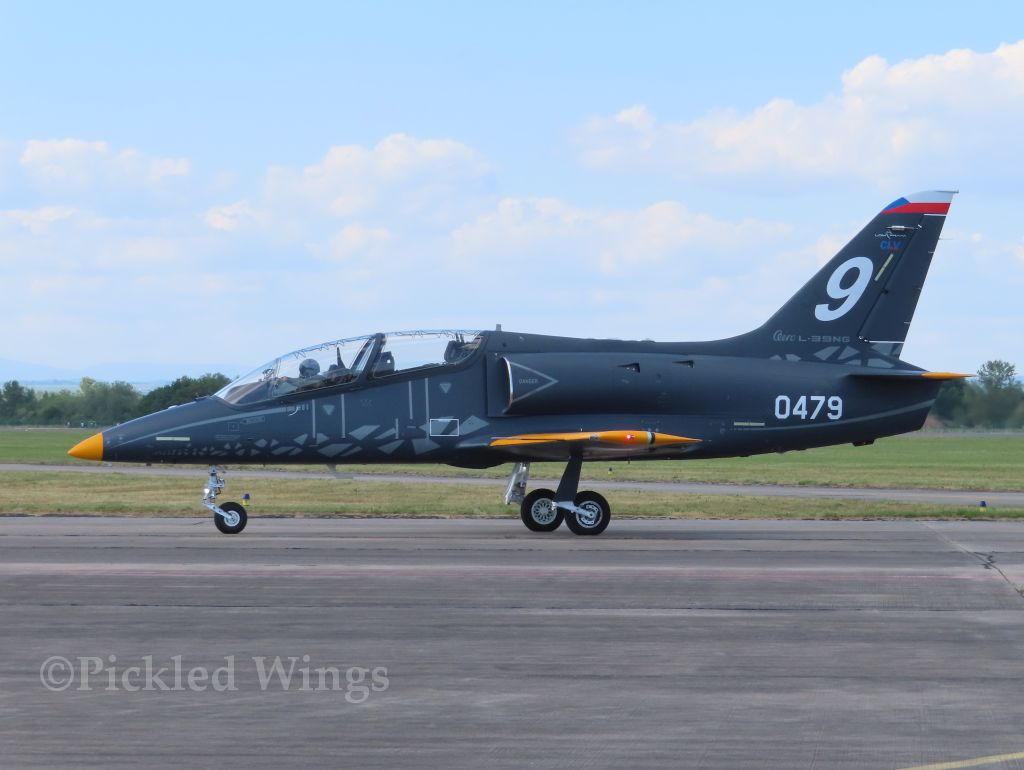
It’s the end of an era in the Czech Republic as the as the state-owned flight training centre (CLV) in Pardubice retires its last Aero L-39C Albatros training jets, replacing them with the Aero L-39NG Skyfox.
CLV was established in 2004 as a training centre for not only future Czech air force pilots, but also those from a number of foreign countries. For over 20 years CLV used the L-39C Albatros to give student pilots their first taste of fast jet flight and prepare them for more advanced aircraft.
The Albatros is a legendary and widely used aircraft of Czech design that first flew in 1968. Like the Albatros, the Skyfox is a product of the Aero company. The two aircraft are quite different to each other with the exception of a family resemblance.
Albatros retirement plans include a three aircraft formation flight in late August over the eastern part of the country, and then over the western part in early September.
Here’s some pictures I’ve taken of both types in CLV colours, mostly at Pardubice:
The Kbely Air Museum in Prague is a large collection that is a “Must do” if you’re in the Czech capital between May and October.
I’ve visited it several times and have had an article about it on the website for a while now. My most recent visit was in July of 2026 and it gave me the opportunity to refresh the pictures and make a few adjustments to the text.
Aside of the Kbely article, I’ve also updated a couple of others.
I’ve updated the Tupolev Tu-143 Rejs article to include information about its use in the war between Russia and Ukraine as well as in the Middle East.
I’ve also returned the article about the Fokker Dr.I Dreidecker to the 1900-1919 section of the website. This was one of the earliest articles on the website and I removed it in order to thoroughly revise and expand it so it would be up to scratch with more recent articles
I hope you’ll enjoy the updates as much as I enjoyed making them.
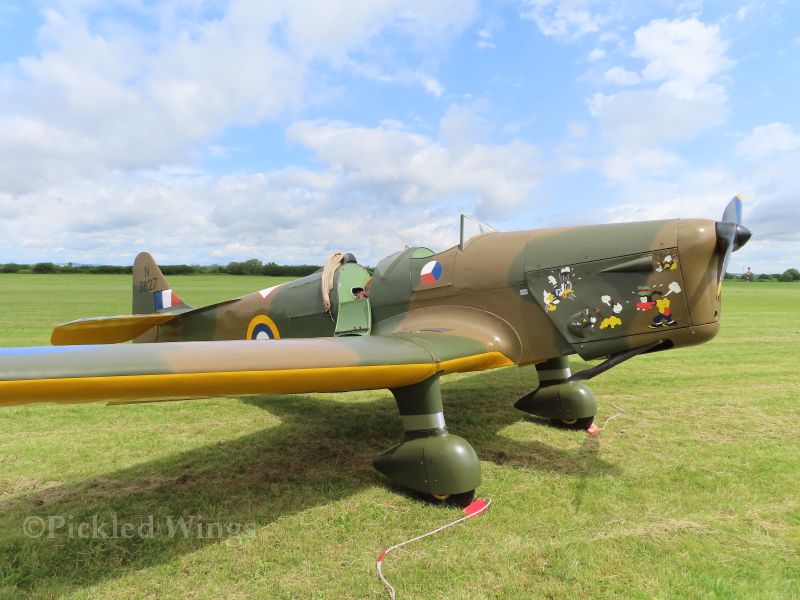
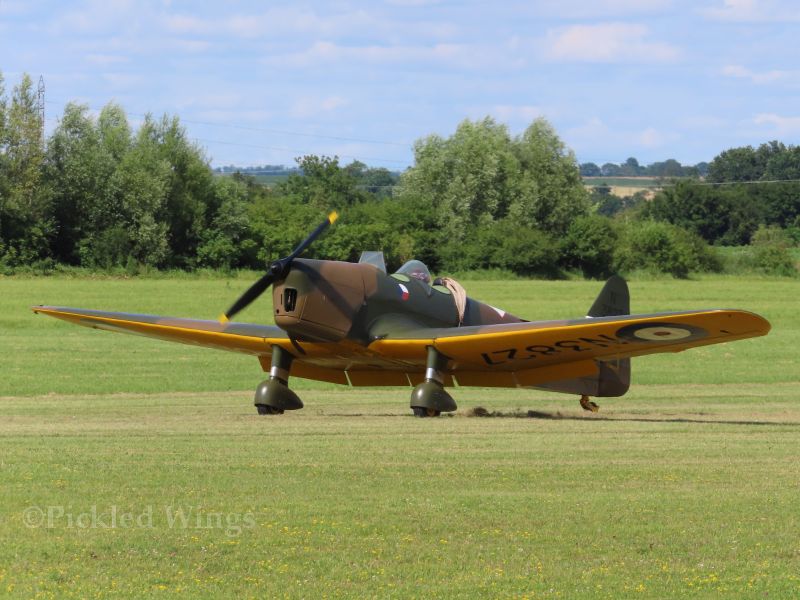
A Miles Magister Mk.I at Břeclav, Czech Republic in 2024.
Miles Aircraft–Taking Chances
Miles Aircraft Limited was a pioneering British aircraft manufacturer best known for its successful light aircraft designs of the 1930s and 1940s. Most of those aircraft were sport and training types, although the company is also remembered for several innovative experimental designs.
During the interwar years, many British aviation authorities and manufacturers remained relatively conservative in their approach to aircraft design and construction compared with many of their international counterparts. Fabric-covered biplanes continued to be favoured over monoplane designs employing modern materials and construction techniques. Most Miles aircraft ran counter to those conventions.
Many Miles aircraft became known for their synthetic-resin-bonded plywood construction. This produced lightweight, highly repairable airframes with exceptionally smooth surfaces. The seamless plywood skin also reduced parasitic drag compared with the overlapping metal panels and protruding rivets common on many competing aircraft of the era.
The company evolved from an earlier aircraft manufacturer, Philips & Powis, founded at Woodley Aerodrome in Berkshire in 1929.
In 1932, Frederick George Miles (1903–1976) agreed to design an affordable two-seat light sport monoplane for production by Philips & Powis. Miles and his wife, Maxine (1901–1984), created the design that became known as the Miles M.2 Hawk. The Hawk first flew in 1933 and proved such a success that Frederick and Maxine were appointed to directorial positions within Philips & Powis. Frederick’s younger brother, George (1911–1999), also joined the company as a test pilot.
In 1935, Philips & Powis became a publicly traded company, with Rolls-Royce acquiring a major shareholding. Frederick was appointed chairman and managing director, while George became technical director and chief designer. By 1939, the company employed more than 1,000 people and was heavily engaged in producing training aircraft for the Royal Air Force.
The Miles family took control of the company in 1941 after buying out Rolls-Royce’s shares when the engine manufacturer lost interest in the venture. Two years later, the company was formally renamed Miles Aircraft Limited, although its aircraft had carried the Miles name for several years before the change.
That same year, Frederick and Maxine established the Miles Aeronautical Technical School with the express purpose of training students in drafting, advanced mathematics, materials science, and hands-on engine assembly.
Under Maxine’s directorship, the school proved remarkably successful. It was also progressive for its time, being not only fully co-educational but also open to an international student body. British Pathé archival films from the era show students from countries including India, Switzerland, France, Egypt, and Czechoslovakia receiving training there.
Miles Aircraft entered bankruptcy in 1947. Its aviation assets were acquired by Handley Page, while the school was taken over by Reading Technical College.
Despite the company’s relatively short existence, it produced several highly influential aircraft. Among the most significant was the M.14 Magister, a modern monoplane that became the Royal Air Force’s primary basic trainer at the outbreak of the Second World War. It was also the RAF’s first purpose-designed monoplane trainer, marking a significant step in the modernization of British military flight training.
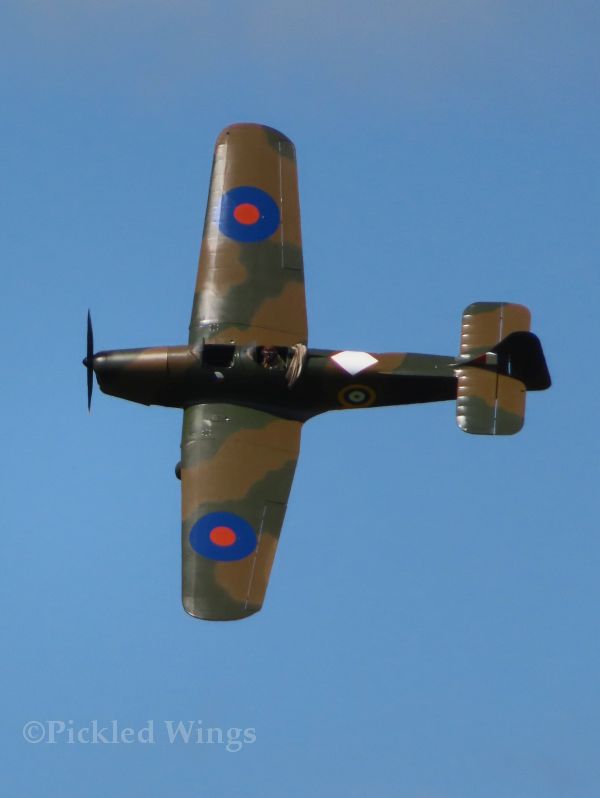
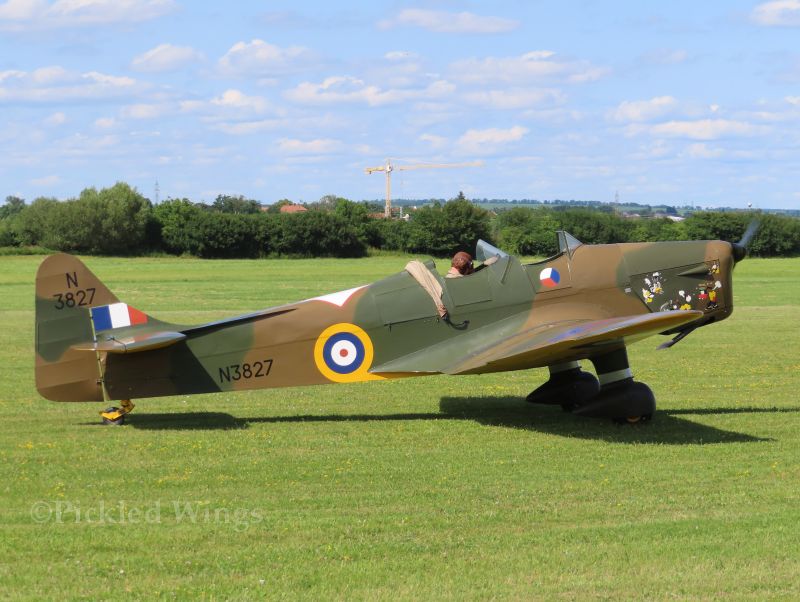
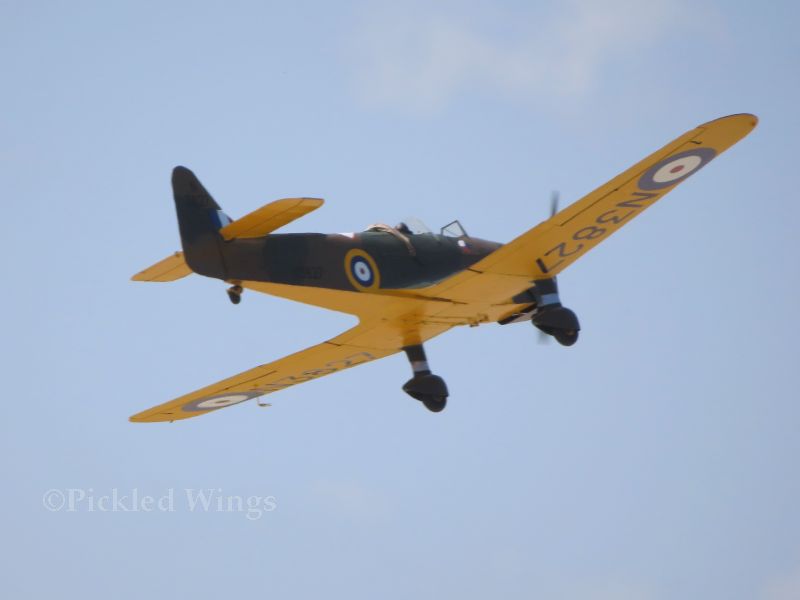
Magister Mk.I performing at Břeclav, Czech Republic in 2024.
Rearming and Retraining the RAF
The early interwar period was a time of austerity for the Royal Air Force.
Shortly after the end of the First World War in 1918—the same year the RAF became an autonomous branch of the British military—the British government enacted sweeping force reductions and cost-cutting measures across the service.
The number of aircraft, squadrons, and bases was dramatically reduced between 1918 and 1933. Most of the remaining squadrons were tasked with colonial policing duties using increasingly obsolete biplanes.
The reductions were carried out under the “Ten Year Rule,” a government policy based on the assumption that the United Kingdom was unlikely to become involved in another conflict on the scale and severity of the First World War for at least a decade.
As a result, the RAF remained constrained by limited funding until the early 1930s, when Germany began rearming under Hitler’s leadership. Faced with the rapid development of modern German military aircraft, it became clear that the RAF was ill-equipped to meet the growing threat, both technologically and in terms of manpower
The RAF moved rapidly to modernize and expand its fleet. It quickly commissioned monoplane fighters and bombers such as the Hawker Hurricane, Supermarine Spitfire, and Vickers Wellington. Alongside these new combat aircraft, an equally capable generation of trainers was required—this was where the Miles Magister found its place.
The Magister first flew in 1937 and was developed from the earlier Miles Hawk family of aircraft. When the RAF issued a specification for a new trainer, Miles responded with the Magister. It won the competition despite being constructed primarily of wood, even though the specification had called for an all-metal aircraft.
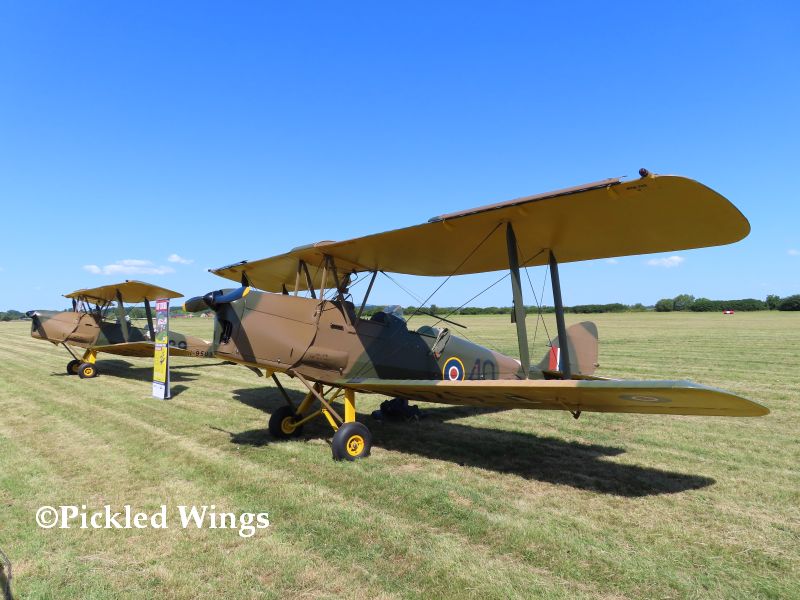
A pair of de Havilland Tiger Moths at Břeclav, Czech Republic in 2025.
Miles produced 1,229 Magisters between 1937 and 1941. By the outbreak of the Second World War, more than 700 were in service with RAF Elementary Flying Training Schools throughout the United Kingdom. The Magister supplemented the older de Havilland DH.82 Tiger Moth and became the RAF’s principal monoplane trainer, helping prepare pilots for the transition to modern combat aircraft. It also served with the Royal Navy’s Fleet Air Arm.
While the Tiger Moth had formed the backbone of RAF basic flight training since its introduction in 1932, it was slow and docile, making it less suitable for preparing pilots to transition directly to aircraft such as the Hurricane and Spitfire.
A significant gap existed between the performance and technology of the ageing biplane trainer and the new generation of monoplane fighters—one that the Miles Magister filled admirably. Within the RAF training system, pilots who mastered the Magister and were streamed for single-engine fighters typically progressed to either the legendary North American Harvard/Texan advanced trainer or the Miles M.9 Master.
The Magister could reach speeds much closer to those of the new fighters. It also featured wing flaps, something the Tiger Moth lacked. Just as importantly, the Magister was better suited to train pilots in blind flying, as its cockpit layout closely matched that of the Hurricane and Spitfire. By comparison, the Tiger Moth’s cockpit did not follow a standardized instrument layout, making the transition to frontline aircraft more challenging for new pilots.
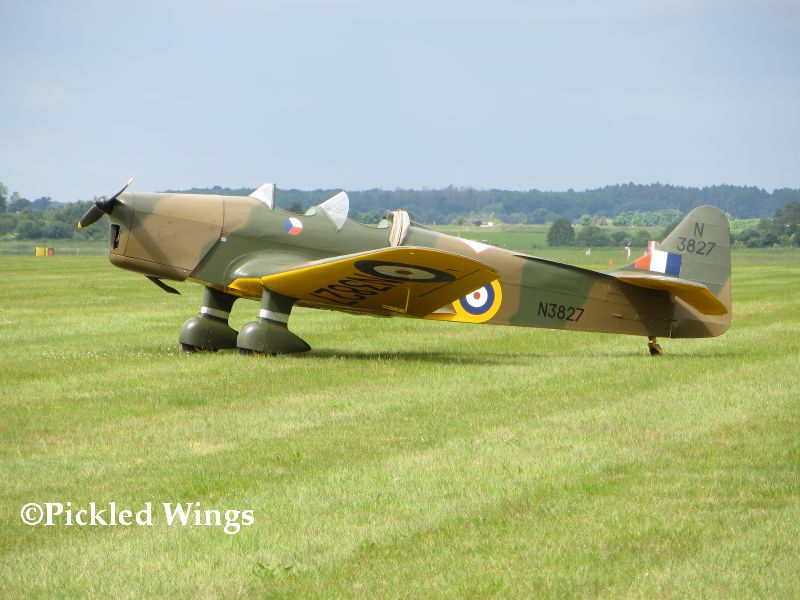
A Miles Magister Mk.I at Břeclav, Czech Republic in 2024.
Training the Home Front
Although the Magister became Britain’s principal monoplane trainer, its role elsewhere in the Commonwealth was much more limited.
Part of the reason was that British aircraft manufacturers and their subcontractors were fully occupied meeting Britain’s wartime aircraft production requirements.
From a practical standpoint, the Magister was also a relatively simple aircraft, and manufacturers in countries such as Canada and Australia were more than capable of producing equivalent trainers locally. This offered the added advantage of designing aircraft specifically for local climatic conditions and operating requirements, rather than modifying an aircraft designed for service in Britain.
Risk mitigation also played an important role. With the Battle of the Atlantic underway, Allied shipping faced a constant threat from German submarines and surface raiders. Relying on domestic aircraft production throughout the Commonwealth reduced dependence on vulnerable transatlantic supply routes.
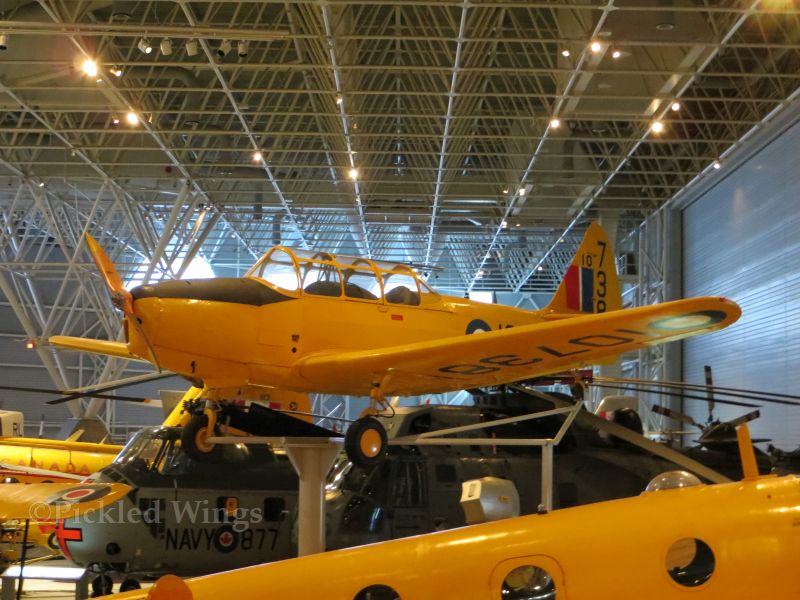
The Fairchild Cornell was the Magister’s counterpart in Canada. This one was seen preserved in Ottawa, Ontario in 2019.
The Canadian-based British Commonwealth Air Training Plan (BCATP) was one of history’s largest international pilot training systems, spread across numerous locations throughout the country.
Basic flying instruction within the BCATP was conducted using either the de Havilland Tiger Moth or the domestically developed Fleet Finch. From there, student pilots transitioned to the Fairchild Cornell to learn the fundamentals of monoplane flying.
The Cornell entered service in 1943. Known in the United States as the PT-26, it was a heavily modified development of Fairchild’s earlier PT-19 trainer. The modifications were tailored specifically to Canadian requirements, with the needs of the BCATP foremost in mind. Many BCATP Cornells were licence-built in Canada by Fleet Aircraft at Fort Erie, Ontario.
Once pilots had mastered the fundamentals of monoplane flying, they advanced into either single- or multi-engine training streams. Those selected for single-engine aircraft typically progressed from the Cornell to the North American Harvard advanced trainer.
In Australia, the Magister’s counterpart was the domestically developed Commonwealth Aircraft Corporation (CAC) CA-6 Wackett. Pilots selected for single-engine advanced training generally progressed to another Australian-designed aircraft, the CAC Wirraway. The Wirraway was itself a heavily modified development of the North American NA-16, the ancestor of the Harvard and Texan family.
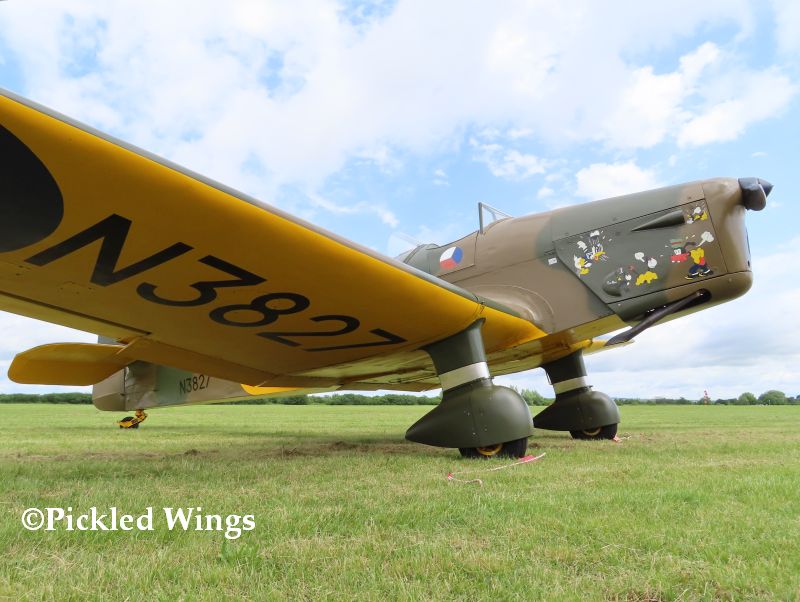
A Miles Magister Mk.I at Břeclav, Czech Republic in 2024.
Life After the War
Following the end of the Second World War, the RAF declared its Magister fleet surplus and sold many of the aircraft at low cost to civilian owners and foreign air forces rebuilding in the post-war years.
Just as the Magister had helped rebuild the RAF before and during the war, it also played an important role in rebuilding Britain’s flying clubs afterwards. Prior to the war, flying clubs had flourished throughout the United Kingdom as the public became increasingly air-minded during the interwar period.
Private flying was expressly prohibited in the United Kingdom throughout the war, leaving flying clubs and general aviation in a precarious state once peace returned. The Magister proved ideally suited to help revive Britain’s post-war flying club movement.
As a direct descendant of the popular pre-war Miles Hawk Trainer, the Magister was an easy sell to flying clubs looking to rebuild. It is no exaggeration to say that the aircraft was instrumental in preserving Britain’s flying club culture during the early post-war years.
The Magister also found success in air racing during the early post-war period. In the 1950 King’s Cup Air Race, several Magisters—including the winning aircraft—competed in a field of 36 entrants.
A Miles Magister Mk.I at Břeclav, Czech Republic in 2024.
Coming Unglued
By the 1960s, a serious hidden problem began to emerge. The wartime adhesives used in the construction of later Magisters, and many other wooden aircraft of the period, began to deteriorate with age.
Before the war, many aircraft manufacturers bonded wooden components using organic animal-hide or casein (milk protein)-based glues. These adhesives performed well provided aircraft were stored in dry, temperature-controlled hangars. Being organic, however, they were susceptible to mould and bacterial deterioration in persistently damp environments. Early production Magisters were built using these traditional glues.
Near the beginning of the war, improved synthetic adhesives became available, and many manufacturers quickly adopted them. Initially, they appeared to offer the perfect solution, but a hidden problem would not become apparent until decades later.
Later-production Magisters were assembled using a two-part urea-formaldehyde adhesive that employed an acid-based catalyst during curing. The adhesive performed exceptionally well throughout the war and into the post-war years. Over time, however, residual acidity within the bonding agent gradually accelerated deterioration of the glued joints, eventually leading to structural bond failures.
By the time the problem became widely understood, the Magister was already an ageing aircraft and Miles Aircraft no longer existed to support it. With newer aircraft readily available, the extensive rebuilding required to restore affected airframes did not make financial sense to most flying clubs.
Throughout the 1960s and early 1970s, most Magisters were scrapped, donated to museums, or acquired by vintage aircraft enthusiasts and warbird operators.
A Miles Magister Mk.I at Pardubice, Czech Republic in 2023.
The Magister Family
The Magister family comprised three principal military variants, together with two post-war civilian designations.
M.14 Magister
Initial production version featuring an open cockpit and powered by a 130-hp de Havilland Gipsy Major engine.
First purpose-designed monoplane trainer to enter Royal Air Force service.
M.14A Magister Mk.I
Introduced after flight testing revealed the need for improved spin-recovery characteristics.
Featured a taller rudder and a slightly deeper rear fuselage.
Added distinctive anti-spin strakes on the rear fuselage to reduce the likelihood of entering a flat spin.
Included a full set of instruments for blind flying, along with parachute seats.
Hawk Trainer III
Miles company designation for surplus M.14 and M.14A aircraft sold to the civilian market after the war.
M.14B Magister Mk.II
Experimental variant powered by a 135-hp Blackburn Cirrus engine.
The alternative engine offered a modest increase in power while slightly altering the aircraft’s centre of gravity and handling characteristics.
The project did not progress beyond the prototype stage.
Hawk Trainer II
Miles company designation for the M.14B.
A Miles Magister Mk.I at Pardubice, Czech Republic in 2021.
The Magister Today and Learning More
A total of 1,329 Magisters were built—1,229 in the United Kingdom and a further 100 under licence in Turkey.
Very few survive today, and maintaining even a static example is a true labour of love. Returning a Magister to flying condition is an even greater undertaking, typically requiring complete disassembly, removal of deteriorated adhesive, and careful reconstruction using modern bonding materials.
As of 2026, five Magisters remain airworthy—four in the United Kingdom and one in the Czech Republic. Approximately a dozen others survive in museums around the world in various states of preservation and restoration.
If you’re fortunate enough to encounter a Magister, whether in a museum or in the air, take a moment to appreciate one of the RAF’s most important yet often overlooked training aircraft. Equally deserving of recognition are the dedicated individuals and organizations whose commitment has ensured that the remaining examples continue to preserve an important chapter in aviation history.
Further information about the Miles Magister can be found through the following organizations:
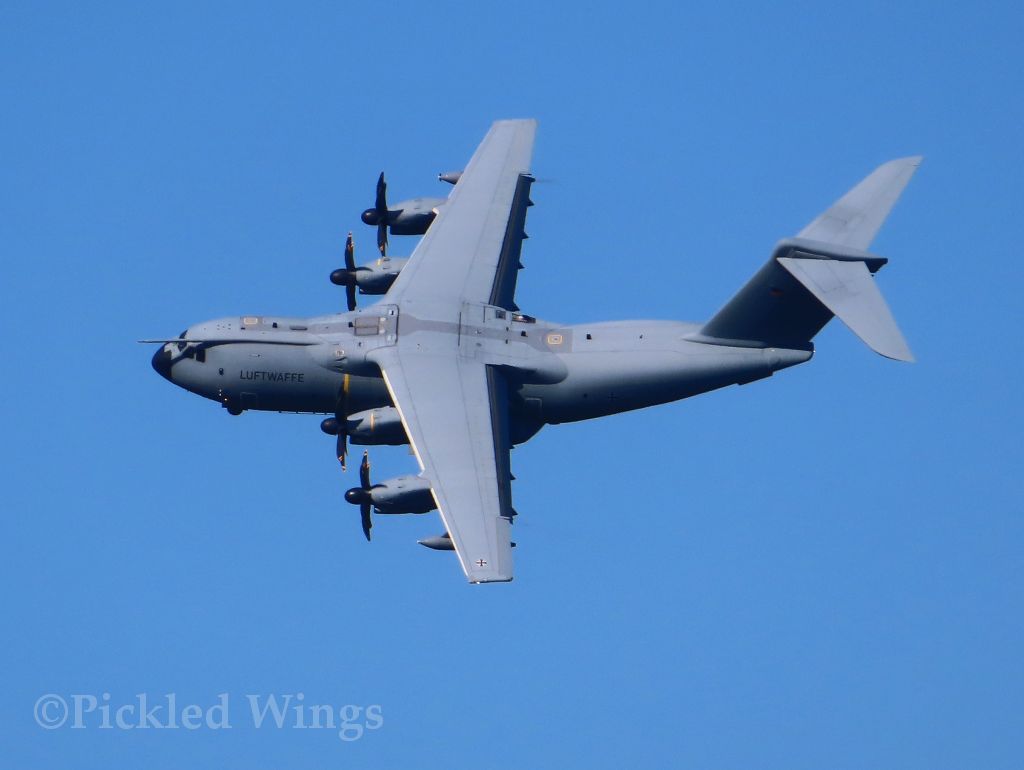
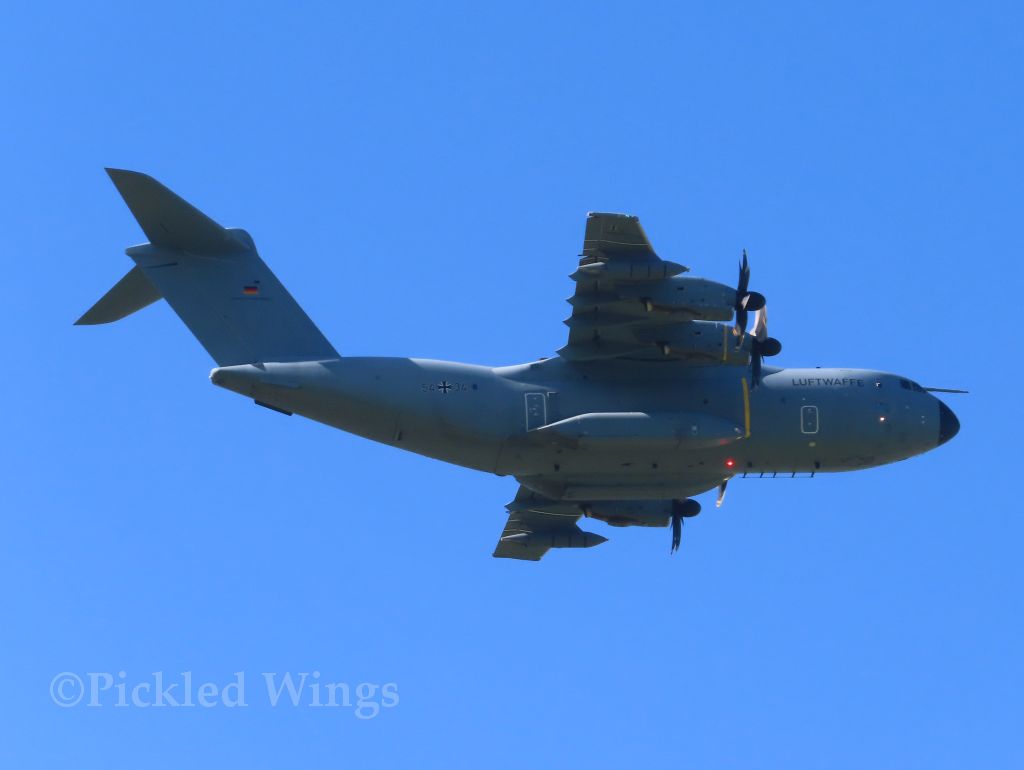
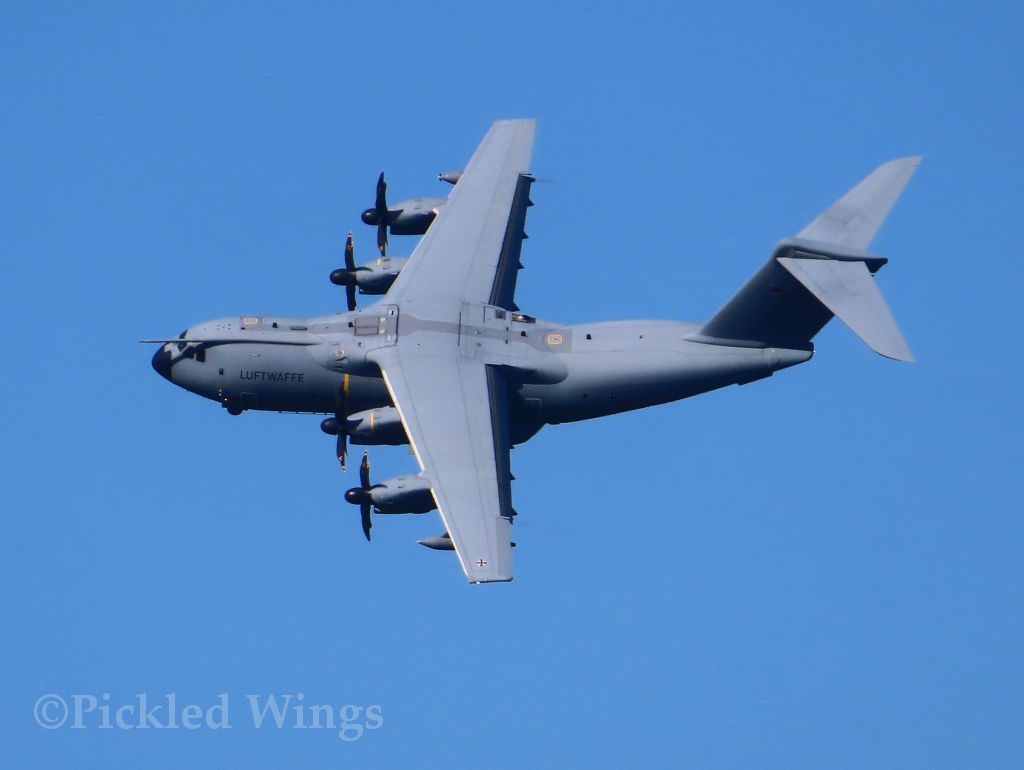
An Airbus A-400 Atlas transport of the Luftwaffe. Reformed in 1956, Germany’s modern air force marks 70 years in 2026.
Still Making History
2026 brings with it major milestones of operation for several significant organizations in aviation. Let’s have a look at some of them:
100 Years
Both American Airlines and Lufthansa are marking their centennials in 2026.
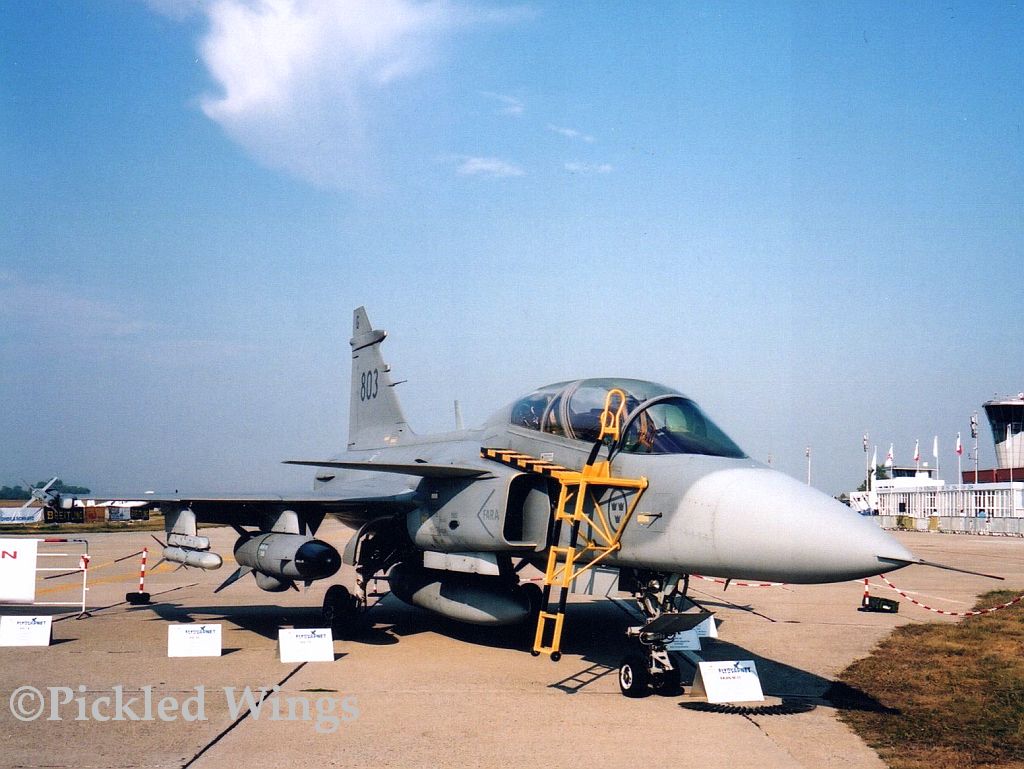
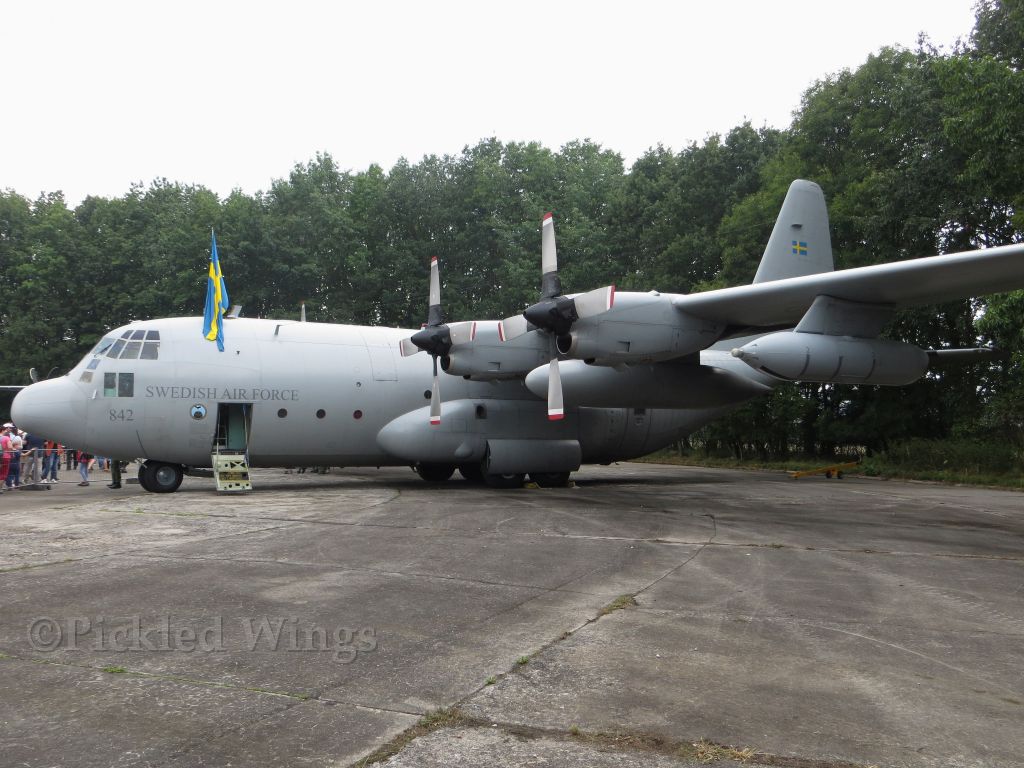
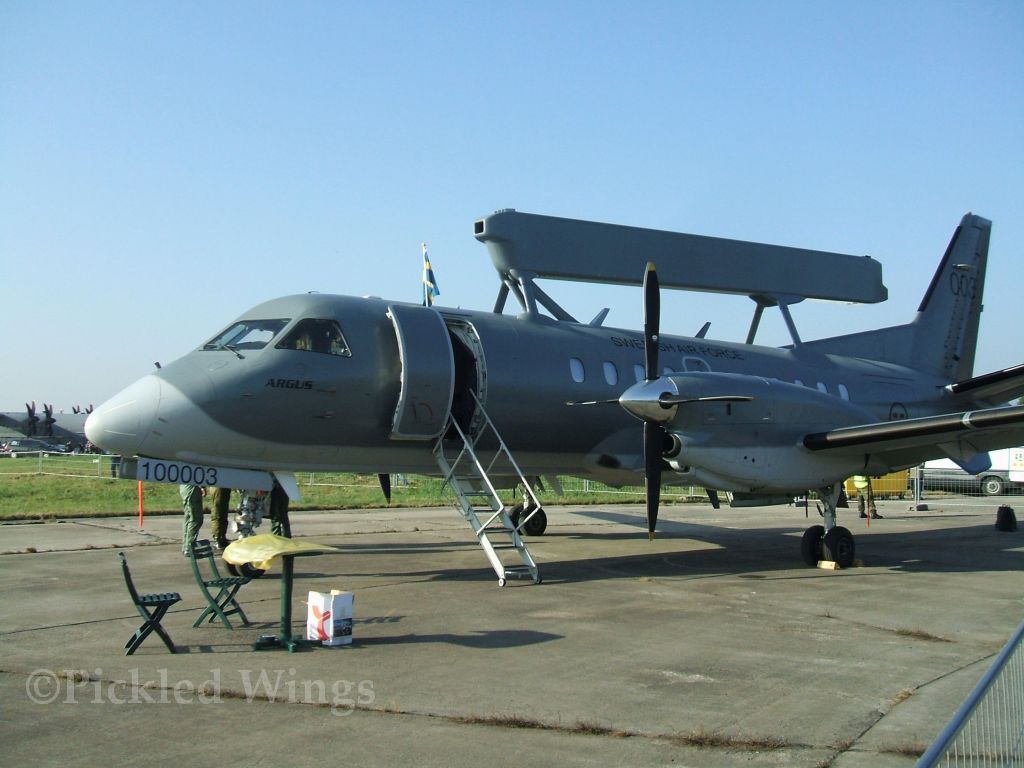
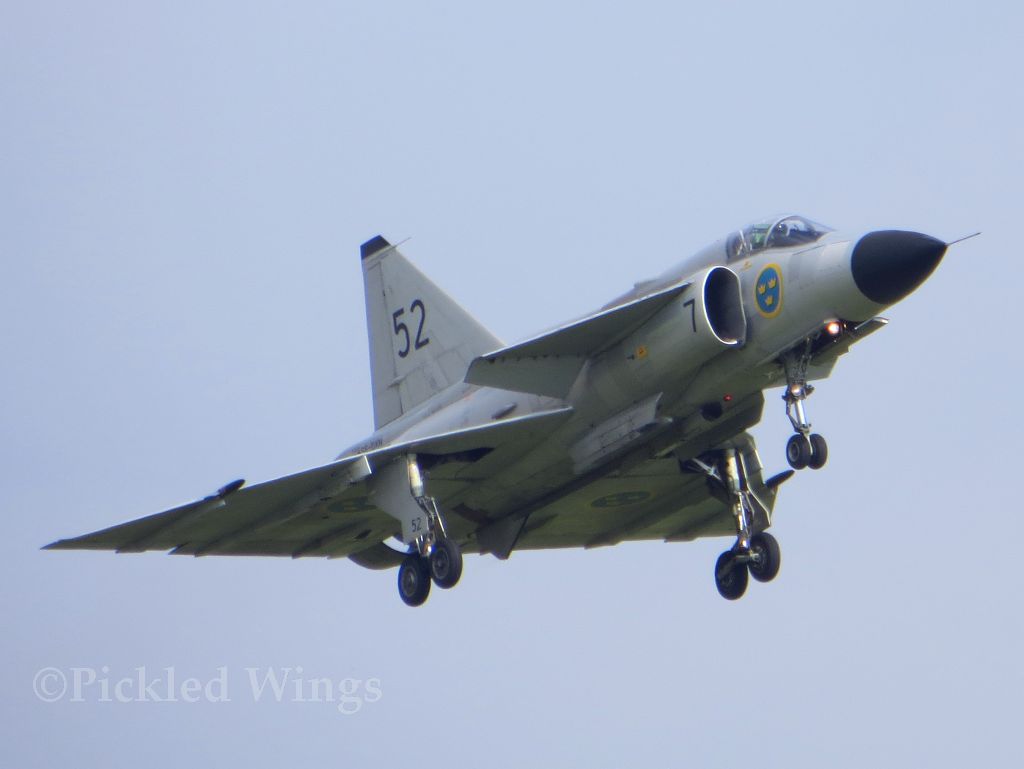
The Swedish air force, Flygvapnet, also hits the century mark in 2026. On July 1, 1926, the respective air arms of the Swedish army and navy were combined to create an autonomous air force for the country.
Here’s a small gallery of contemporary and historic Flygvapnet aircraft I’ve snapped at shows in Austria and the Czech Republic over the past 20 years or so:
90 Years
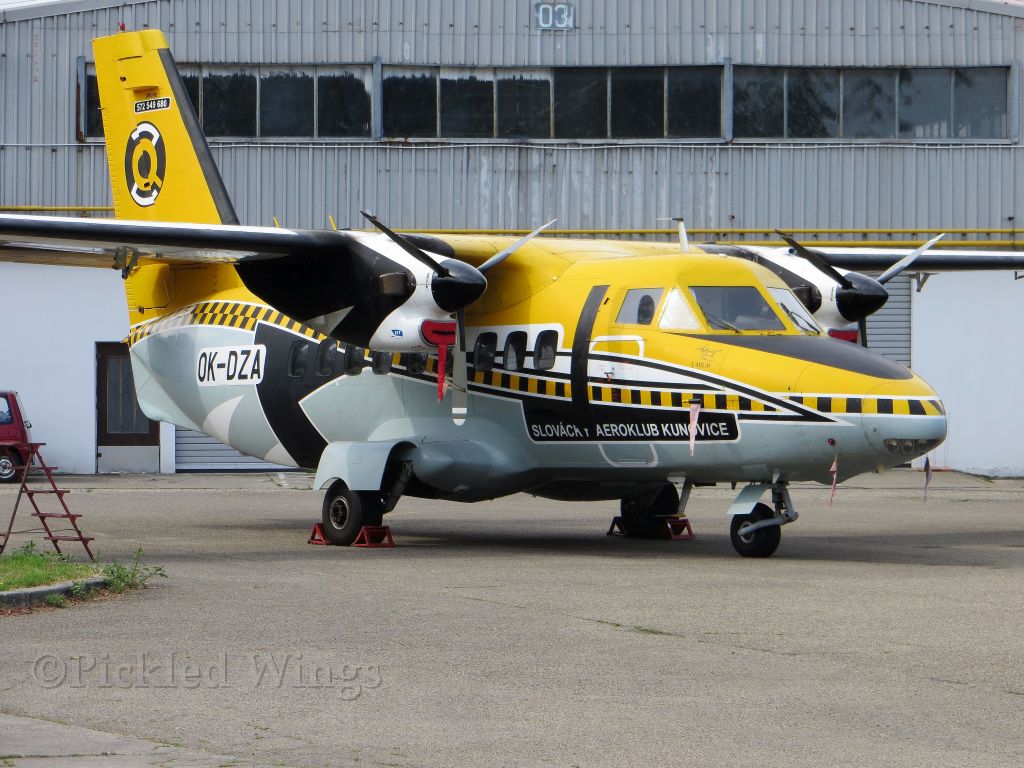
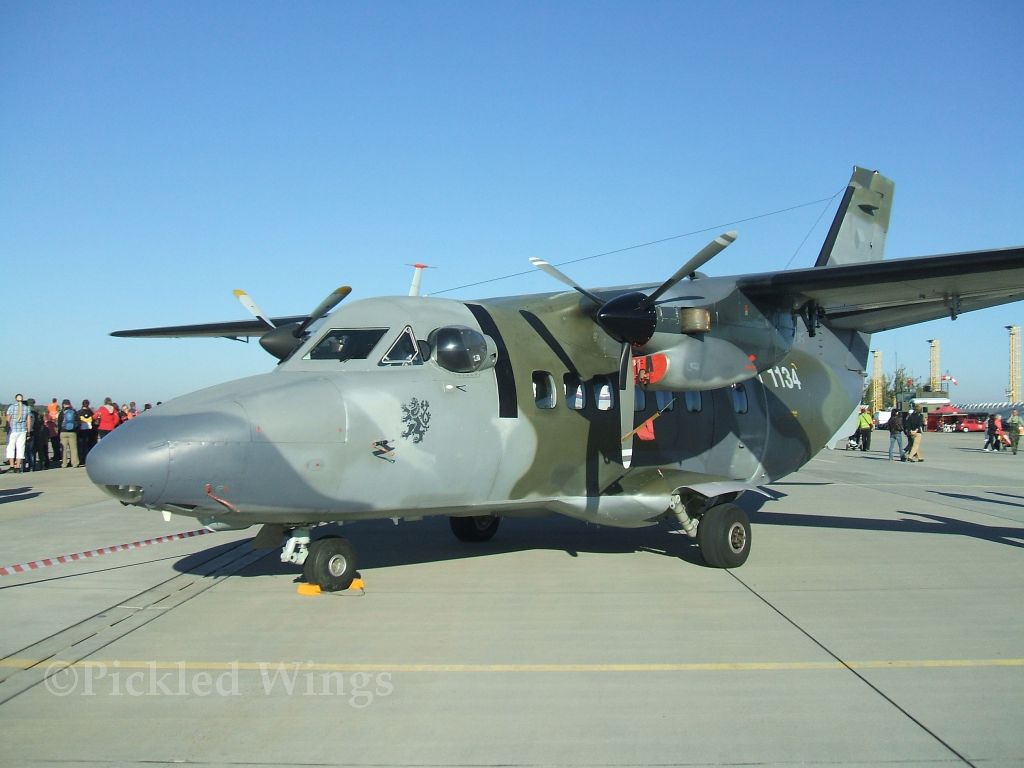
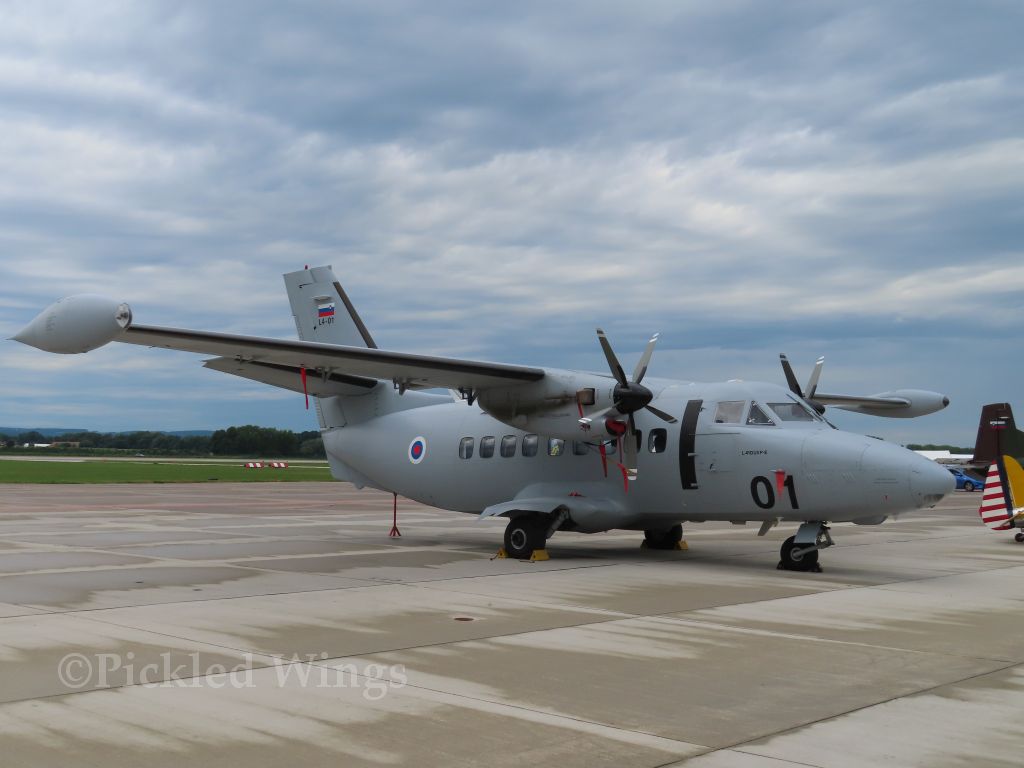
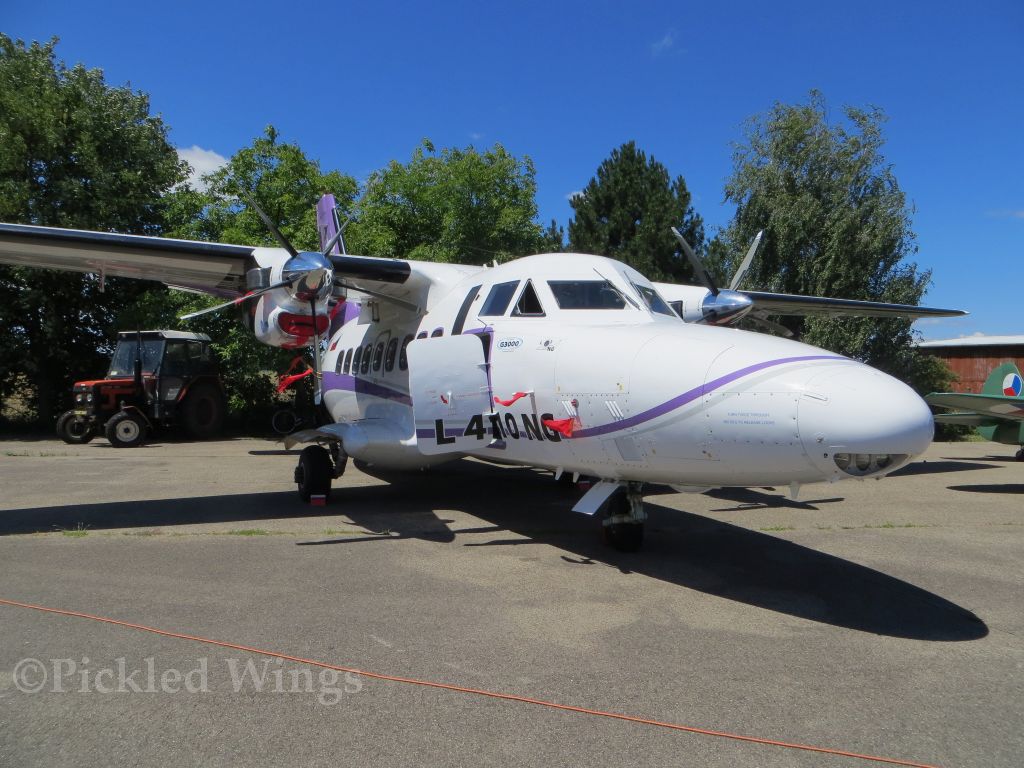
The Czech aircraft manufacturer, Let was established in 1936. The company matured from a maintenance branch of the much older Avia company to a successful aircraft design and manufacturing house in its own right. The company still operates from Kunovice, in the south-east of the Czech Republic, where it was founded.
This gallery shows contemporary and historic aircraft that Let participated in or were fully their own designs:
80 Years
Cathay Pacific, Ethiopian Airlines, and Scandinavian Airlines all celebrate 80 years, as does London Heathrow Airport.
The U.S. Navy’s Blue Angels flight demonstration team celebrates their 80th display season this year.
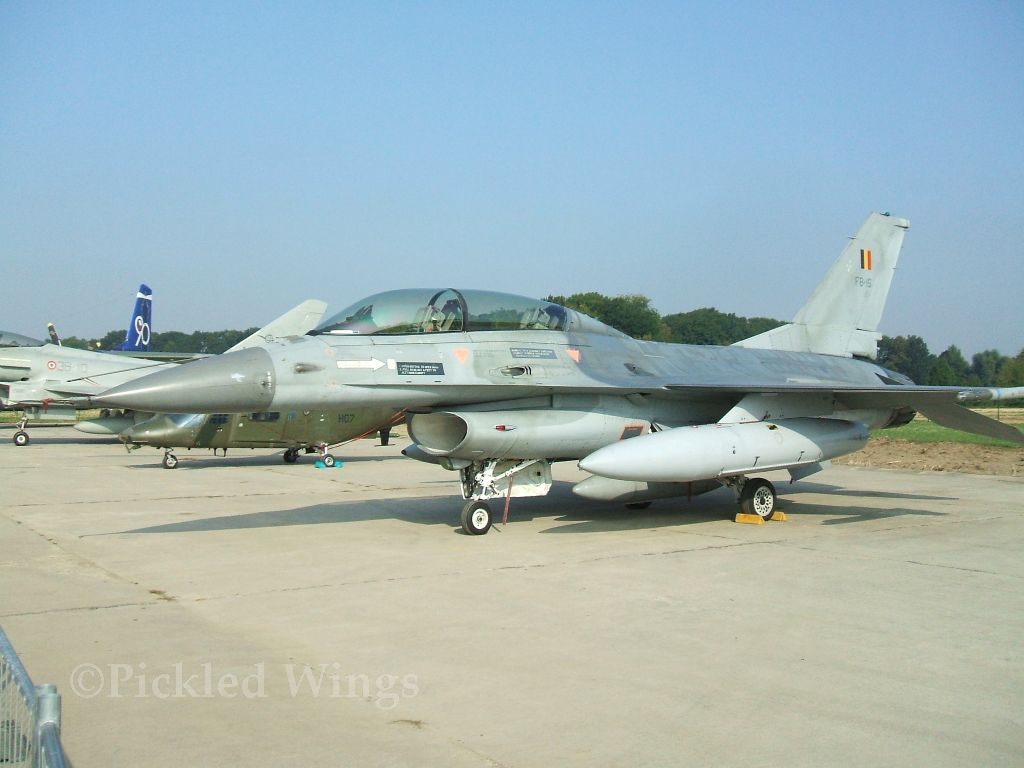
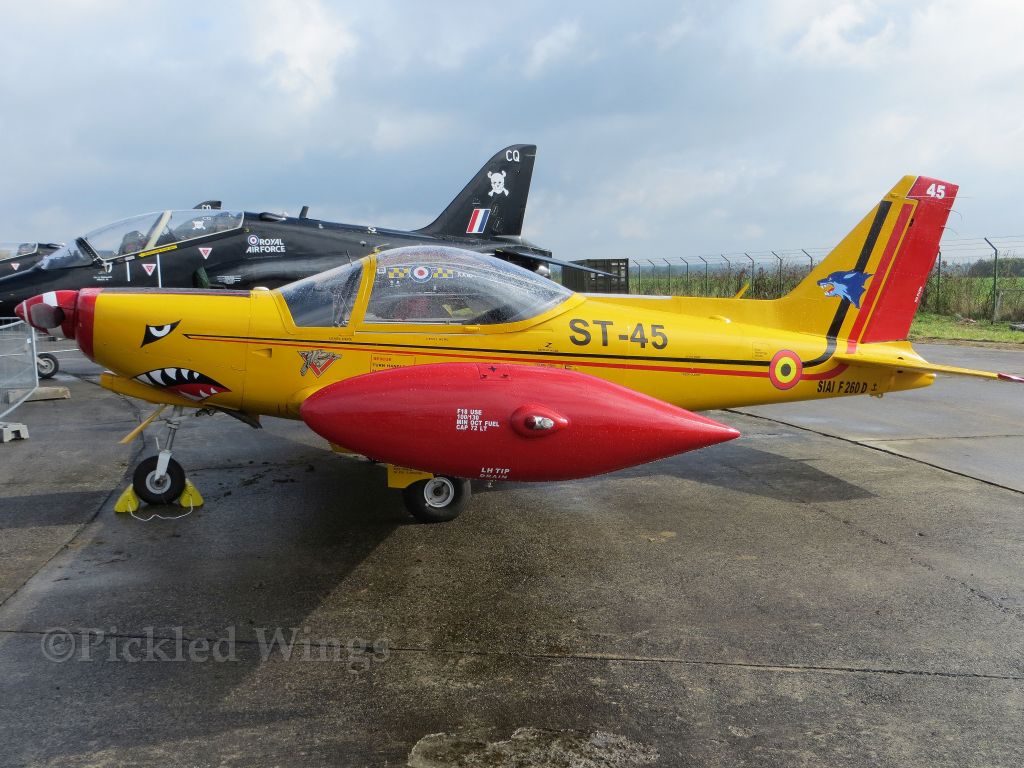
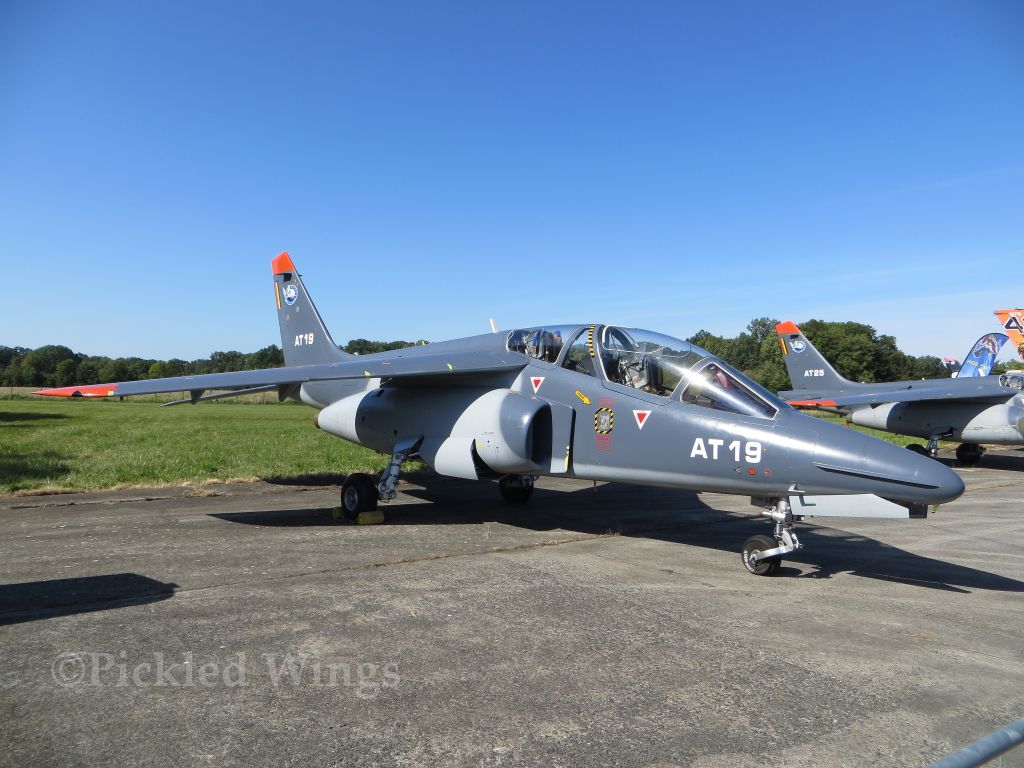
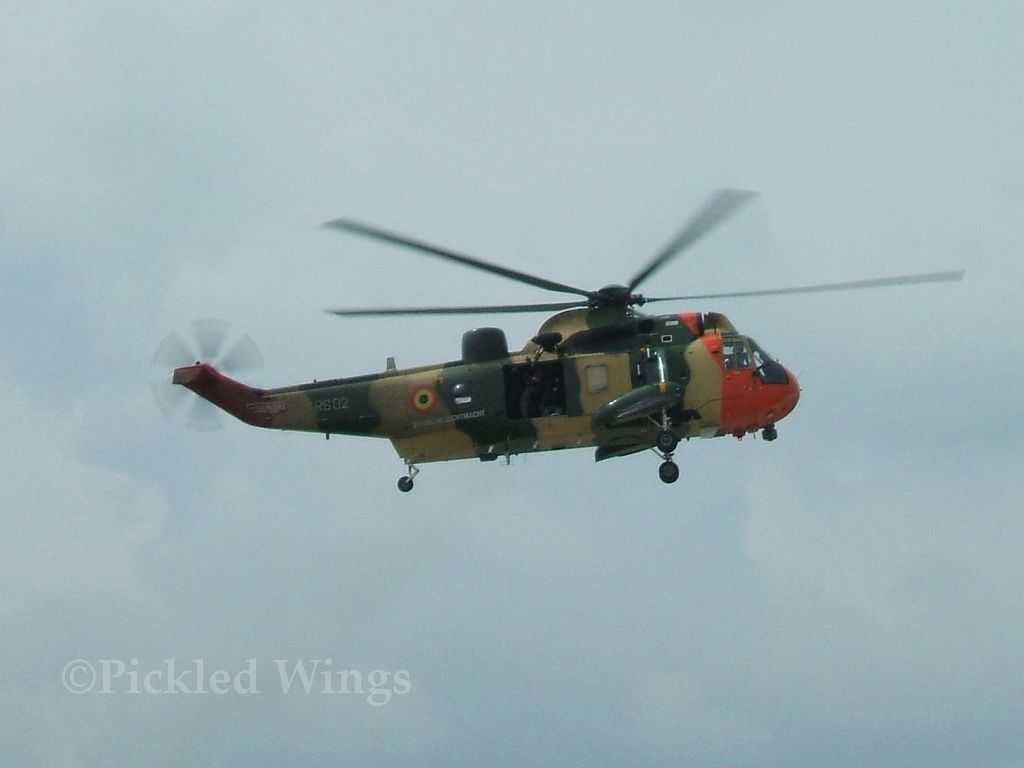
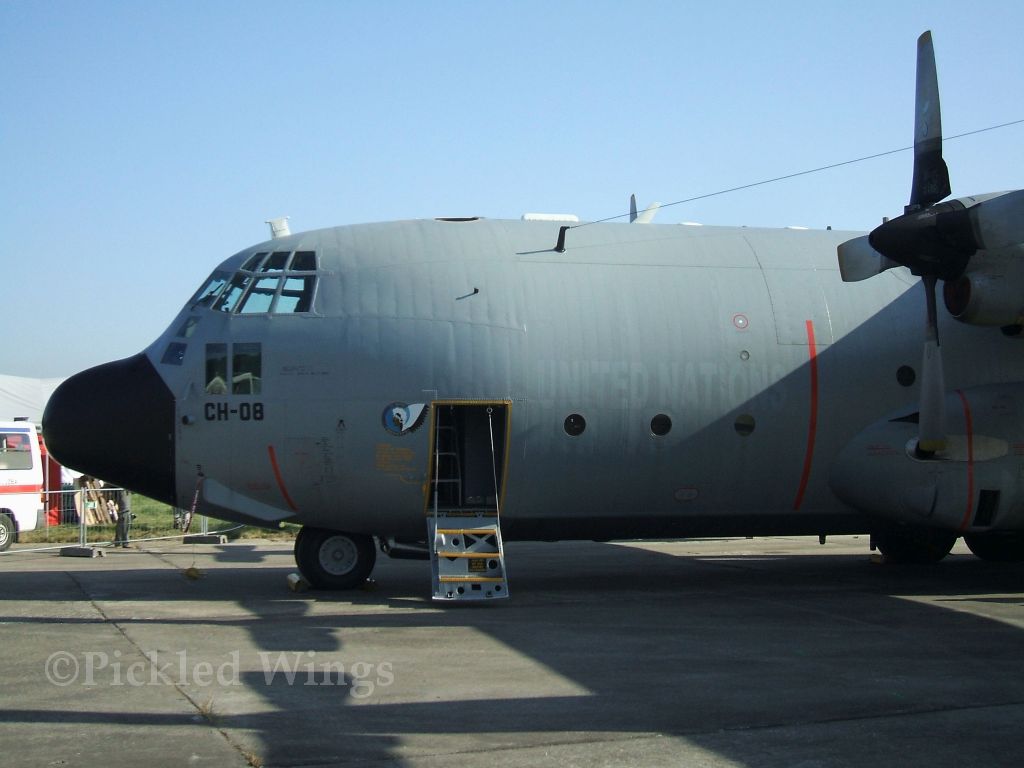
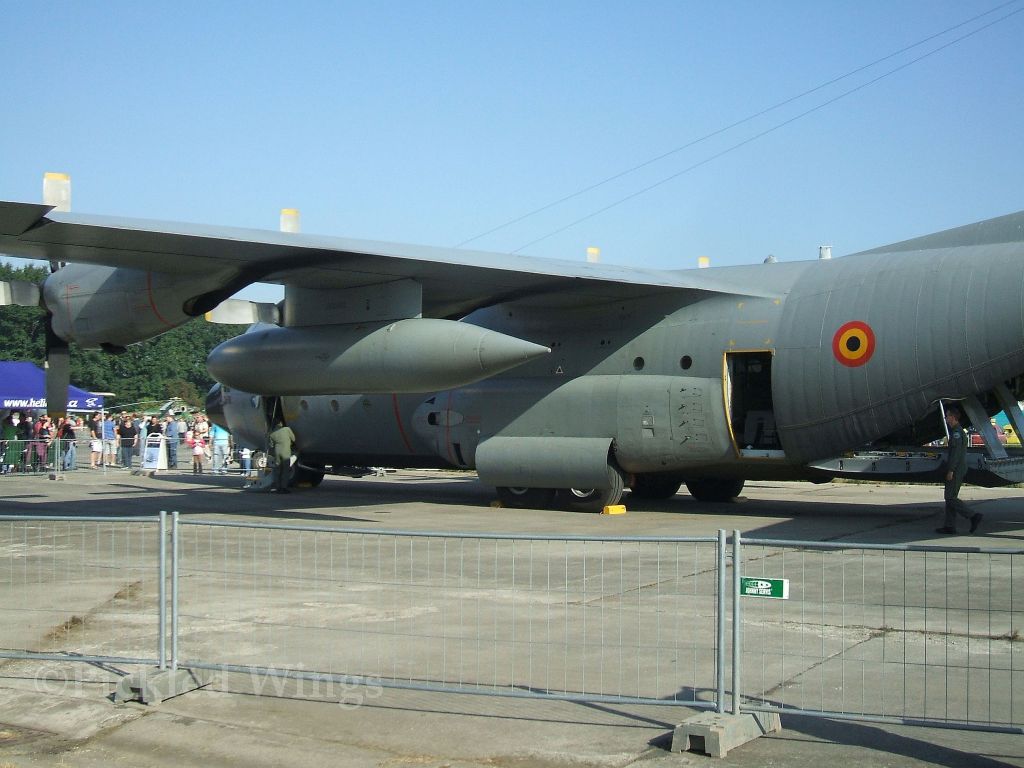
On October 15, 1946, the modern Belgian air force was established. Until that date, the nation’s military air power was a branch of the army.
Here’s a gallery of contemporary and historic Belgian air force aircraft I’ve taken at shows over the past 20 years or so:
70 Years
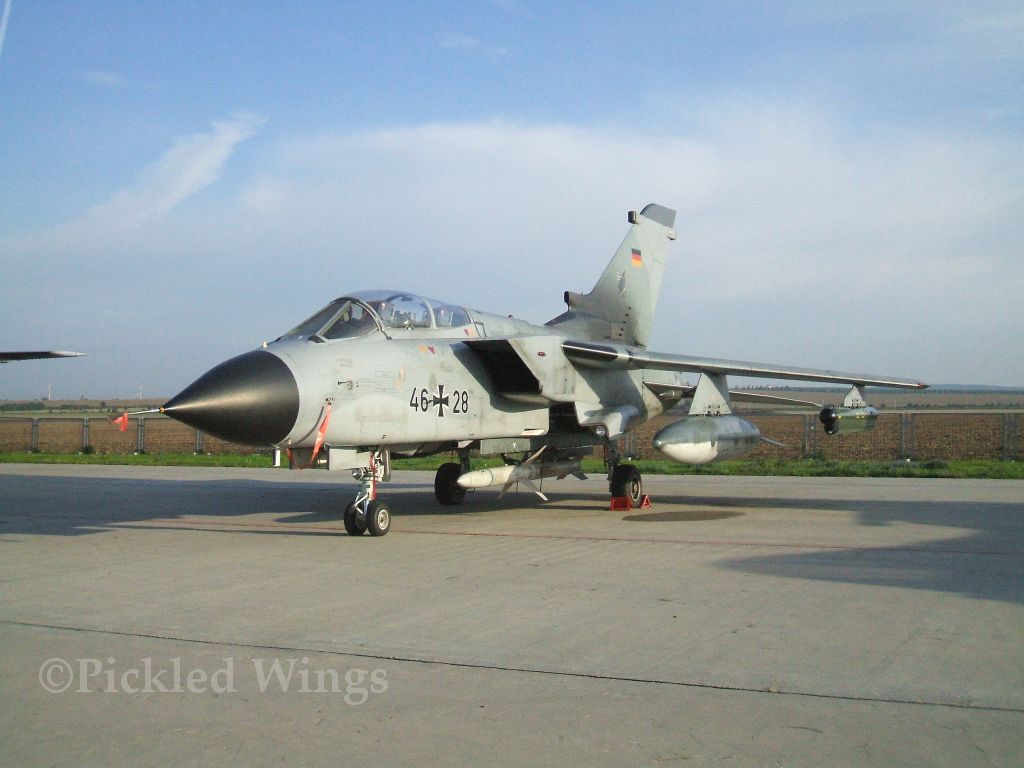
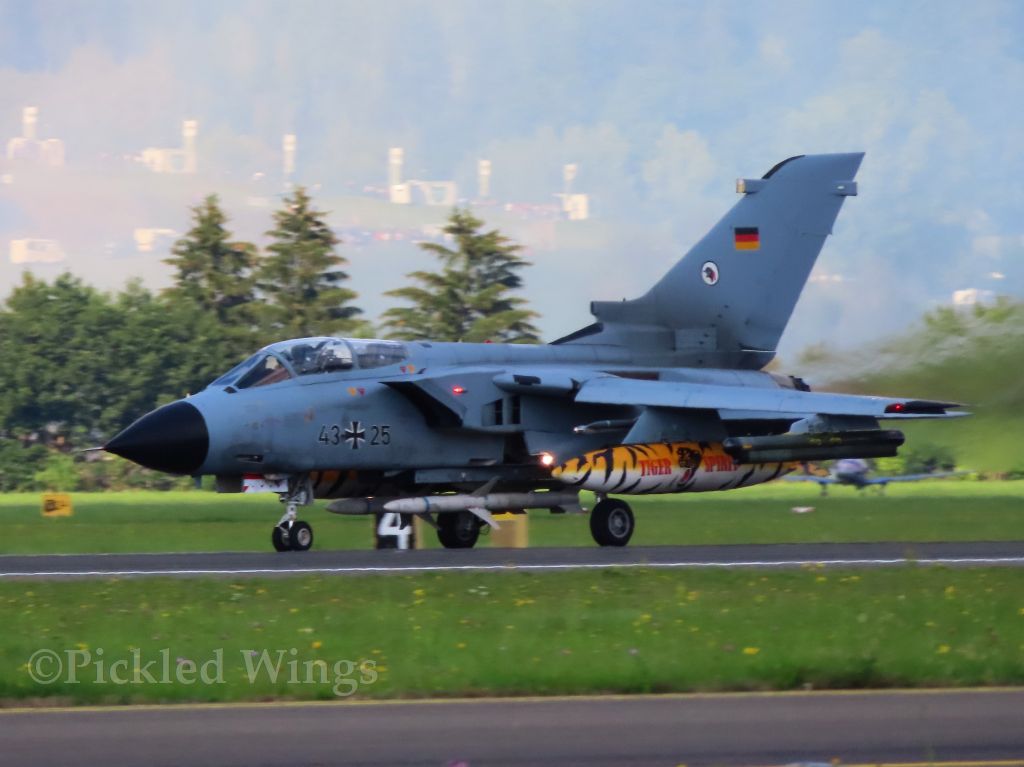
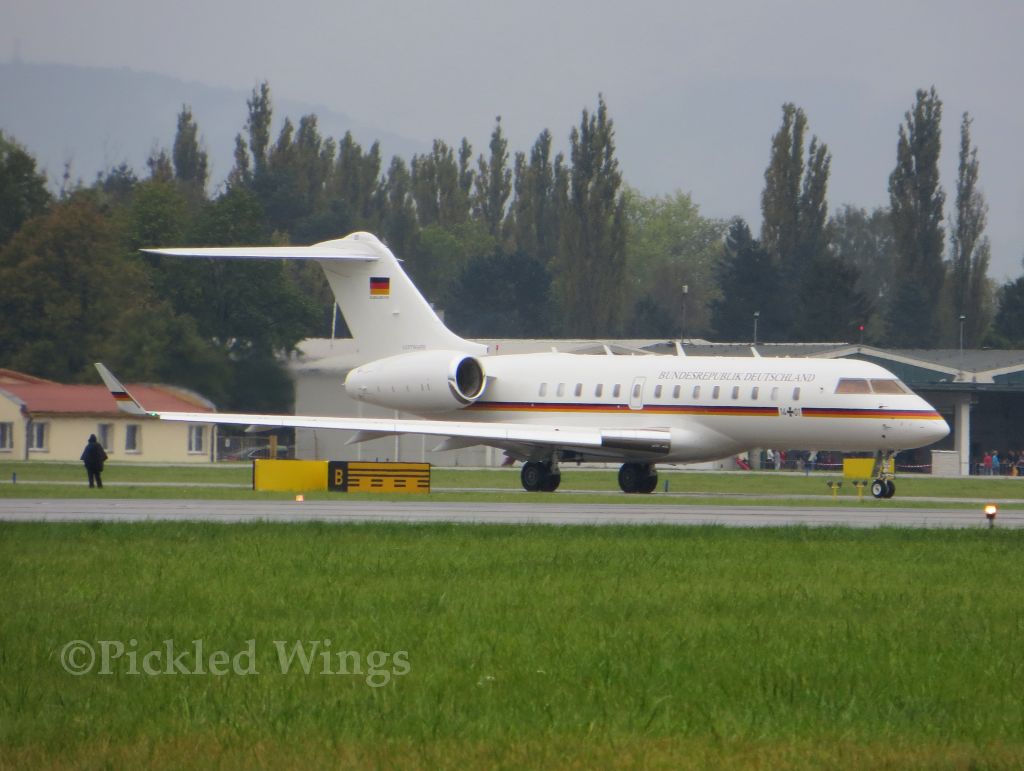
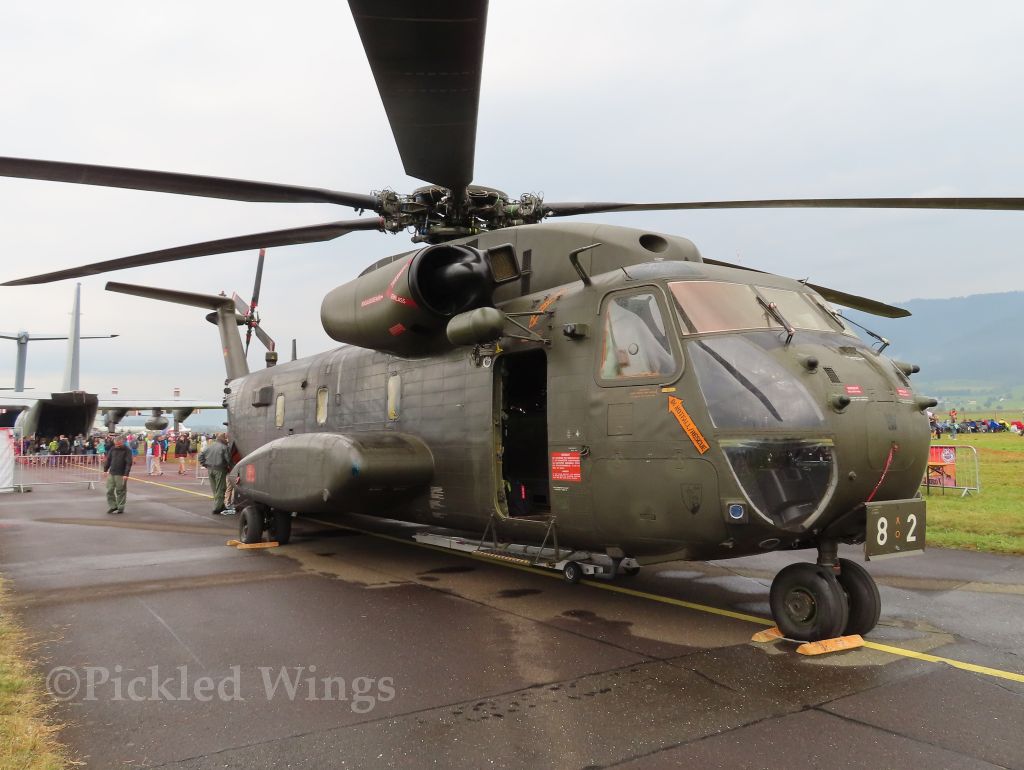
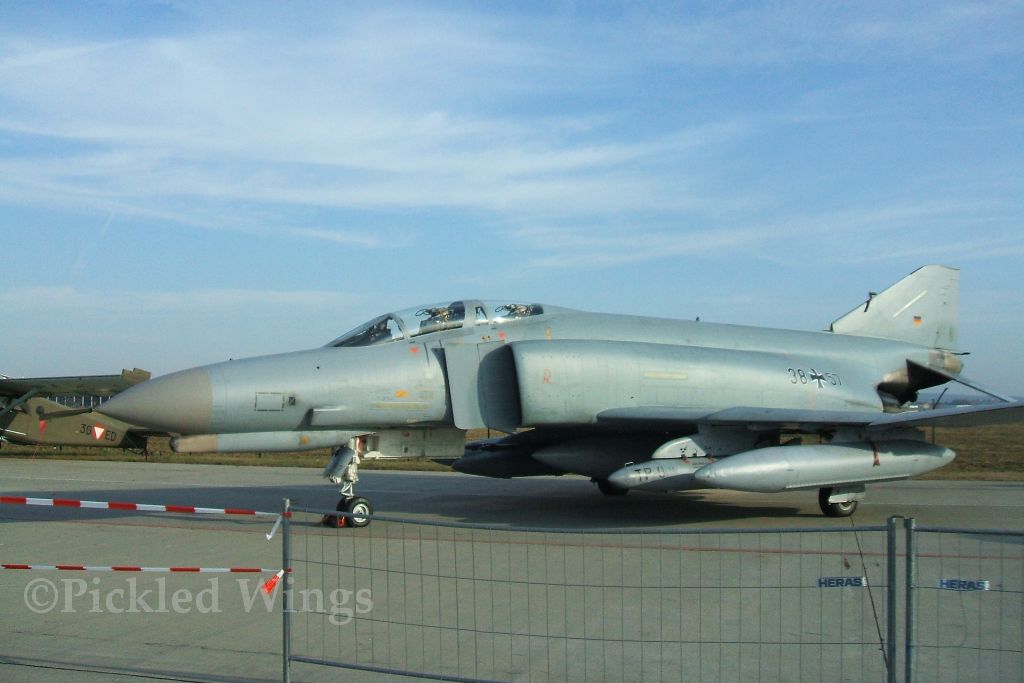
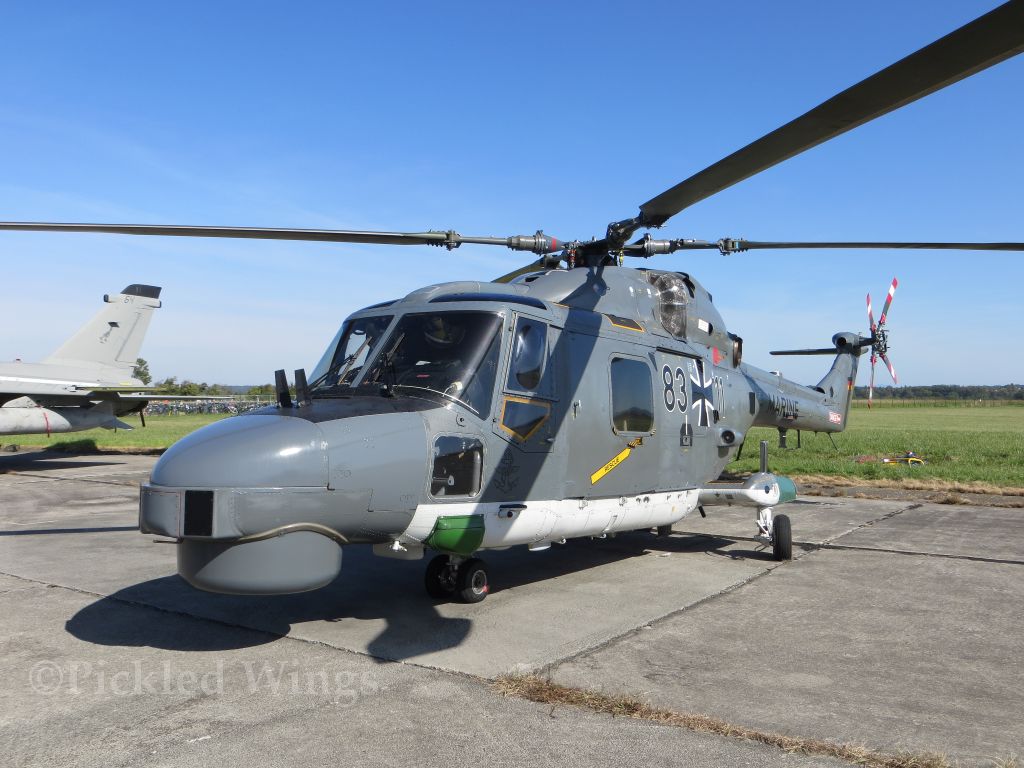
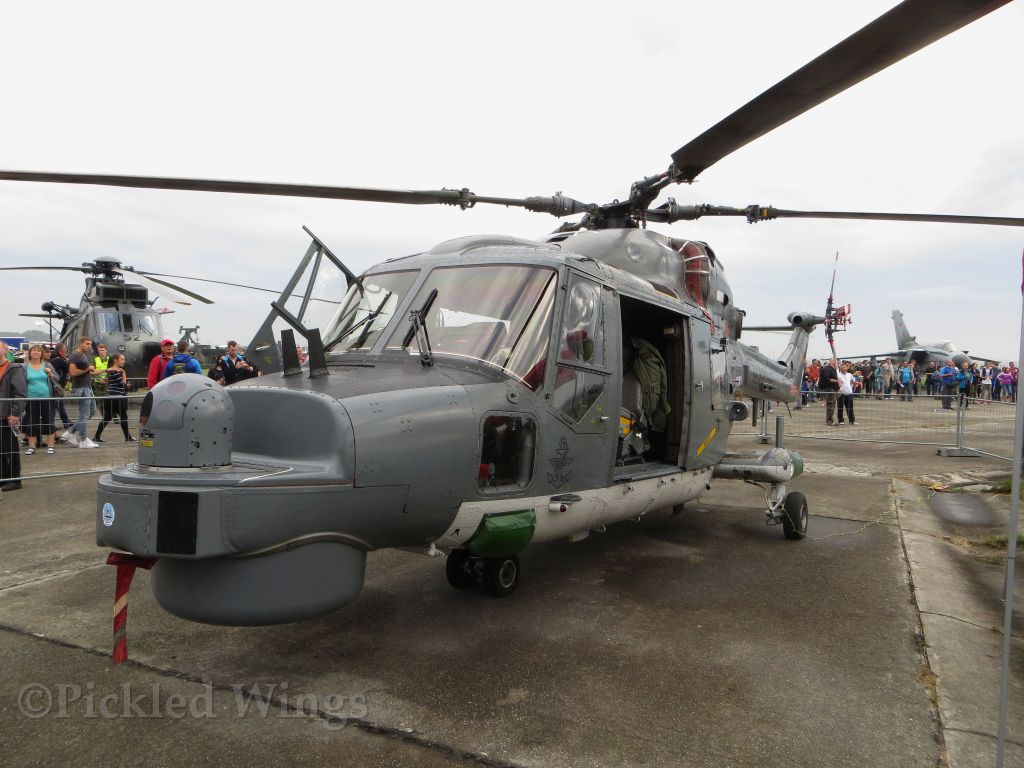
The mid-1950s saw the re-establishment of the German military. The air force and navy were both made operational in 1956. As such, the air force—Luftwaffe—shares a 70th anniversary with the Marineflieger, the air arm of the navy.
Some pictures I’ve taken of Luftwaffe aircraft at shows:
Some pictures I’ve taken of Marineflieger aircraft at shows:
May 30 and 31 marked the 2026 edition of the Aviatická Pouť airshow.
This year, the show was held at Hradec Králové rather than Pardubice where it usually takes place. The change of venue was due to the Czech air force Saab Gripen fleet being temporarily based at Pardubice and the hightened security measures in place because of it.
In late 2025, the Czech military decided they wouldn’t allow the show at Pardubice and told show organizers to find an alternate location. Happily, the show organizers were able to secure the airport at nearby Hradec Králové as the new location. In the scope of planning an event like an airshow, they were given relatively little time to find a solution. The show this year was quite enjoyable and the organizers should be commended for their perseverence.
I was there on Saturday, here’s a gallery of the show through my lens:
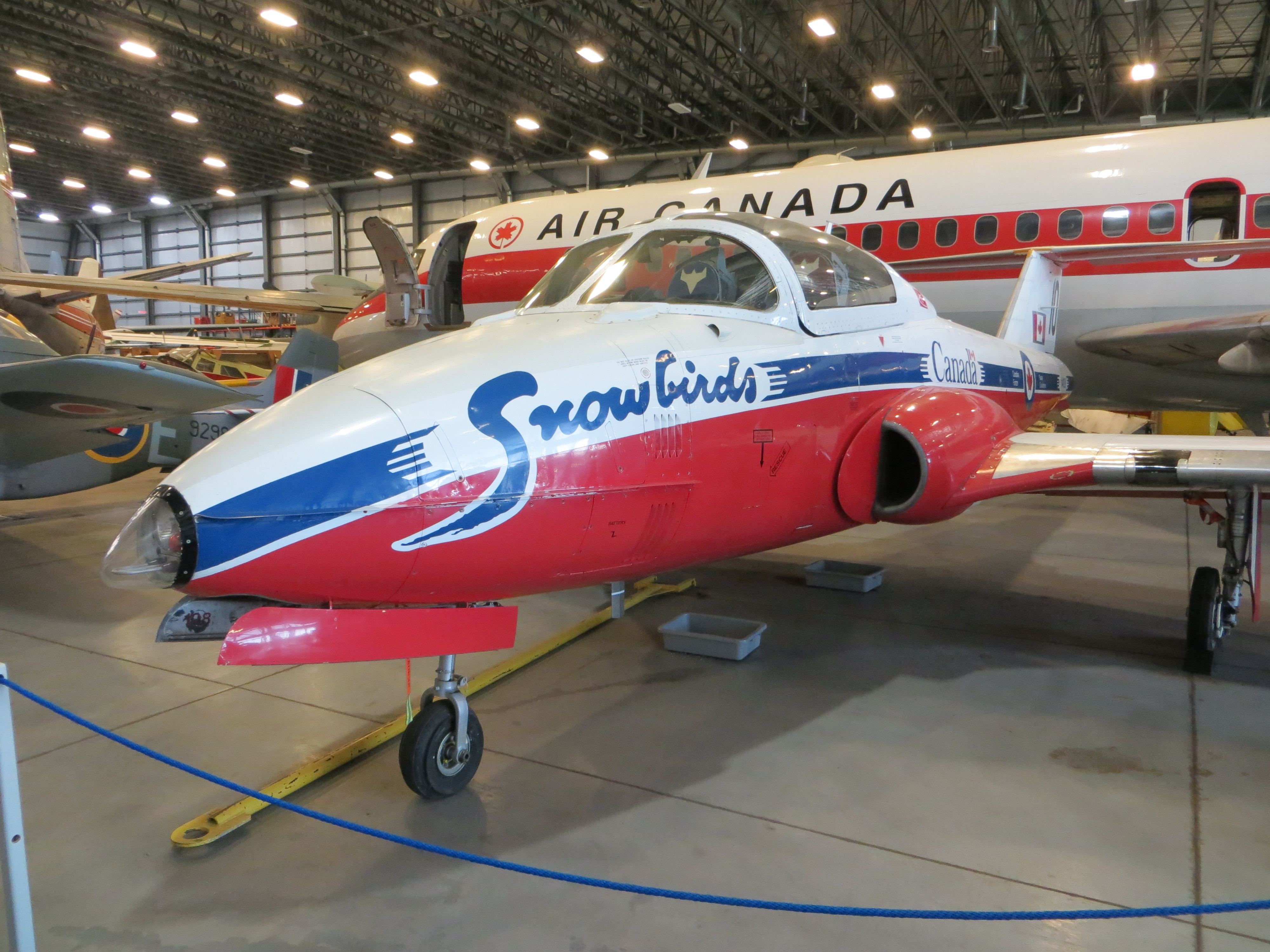
Word has come down today that following the 2026 airshow season, the Royal Canadian Air Force (RCAF) Snowbirds team will be stood down pending a new aircraft. Most likely the Pilatus PC-21.
I grew up watching the Snowbirds fly the Canadair CT-114 Tutor aircraft. However, these days the CT-114 is irrelevant to anything other than the Snowbirds.
My feeling is that if an air force is to have an aerobatics team, it should use an aircraft that represents something most people who join the force will have to work with regardless of where they go from there.
Turboprop aircraft are definitiely the way most air forces are going with training. The Swiss made Pilatus PC-21 is the most likely choice of new aircraft for the Snowbirds. I’ve seen the PC-21 perform and it’s definitely no slouch. It will serve the Snowbirds well if that is ultimately what they choose as their next mount.
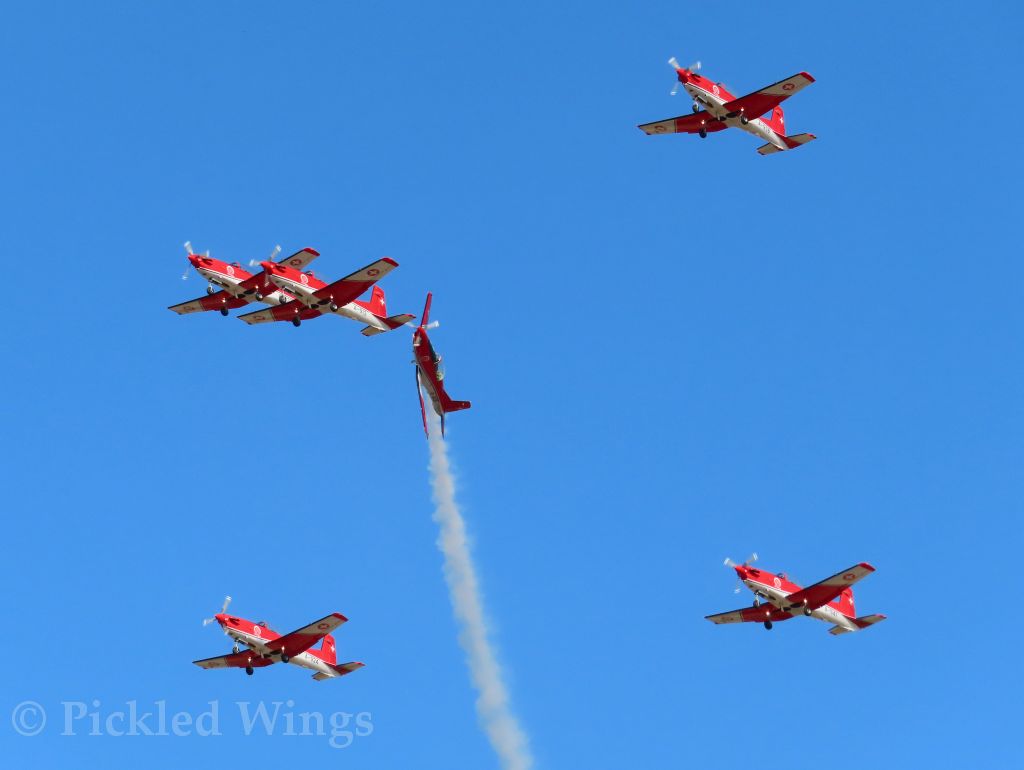
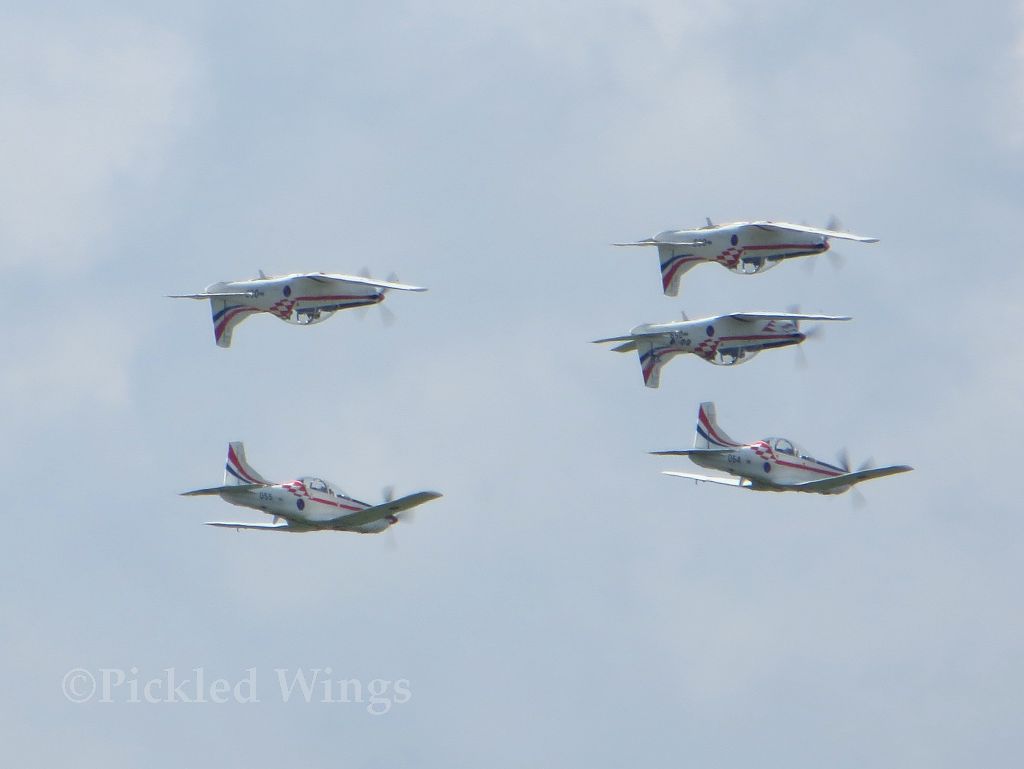
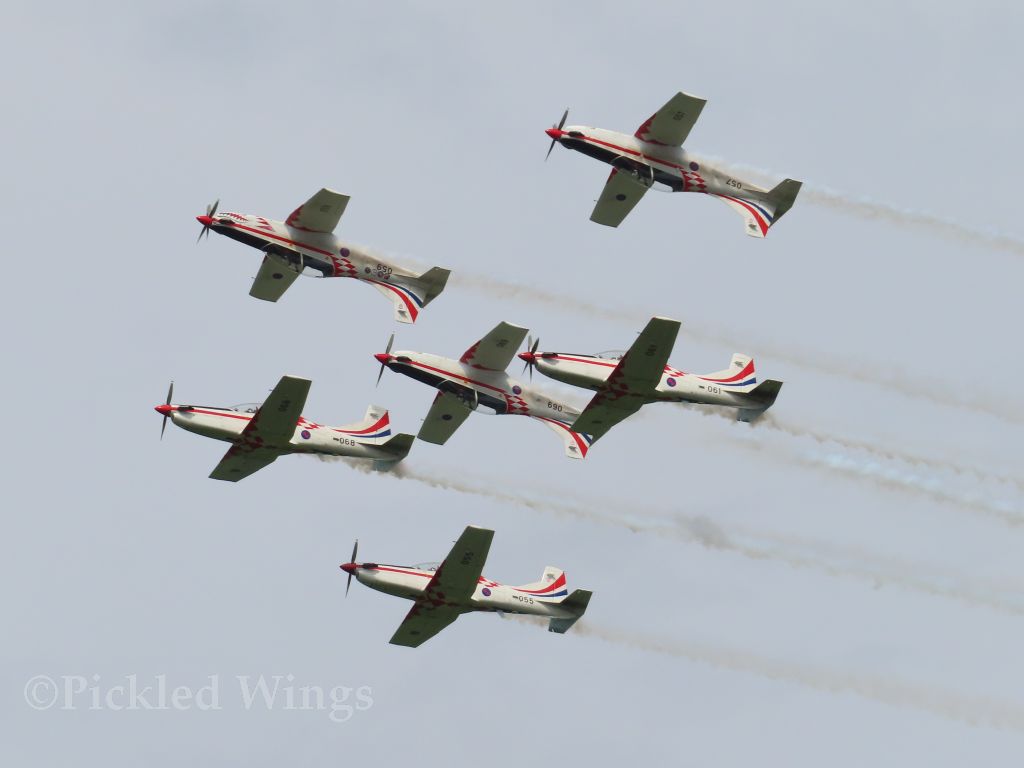
Here’s some photos of a few European turboprop based teams I’ve had the pleasure of seeing.
In early April of 2026, my visit to the excellent air museum at Berlin-Gatow in Germany gave me the chance to make a significant update to my existing article on it.
Since then, I’ve taken the time to update some other existing articles on the site.
In connection with the museum visit, I’ve updated my articles on the Breguet Atlantic and Canadair Sabre. The Atlantic article got all new photos and a light edit to the text. The Sabre article got a couple of new photos and a substantial re-formatting of the text.
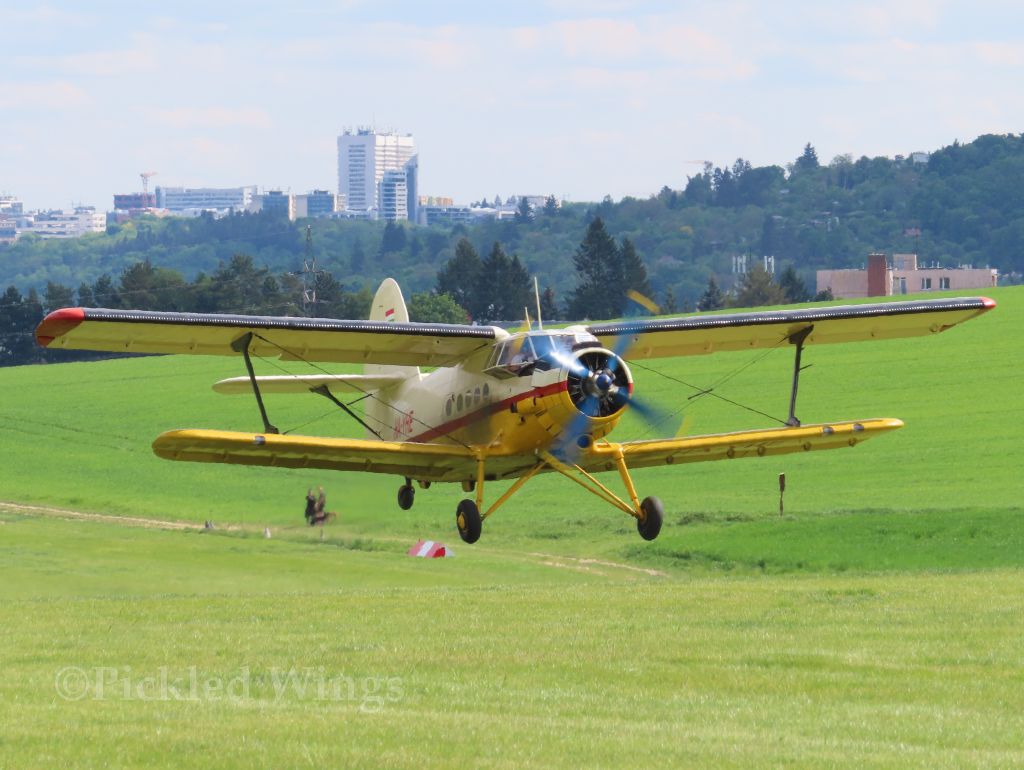
More unexpectedly, I was able to make extensive changes and expansions to my article on the Antonov An-2 “Colt”. It was one of the older articles on the site, and increasingly not up to scratch with more recent ones. In early May of 2026, an An-2 flew into my local airport and that gave me the inspiration I needed to give the article an overhaul.
As always, I hope you enjoy the updates as much as I enjoy making them.