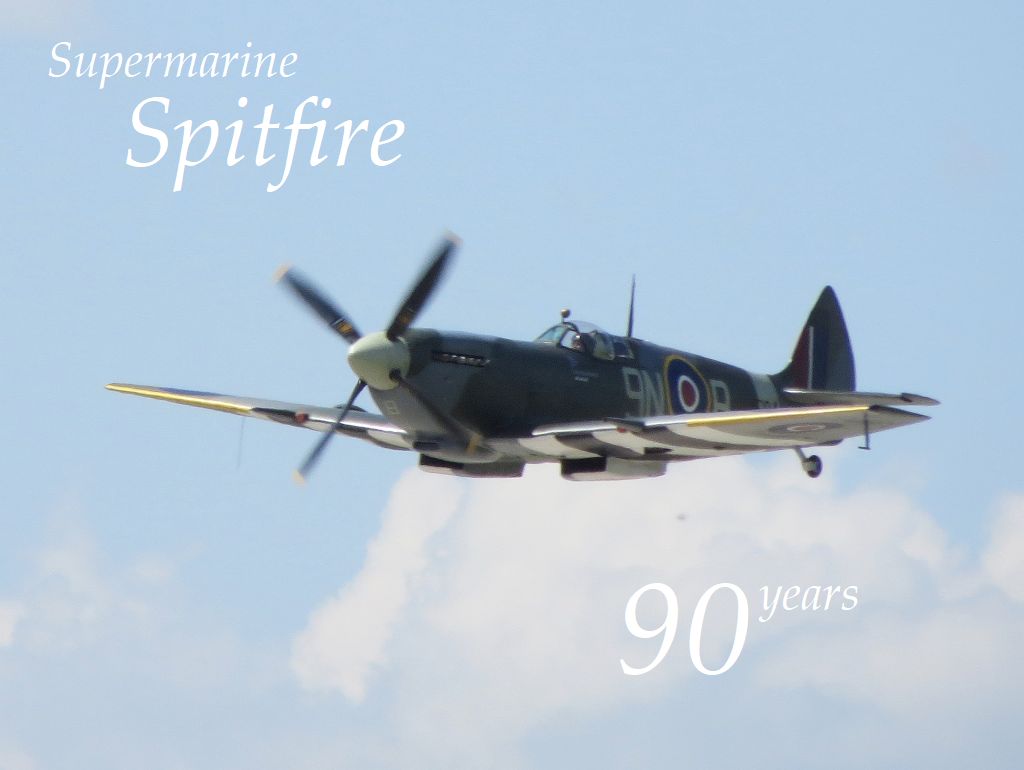
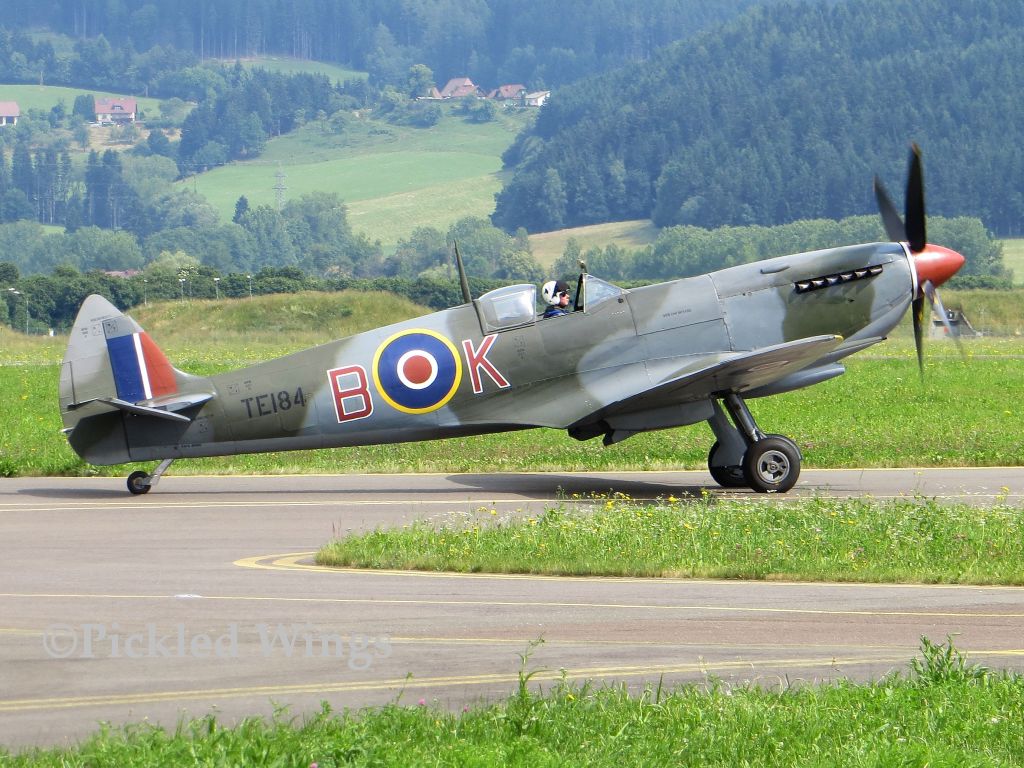
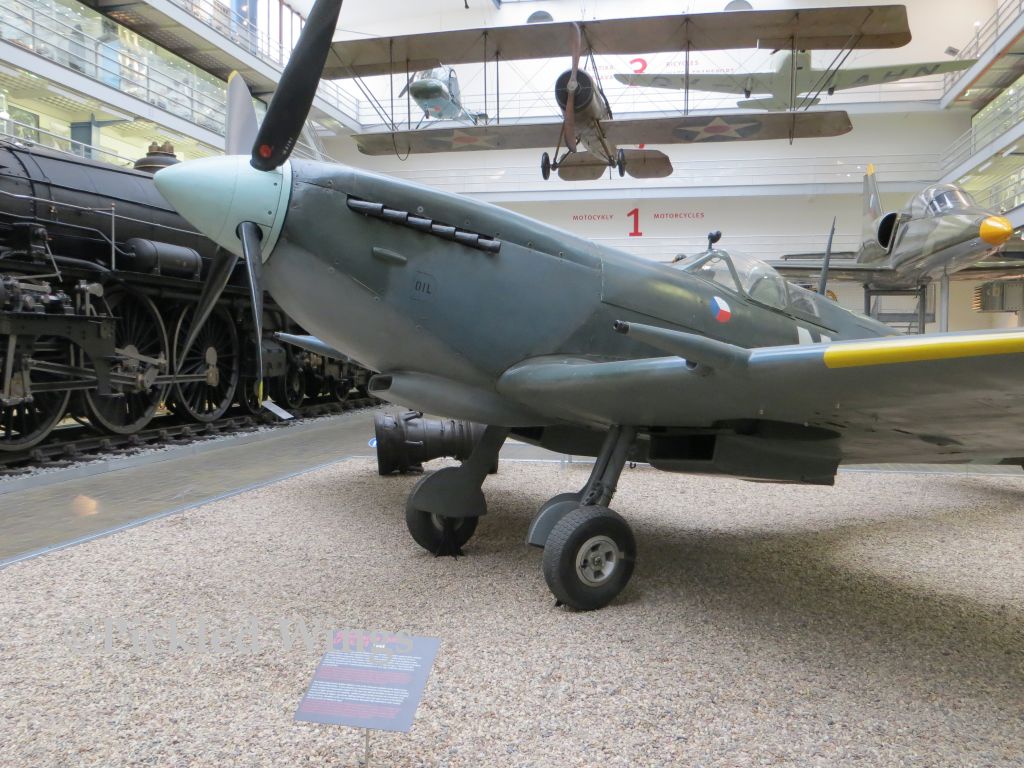
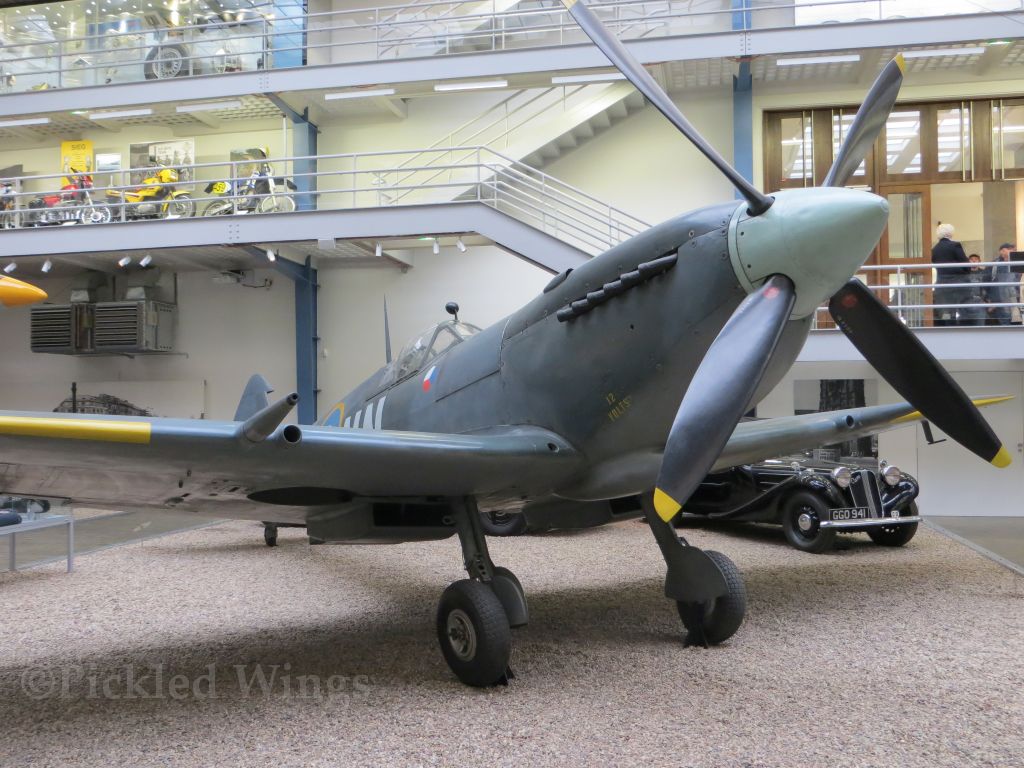
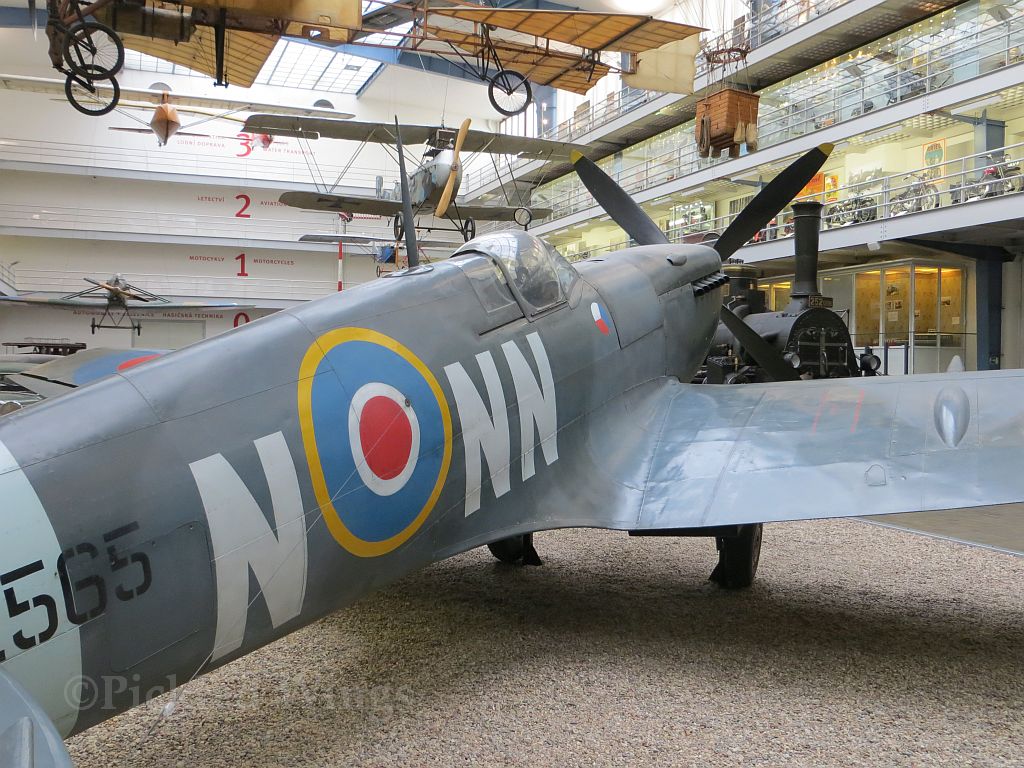
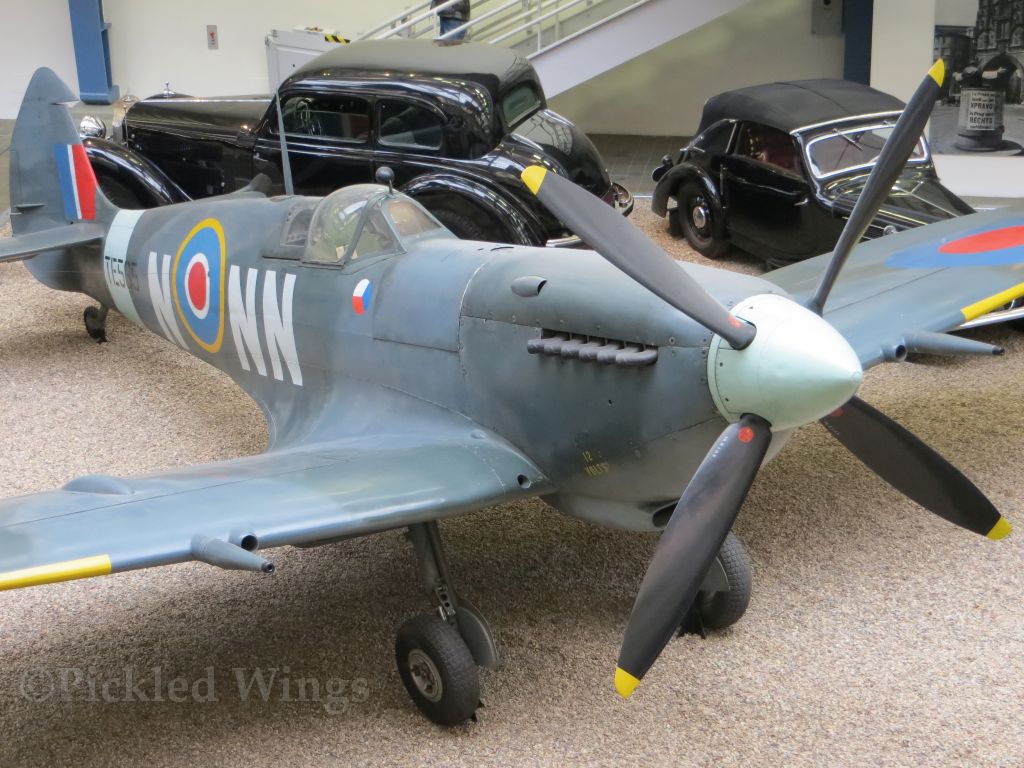
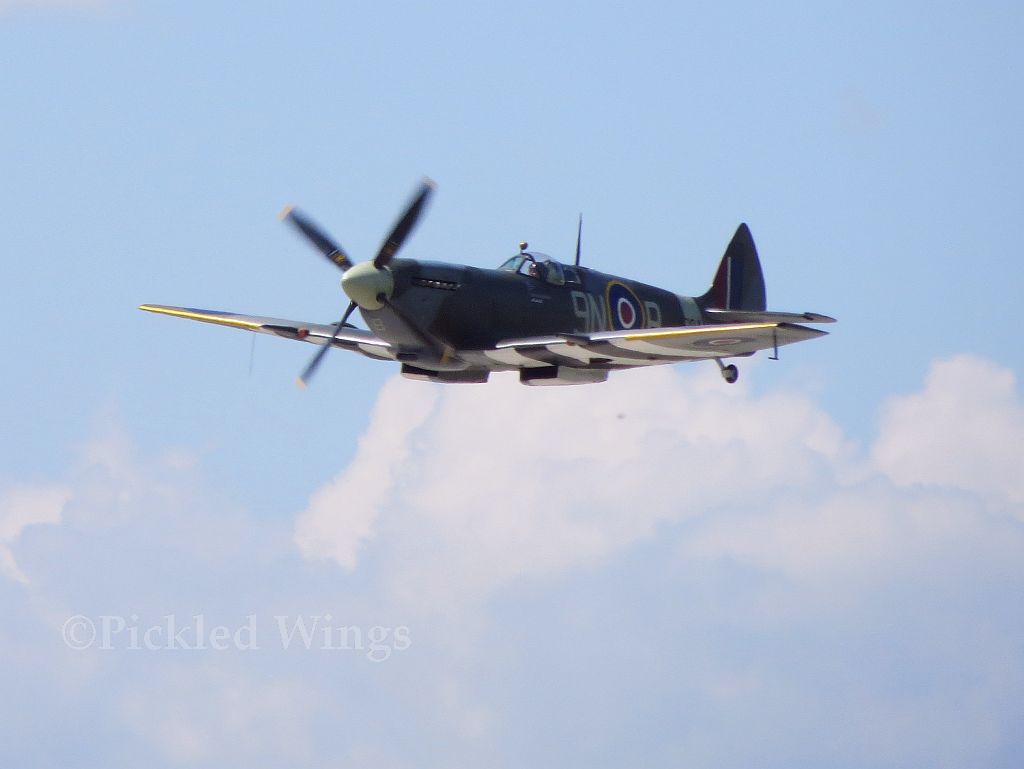
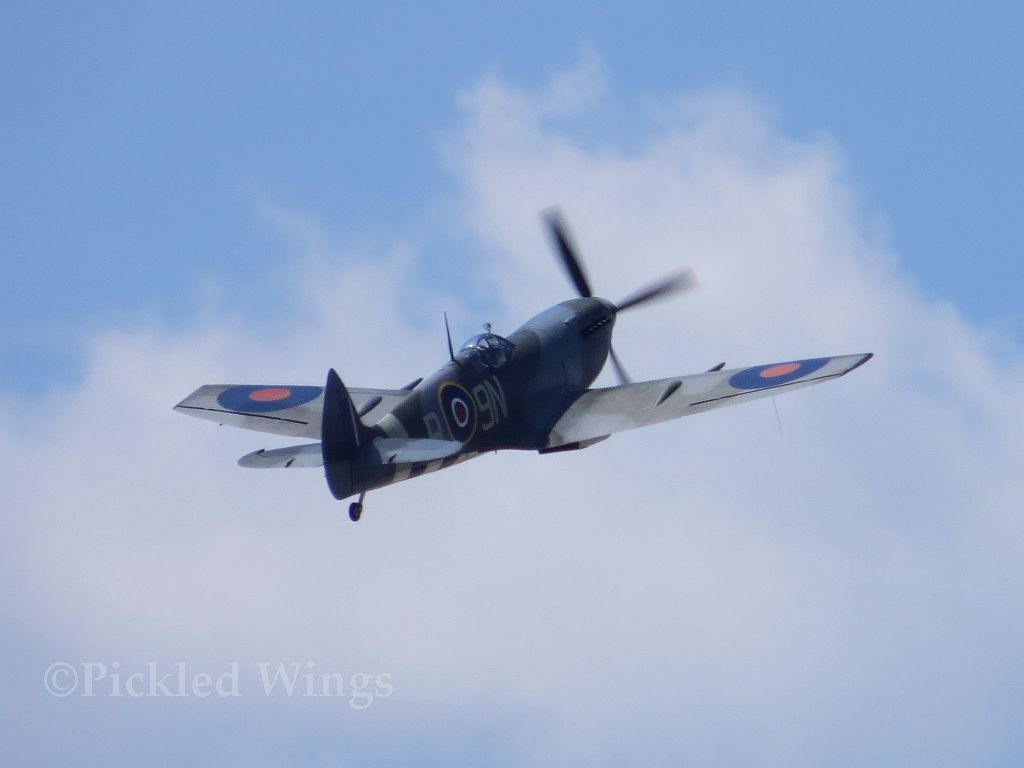
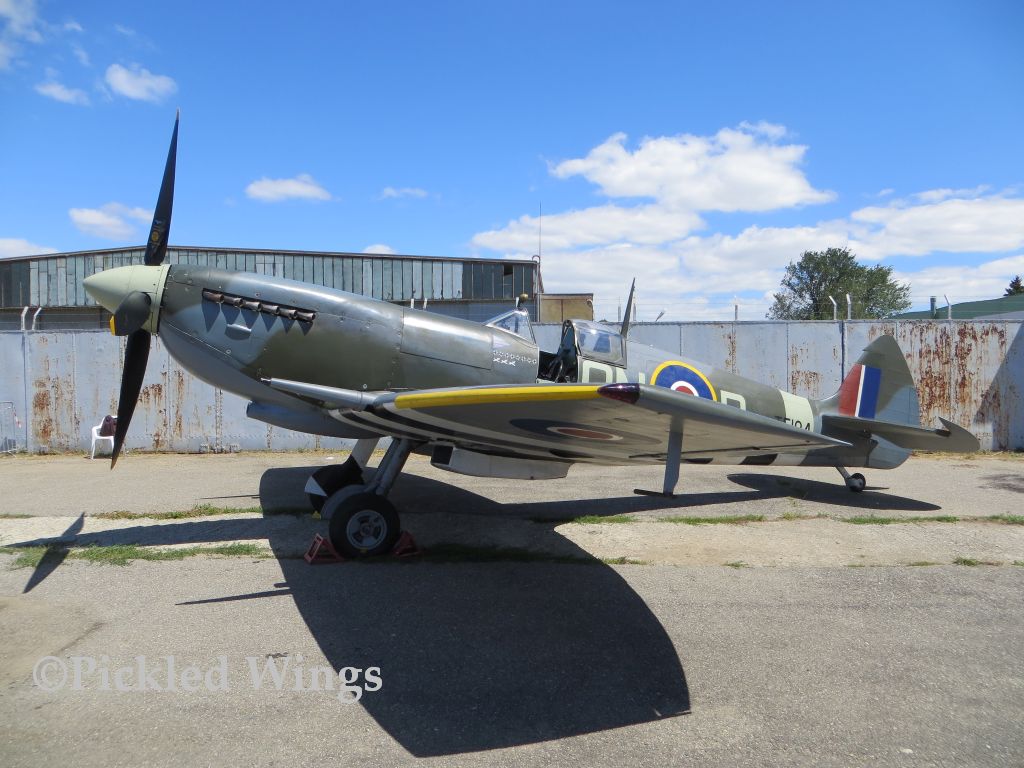
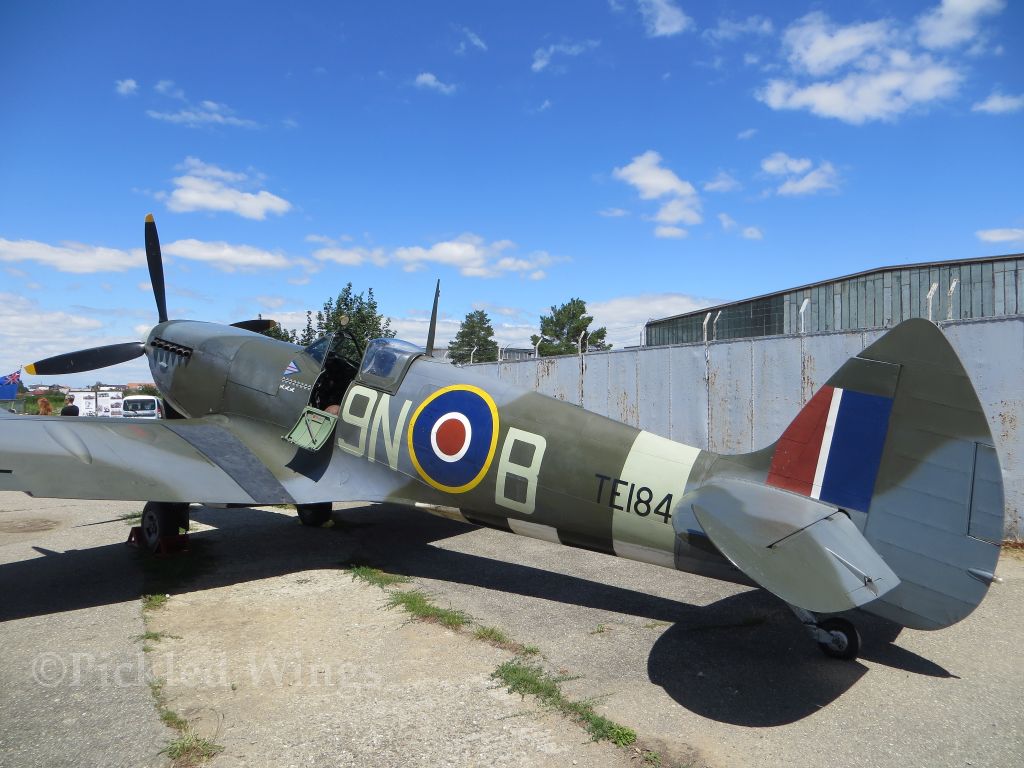
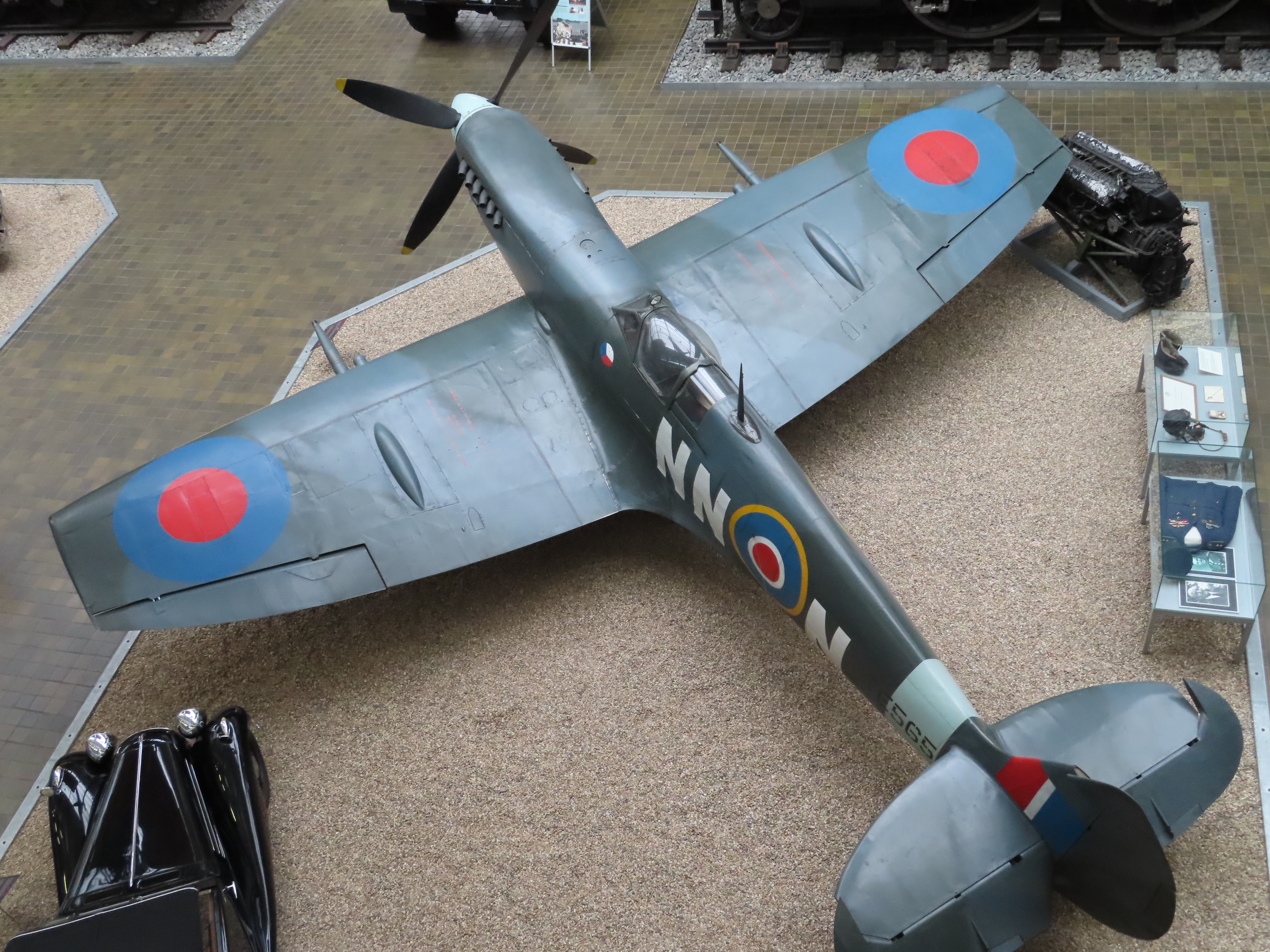
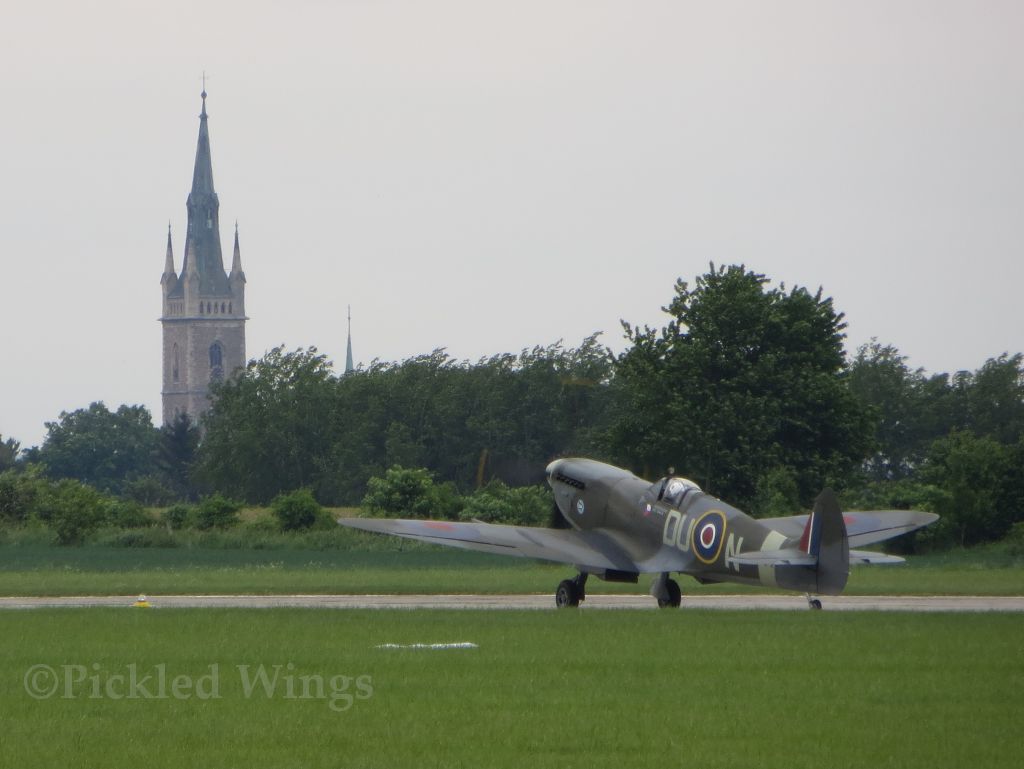
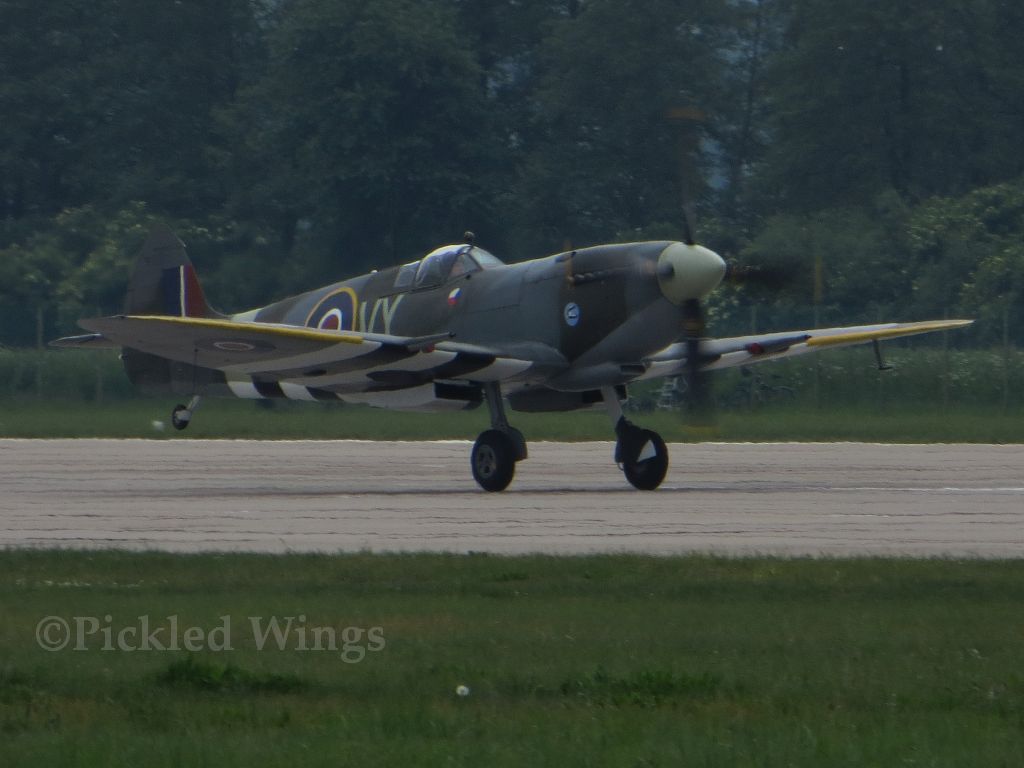
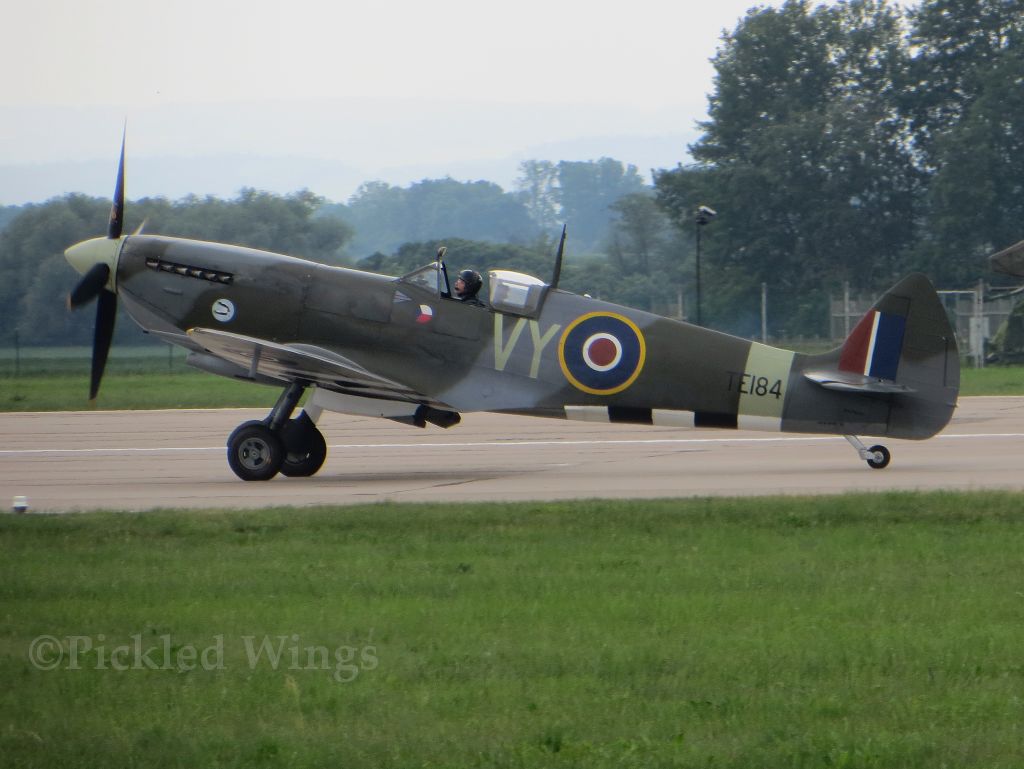
March 5, 2026 marks the 90th anniversary of the legendary Supermarine Spitfire!
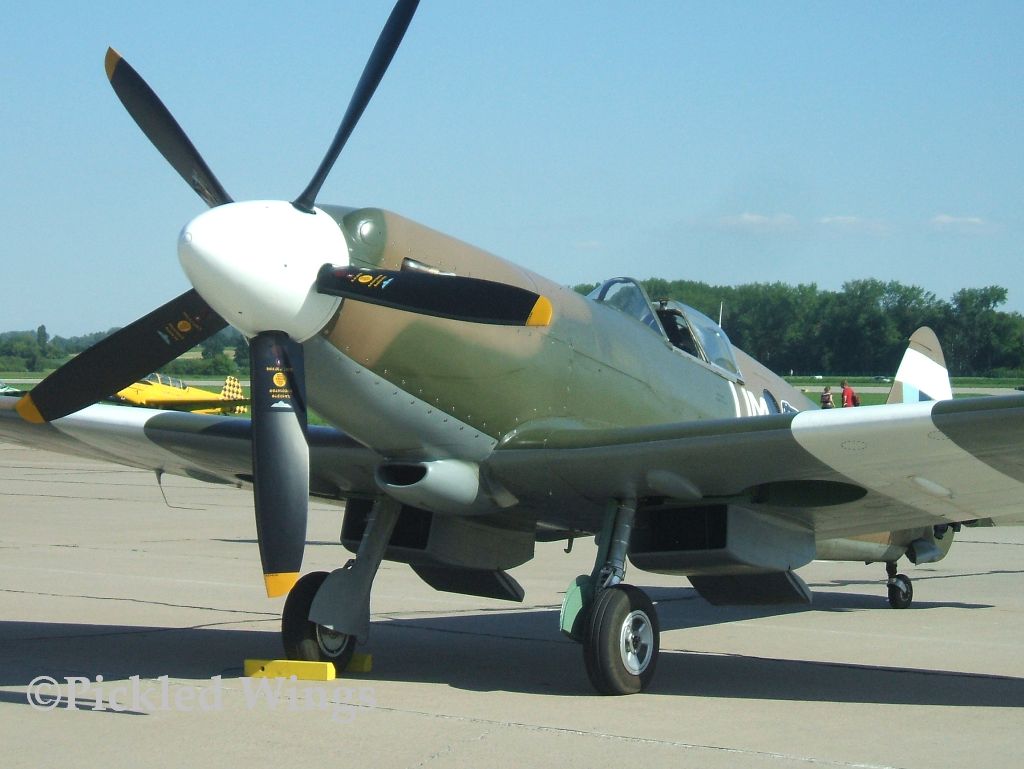
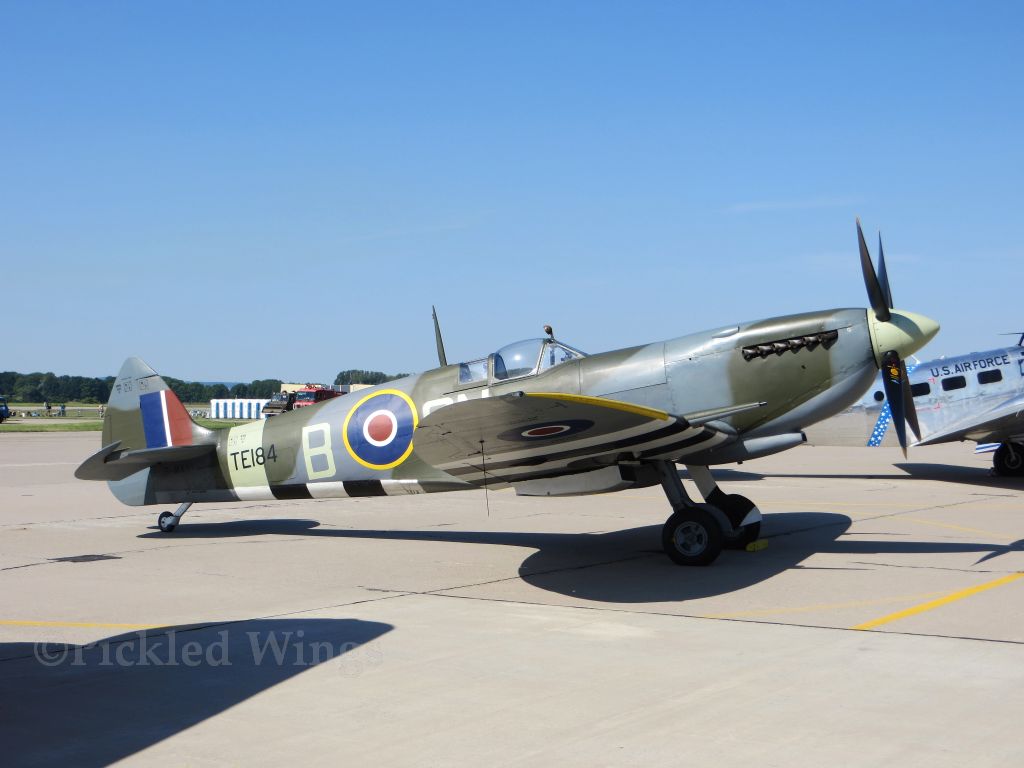
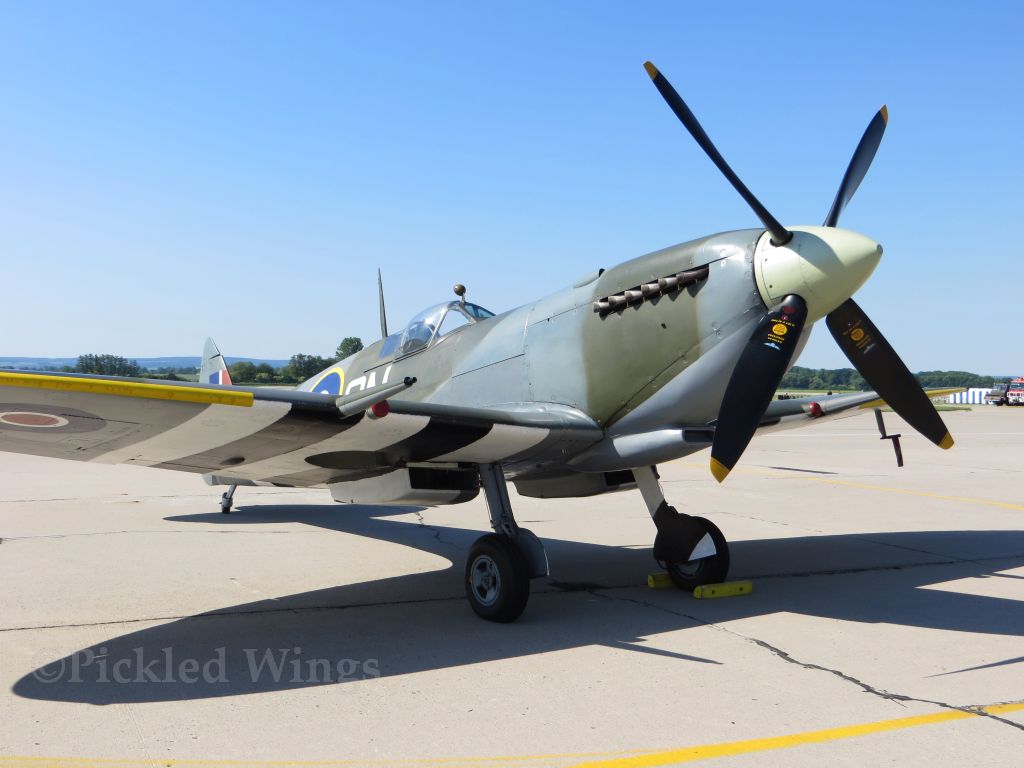
Here’s a small gallery of Spitfires I’ve photographed here and there over the years:
A website for Preserved Aircraft of All Eras
March 5, 2026 marks the 90th anniversary of the legendary Supermarine Spitfire!
Here’s a small gallery of Spitfires I’ve photographed here and there over the years:
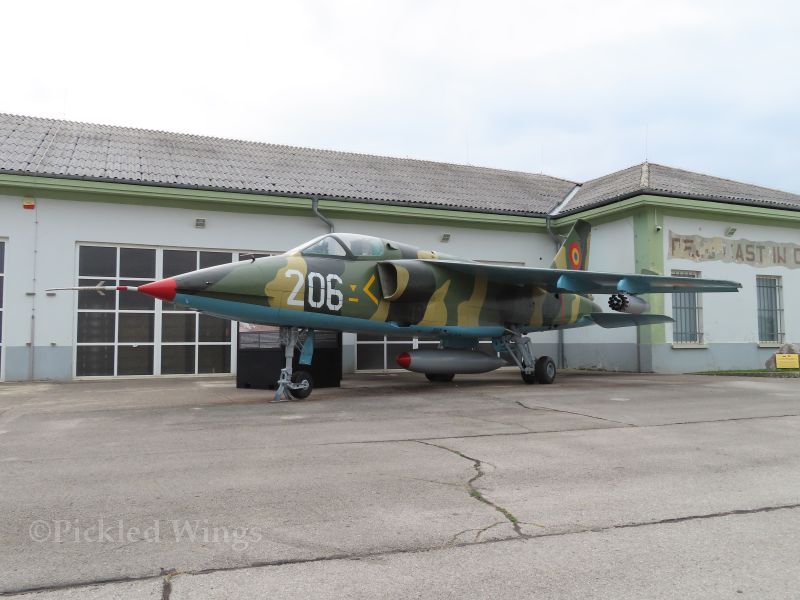
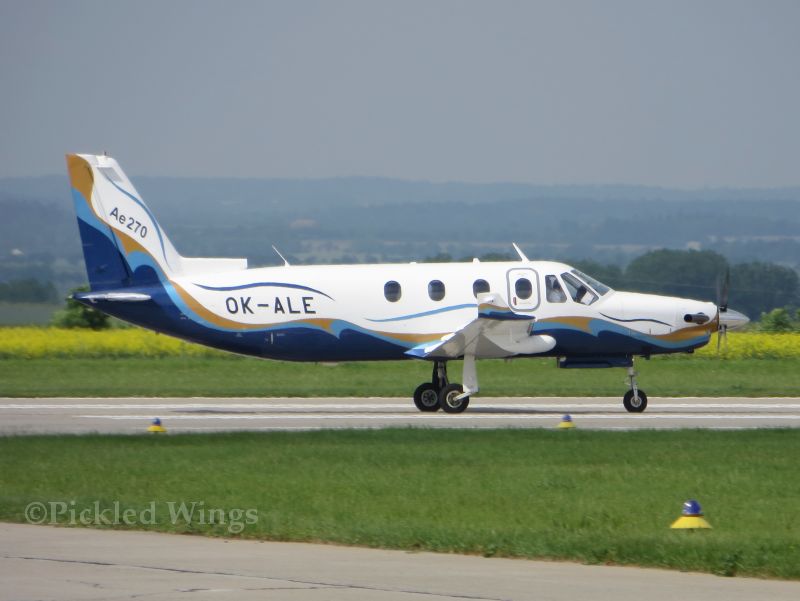
I’m pleased to announce that I’ve made major improvements to a pair of articles that have been on the website since the early days of it.
The first is the Soko J-22 and Avioane Craiova IAR-93 article. The upgrade includes new photos and text revisions that include new sections.
I also expanded the Aero Ae-270 Ibis article. The upgrade includes more pictures and new sections.
I hope you will enjoy the improvements as much as I enjoyed making them!
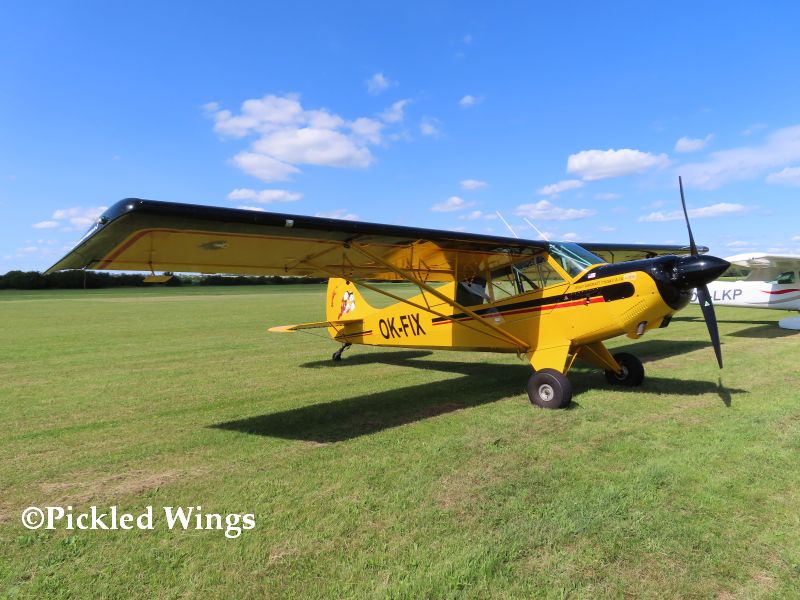
Aviat Aircraft—Inheriting a Heritage
Afton is a small town in Wyoming, USA, with an aviation history that stretches back to 1939. Since its founding in 1991, Aviat Aircraft has kept Afton in the aircraft-building business.
In 1939, the Call Aircraft Company (CallAir) was established in Afton with the goal of designing and building touring aircraft. The company’s aircraft-building activities were delayed by the Second World War, and it operated as an aircraft repair facility for the duration of the conflict. CallAir designed and produced a small number of utility and agricultural aircraft from the late 1940s to its dissolution in 1962.
The Intermountain Manufacturing Company (IMCO) was formed in 1962 to purchase the CallAir assets and continue production of the CallAir A-9 agricultural aircraft. In 1966, IMCO was purchased by Rockwell-Standard, and production of the A-9 was moved in 1967 from Wyoming to Georgia, where it was continued by Aero Commander, a subsidiary of Rockwell-Standard.
By the early 1970s, the former CallAir and IMCO facilities were occupied by Aerotek, a partnership of Herb Anderson (former designer and engineer at CallAir), Doyle Child, and legendary aerobatics pilot Curtis Pitts. Pitts had received FAA certification for serial production of his very popular Pitts Special aerobatic biplane in 1971 and granted Aerotek a licence to produce it. Pitts and Child purchased Anderson’s shares in the company shortly thereafter. In 1977, Pitts sold his remaining interest in the company to Child and retired.
In 1983, Doyle Child sold the Pitts Special to Frank Christensen. Christensen had previously attempted to purchase the aircraft rights to the Pitts Special but was unable to reach an agreement with Curtis Pitts. In response, Christensen designed his own aerobatic biplane and, in 1972, founded Christen Industries to produce it in kit form as a homebuilt aircraft. Known as the Christen Eagle, the aircraft enjoyed great popularity.
With the purchase of the Pitts Special and other Aerotek assets, Christensen moved his aircraft-building operation from Hollister, California, to Afton in 1984 to take advantage of the larger facilities, skilled workforce, and lower operating costs available there. This move proved timely, as FAA certification for series production of the Christen Eagle had already been granted.
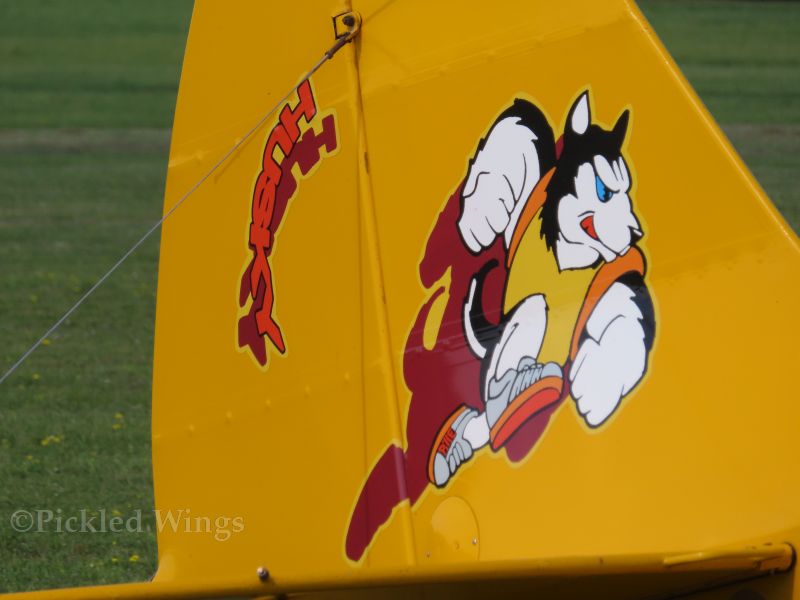
The early 1980s saw demand for aircraft such as the Pitts Special and Christen Eagle decline as monoplane aerobatic aircraft made of modern materials gained popularity. In response, Christensen looked for another aircraft to produce to offset the shortfall. Initially, he attempted to purchase the production rights to older, discontinued aircraft—such as the venerable Piper PA-18 Super Cub—but was unable to reach an agreement on price.
Unable to acquire the rights to an existing design, Christensen undertook the design of a completely new aircraft, which became known as the A-1 Husky.
The Christen A-1 Husky first flew in 1986 and has the distinction of being one of the few fully new light aircraft designs to be put into series production in the USA during the latter half of the 1980s. Designed as a short takeoff and landing (STOL) aircraft, it was ideally suited to bush flying and difficult-to-access backcountry areas. The aircraft was a success from the outset and remains popular to the present day.
Aviat Aircraft purchased Christen Industries in 1991 and has continued to develop the Husky, ensuring that the aircraft remains viable and popular while keeping Afton’s aviation heritage alive.
Let’s spend some time with the Husky:
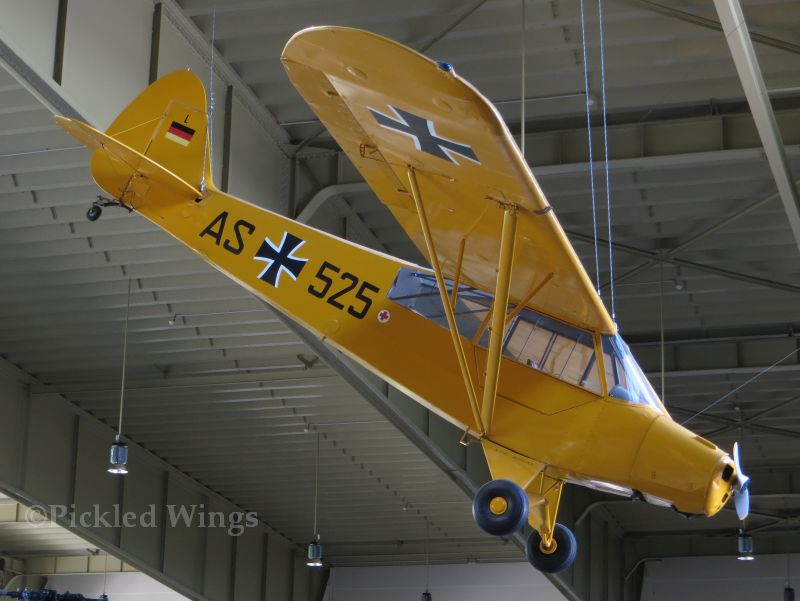
The Super Cub Meets the Computer
Design work on the Husky began in 1985. Frank Christensen brought Herb Anderson onboard to assist in the design process.
The impetus for the Husky was to give Christen Industries an aircraft that could keep the company in business—it was about survival rather than risk-taking. Part of mitigating that risk was turning to established designs, such as the Piper Super Cub, rather than pursuing a clean-sheet approach.
Another aspect of Christensen’s risk mitigation was identifying a niche in the light utility aircraft market. Located in a geographic region known for wide-open spaces and spectacular, but difficult-to-access, locales, Afton provided Christensen with direct exposure to the needs of pilots who regularly flew in the backcountry of Wyoming and its bordering states. At the time, most aircraft used in backcountry flying were older designs that were showing their age and in need of replacement.
The combination of seeing a clear niche to be filled, but being unable to secure the licence to produce a proven design, led Christensen to follow the Super Cub closely when designing the Husky. The Super Cub dated to the late 1940s, but it was a formula that worked.
An additional area of risk reduction—as well as cost-cutting and time-saving—was the use of computer-aided design (CAD) technology. While CAD was not new to aviation, the Husky was one of the first aircraft of its class to be designed using a computer.
The measures Christensen took to minimize risk and save costs resulted in the Husky having a remarkably short development time between the start of design in 1985 and its first flight in 1986. FAA certification was granted in 1987.
The end result was an aircraft that echoed the trusted looks of the Super Cub but was a very different—and completely modern—beast under the skin.
Ascent from the Doldrums
The 1980s and early 1990s were a difficult time for aviation in the USA. General aviation was particularly hard hit, with the sector’s fortunes taking a sharp downturn from the lofty market peak reached in the late 1970s.
A number of factors combined to create this downturn and keep it in place for more than a decade. Key factors included:
Early 1980s recession — The early 1980s were marked by a severe economic recession in many parts of the world. Inflation rates reached double digits in many countries, unemployment was high, and people’s spending power was low.
Iran–Iraq War (1980–1988) — This conflict erupted shortly after the Islamic Revolution in Iran from 1978 to 1979. Together, these events contributed to greatly inflated fuel and oil prices in the USA and many other countries due to reduced oil production in both Iran and Iraq.
Product liability laws in the USA — Product liability conditions as they existed in the 1980s forced legendary manufacturers such as Beech, Cessna, and Piper to discontinue production of many of their single- and twin-engine piston aircraft for a number of years. Rising liability costs were driving aircraft prices out of the market.
Declining public interest — The economic realities of the 1980s forced many people out of general aviation in favour of more affordable pastimes. At the same time, urban sprawl brought airports and populated areas closer together, making aircraft a more pervasive presence. Many people grew tired of aircraft noise and wanted to see fewer of them.
Operational restrictions — In 1981, more than 11,000 striking air traffic controllers (ATCs) in the USA were fired by the Federal Aviation Administration (FAA) for disobeying a back-to-work order. This created a critical shortage of ATCs nationwide, and aviation activities—particularly general aviation—were subject to restrictions to control the flow and volume of air traffic until sufficient new controllers could be hired and trained.
The recession had begun to ease by 1985, but manufacturers remained very cautious. Most new developments in general aviation during the decade focused on modernizing avionics and other internal systems. Where airframes were concerned, manufacturers largely concentrated on incremental improvements to existing models rather than designing new aircraft. Meaningful change did not occur until the General Aviation Revitalization Act (GARA) was signed into law in 1994. One of GARA’s most important effects was the introduction of more reasonable product liability conditions, allowing manufacturers to bring piston-driven aircraft prices back within reach.
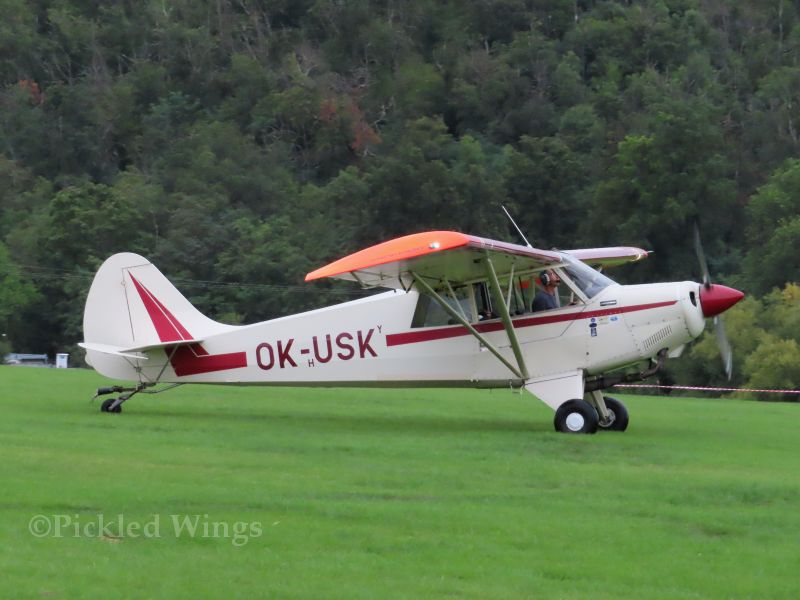
With its certification attained in 1987, the Husky was perfectly positioned to take advantage of the easing recession and begin filling the niche it was made for—and then some. Backcountry pilots took to the Husky immediately. The classic and trusted shape of the Super Cub, combined with modern design and materials, was a difficult combination to resist.
Pilots found a reliable aircraft with excellent STOL and low-speed handling that could easily access remote areas. As expected of a bushplane, the Husky could be fitted with floats, skis, or large tundra tires in place of its standard landing gear.
The Husky was also well thought out in terms of accessibility. The engine cowls were designed to provide full access to the engine, and inspection panels were strategically placed to allow access to critical internal structures without undue dismantling of the aircraft.
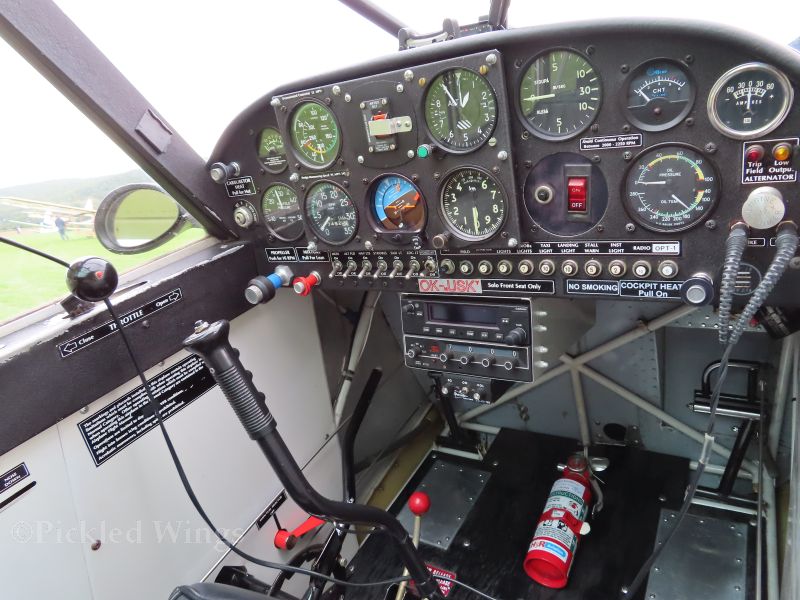
Ergonomics was another area where the Husky stood out. While the cockpit layout followed the general arrangement of the Super Cub, it was significantly more comfortable and roomy. Considerable attention was paid to pilot and passenger comfort, especially for long-distance flying.
As the 1980s gave way to the 1990s and the GARA reforms were put into place, general aviation in the USA began to experience a renaissance. The Husky demonstrated its versatility during this period, performing well in roles beyond the bush-flying niche.
Between its introduction in 1987 and 2008, more than 650 examples of the Husky were sold, making it a bestseller in its class during that period.
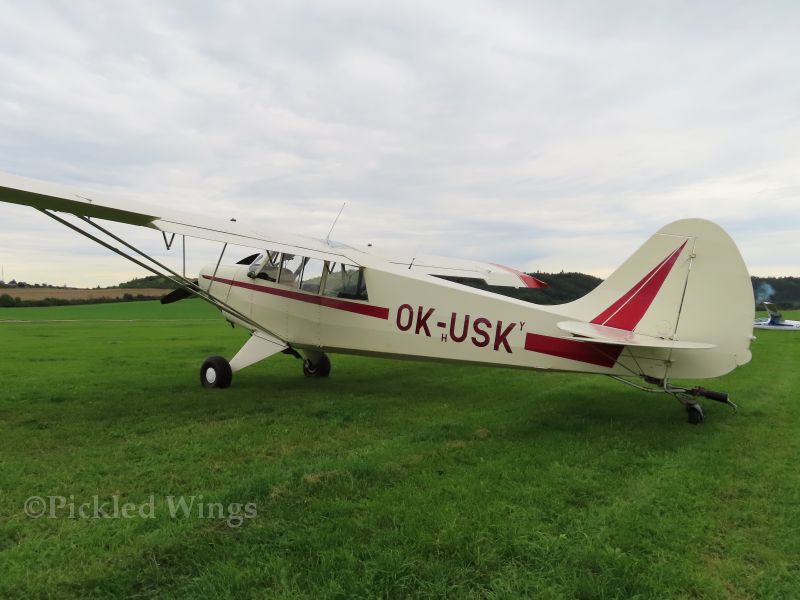
The Husky at Work and Play
As a utility aircraft, many of the qualities that make the Husky a great bushplane also make it an excellent platform for other practical tasks.
The Husky has proven to be a very capable machine in areas such as wildlife management, pipeline inspection, border patrol, banner towing, aerial photography, forestry, and agriculture.
The Husky has a very good thrust-to-weight ratio, allowing it to carry a respectable amount of weight for its size. It is also a very fuel-efficient aircraft, with a range that makes it suitable for cross-country flying.
On the recreational side, the Husky makes an excellent sightseeing aircraft and has adapted well to glider towing.
By most accounts, the Husky is an enormously fun and rewarding aircraft to fly and is highly customizable through a wide range of options offered by Aviat.
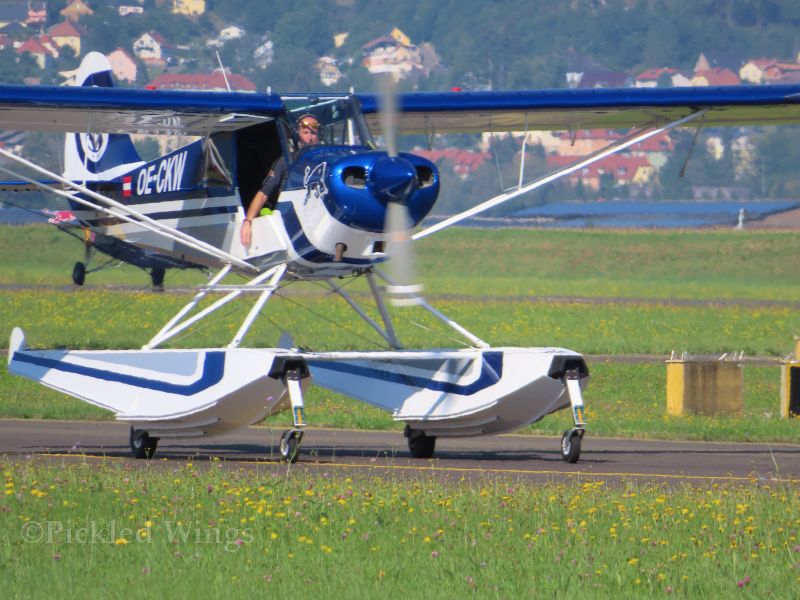
A Look at the Husky Pack
As of early 2026, the Husky family contains six members. The main differences between variants are gross takeoff weight, engine options, and wing design.
Husky A-1
The A-1 is the original Husky as certified in 1987. It came equipped with a 180-horsepower Lycoming O-360 engine and had a gross takeoff weight of 816 kilograms (1,800 pounds).
Husky A-1A
Introduced in 1998, the Husky A-1A featured a different version of the 180-horsepower Lycoming O-360 engine and an increase in gross takeoff weight to 857 kilograms (1,890 pounds). In addition to being able to carry a larger load than the A-1, the A-1A had a door added to the right side of the fuselage, providing improved access to the baggage area behind the rear seat.
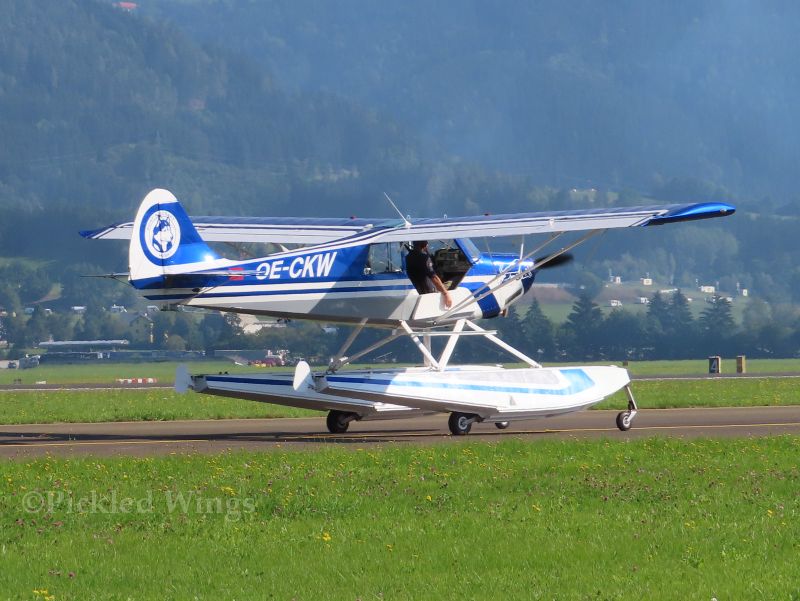
Husky A-1B
The Husky A-1B was introduced alongside the A-1A in 1998. It was equipped with the same Lycoming O-360 engine as the A-1A but also offered the option of a fuel-injected, 200-horsepower Lycoming IO-360 engine, along with a wider selection of propeller options. The gross takeoff weight of the A-1B was 907 kilograms (2,000 pounds).
An important development came in early 2005 with the introduction of a new wing design. The new wing featured longer flaps and ailerons that were shorter and broader than those of the original design. The larger flaps further improved the aircraft’s already strong STOL performance, while the redesigned ailerons provided better roll control. All A-1B aircraft built from early 2005 onward, as well as the subsequent A-1C model, were fitted with this new wing.
Husky A-1B-160 Pup
This is a very rare member of the Husky family, with only 12 examples known to have been built. The initial version, introduced in 2003, did not feature flaps, while a flapped version was introduced in 2005. It was powered by a 160-horsepower Lycoming O-320 engine and had the same 907-kilogram (2,000-pound) gross takeoff weight as the standard A-1B.
Husky A-1C
The Husky A-1C was introduced in September 2007 and was made available in two standard versions:
The A-1C is often referred to as the “modern” Husky, as Aviat made numerous changes—particularly in the cockpit—when it was introduced. The aircraft features modern digital avionics, resulting in an instrument panel dominated by multifunction displays rather than analogue gauges. The already good ergonomics were further improved with more comfortable seats offering a greater range of adjustment.
The A-1C also introduced a quickly removable rear seat and control stick, freeing that space for additional cargo.
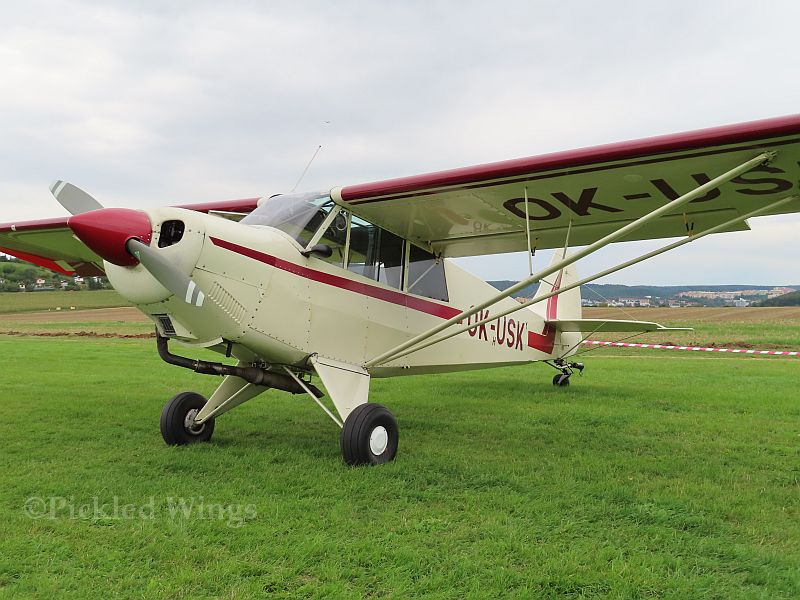
The Husky Today and Learning More
As of early 2026, the Husky remains very much in production and fully supported by Aviat. It is the company’s flagship product.
Over the years, the Husky has built a reputation as a rugged and trouble-free aircraft that retains its value well and remains popular on both the new and second-hand aircraft markets.
A significant factor in the Husky’s strong resale value is the wide range of options and customizations offered by Aviat. Each aircraft can be equipped at the factory to suit an individual pilot’s needs and preferences. It would not be an exaggeration to say that this flexibility is a dividend of the decision to use CAD technology during the aircraft’s original design. CAD allows for a level of accuracy and consistency in both design and documentation that traditional methods could not achieve, making it cheaper, easier, and more efficient to update and modify the aircraft over time.
The Husky’s popularity should ensure it enjoys a practical lifespan comparable to that of the legendary Piper Super Cub on which it was based.
If you want to see a Husky in action, your best bet is to travel to the backcountry areas it was designed for. While the aircraft has been widely exported, regions such as Alaska and remote bush areas of Canada and the continental USA are where the Husky sees its greatest popularity.
To learn more about the Husky, a good first stop is the official Aviat Aircraft website, which provides extensive information not only about the Husky but also about the Pitts aerobatic biplanes that Aviat continues to produce and support.
A video walkaround and interview with a Husky pilot can be found on the Skywagon University YouTube channel. At roughly 20 minutes in length, it is quite informative.
A very detailed and informative write-up on the Husky and its development can be found on the High Sierra Pilots website.
The rugged and resilient nature of the Husky is also well illustrated by an aircraft that later joined the Red Bull fleet. Prior to Red Bull’s acquisition, the aircraft spent a decade operating in Fiji. The saltwater environment took a significant toll, and the aircraft required a full rebuild before it could be added to Red Bull’s flying collection.

Align yourself with Non-Aligned History
Pivka is a small town about an hour and a half by train from the Slovenian capital, Ljubljana. The town is home to an extensive and immersive military history park that is well worth the train ride to visit.
Established in 2006, the park focuses mainly on the period from the lead-up to the Second World War to the establishment of Slovenia as an independent nation in 1991—effectively from just before the German occupation to the dissolution of the former Yugoslavia and the end of the Cold War in Europe.
When one thinks of the Cold War, it’s typically in terms of the Eastern and Western blocs, NATO versus the Warsaw Pact, and so on. However, there was also the Non-Aligned Movement (NAM), a nuanced “third way” that allowed member nations a greater degree of flexibility in trade and domestic development than strict allegiance to either East or West would have permitted. The Park of Military History does an excellent job of presenting the Non-Aligned Movement in context and explaining the former Yugoslavia’s role as a founding nation.
The non-aligned stance of the former Yugoslavia allowed the country to cultivate strong trade relations with Western nations while supporting its domestic industries. That flexibility is reflected in the eclectic nature of the park’s collection. Here you’ll find military machines and equipment from Czechoslovakia, France, Germany, Italy, Romania, the Soviet Union, Sweden, the United Kingdom, the United States, and others—mingling alongside an impressive selection of domestically produced gear.
At that, let’s take a look at the Park of Military History in Pivka:

From the Station to the Park
Almost as soon as you get off the train in Pivka, you’ll find a marked trail leading from the station to the park. Go through the station building, turn right as you exit, and before long you’ll see military bootprints and the international symbol for museums painted on the ground to mark the route.
The walk took me about ten minutes and wasn’t too strenuous, though the trail does have a notable incline, so your time may vary.
The heart of the park is the main building (Komanda), where you pay admission, and three display pavilions, in addition to an outdoor exhibit area. Once I had paid my admission, my first stop was the outdoor display, where the exhibits too large to go indoors are kept.
Among the larger exhibits, you’ll see a German-made steam locomotive from the Second World War. During the war, it was used by the occupying German forces; afterwards, it was given to the former Yugoslavia as a war reparation and played a critical role in rebuilding the nation in the post-war years.
There’s also a fast patrol boat of Italian origin that was used by the Slovenian Maritime Police from 1995 to 2021. You can tour the interior of the boat with a guide, but this must be reserved by email or phone ahead of time.

One outdoor exhibit worth a closer look is the IAR-93 Vultur strike aircraft.
In the 1970s, Yugoslavia and Romania jointly developed this aircraft. The IAR-93 Vultur was the Romanian variant, while the Yugoslav version was known as the J-22 Orao. Although Romania was a member of the Warsaw Pact at the time, it had ceased to be a Soviet satellite by the mid-1960s and thus had the autonomy to partake in such a project freely. Both versions were powered by a pair of British-designed Viper engines built under licence in both Romania and Yugoslavia.
The principal idea behind the aircraft was to provide both creator nations—and others in the Non-Aligned Movement—with a simple, credible combat aircraft that offered an alternative to products from either bloc.
Ultimately, the aircraft wasn’t used outside Romania and Yugoslavia, but it stands as a testament to the benefits of non-alignment in the Cold War—not only for the freedom it gave the two nations to collaborate without external oversight, but also for the flexibility it afforded them in sourcing components from suppliers of their choosing.
Today, most surviving examples are in museums, though a small fleet remains in service with the Serbian Air Force.

Armour and Artillery
Once I’d finished exploring the outdoor displays, I moved on to Pavilions B and C, which stand directly adjacent. These pavilions focus on armour and artillery, covering the Second World War through to the mid-1950s.
Inside, you’ll find vehicles and equipment not only of domestic origin but also from a variety of Allied nations. This diversity reflects the fact that the Yugoslav Partisans were one of the most effective resistance movements of the war and received considerable support from the Allies. You’ll also see German equipment that was captured and used by the Partisans.
Among the highlights: a Soviet T-34 tank sits alongside an American Sherman, a British Bren Gun Carrier, and the domestically designed M-48 mountain gun. Display cabinets feature smaller sidearms, gas masks, and other equipment.

There are also aviation elements here. Pavilion B contains the remains of a Royal Air Force Spitfire Mk IX that was shot down in September 1944 and excavated in 2019. The aircraft was based in Italy and on a mission to attack German ground targets when it was shot down over the outskirts of Ljubljana. The pilot, Sergeant Peter J. Clark, survived and spent the rest of the war as a prisoner.
Pavilion C includes two domestically designed trainer aircraft from the 1950s and 60s, including the SOKO 522. First flown in 1955, it served as the main primary trainer for the Yugoslav Air Force until 1978.

Tito’s Yugoslavia and the Road to Freedom
From Pavilion C, I made my way back through the outdoor display and past the Komanda building toward Pavilion A, which showcases Yugoslavia through the Cold War, its dissolution, and the founding of modern Slovenia in 1991.
The park itself is a piece of history: the buildings and grounds began life as an Italian army barracks in the interwar period. Until 1944, the western section of Slovenia that includes Pivka belonged to the Kingdom of Italy. From 1945 to 1991, the site served as a Yugoslav army barracks. It was eventually given to the municipality of Pivka by the Slovenian military on the condition that it be turned into a museum.
I entered Pavilion A via a lift to the upper level. The first exhibit is a well-organized and immersive timeline that takes you through the abolition of the Yugoslav monarchy and the formation of the Federal People’s Republic of Yugoslavia in 1945 under Josip Broz Tito (1892–1980).
Tito had led the Yugoslav Partisans during the war and envisioned a Communist Yugoslav state. Post-war relations between Tito and Josef Stalin were initially good but soured by 1948, as Tito’s ideas for Yugoslavia’s internal and foreign policies diverged from Soviet and Eastern Bloc interests.
The exhibit then traces the temporary warming of relations between Yugoslavia and the Soviet Union in the mid-to-late 1950s, followed by Yugoslavia’s emergence as a founding member of the Non-Aligned Movement in 1961.
As the timeline progresses, it explores the shifts in political power between the Yugoslav republics, as well as the ethnic tensions that led to the Yugoslav Wars (1991–2001). The most critical of these for Slovenia was the Ten-Day War (June–July 1991), in which the Territorial Defence of Slovenia and the Slovenian police successfully drove the Yugoslav army out of Slovenia—paving the way for independence. The exhibit also gives good context on the Territorial Defence organization as a forerunner to today’s Slovenian Armed Forces.
The final section shows photographs and videos from the independence celebrations. The next room cleverly contrasts this with a reconstructed 1991 living room—complete with a black-and-white cathode-ray tube television playing wartime news footage.

Air, Land, and Sea
From the domesticity of the 1991 living room, you step out onto a balcony overlooking the main display hall. Compared to the low-lit and somewhat claustrophobic timeline exhibit, the main hall is bright and spacious, illuminated by both natural and artificial light. I paused to let my eyes adjust before descending to the floor below.
One of the first exhibits you’ll encounter is a Gazelle helicopter. Designed in France but widely used by the Yugoslav military, over 100 Gazelles were licence-built in Yugoslavia. The one on display was Slovenia’s first military aircraft. If you look closely around the Slovenian national markings, you can see where the old Yugoslav insignia were painted over.
Nearby is a line of domestically designed BOV vehicles—Borbeno Oklopno Vozilo (Combat Armoured Vehicle). The BOV has been in production since 1985 and has adapted to a wide variety of roles over the years. The park’s collection includes versions for anti-aircraft operations as well as a police variant for riot control.
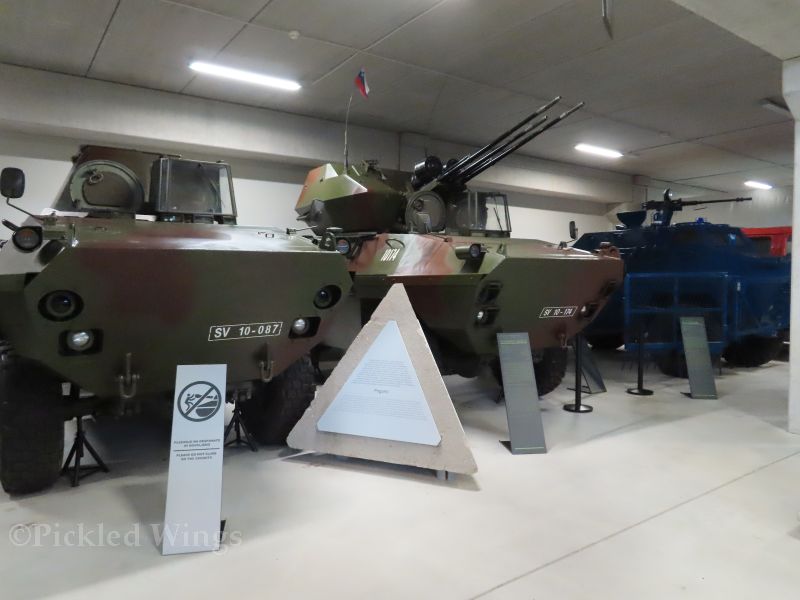
In the same section, you’ll find Soviet-made armoured vehicles painted in early Slovenian Armed Forces or Territorial Defence markings.
Other aviation exhibits include a MiG-21 fighter in Yugoslav Air Force markings and an Agusta-Bell AB.212 helicopter of the Slovenian police.
Rounding the corner, you come face to face with one of the park’s star attractions—an Una-class submarine named Zeta.
The Una class was a domestically developed special-operations submarine designed to operate in the northern Adriatic Sea and capable of infiltrating Italian ports. Manned by a crew of four, it could also carry six naval commandos.
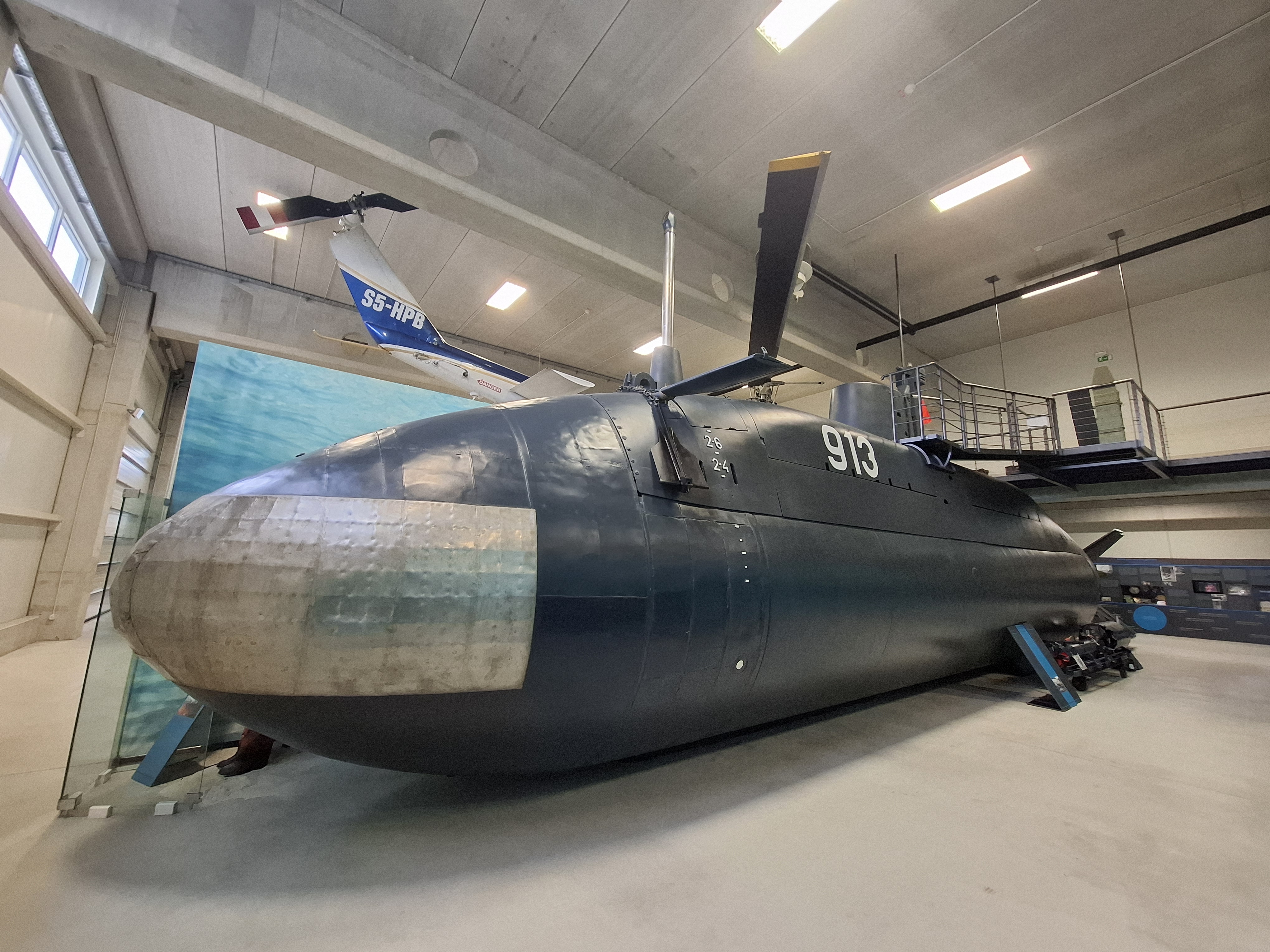
Six Una-class submarines were built between 1985 and 1989. Plans for further improved models were abandoned after Yugoslavia’s breakup. Four of the six are known to survive in museums. You can tour the interior of Zeta, but advance reservation is required so a guide can accompany you.
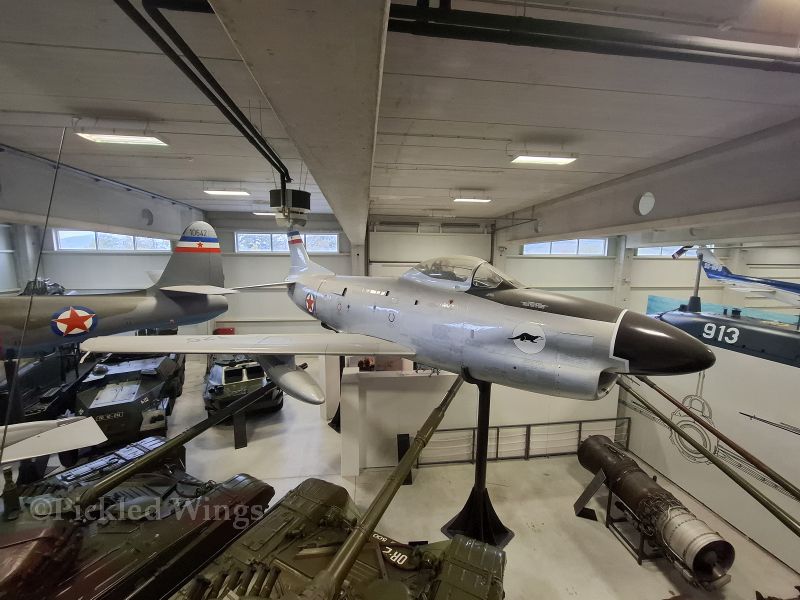
The final section of the hall contains mostly Soviet or other Warsaw Pact vehicles, while above them are two American-designed fighter jets—the Republic F-84G Thunderjet and the North American F-86D Sabre—illustrating again how Yugoslavia’s non-aligned status enabled it to access Western technology.
After finishing in Pavilion A, I returned to the Komanda building to browse the well-stocked souvenir shop. As the park’s restaurant is in the same building, I enjoyed lunch there before heading back to the station for my train to Ljubljana.
Paying a Visit and Learning More
Getting from Ljubljana to Pivka by train is straightforward. I found the Slovenian Railways website easy to use for buying tickets and checking schedules; several direct trains run each day.
If you travel by car, there’s ample parking available, including electric vehicle charging and a parking area for motorhomes.
I was on a schedule the day I visited, so I didn’t have time to see everything. A trail connects the park to remnants of the Alpine Wall—a fortified defensive line Italy built in the 1930s—on nearby Primož Hill. The walk takes about 40 minutes according to the park’s website, but I couldn’t take a later train and still make my evening plans in Ljubljana. I also missed some of the smaller exhibits on the upper floors of the Komanda building.
I spent around three hours visiting the main display pavilions. As Slovenia’s largest military museum, it easily warrants a full day if your schedule allows.
To learn more:
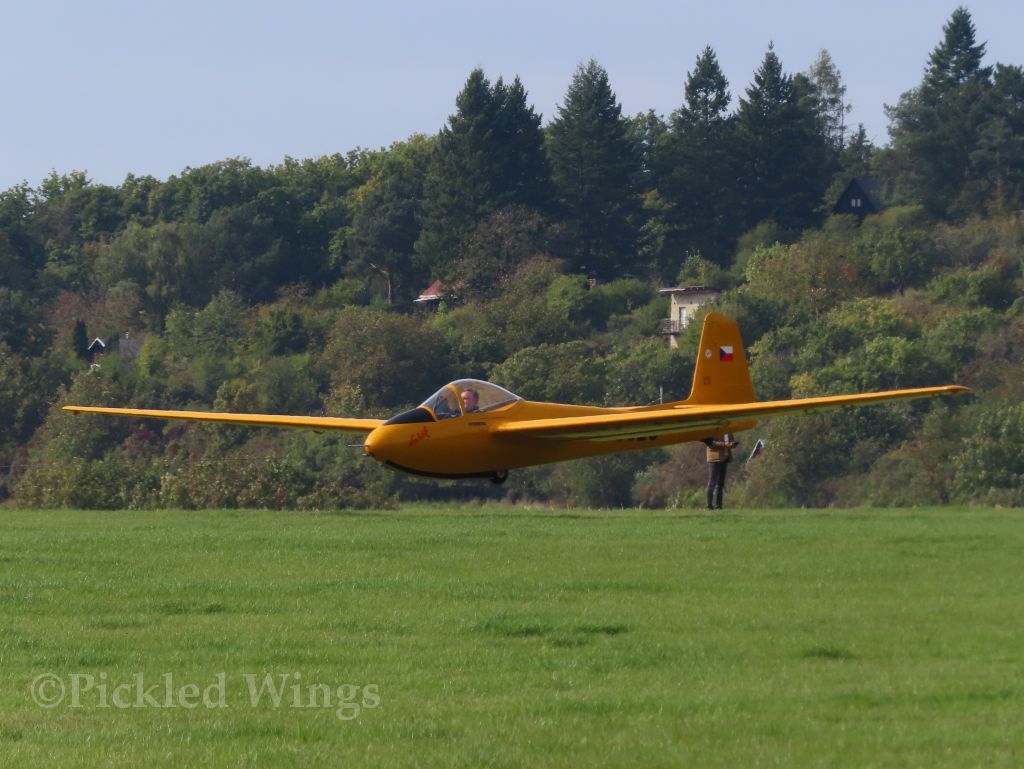
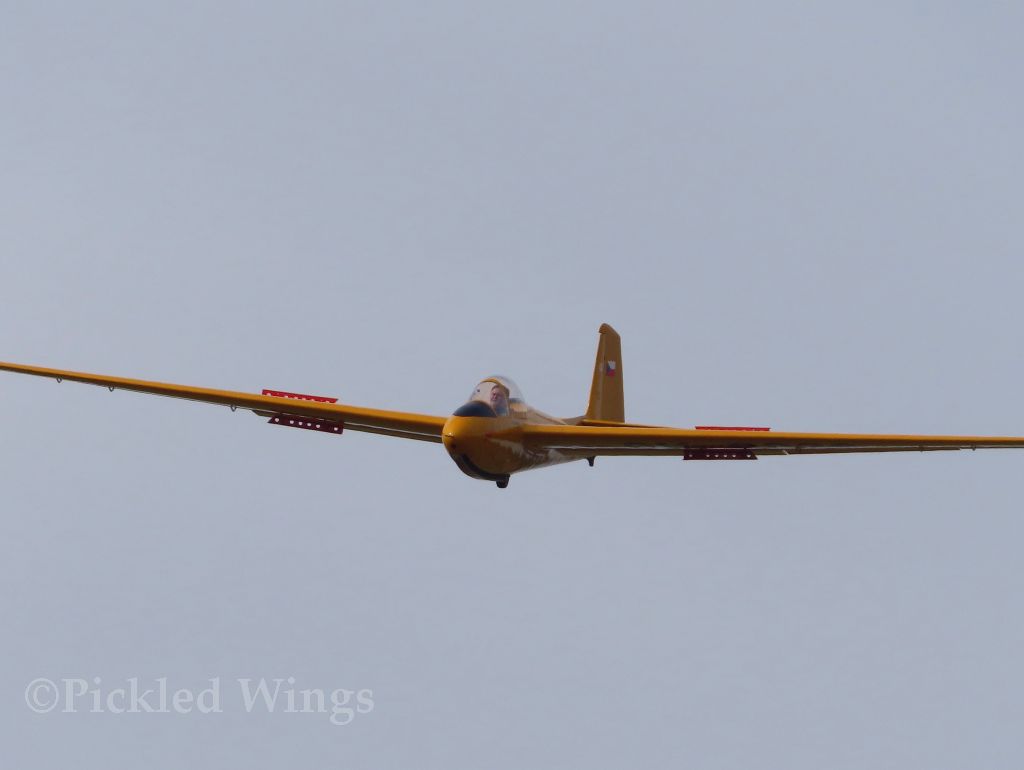
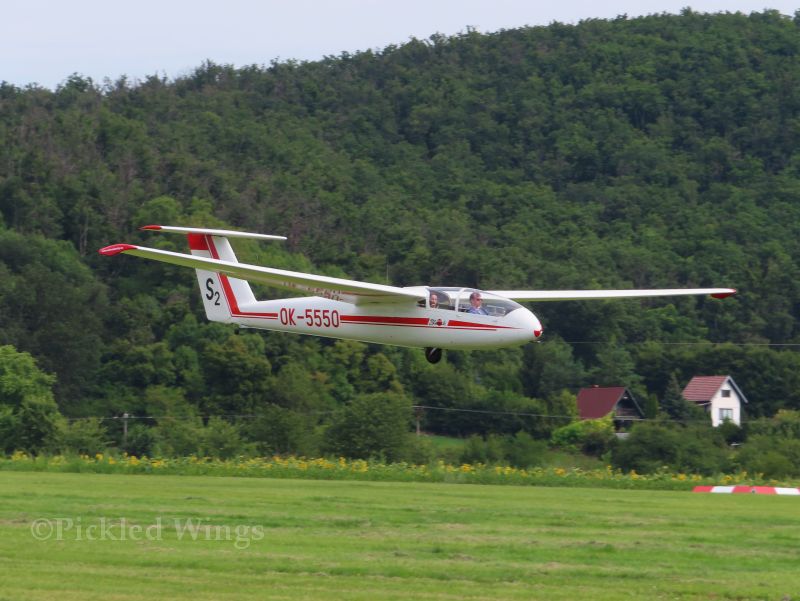
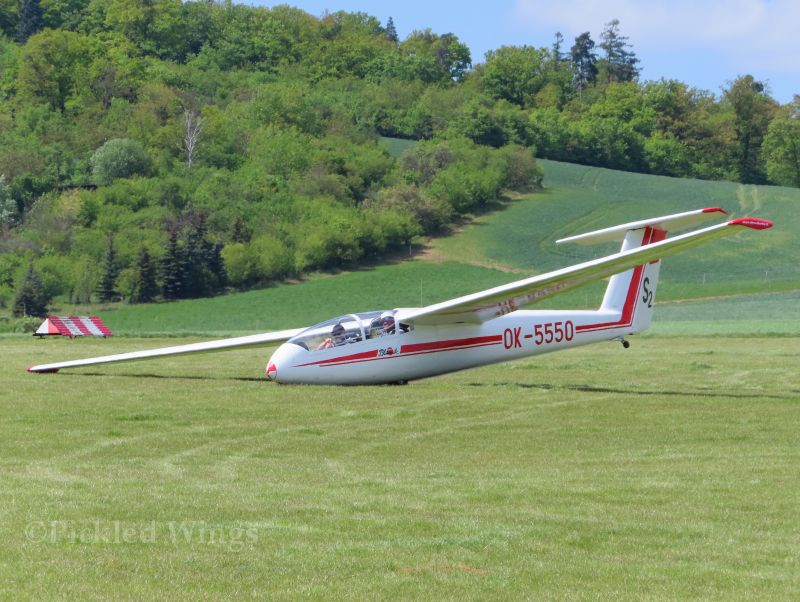
Today I took an afternoon walk around Medlánky airport and noticed a very unusual glider in action: A Letov LF-107 Luňák.
The Luňák is a Czech design from the late 1940s; only 75 were made and a very small handful remain flying.
Here’s few shots from today:


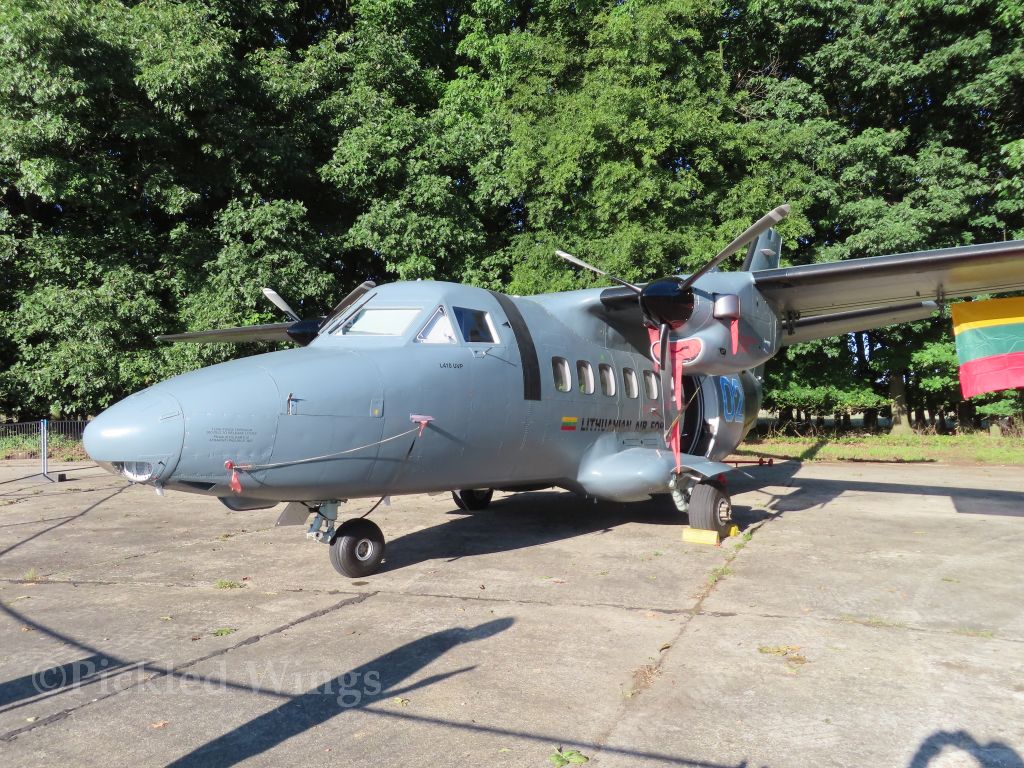
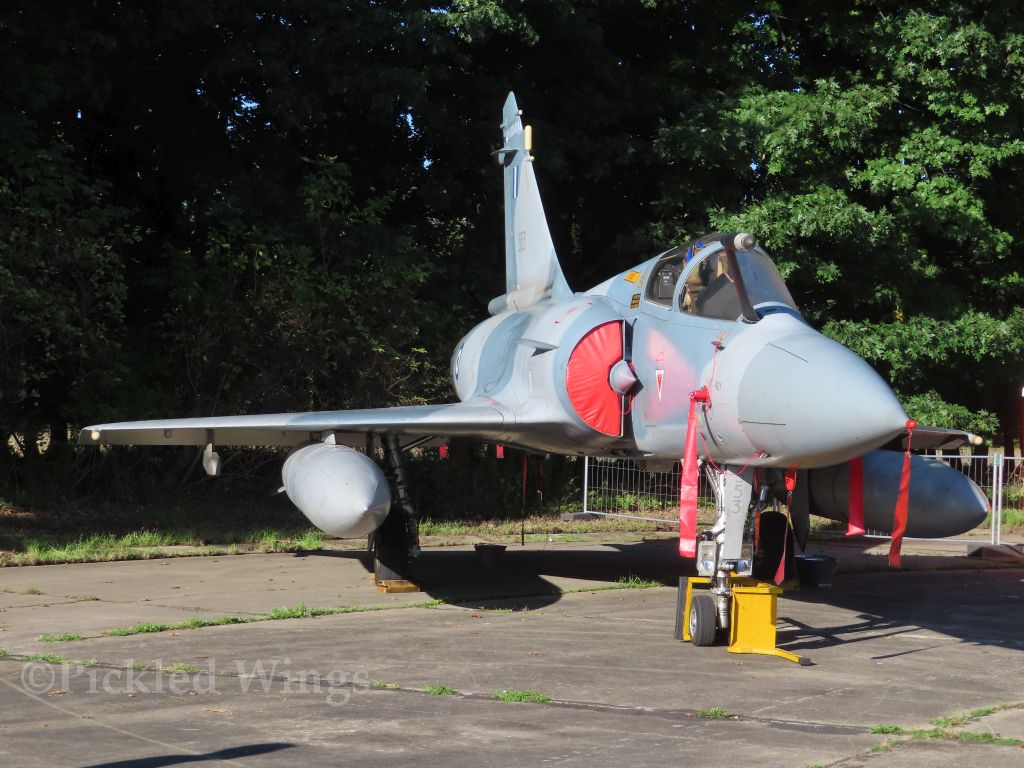
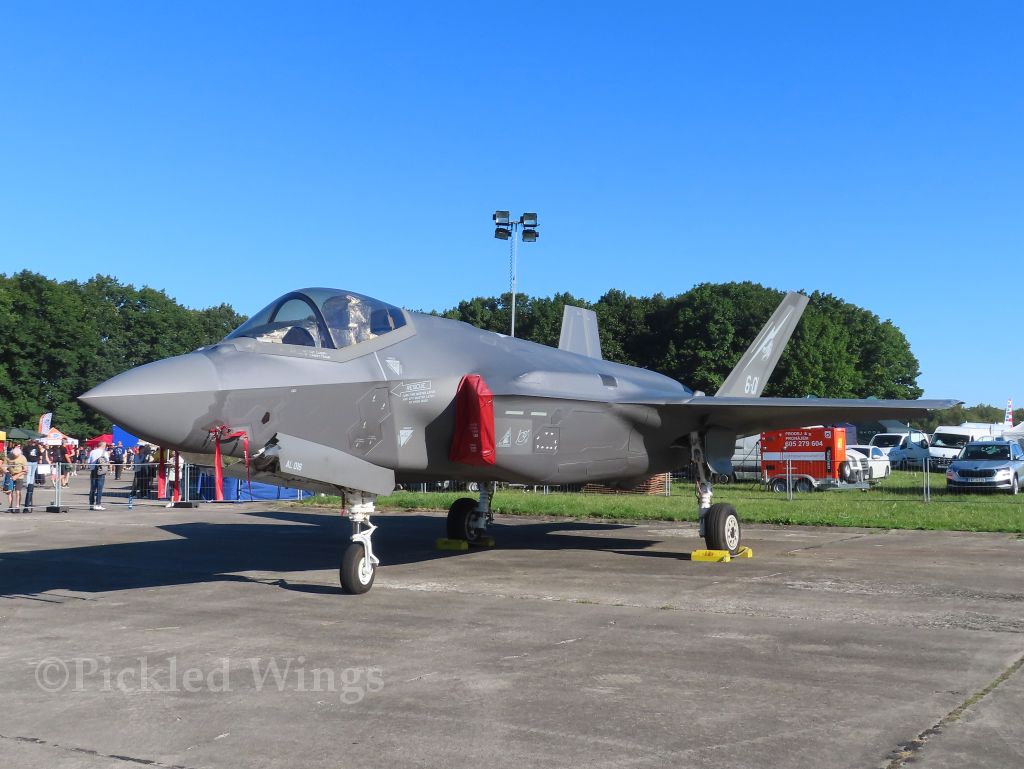
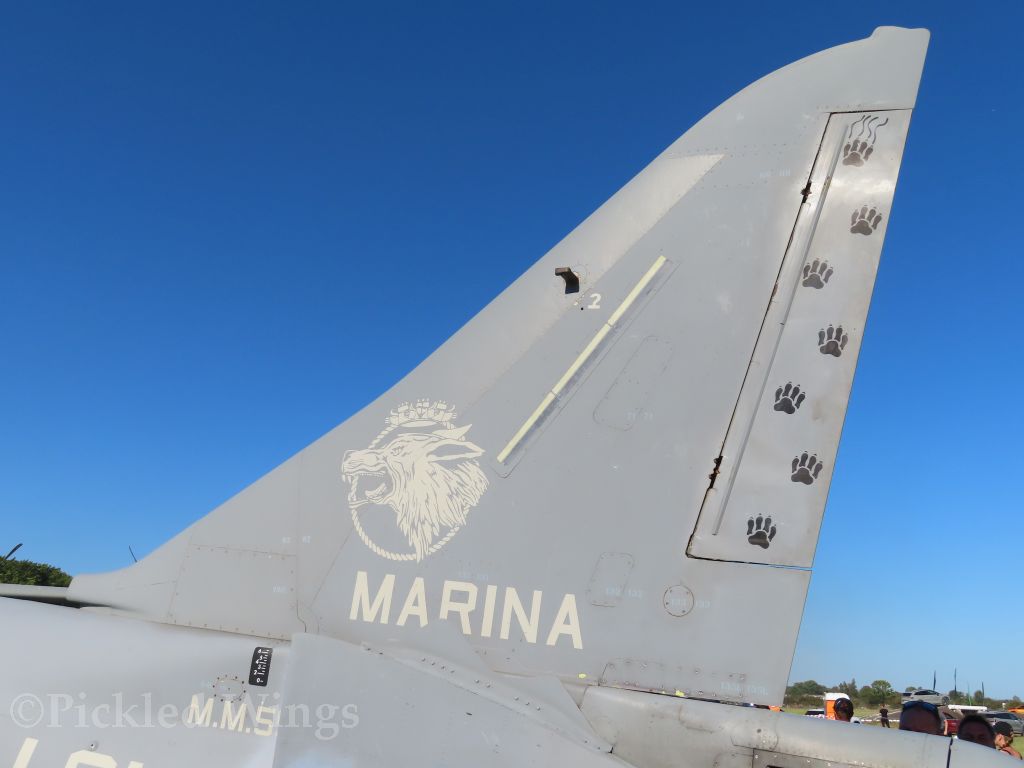
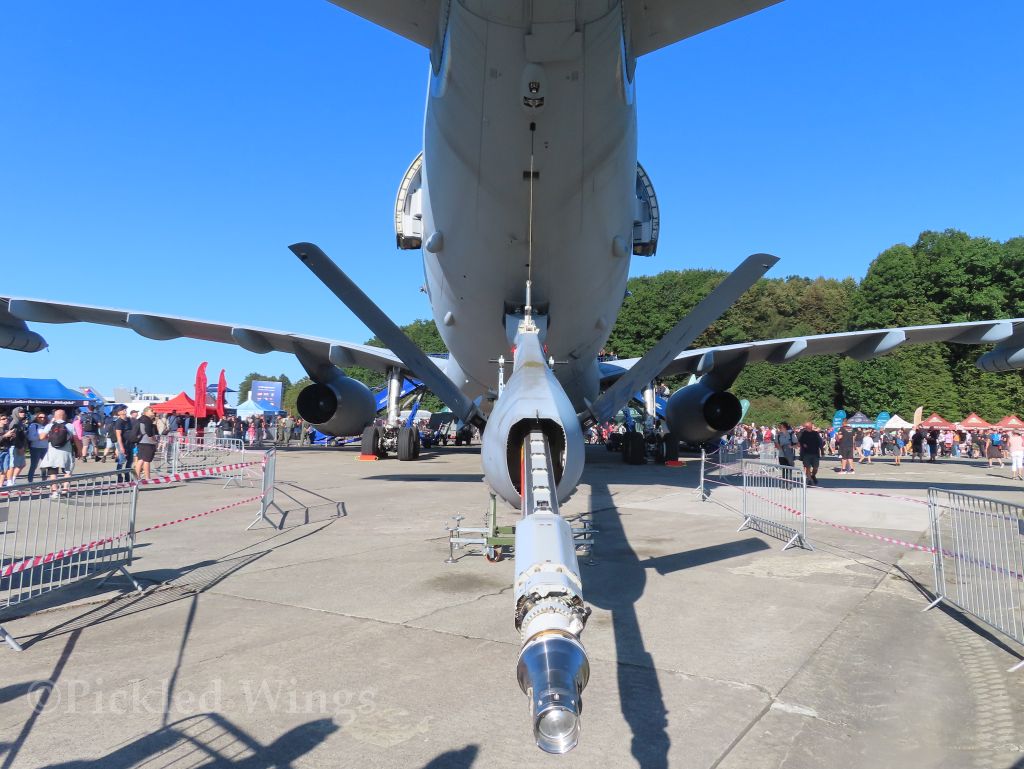
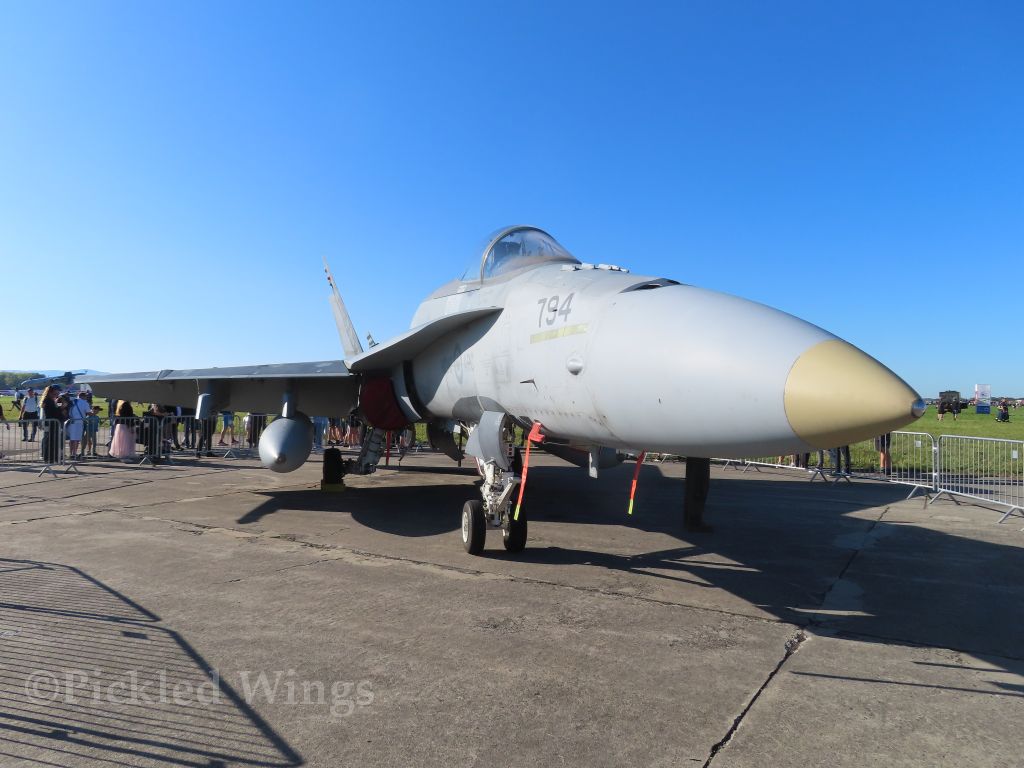
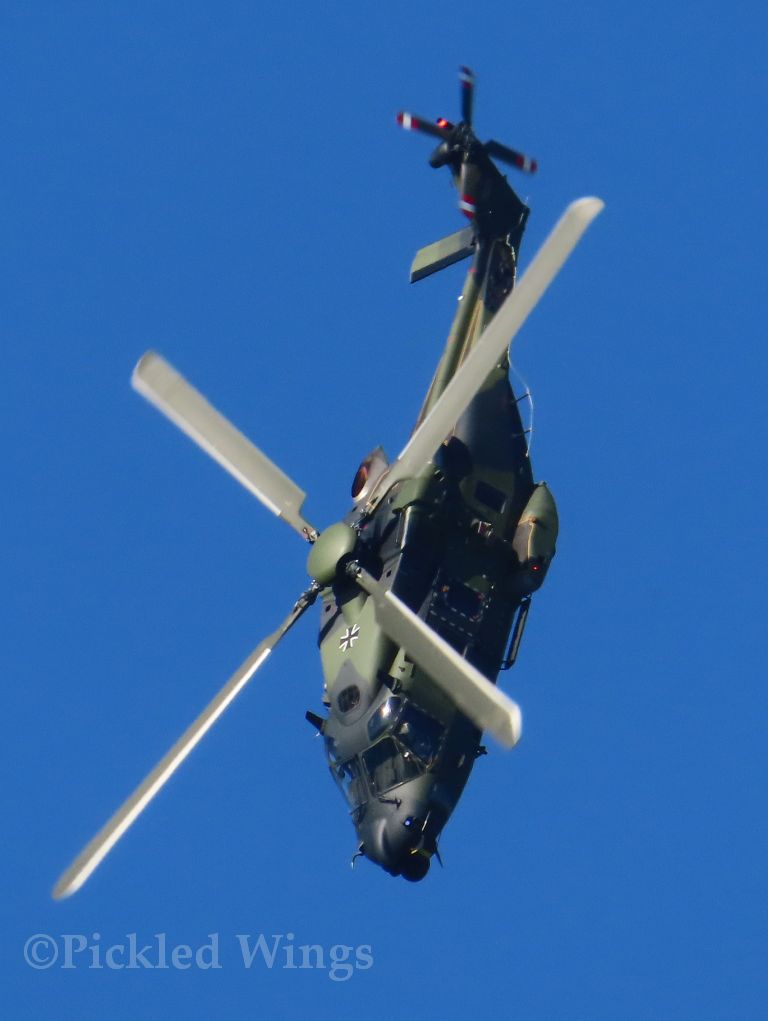
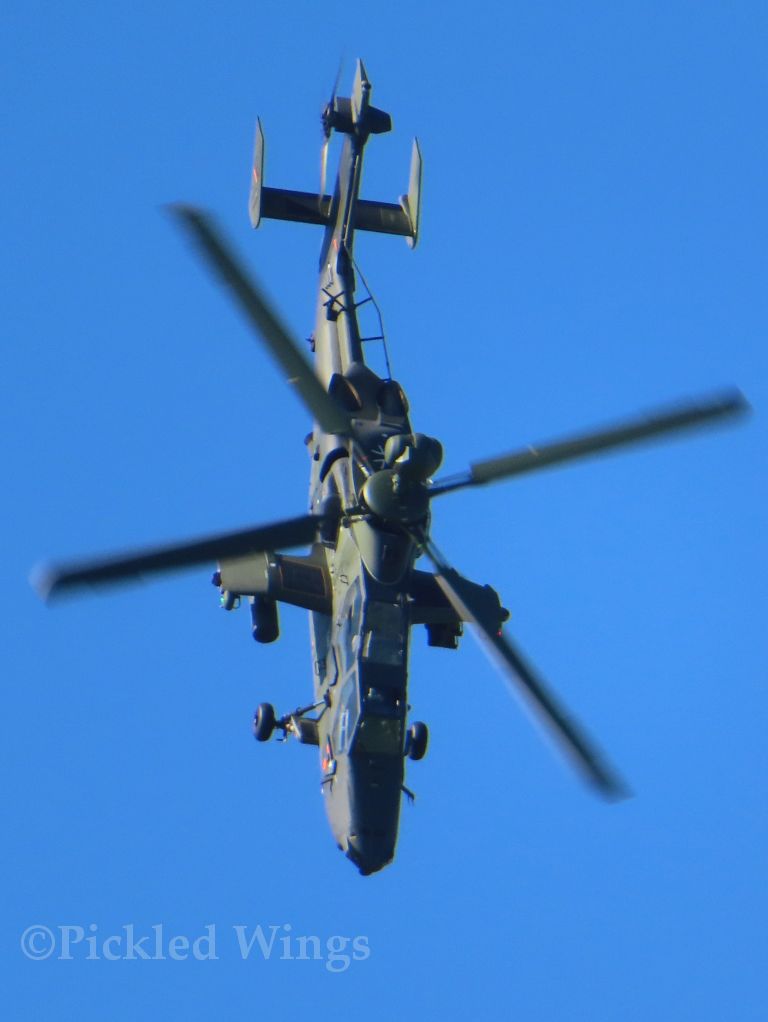
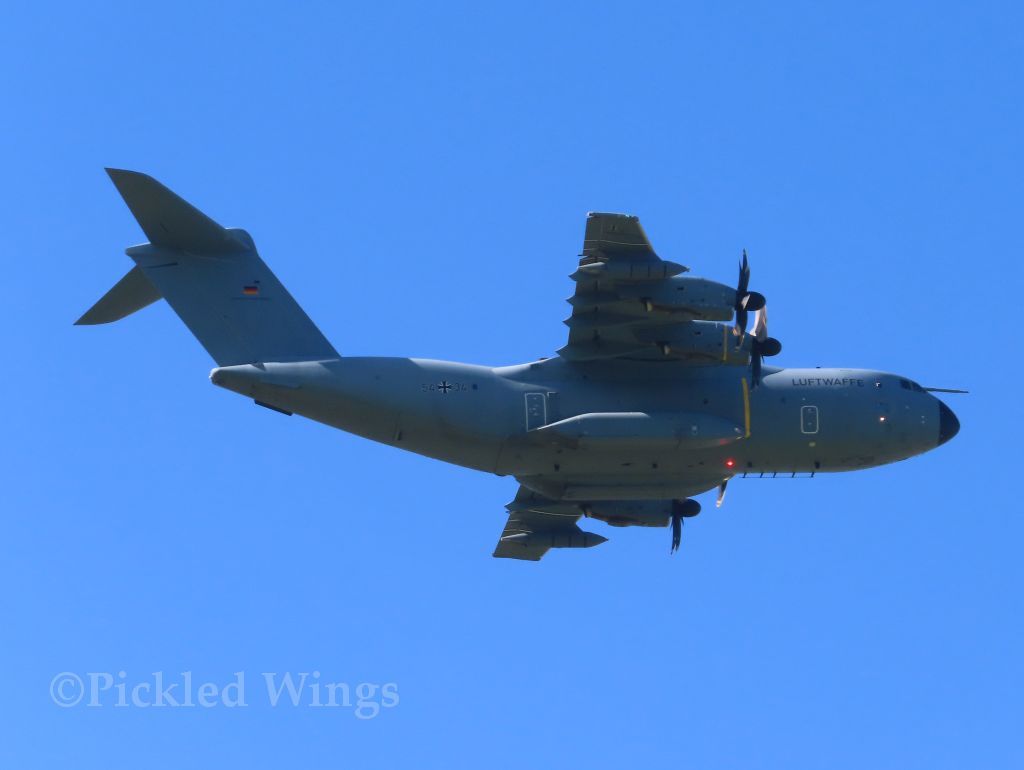
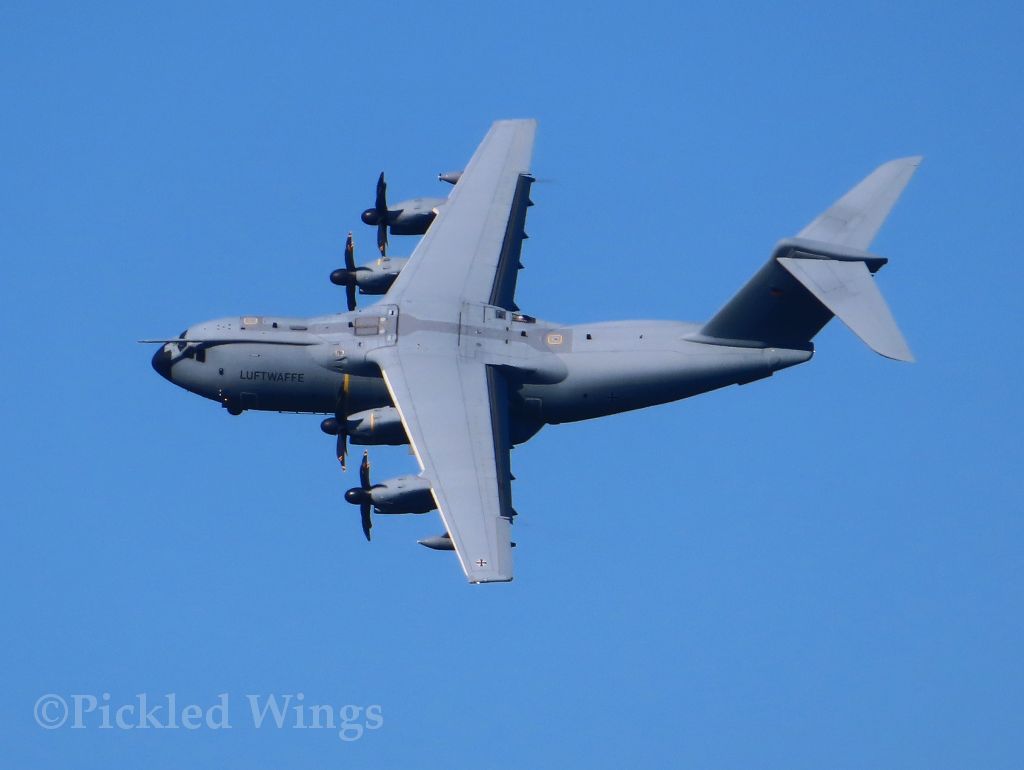
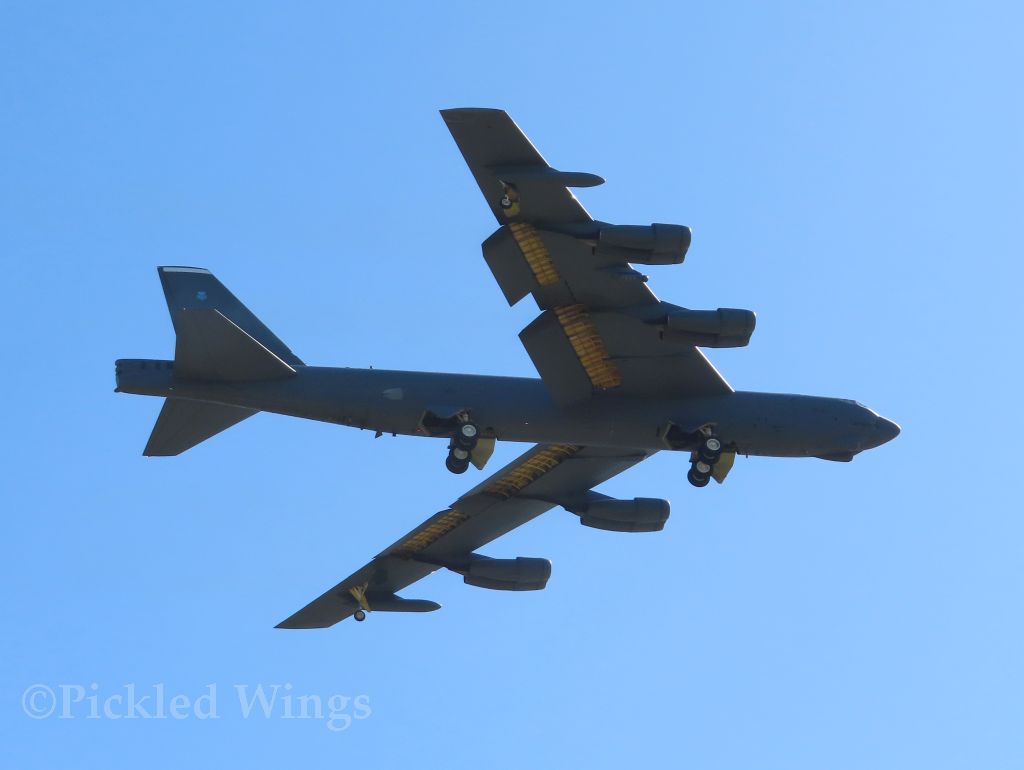
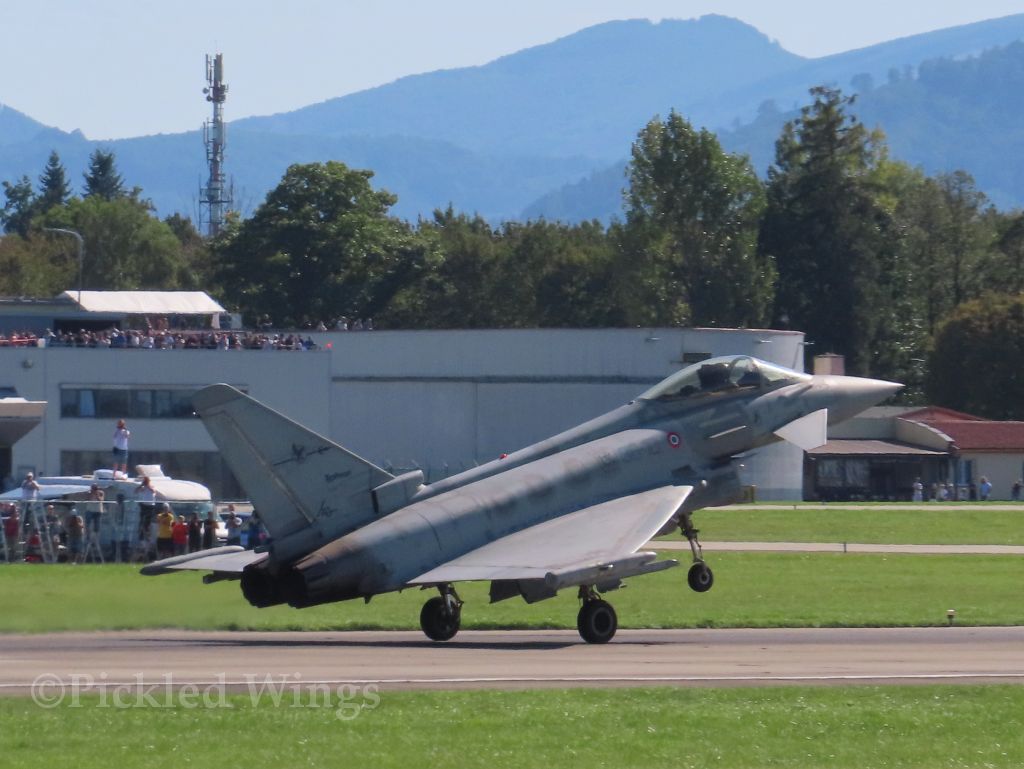
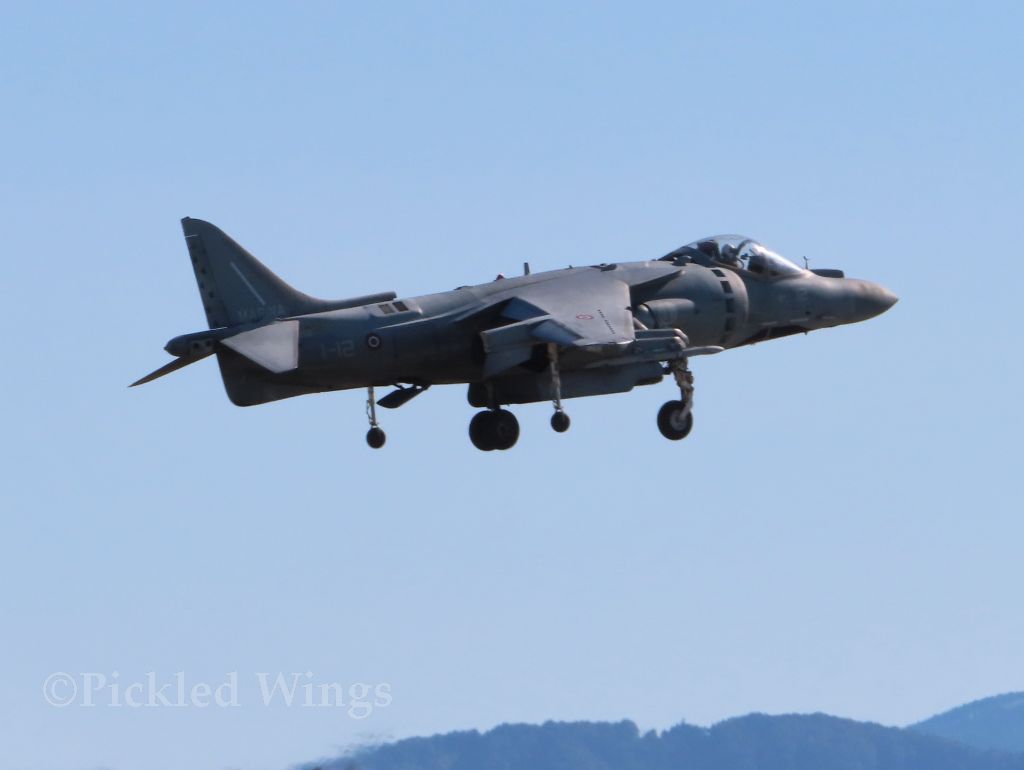
September 20 and 21 of 2025 brought this year’s edition of NATO Days back to Ostrava, in the north-east of the Czech Republic.
It was a nicely varied show, as always, though photography was tricky with the sun creating a lot of backlit pictures.
Here’s some of Saturday’s show through my lens:






















Feeding the Flame of Success
The Let aircraft company is one of the younger players in Czech aviation history. Founded in 1936 in Kunovice as a division of the much older Avia company—which itself was then a division of Škoda Works—Let quickly found its place in the industry.
Following the Second World War and Socialist take over of the former Czechoslovakia, Let was nationalised. This allowed the company to become a designer and manufacturer of its own aircraft rather than producing for others.
Let is still based in Kunovice, in the southeast of the Czech Republic. Since 2022, it has been under the ownership of the Prague-based Omnipol Group, a major importer and exporter of defence and aviation products in both the Czech Republic and the former Czechoslovakia.
Despite its relative youth among Czech aircraft manufacturers, Let has given the small nation some of its most successful designs. Chief among them is the L-13 Blaník sailplane.
The L-13 was a resounding success at home and abroad. It was widely exported and over 3,000 were built between 1958 and 1978. This makes it the most-produced sailplane of the post–Second World War era, and one of the most-produced sailplanes in history.
Only a few years after L-13 production ended, momentum grew to create a new and improved version to carry the Blaník legacy forward.
That improved aircraft would take shape as the L-23 Super Blaník, let’s spend some time with it:
Striking Hot Iron
By the mid-1980s, there was strong interest in reviving sailplane production at Kunovice
For Let, it was a matter of staying active in the sailplane business. The company had other aircraft, but the L-13 Blaník had been its only glider design in several years, and production of that type had ended. Given the great success of the L-13, it was certainly in Let’s interest to build on it and maintain its reputation in that sector of aviation.
Other forces pushing for an improved Blaník included Omnipol and Svazarm. At the time, Omnipol held a complete monopoly on the import and export of aircraft in Czechoslovakia. The L-13 had been a highly reliable product for them, generating many satisfied customers, so it was very much in Omnipol’s interest to have an updated version to offer.
Svazarm, which existed from 1951 to 1990, was an organisation that promoted cooperation between the civilian population and the military. It provided military-style training in a number of disciplines, including flight. The L-13 was a major training type within Svazarm, and the organisation also encouraged development of an improved variant.

A Tall Order
Improving on the L-13 Blaník was no easy task. It was an immensely popular aircraft with many advantages.
At its heart, the L-13 was a training glider of primarily metal construction, renowned for its resilience to hard landings and other novice pilot mistakes. It also had a semi-retractable main landing wheel that helped protect the fuselage if a pilot forgot to lower it before landing.
The L-13 was also known for its affordability and cost-effectiveness. As fibreglass and other high-maintenance composite materials became the norm in sailplane construction, a simple, tough, metal design like the Blaník still had strong appeal.
Whatever changes were made, what made the Blaník the Blaník had to be preserved.
In the spring of 1986, a team was assembled to design and produce the improved version. The new variant first flew in May 1988 and entered full production in 1989 as the L-23 Super Blaník.
Building a Better Blaník
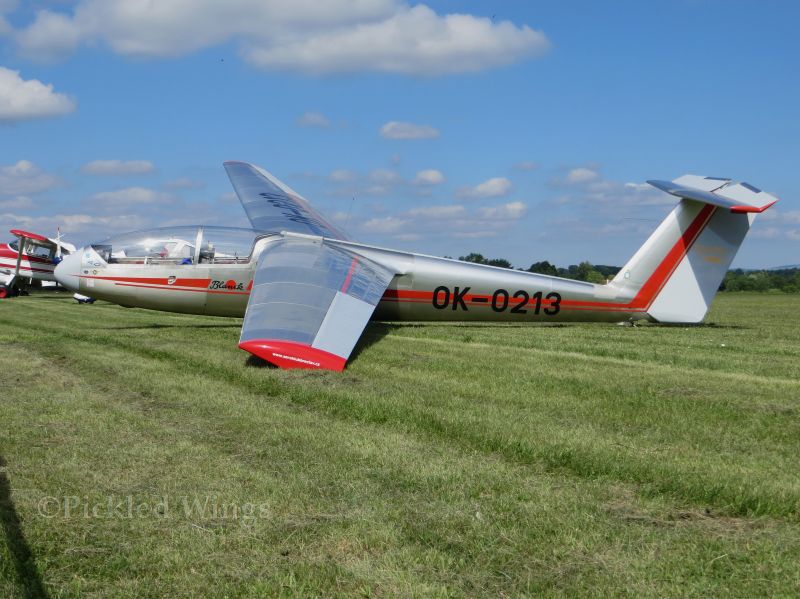
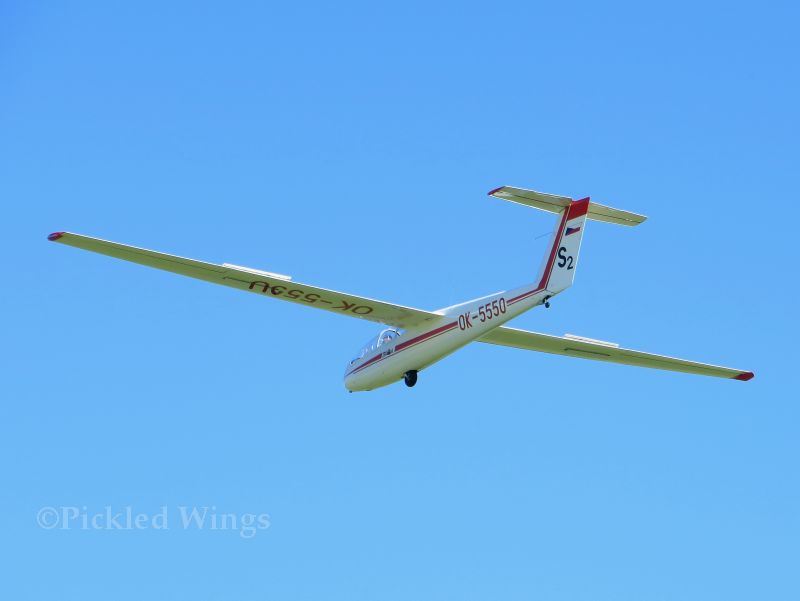
As with the L-13 before it, the L-23 was primarily of metal construction and retained the semi-retractable main landing wheel. The main areas of improvement, aside from handling, were ergonomics, safety, and weight reduction. These goals drove substantial redesigns of the tail, forward fuselage, and wings.
Tail redesign
The tail was completely reworked. The vertical fin was swept back, and the horizontal stabiliser was moved from the base of the fin to the top.
This higher position made the stabiliser less vulnerable to damage during rough-field landings. It also allowed the component to be built as a single piece, simplifying both its construction and its attachment to the aircraft.
Another improvement at the tail was replacing the L-13’s metal skid with a swivelling tail wheel, making the aircraft far easier to handle on the ground.

Wing redesign
The L-23’s wing was also substantially changed. Designers deleted the wing flaps, which the L-13 had but were rarely used in practice. This made the L-23 wing lighter and simpler, though the trade-off was reduced aerobatic capability compared to the L-13. However, the modifications improved handling at higher speeds.
The large metal wingtip skids of the L-13 were replaced with much lighter fibreglass structures containing small wheels. Like the tail wheel, these improved ground handling.
Later-production L-23s could also be fitted with optional wing extensions, which improved efficiency and glide performance.
Forward fuselage redesign
Up front, the focus was on pilot comfort and visibility.
The cockpit was slightly roomier than that of the L-13, with improved seating, including a seat that could be ballasted to compensate for lighter pilots.
The canopy and sill were redesigned to extend farther downward than the L-13’s, giving the pilot better outward visibility. Later-production aircraft also featured reduced canopy framing, which improved visibility further.
The canopy was divided into two sections: the front hinged sideways, and the rear hinged upward and backward. This made the sections lighter and easier to manage, and also made entry and exit from the rear seat more convenient.
The Super Blaník’s Place
While the L-23 Super Blaník was every bit as rugged a trainer as the L-13, it never achieved the same production run. About 300 L-23s were built between 1989 and 2007.
A major factor in the smaller number was the fall of socialism in Europe in 1989, which brought financial challenges and ownership changes to Let.
Additionally, by the time the L-23 reached the market, more modern sailplanes were available. The L-23 was a worthy heir to the L-13, but ultimately it was a modification of an older design, and flying clubs often chose newer models when budgets allowed.
Even so, the L-23 has enjoyed popularity with those who fly it, and it has been exported to roughly 30 countries. Among its operators is the United States Air Force Academy, where it is known as the TG-10B Merlin.
The L-23 also gave something back to the Blaník family. In the late 1990s, the concept of an aerobatics trainer within the lineage took shape. The result was the L-13AC, which first flew in July 1997. It inherited some of the L-23’s modifications: its wing was a shortened, modified version of the L-23’s, and it shared the L-23’s forward fuselage, though with a one-piece canopy.

The L-23 Today and Learning More
With about 300 built and exports to some 30 countries, the L-23 remains a workhorse, and many are still flying today.
Since 2014, the type certificates for all Blaník-family aircraft have been held by the Prague-based Blaník Aircraft company. As such, ongoing support remains available to keep the type in the air for years to come.
Nostalgia also plays a role in keeping the Blaník family alive. Many pilots around the world learned to fly in an L-13 or L-23 and hold fond memories of them. Within the sailplane community, these aircraft are very much considered “classics.”
To learn more about the L-23 and its place in the Blaník lineage, a good first stop is this article on the Orlita.net website. It covers the entire aircraft family in detail; the L-23 specific part starts halfway down the page. It’s all in Czech, but responds well to online translators.
June 21 and 22 of 2025 saw the annual Letecký Den (Air Day) event at Břeclav, Czech Republic take place.
It was a great show, the weather could not have been better and there was a good amount of variety and action to take in.
The show had some of the regular performers as well as some newcomers to keep things fresh
Here’s some of my pictures for the Saturday show:
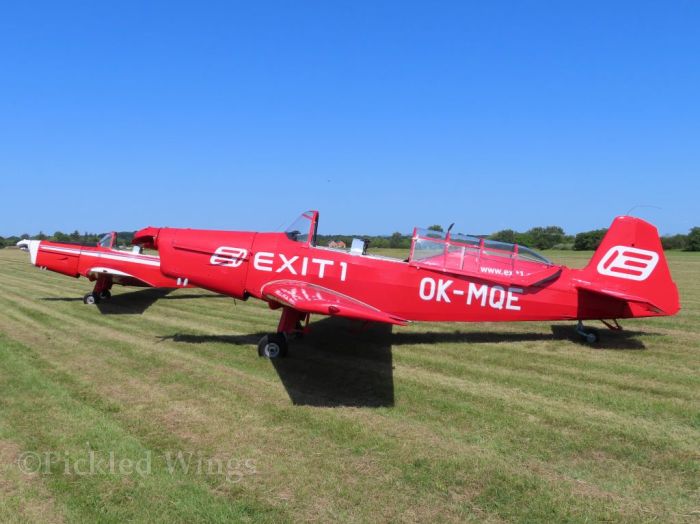

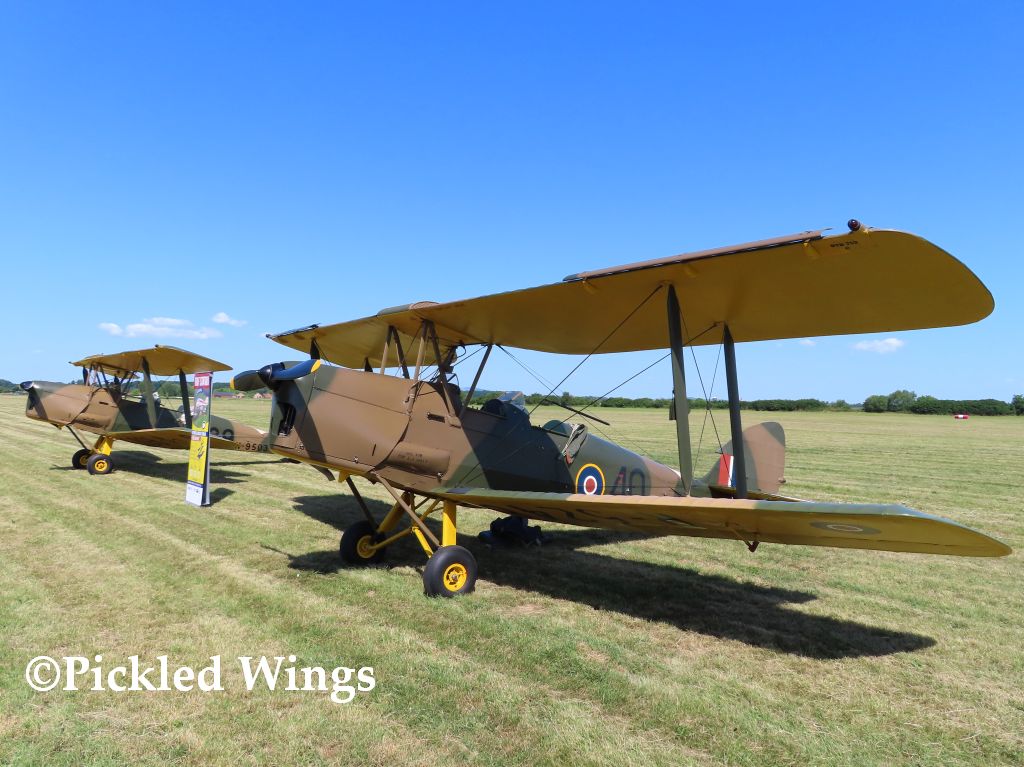

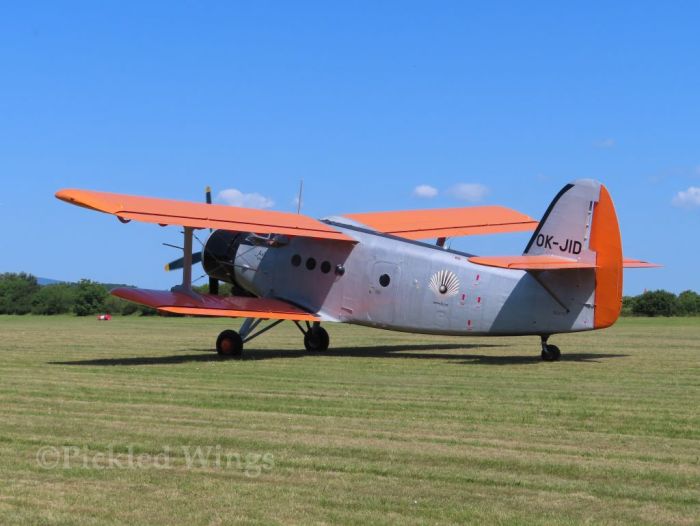


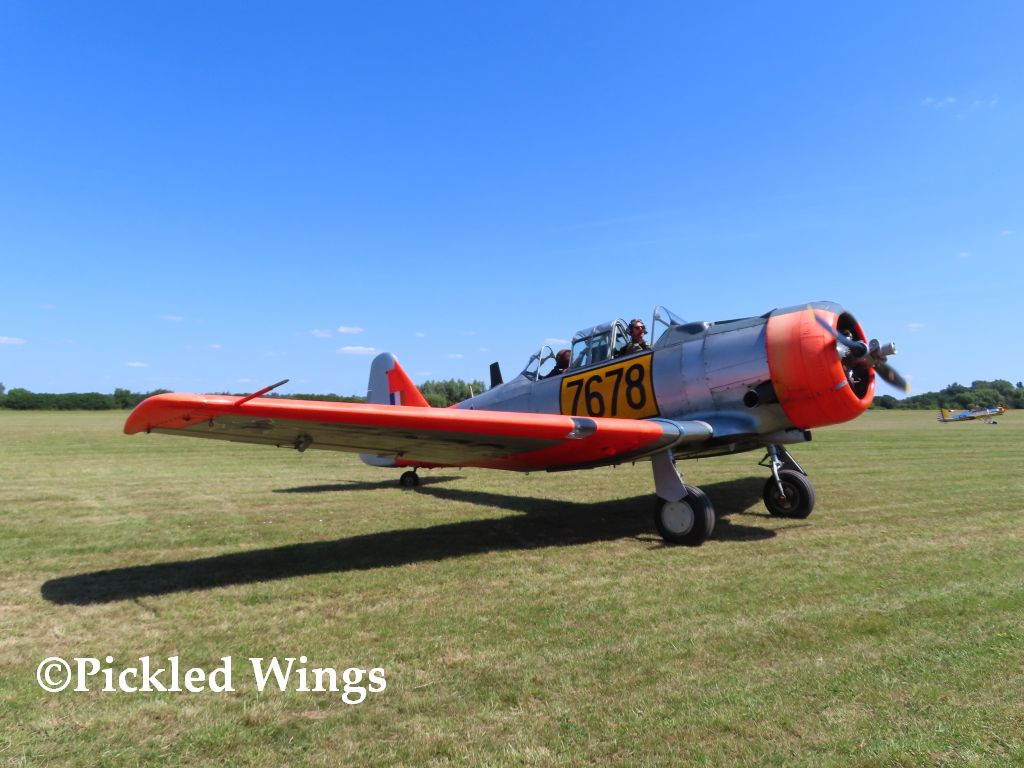

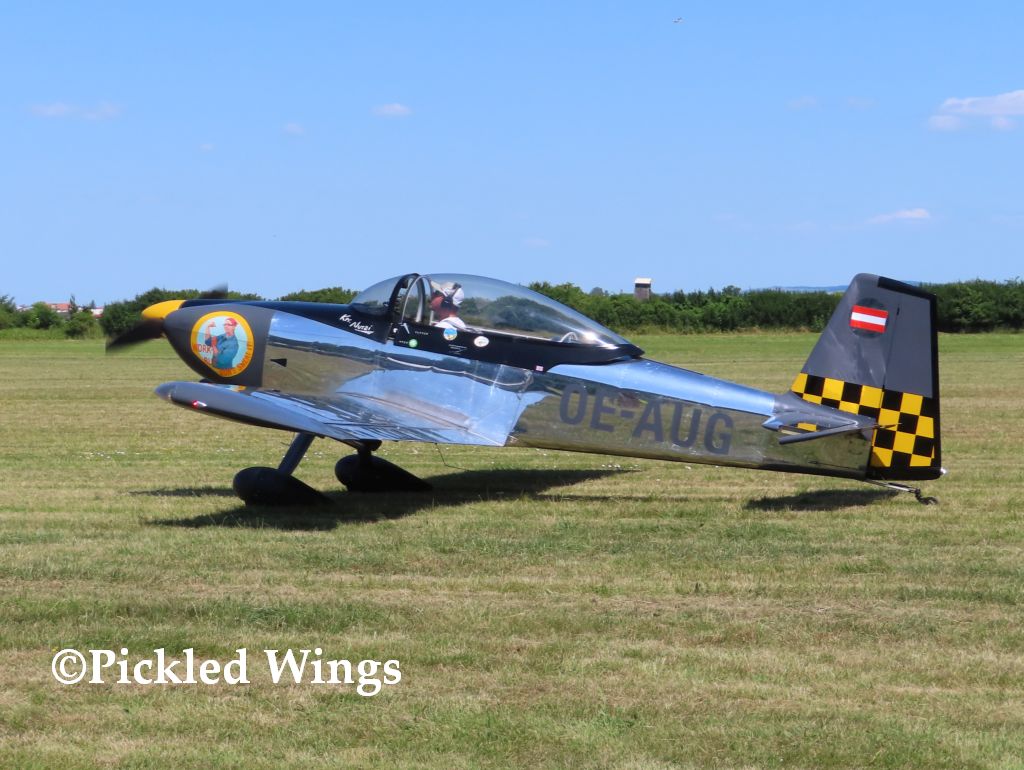
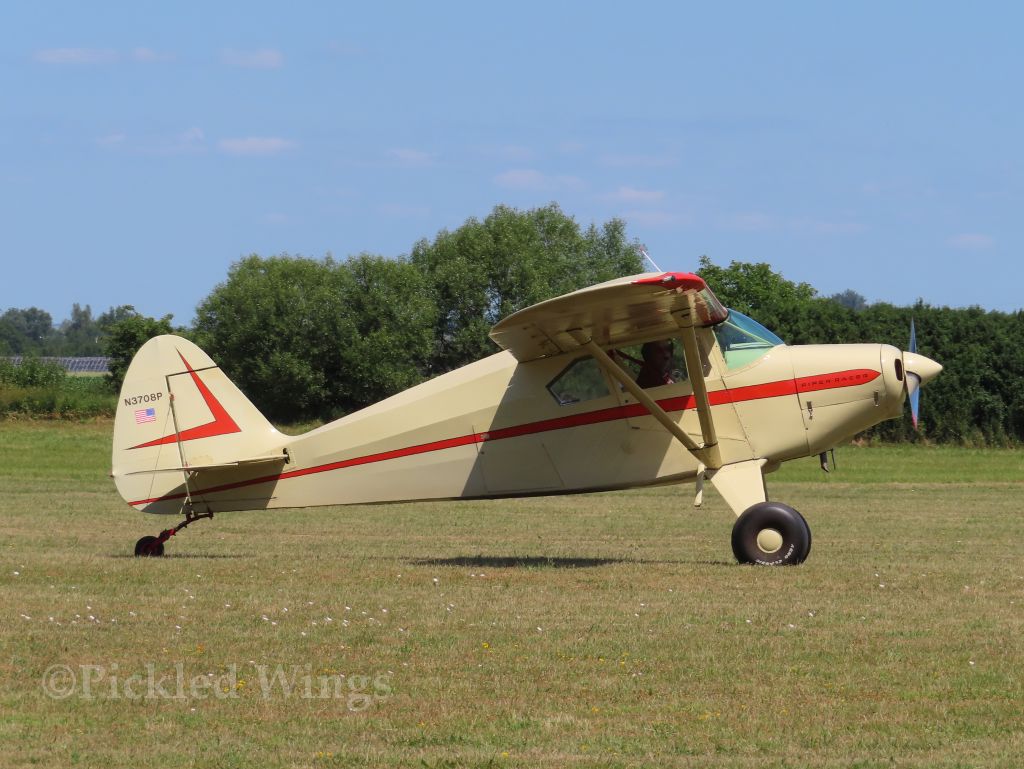
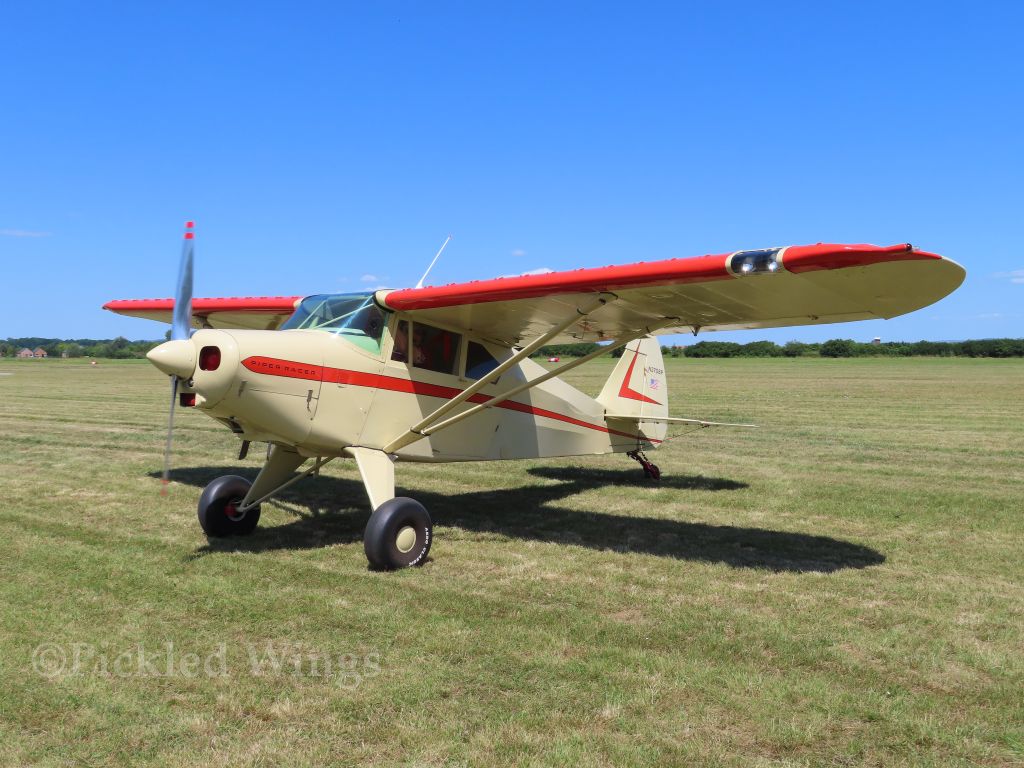

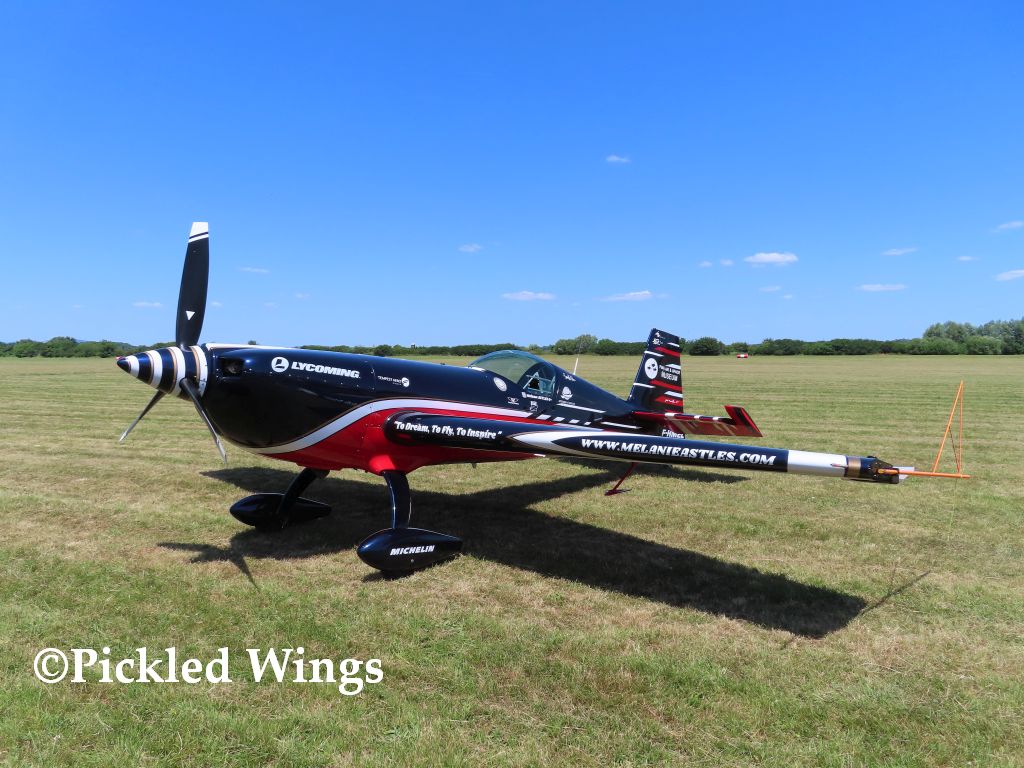


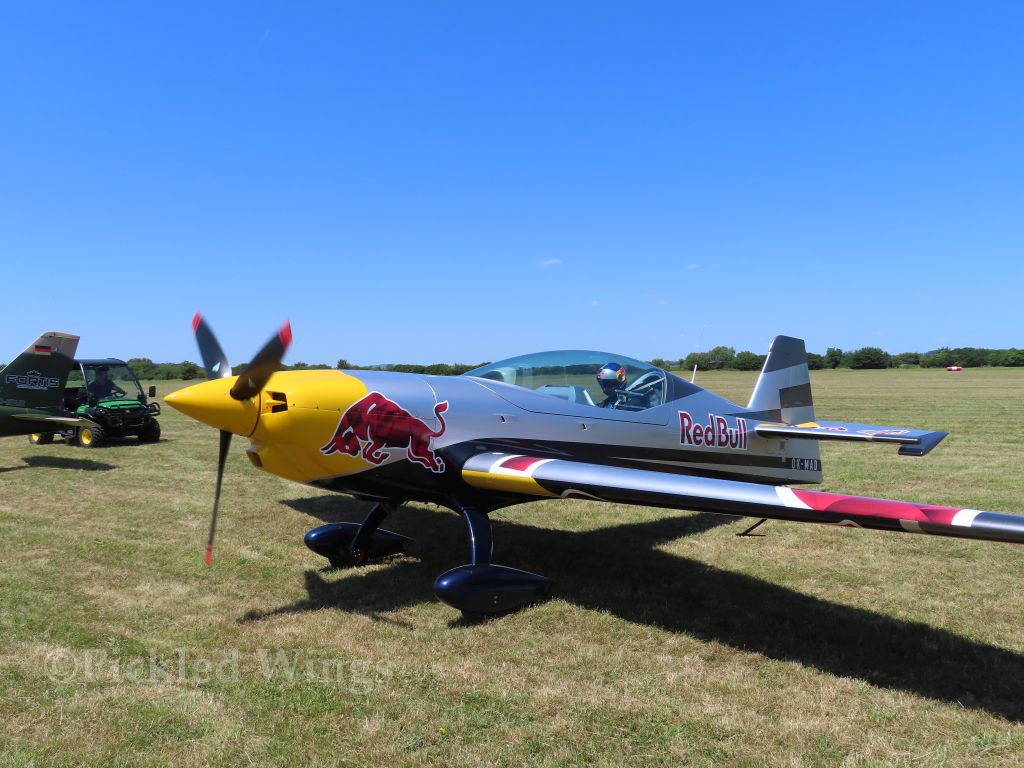
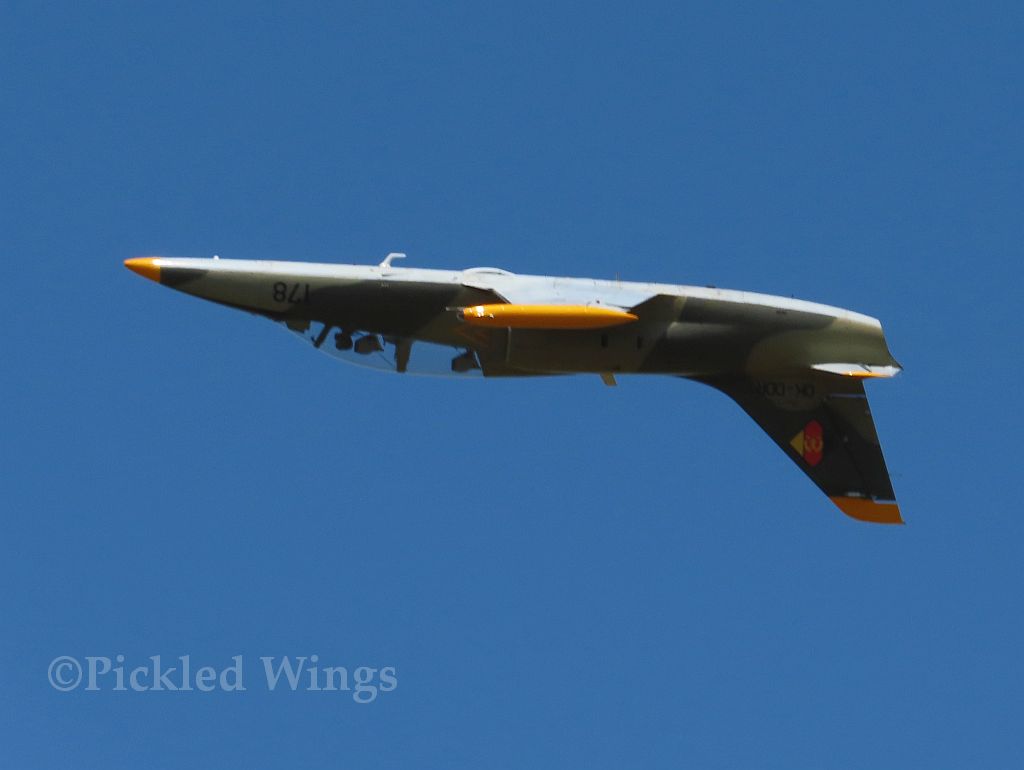


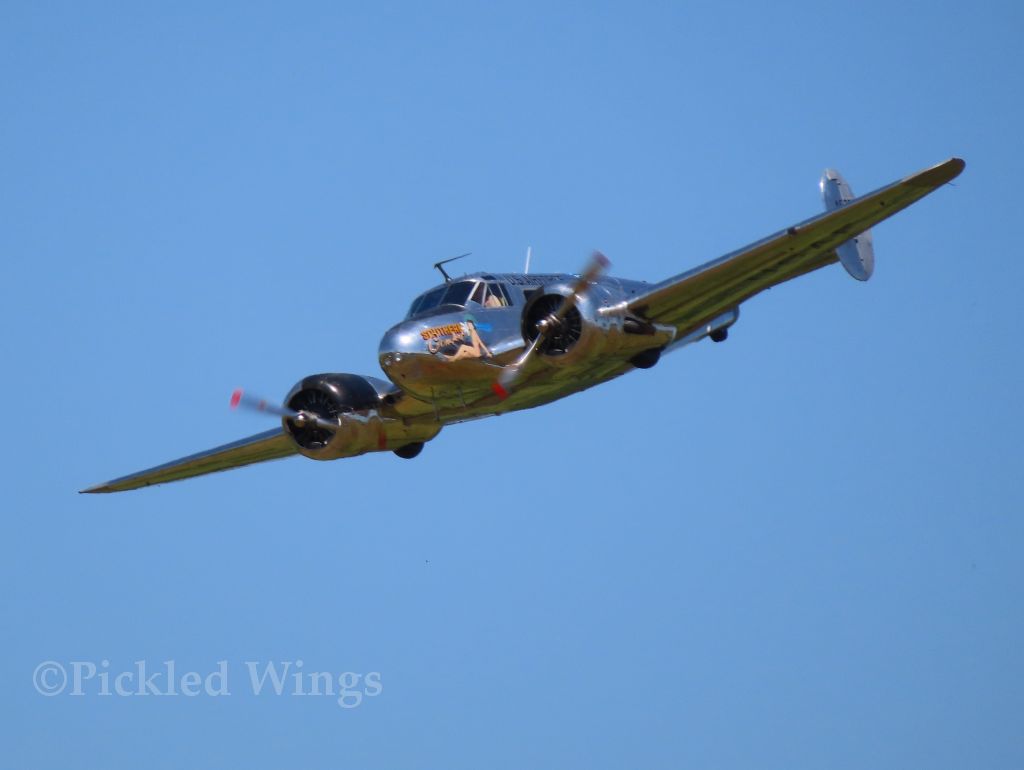

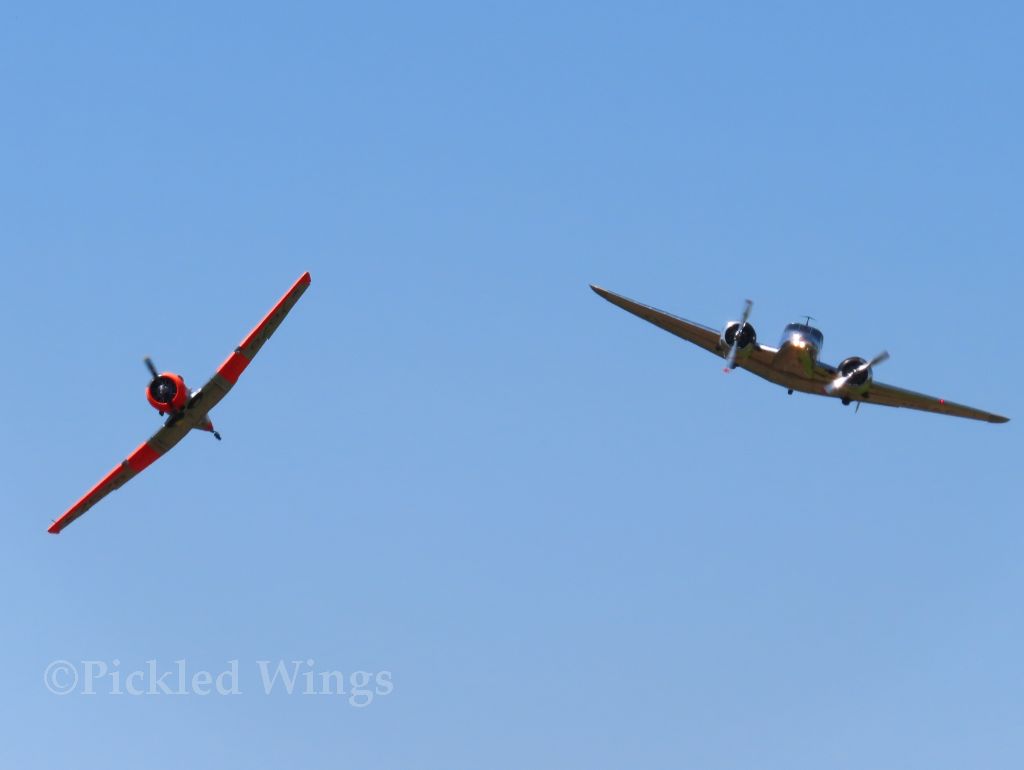

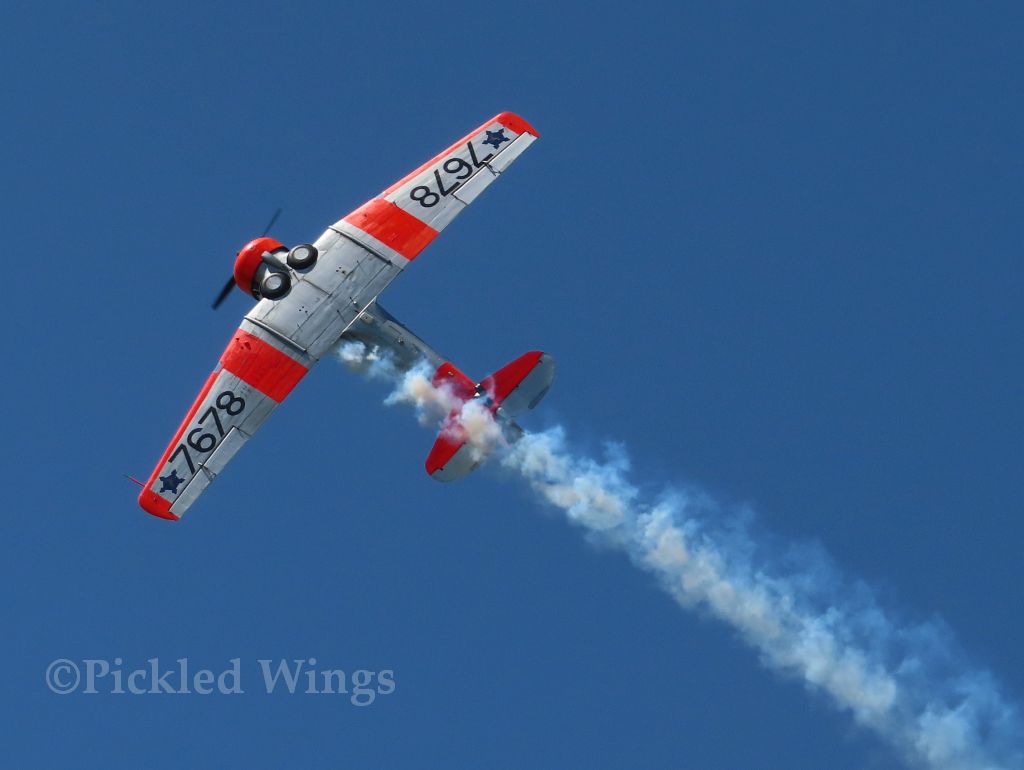
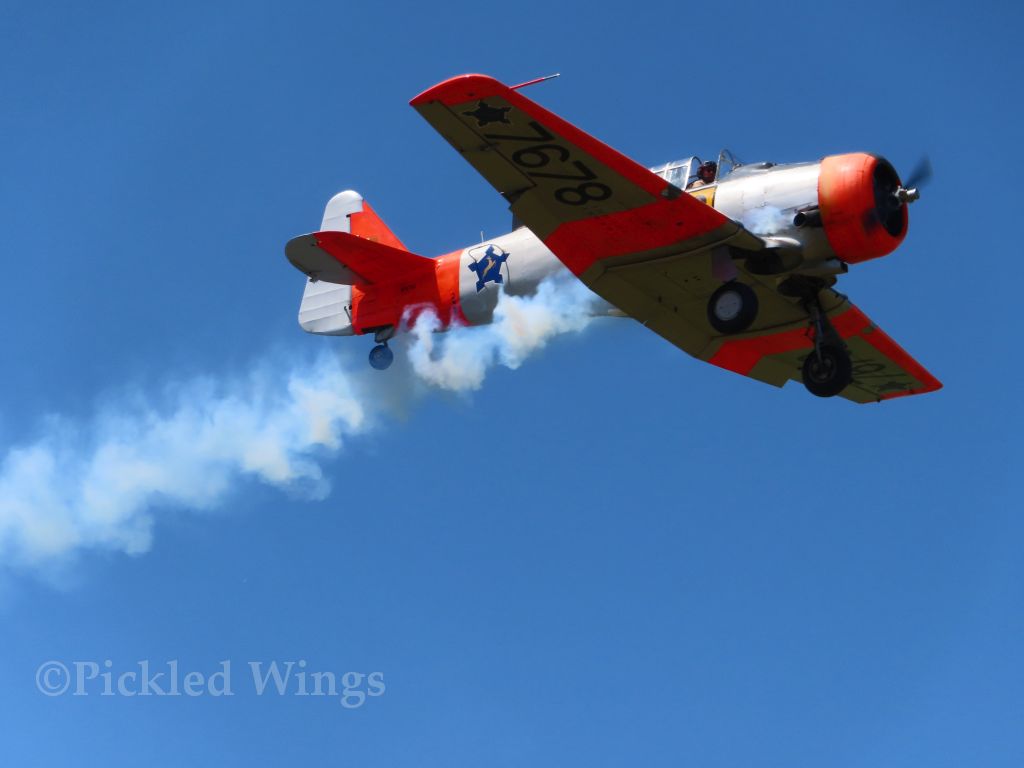


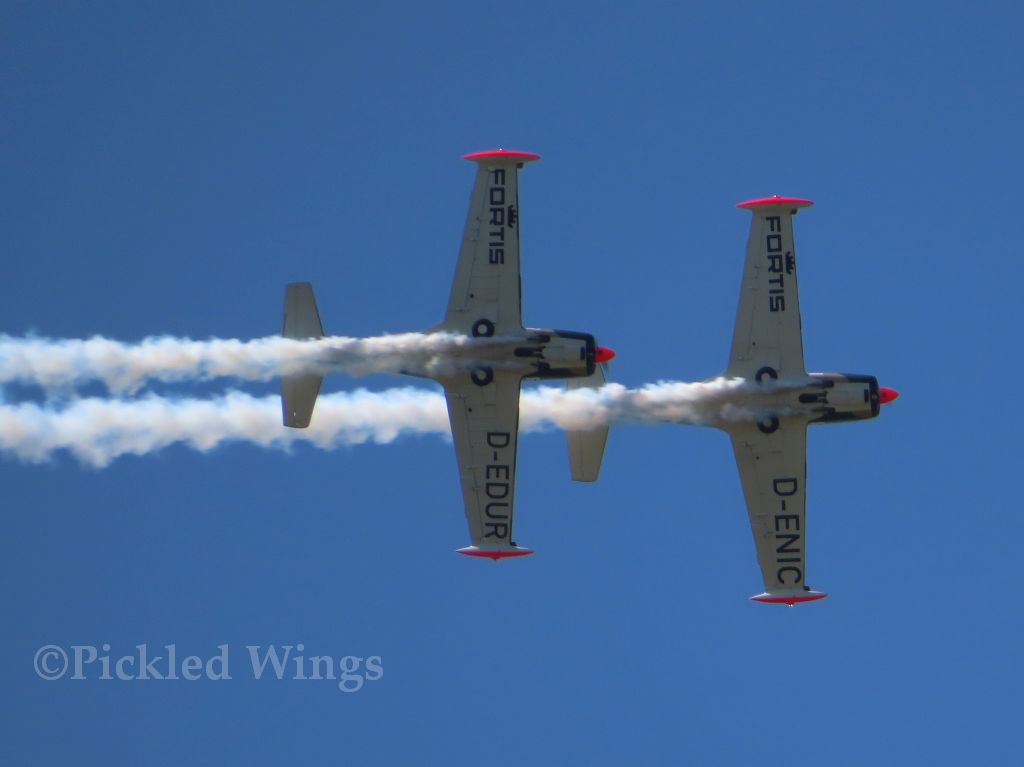


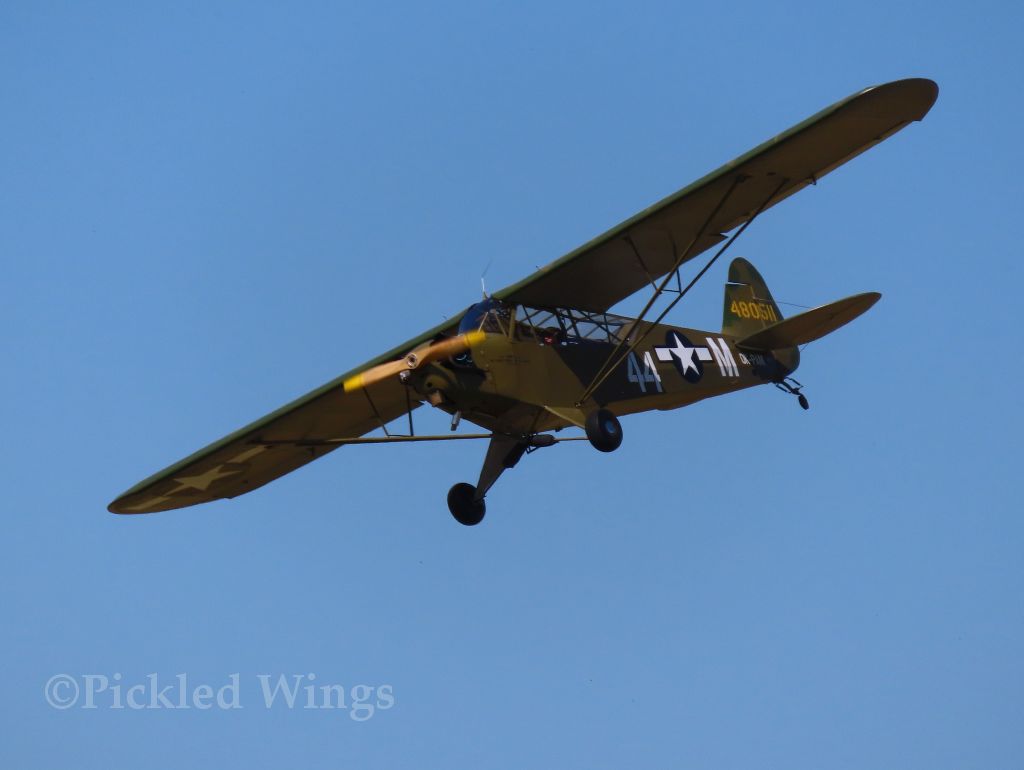


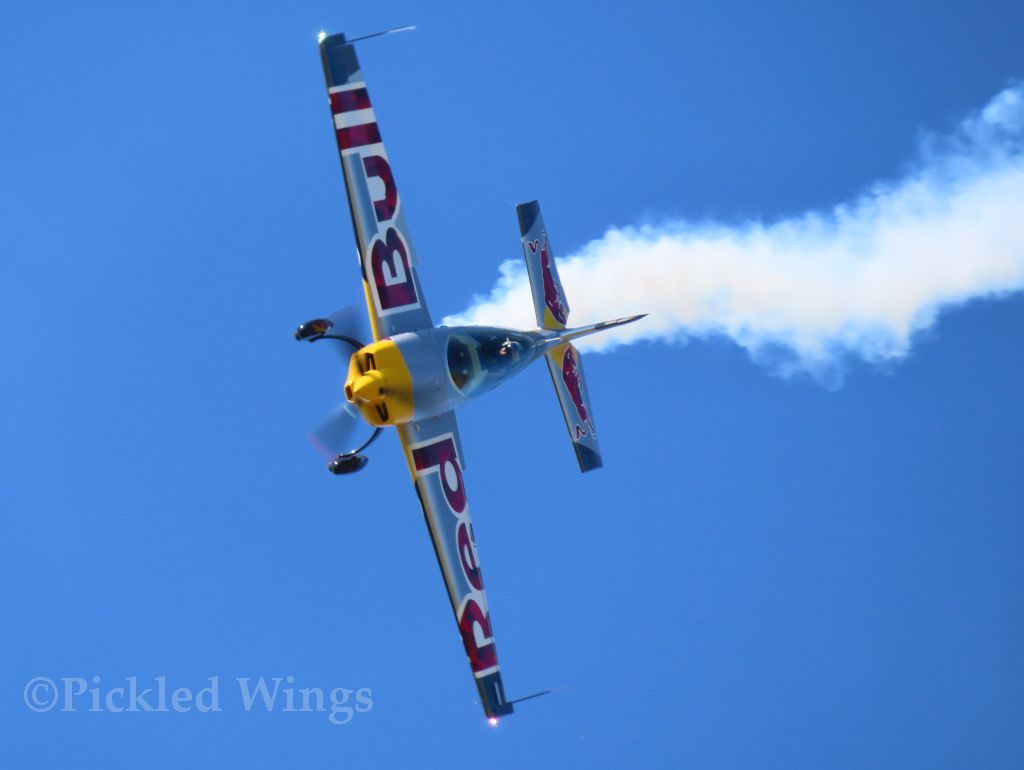
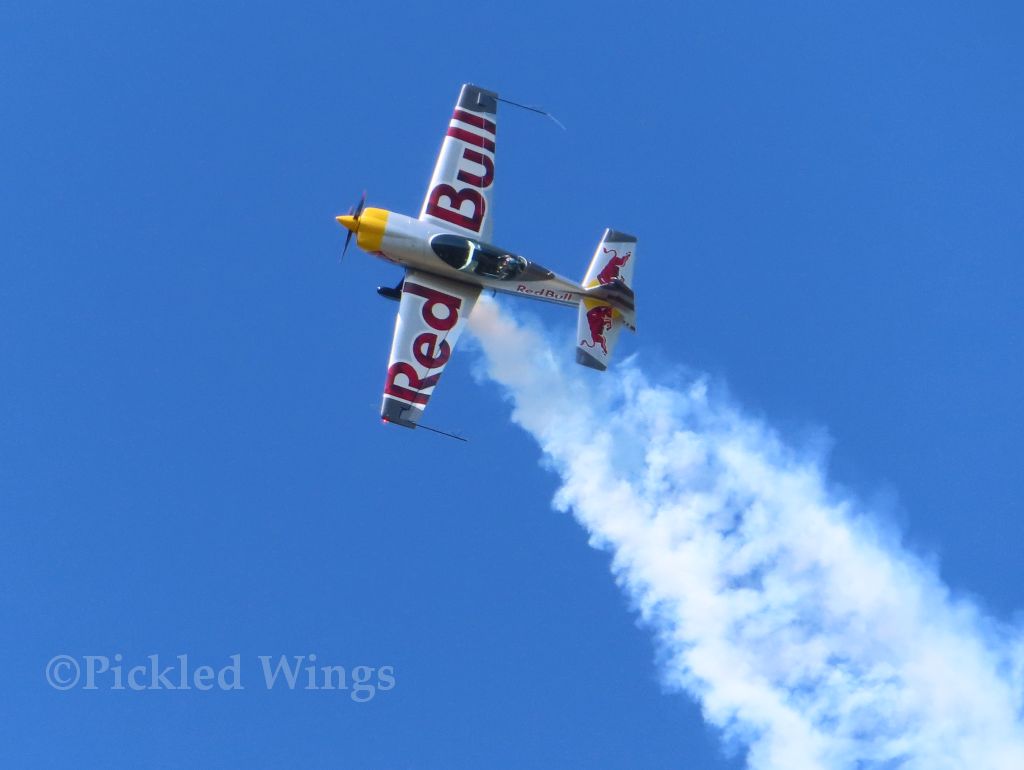
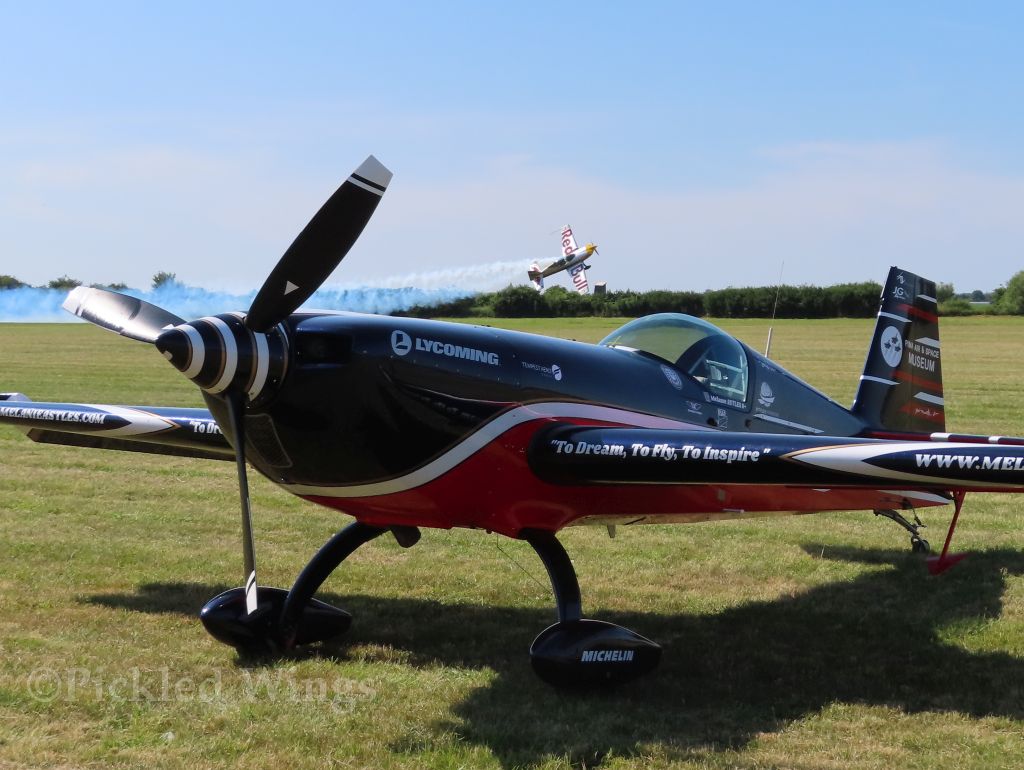


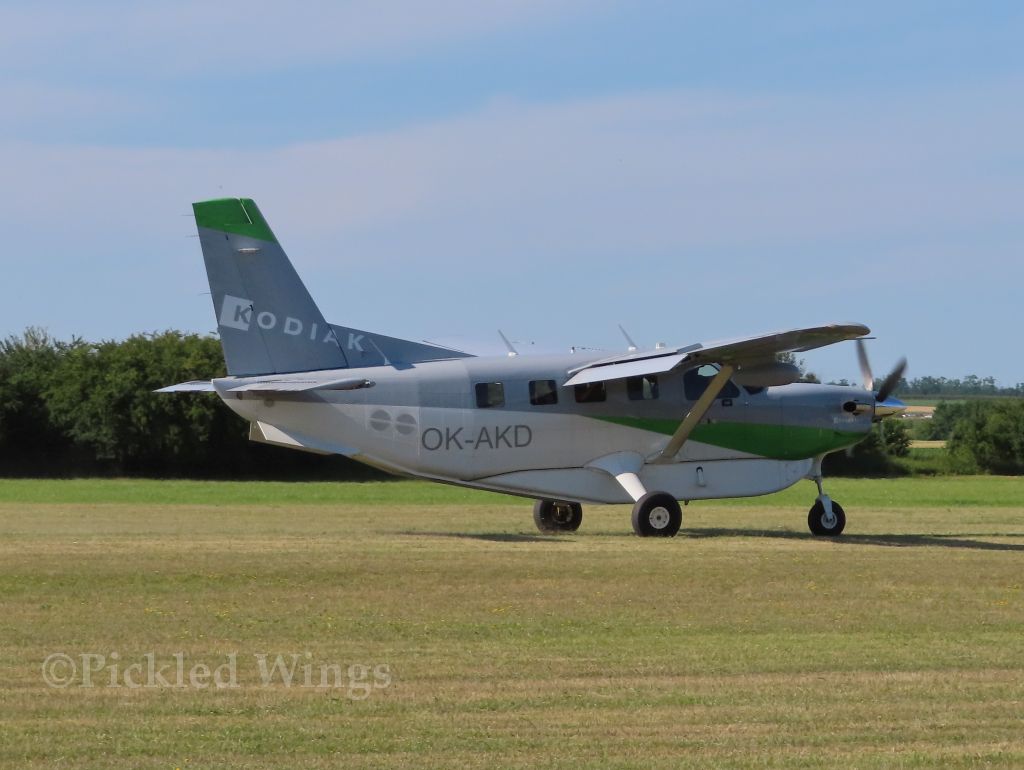
The Pardubice Aviation Fair is an annual event that takes place in Pardubice, Czech Republic. the 2025 edition of the show took place on June 7 and 8. I attended the June 7 show.
It was a pleasantly varied show with a lot of vintage aircraft with some modern in the mix.
We had scattered rain throughout the day, so photogaraphy was a challenge, but I managed to get some presentable shots.

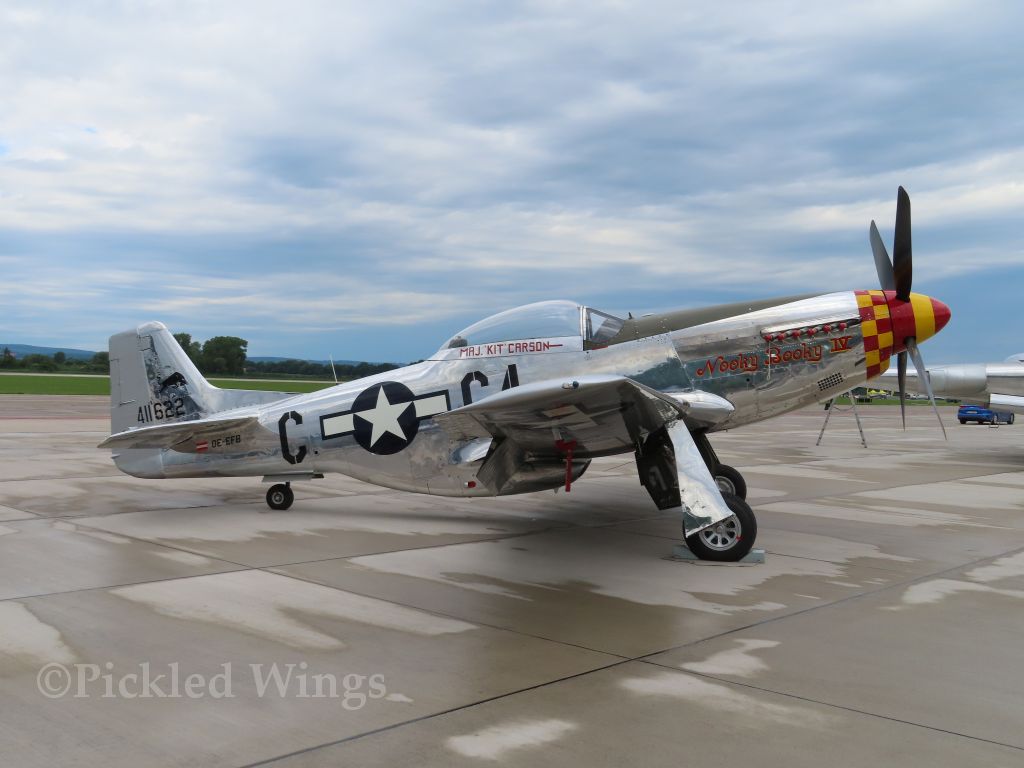

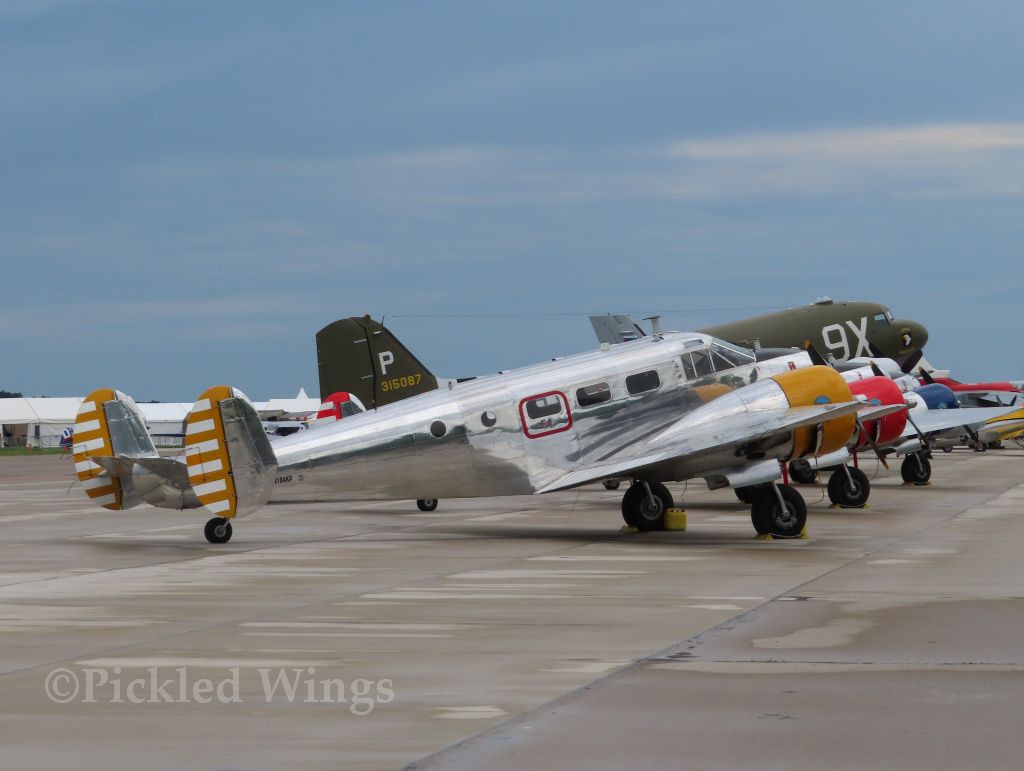


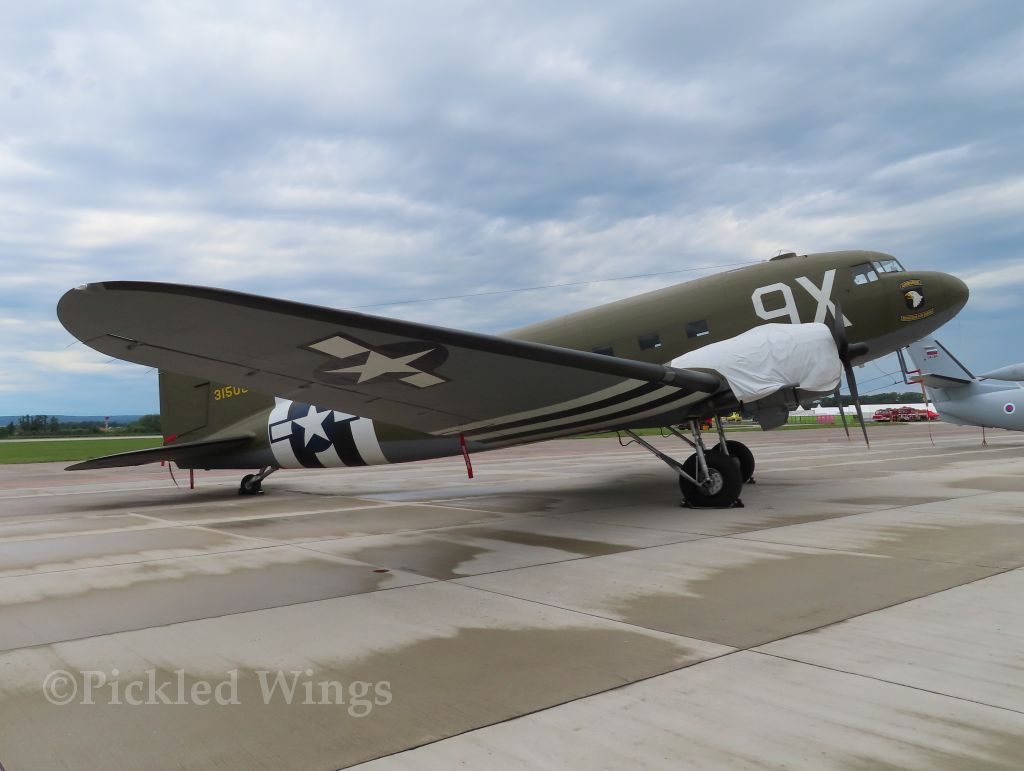

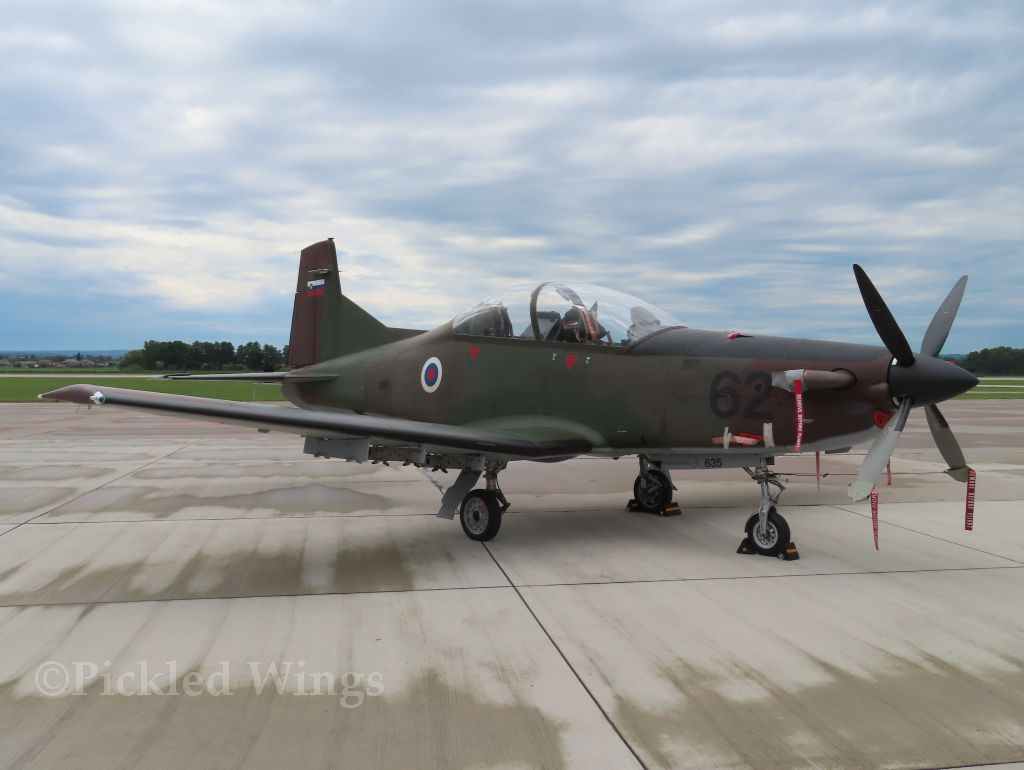
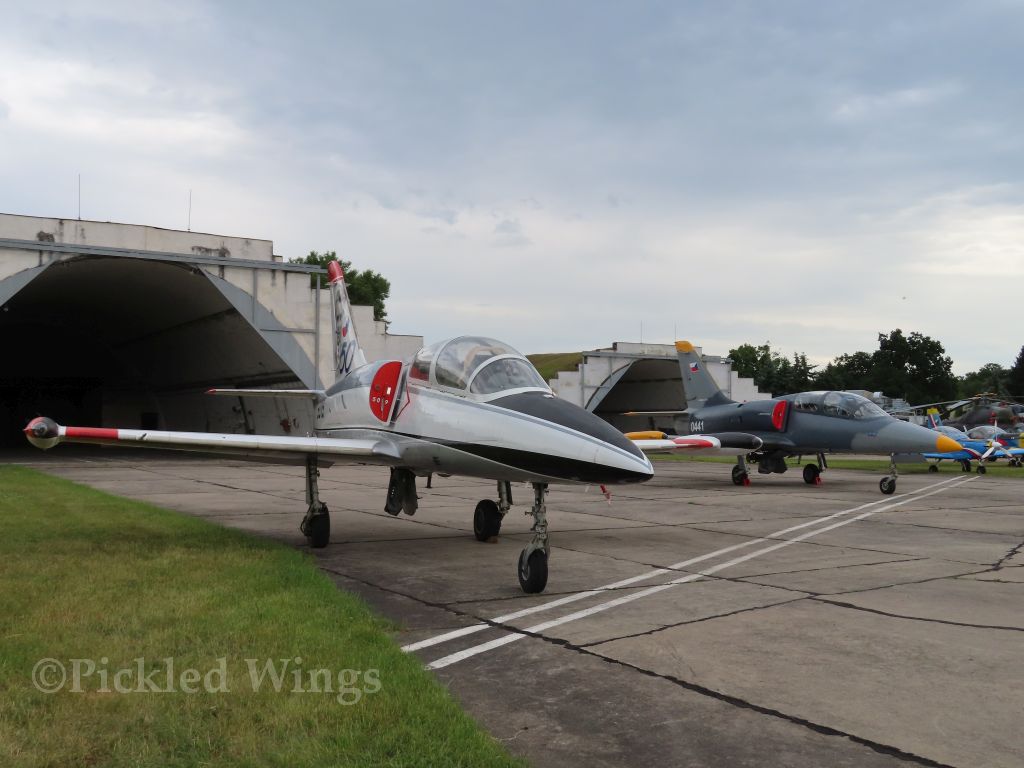
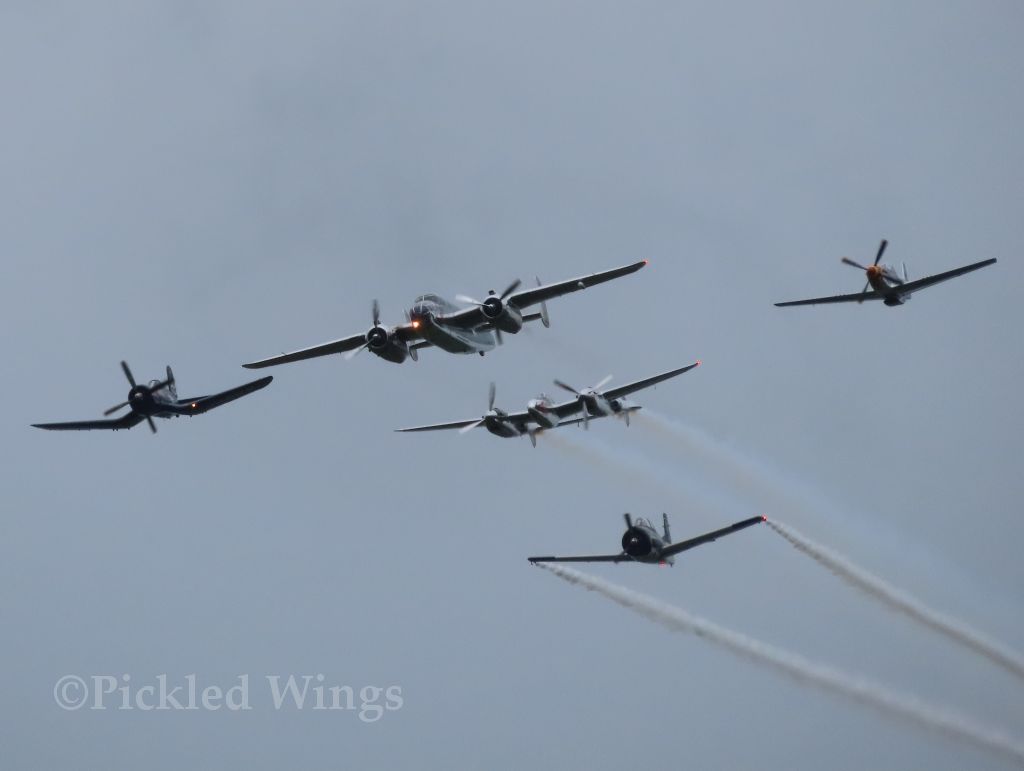
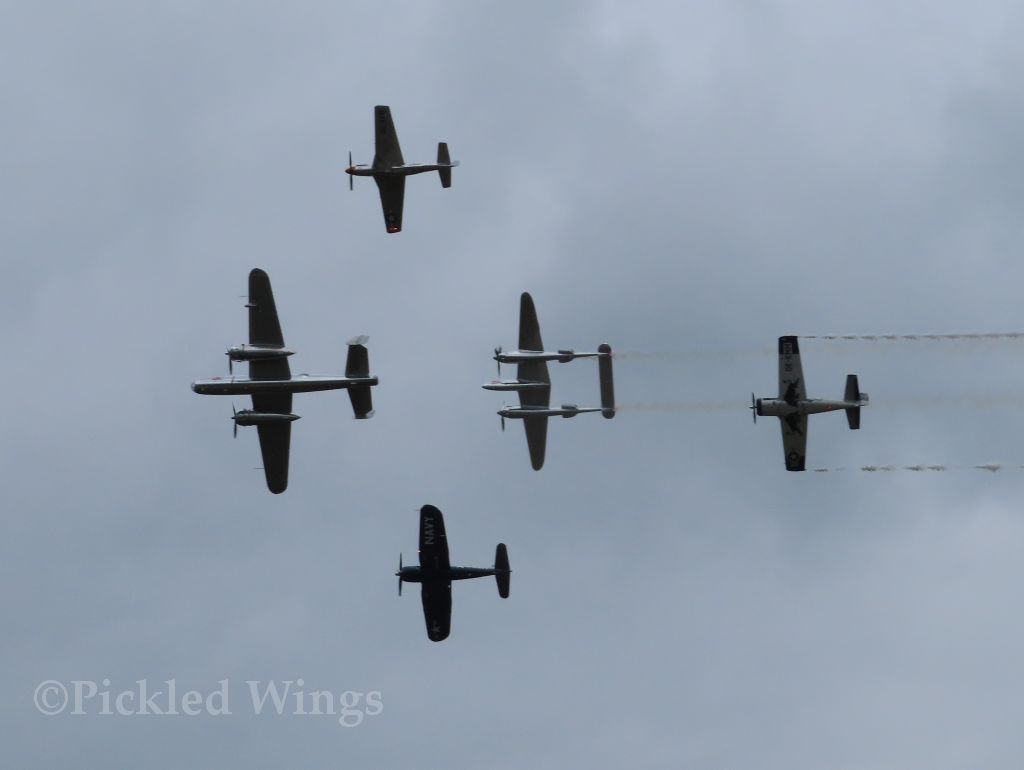


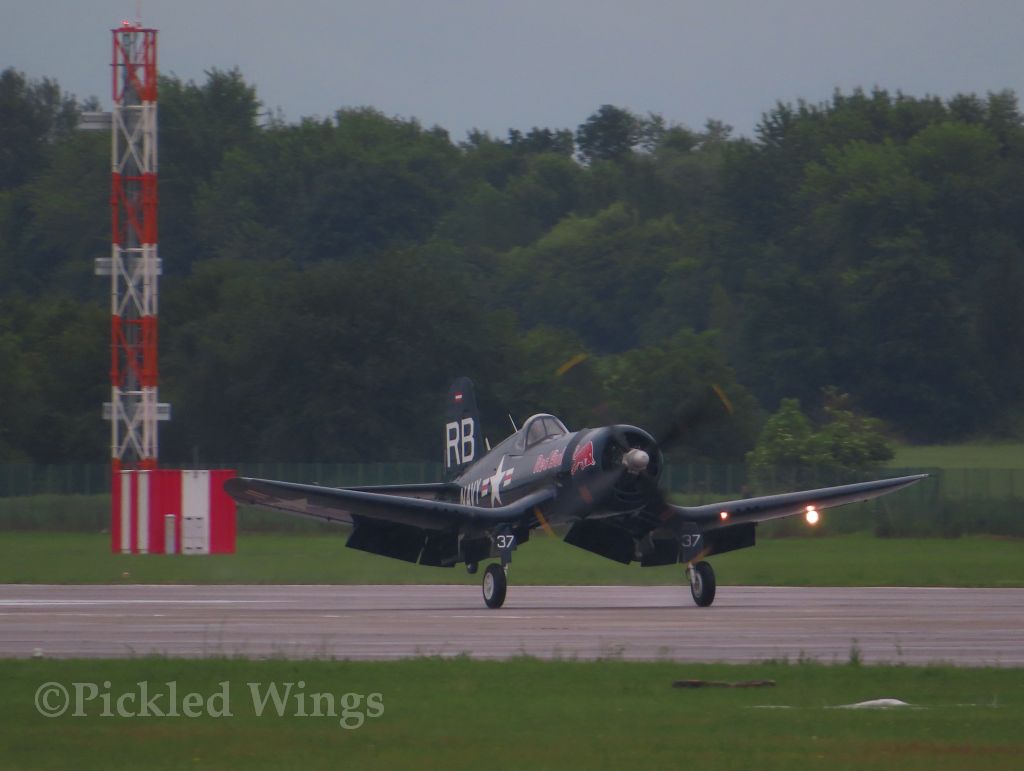
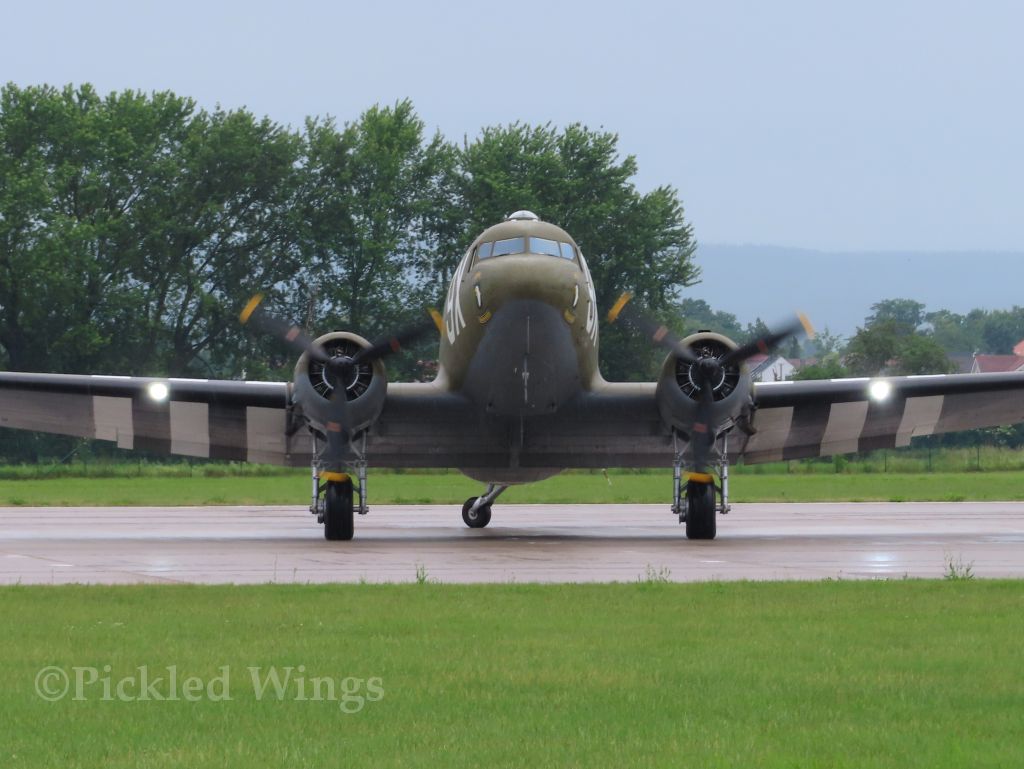
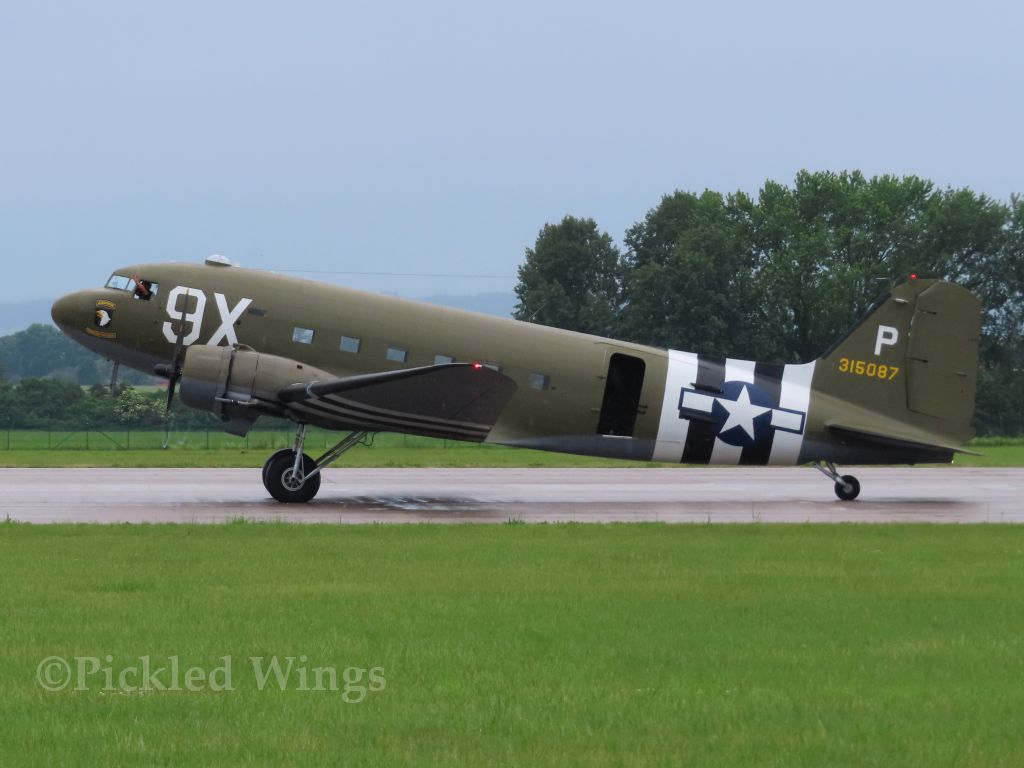
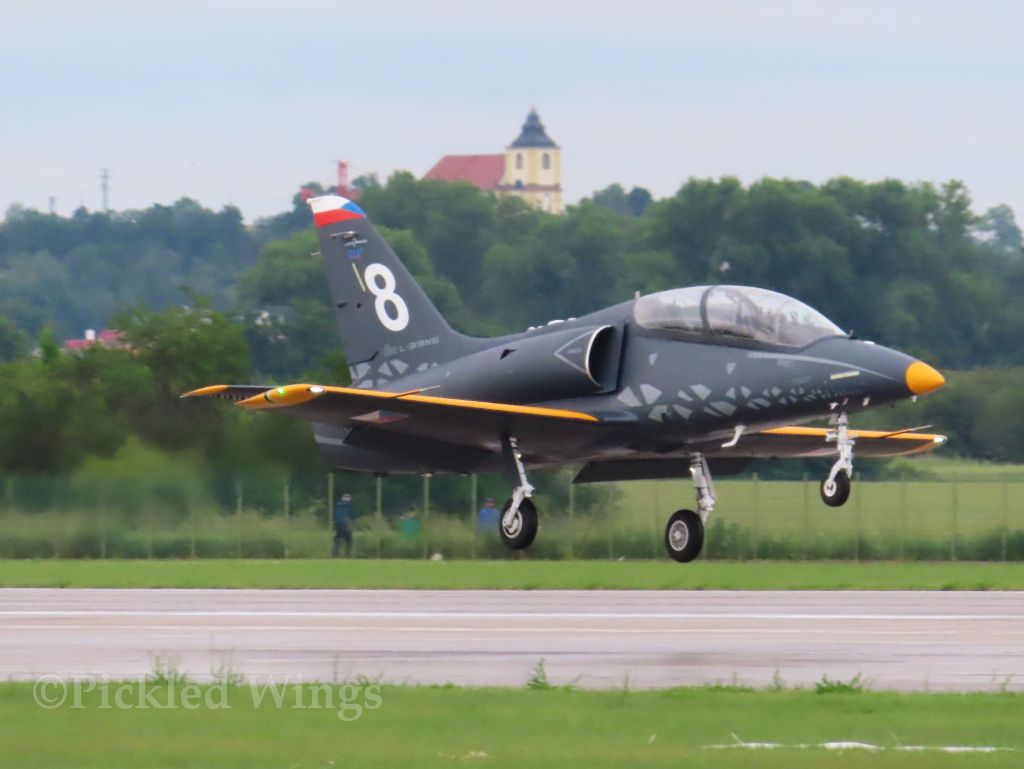


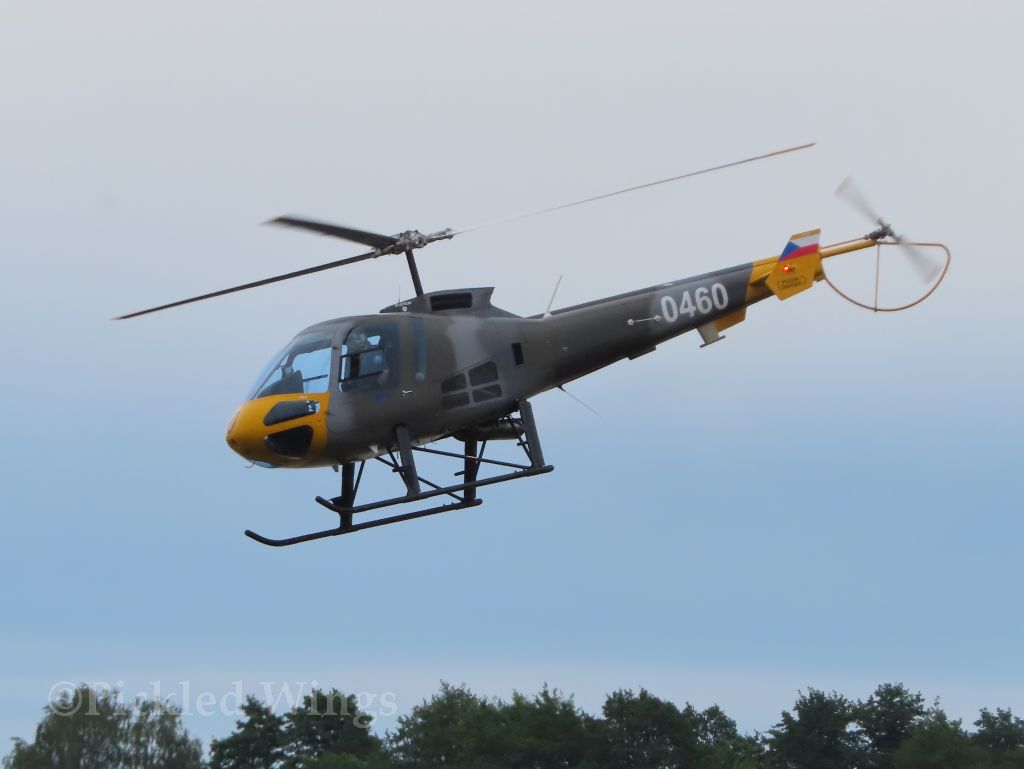
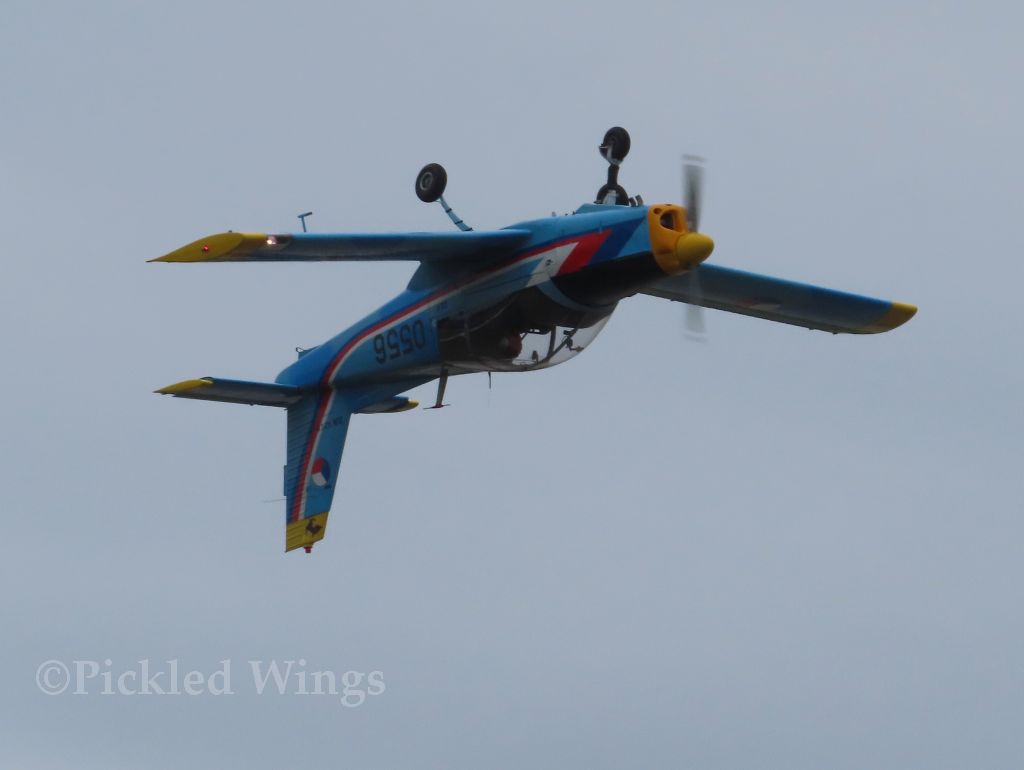

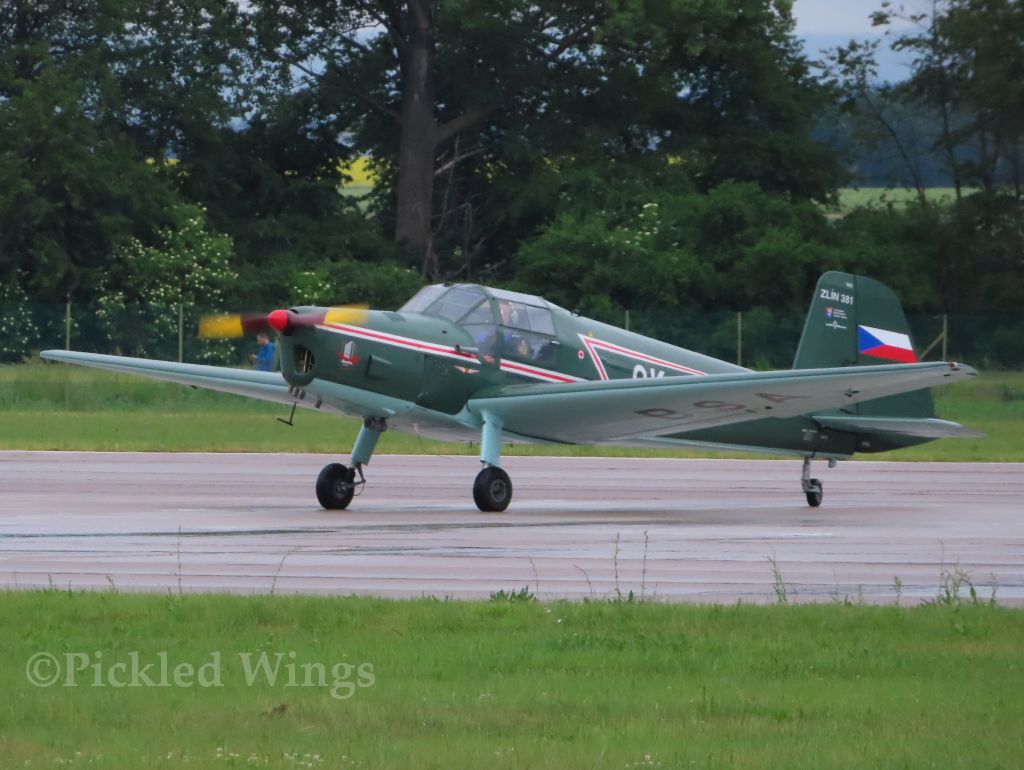
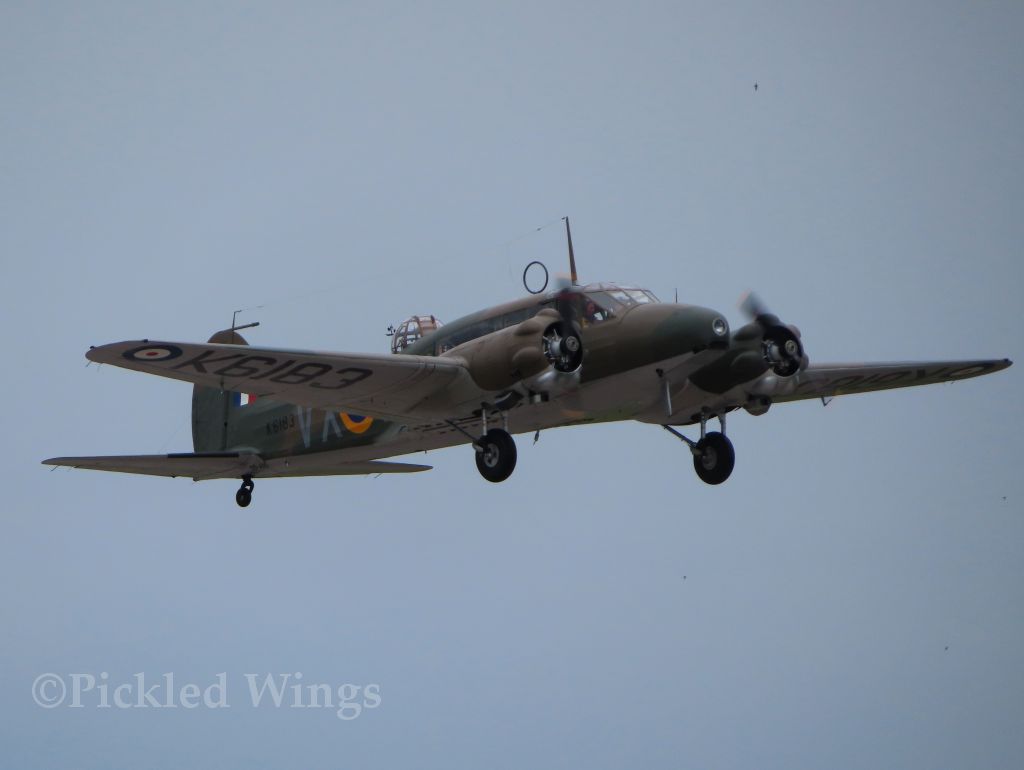


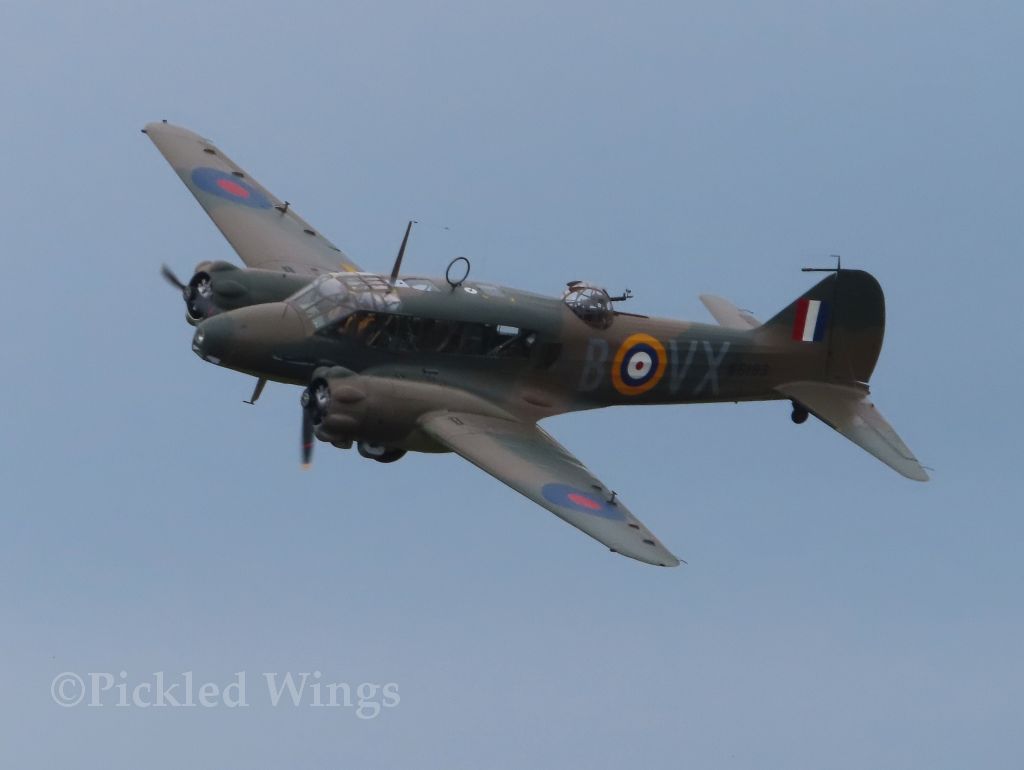
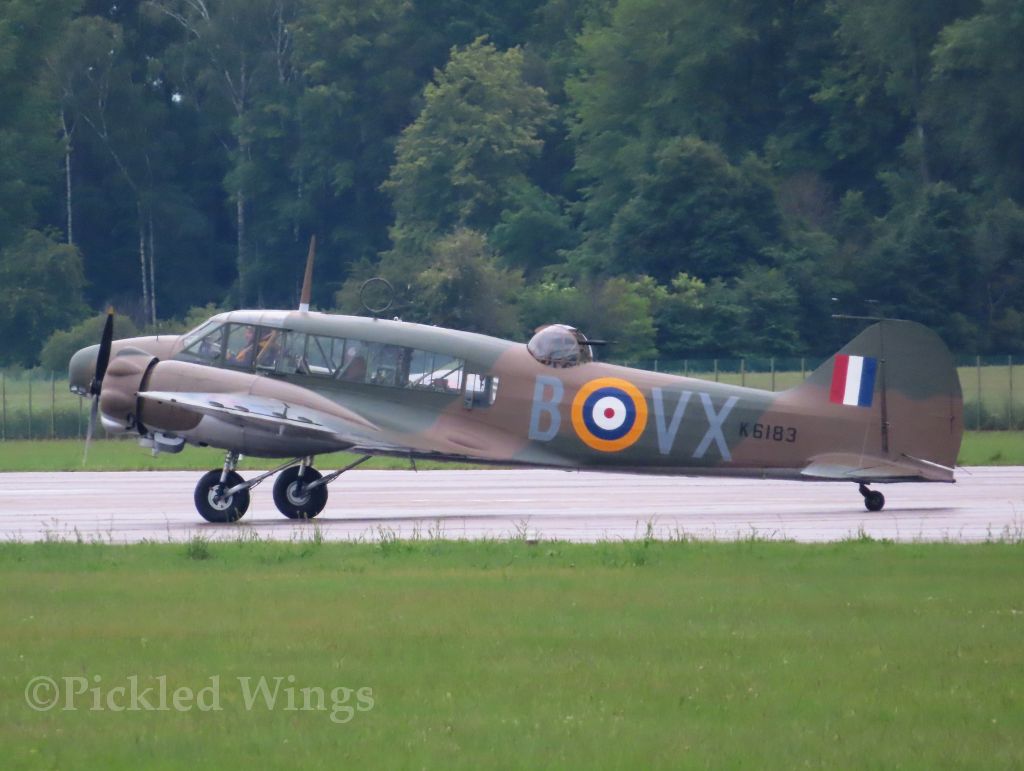
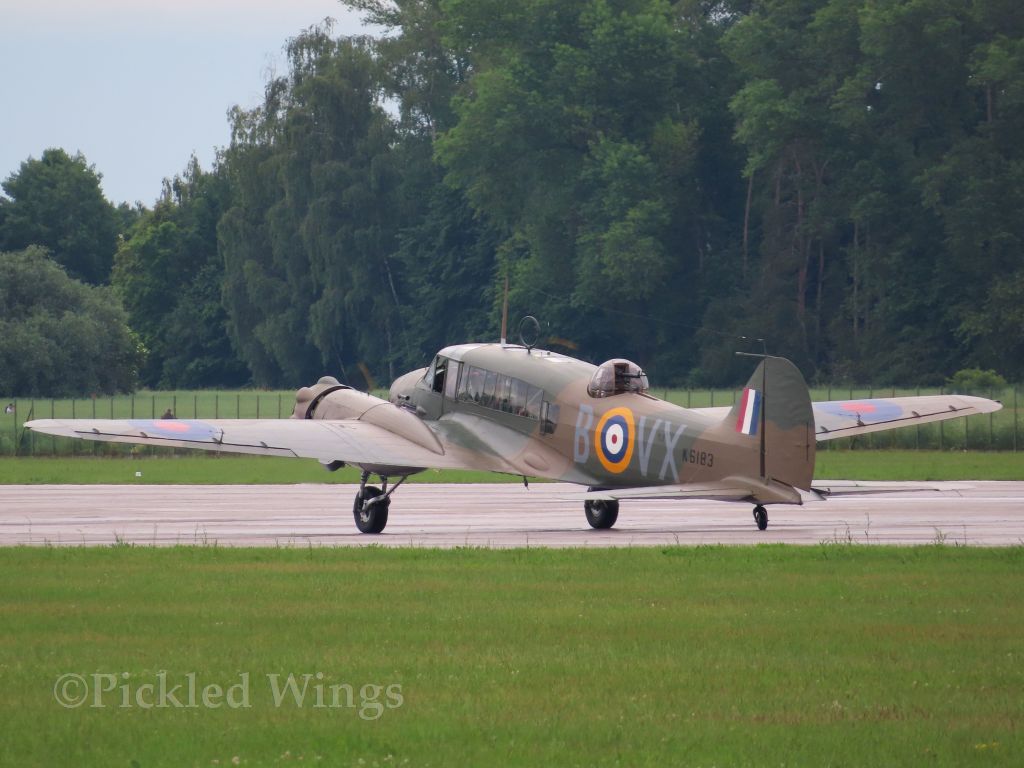


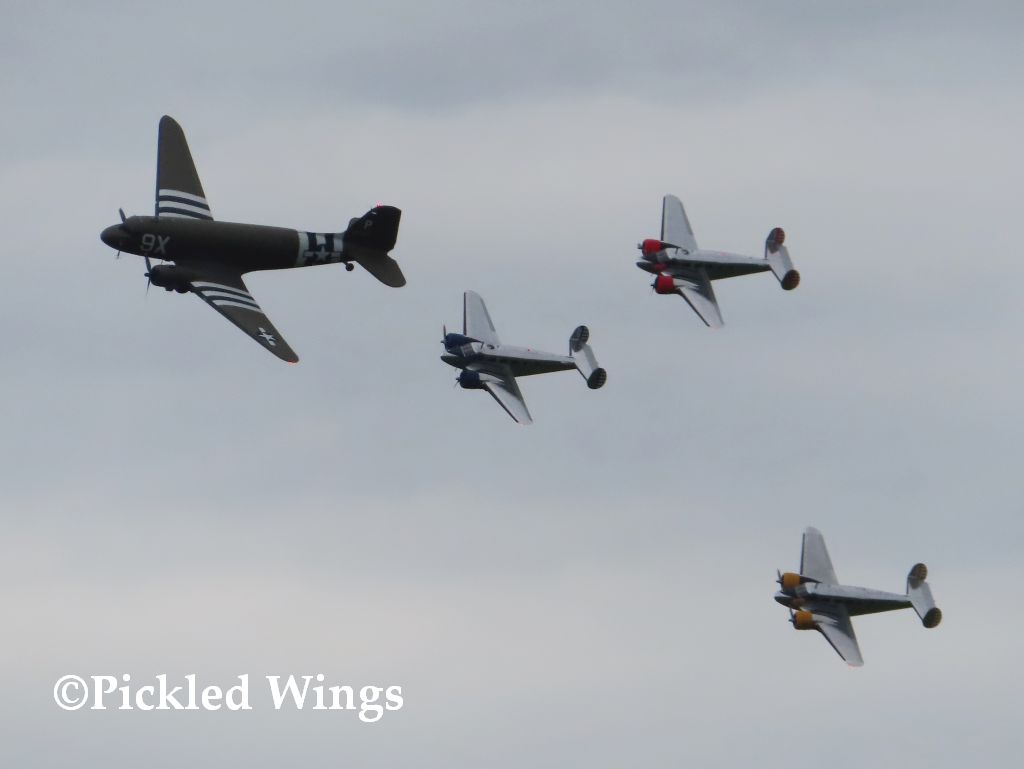

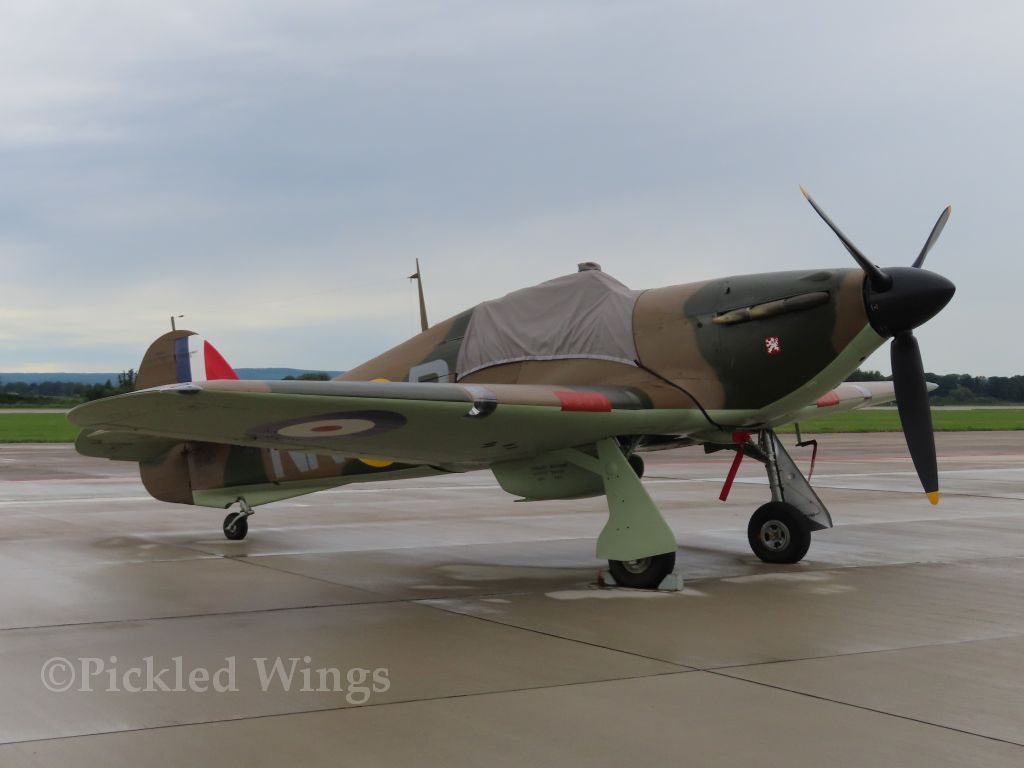
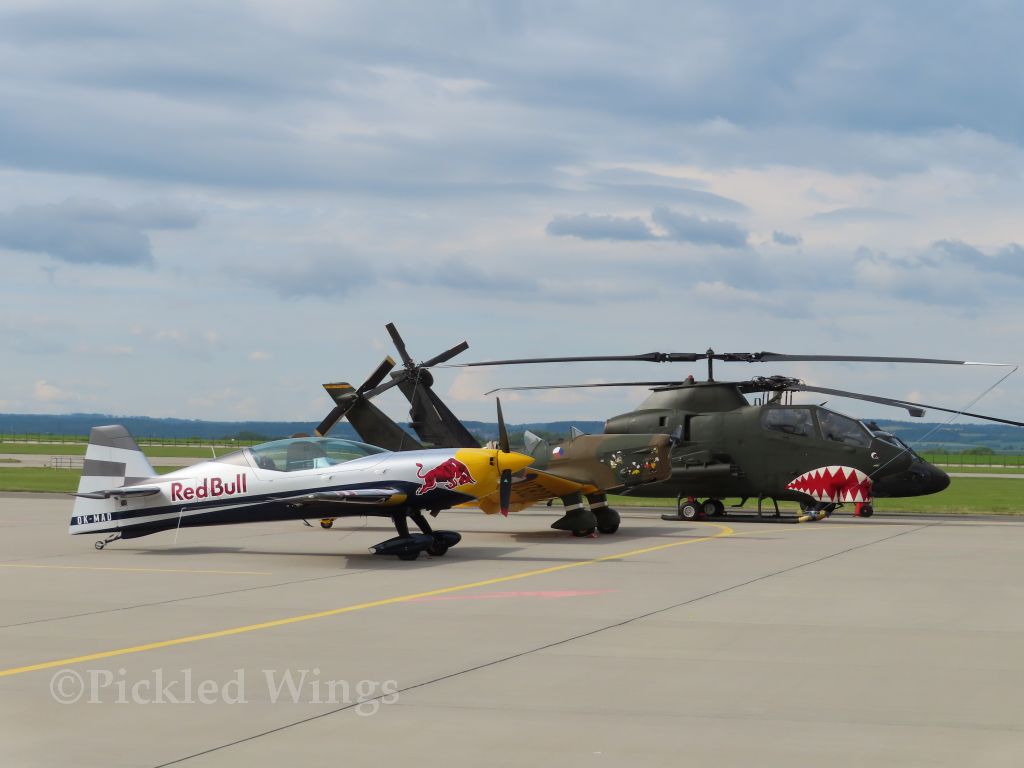
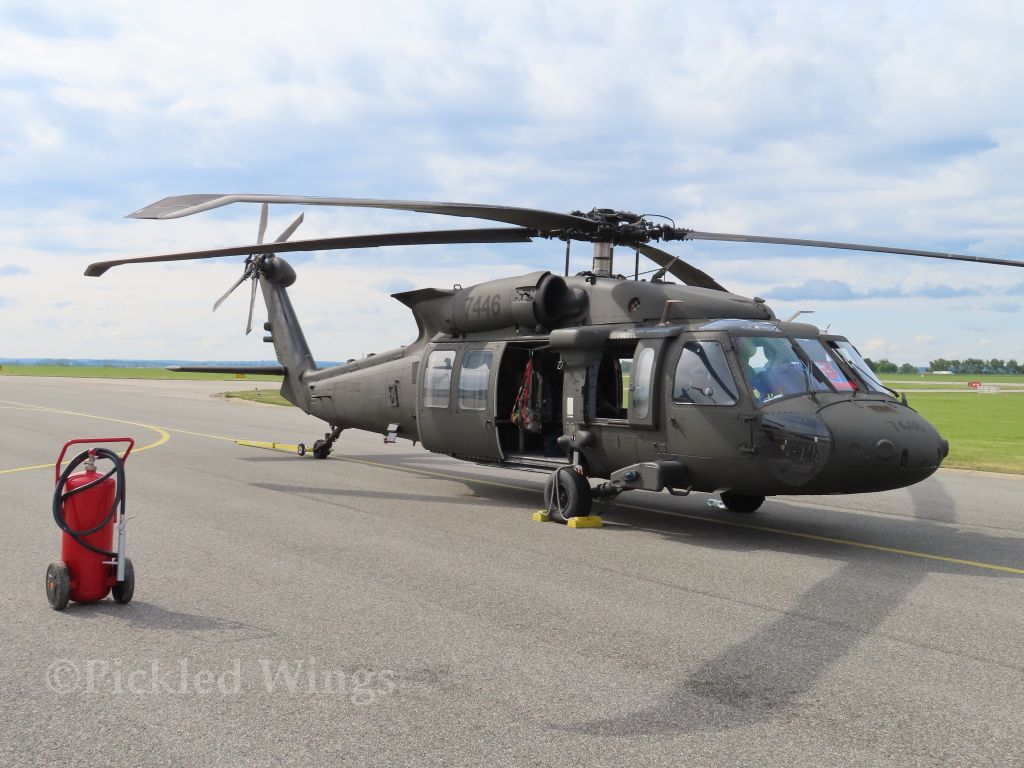
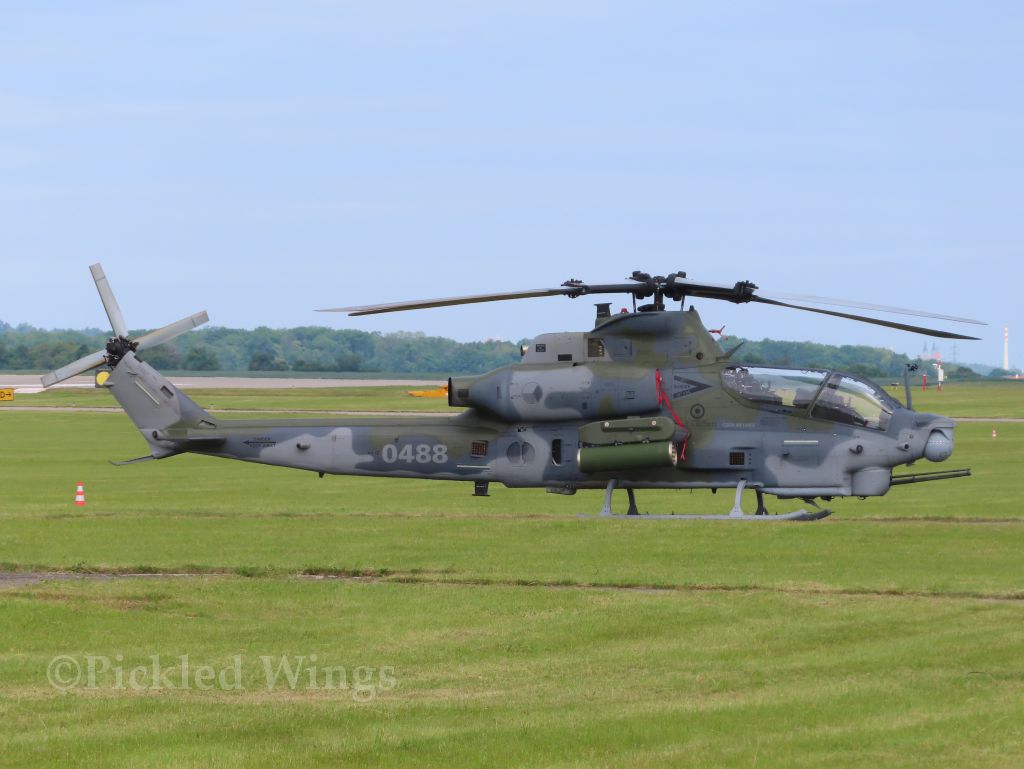
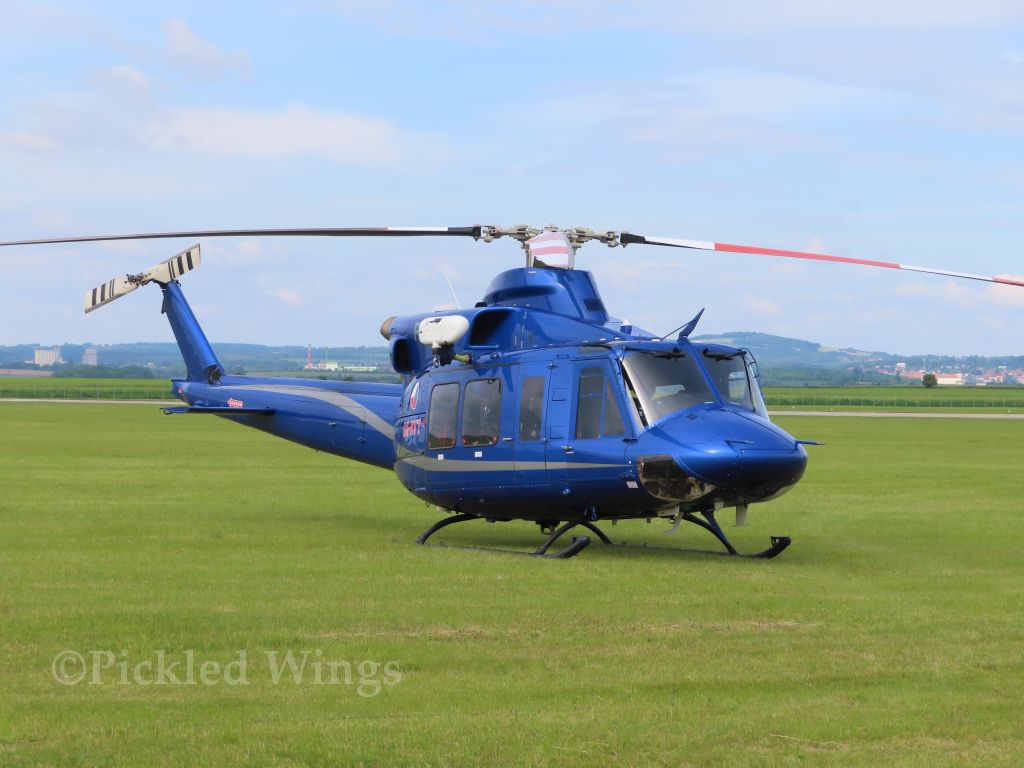
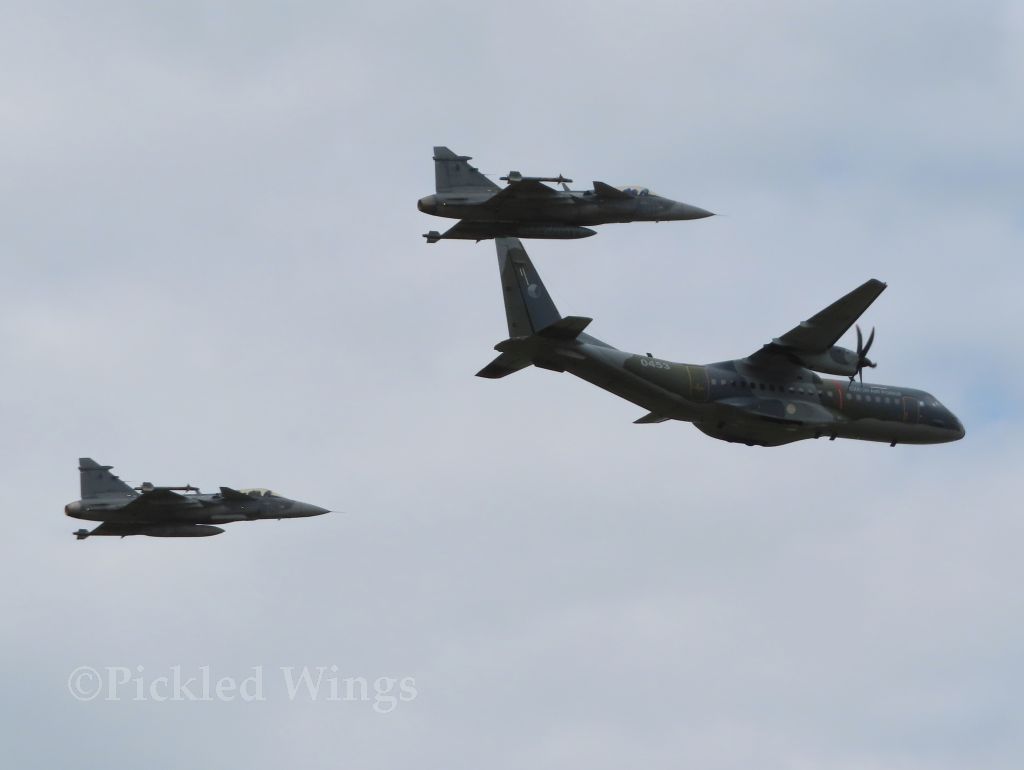
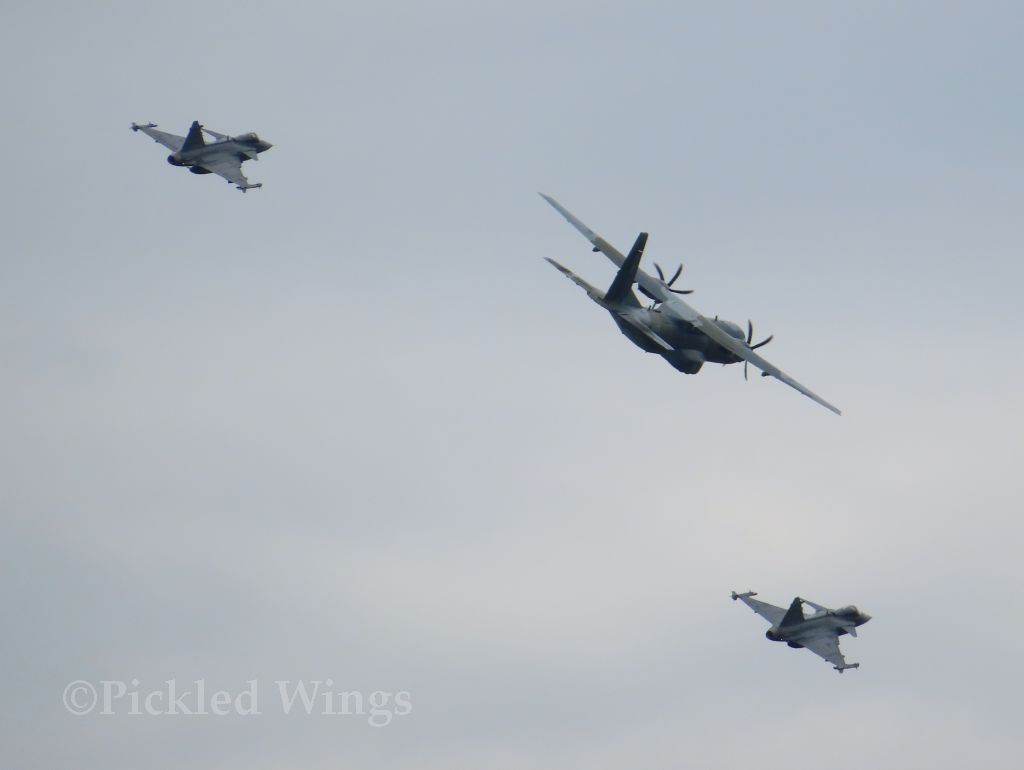
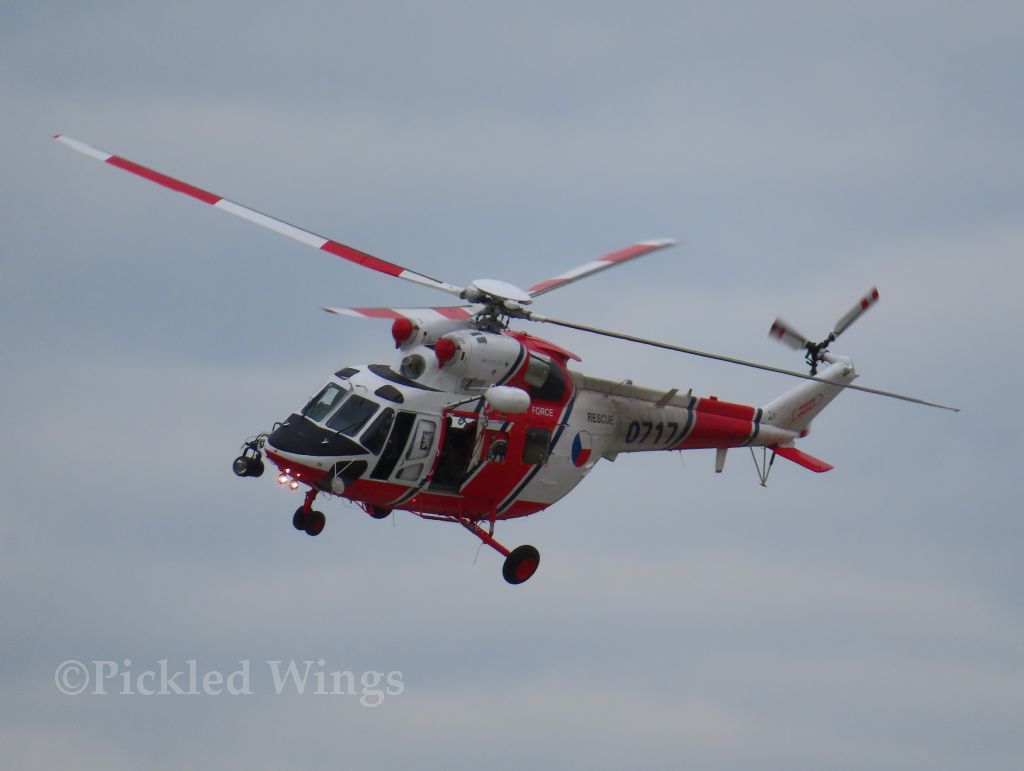
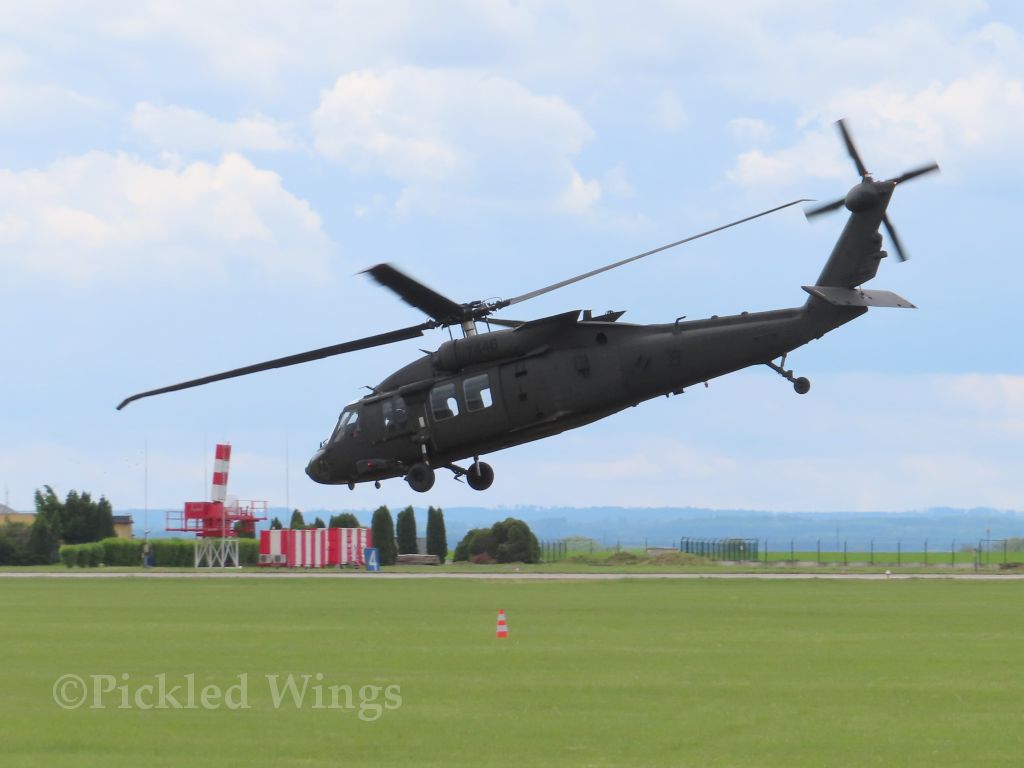
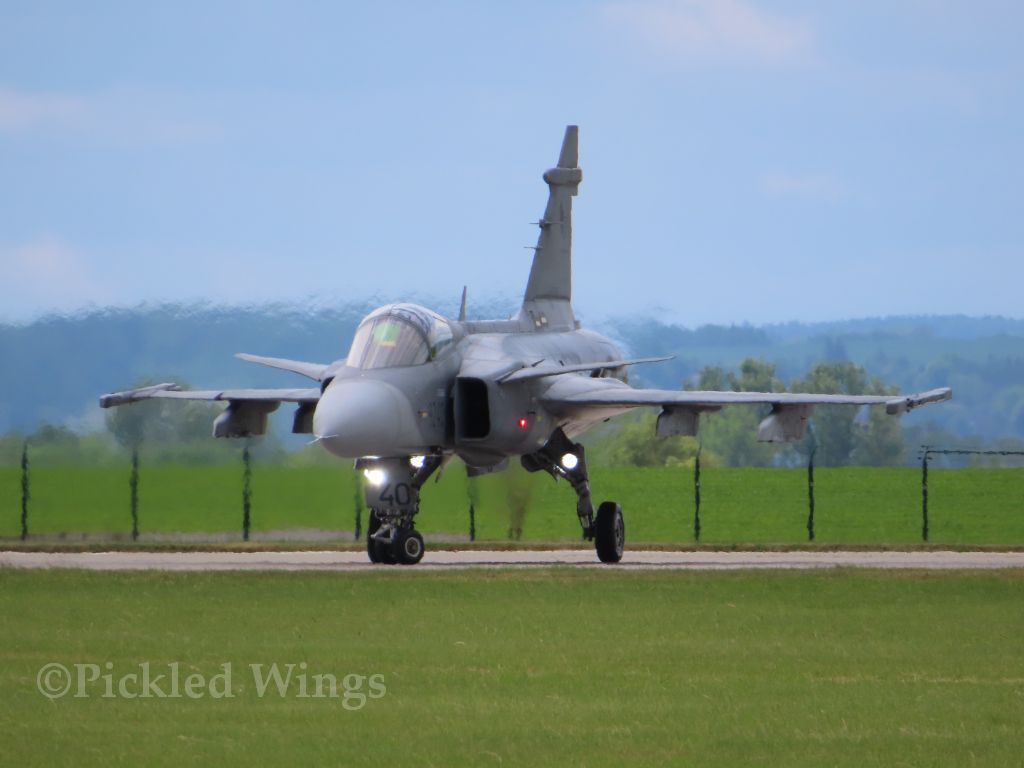
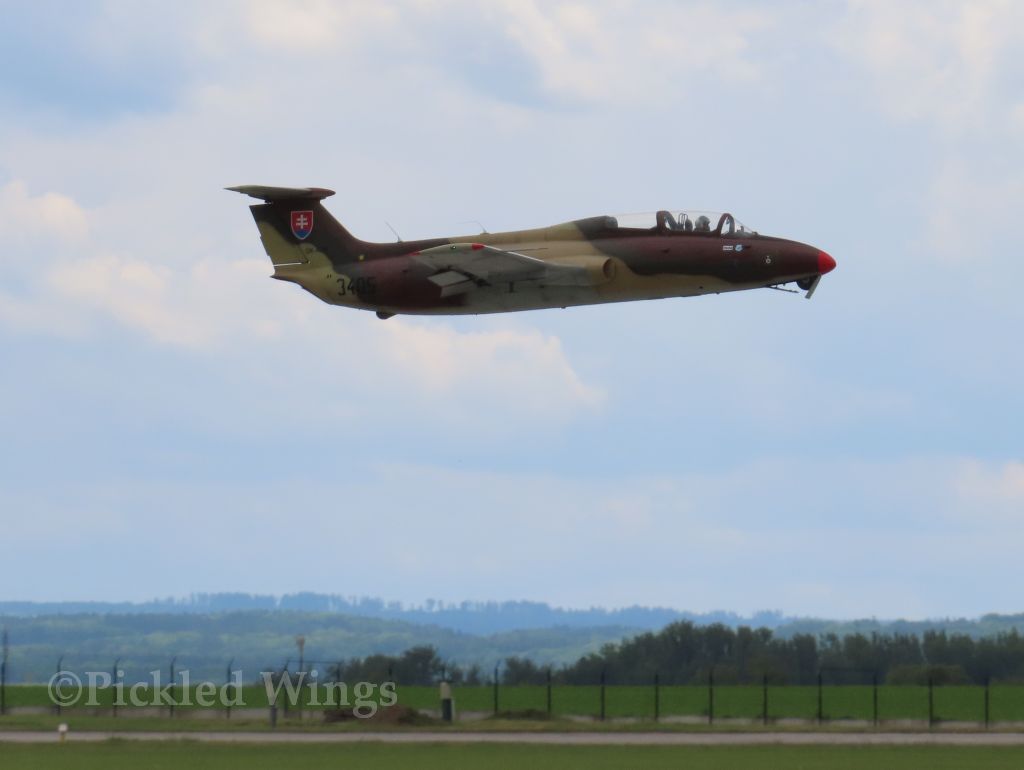
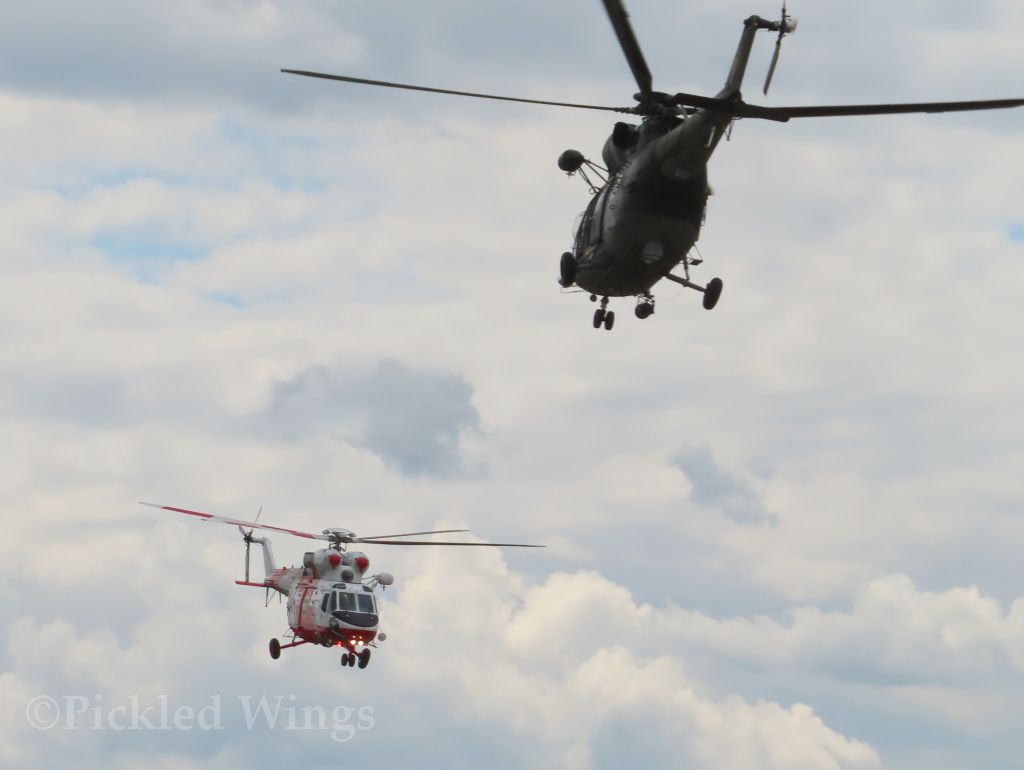
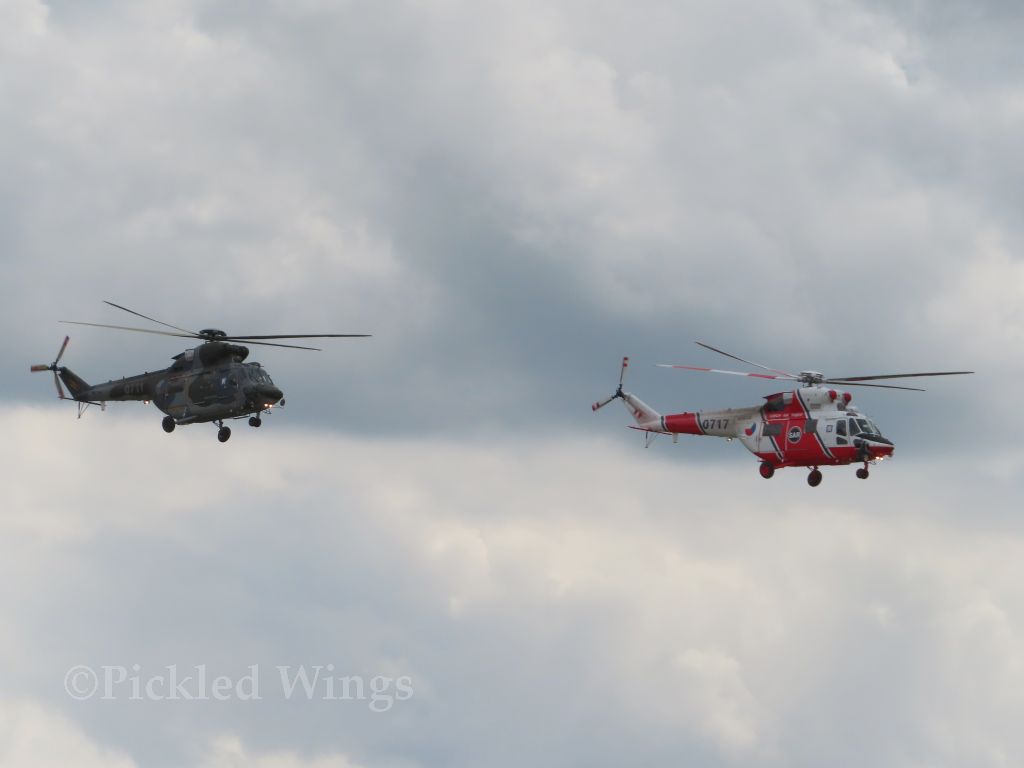
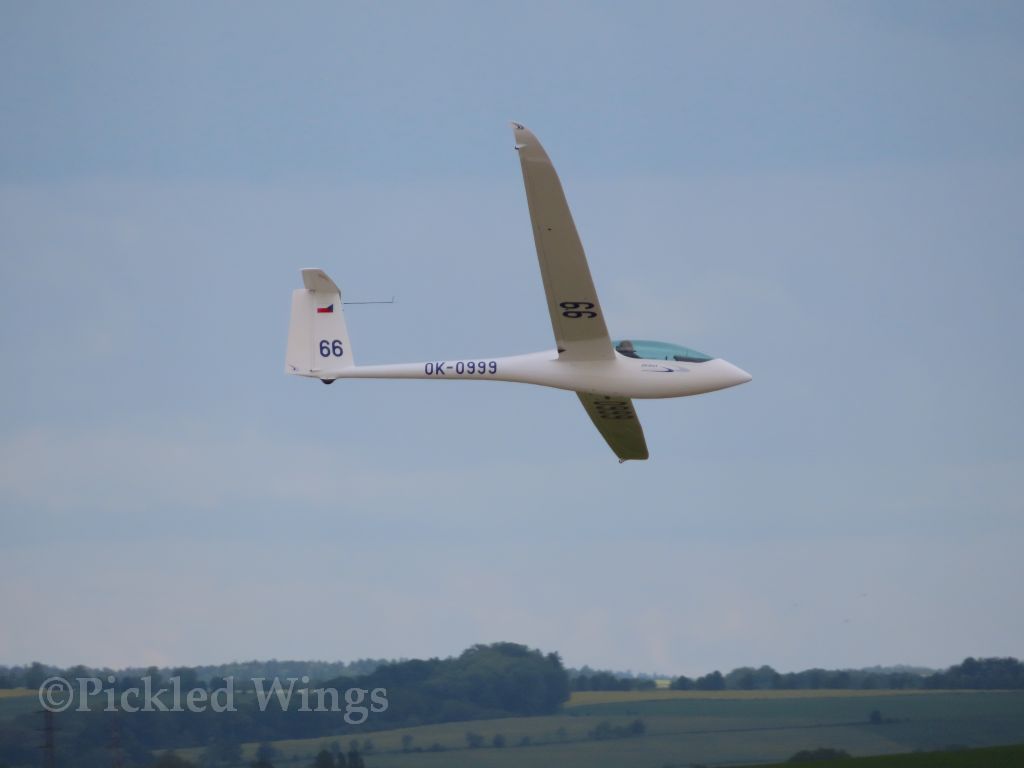
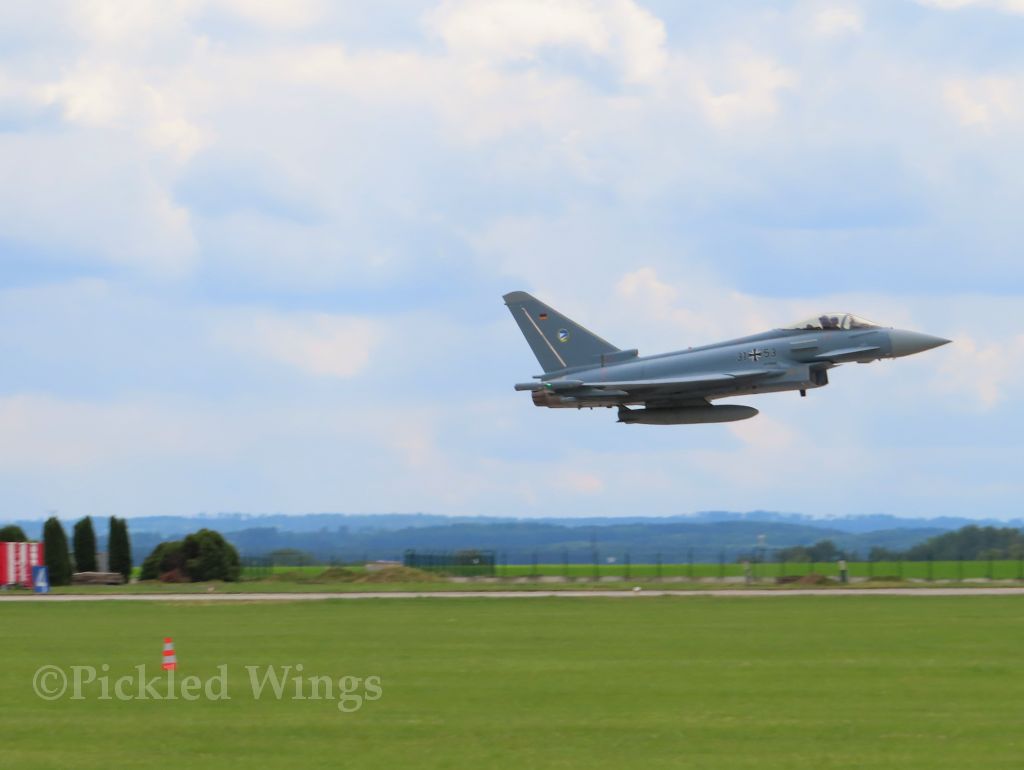
On May 17 of 2025, the Czech air force base at Čáslav hosted its Day of Open Doors event.
The mostly overcast and windy weather, along with higly variable lighting conditions, made photography a challenge to say the least.
In spite of the challenges, it was a good show and I’m happy I went to it.
Here’s a few images from the day:















 Pickled Wings