
A Torch to Pass
Through the 1960s and early 1970s, international aerobatics competitions were largely dominated by successive members of the Zlín Trenér family of aircraft from Czechoslovakia. To this day, aircraft of this line remain popular for general aerobatics, training, glider towing, and general aviation duties.
At the government’s request, Zlín began designing an entirely new aerobatic machine in the early 1970s to carry forward the winning tradition of the Trenér line. The new aircraft, which first flew in 1975, was designated the Z-50 and would spend the next decade successfully defending the company’s reputation in world-class aerobatic competition.
The Z-50 made its competition debut at the 1976 World Aerobatic Championships, where Czechoslovak pilots achieved a very respectable third place in solo competition and second in the team category. At the 1978 championships, Czechoslovak-piloted Z-50s placed first and third in the solo category, with a German-piloted Z-50 finishing fourth, and Czechoslovakia securing the team competition win.
The 1980 and 1982 World Aerobatic Championships were less successful for Z-50 pilots; however, they returned to winning form in 1984 and 1986.
As with the Trenér series before it, the Z-50’s primary competition in aerobatics came from Yakovlev-built aircraft.
Technologically, the Z-50 represented a significant shift in aerobatic aircraft design. Computers were used to refine and optimize the design, ensuring the aircraft met stringent international competition standards. These included, among other criteria, a usable lifespan of 1,000 flight hours of demanding aerobatics.
The Zlín Z-50 story is one of passion, determination, and pride. A skilled team took the aircraft from concept to first flight in just two years. The result was not only a winning machine but also the world’s first serially produced aerobatic aircraft.

Hurdles to Clear
Despite the short development period, the Z-50’s designers faced several technical challenges in creating a world-class competition aircraft.
One major hurdle was powerplant selection. Unlike the Trenér, which featured a domestically designed and built engine, no suitable engine was available from local sources for the Z-50. Ultimately, a six-cylinder engine from the American manufacturer Lycoming was chosen, and an “L” was added to the aircraft’s designation to reflect this.
The design team also needed to strike a balance between airframe strength and weight reduction. The Z-50 was primarily constructed of metal for durability but was designed to be dismantled into a few large components to save weight. The wing was built as a full-span unit to which the fuselage could be attached with bolts. This design provided a continuous wing spar for increased strength, reduced materials usage, and faster assembly and disassembly times.
Weight savings continued with the main landing gear legs, made from a single, continuous strip of titanium. Like the wing, this choice minimized materials and assembly time.
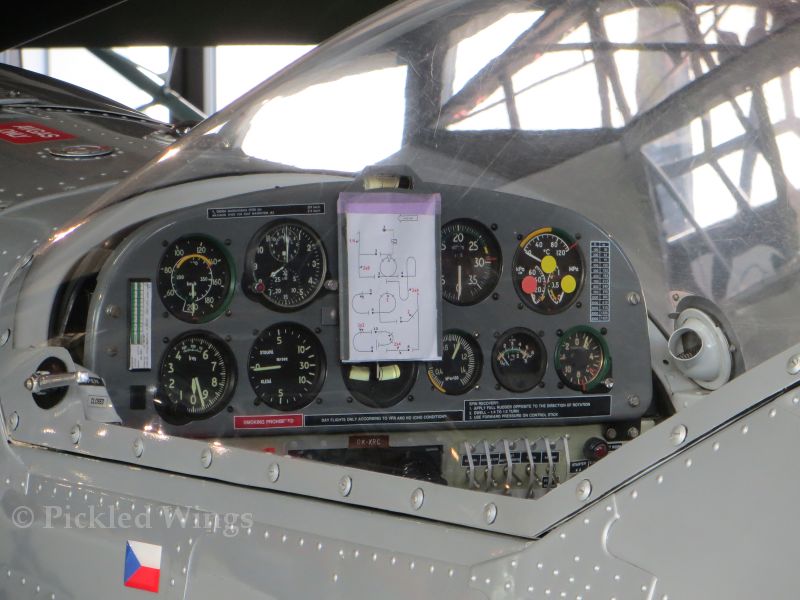
Additional design features included the omission of landing flaps in favour of two-part ailerons on each wing, spanning the entire wingspan. This gave the aircraft an impressive roll rate. The one-piece cockpit canopy provided excellent all-round visibility for the pilot.
Dynasties in Parallel
From the inaugural World Aerobatic Championship in 1960 through to the mid-1980s, aircraft from Zlín and Yakovlev dominated the scene. The Trenér series competed against various Yak-18 iterations, while the Z-50 faced off against the Yak-50. For over two decades, victories typically went to aircraft from one of these two companies.
While the Trenér and Yak-18 shared roots as training aircraft modified for aerobatics, the Z-50 and Yak-50 differed markedly. The Yak-50 was a development of the Yak-18, whereas the Z-50 was a clean-sheet design, unrelated to its predecessors. As a result, the Z-50 was a more modern and refined machine, benefiting from contemporary design trends and technologies that the Yak-50 lacked. Following a series of accidents, the Yak-50 required wing spar reinforcement to remain competitive and airworthy.
Fittingly, Zlín and Yakovlev faded from top-tier international aerobatics competition together. The emergence of the Russian Sukhoi Su-26 and the French Mudry CAP 230 in the mid to late 1980s marked the decline of the Z-50, Yak-50, and their respective manufacturers in the sport’s highest echelons.
The “Fifty” Family
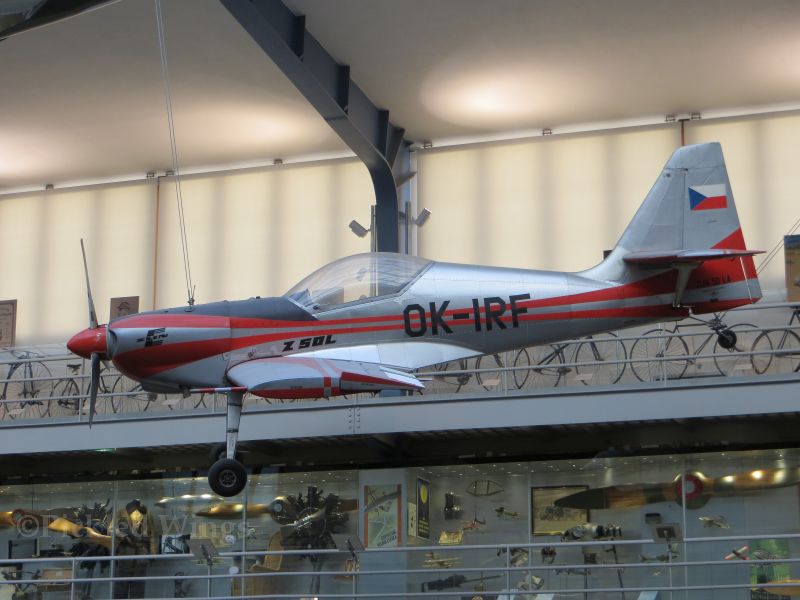
As a serially produced aircraft, the Z-50 developed a notable pedigree. Referred to as the “Fifty” by many pilots, it was built in five major variants over nearly 20 years, with production ending in the mid-1990s:
- Z-50L: The initial production model, equipped with a 260-horsepower Lycoming engine. Twenty-five were built, with several later converted to LA and LS configurations.
- Z-50LA: An upgraded version introduced in 1980; most were conversions from the L variant.
- Z-50LS: Featuring a more powerful 300-horsepower engine, this version was introduced in 1982. Over 30 units were produced, including several conversions.
- Z-50M: Only five were built, powered by a Czech-made 180-horsepower engine. This model was intended to replace the aging Z-526 Trenér variant.
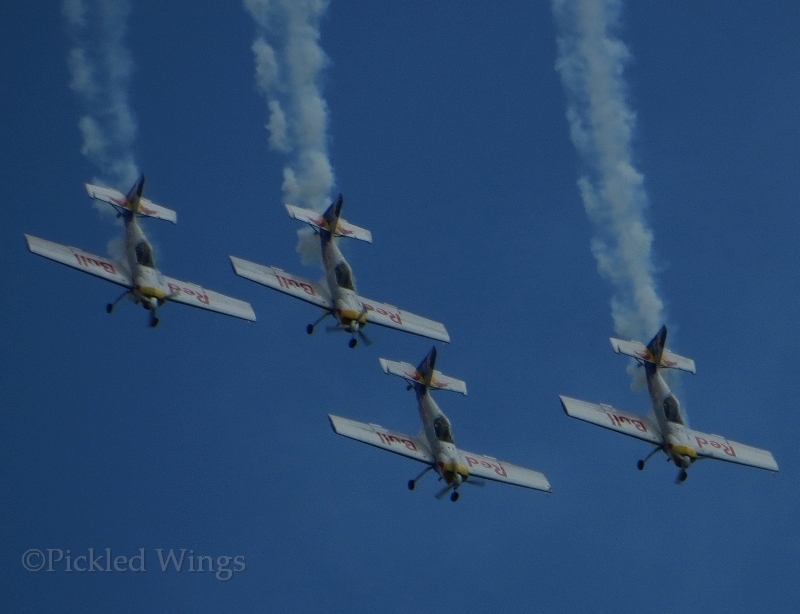
- Z-50LX: The final variant, debuting in 1991, was optimized for airshow performance and equipped with additional internal fuel tanks and a smoke generation system.
The Show Goes On
Although its days in elite competition are over, the Z-50 remains an active and appreciated aircraft. Several are still registered and flying around the world and can be found listed for sale.
Valued for its superb aerobatic capabilities, the Z-50 continues to participate in lower-tier competitions, general aerobatics, and airshow performances.
With its enduring performance and presence, the Z-50 is far from being permanently grounded.
For further insight into flying the Z-50, the following articles from 2019 and 2020 provide an excellent overview.
 Pickled Wings