Harnessing the Storm
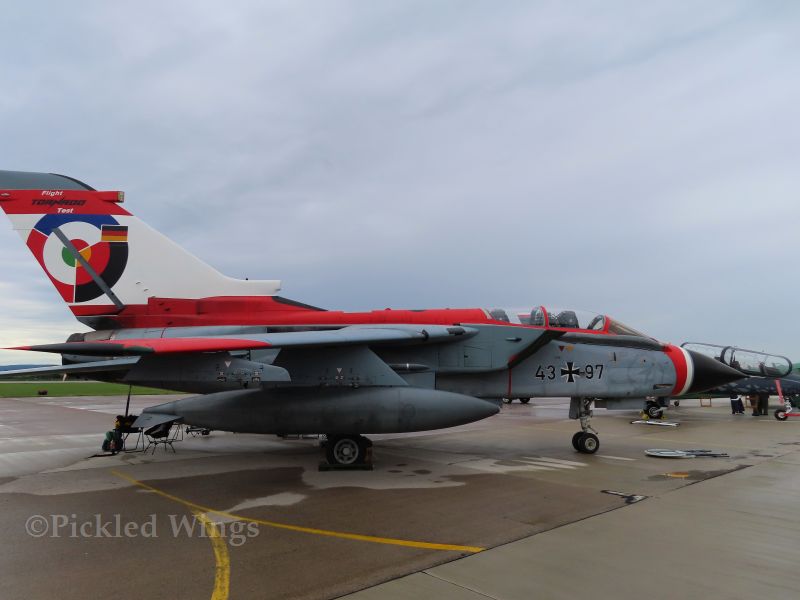
The Panavia Tornado needs little introduction, for nearly half a century it has filled a critical niche in NATO’s strike and reconnaissance capabilities in Europe through the Cold War and beyond.
There is much more to the Tornado than its military roles. From standpoints of aeronautical, industrial and political success, it stands as a symbol of European cooperation and engineering achievement.
It was the first aircraft of its class and complexity to be developed by a multinational consortium. Early challenges included meeting the different
needs of participating nations and establishing a division of labour that reflected each member’s level of participation. This balancing act proved essential to the project’s eventual success.
Politically and industrially, the Tornado made a powerful statement: the United States did not hold a monopoly on advanced strike aircraft among western nations. European manufacturers could produce competitive, modern designs. Though some American-made avionics were incorporated, their inclusion was limited and tightly controlled. Every effort was made to ensure the Tornado remained distinctly European.
Aeronautically, the Tornado featured a high degree of modular construction and introduced an unprecedented degree of automation and computerisation across various systems. This modularity streamlined ground servicing and upgrades, while the aircraft’s automated systems significantly reduced aircrew workload and fatigue.
Despite early obstacles, the Tornado was successfully brought into service and earned global respect.
This entry will focus specifically on the IDS (Interdictor/Strike) versions of the Tornado, as I’ve covered the ADV (Air Defence Variant) in a separate article.
Bringing Things Together
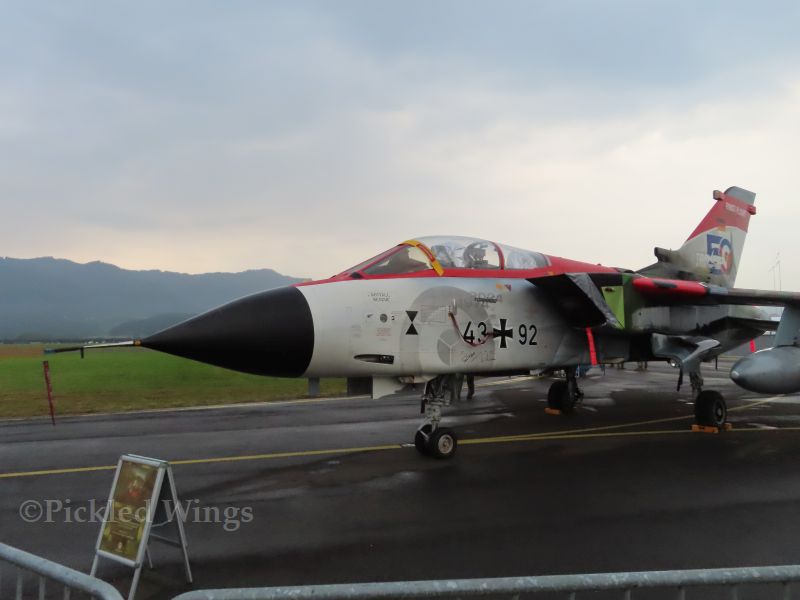
The Tornado story begins in August 1967, when five nations—Belgium, Canada, Italy, the Netherlands, and West Germany—formed a working group to develop a multi-role aircraft to replace their American-built Lockheed F-104 Starfighters. The initiative was known as MRA75 (Multi-Role Aircraft for 1975).
The United Kingdom joined in 1968, primarilly to find partners for its UKVG (United Kingdom Variable Geometry) strike fighter project, which evolved from the failed AFVG (Anglo-French Variable Geometry) fighter project developed between 1965 and 1967. The UKVG design formed the basis for MRA75 and was where the Tornado inherited its variable geometry wings from.
Another motivation for UK involvement was the fallout from the 1957 Defence White Paper, which had thrown British defense industries, particularly aviation, into upheaval. The paper led to forced mergers the cancellation of a number of critical defense programs. Most notable among these cancellations, was the ambitious but costly British Aircraft Corporation (BAC) TSR.2 in 1965. A proposed replacement, the F-111K—a British specific version of the General Dynamics F-111 from the USA—was itself cancelled before a single aircraft was produced.
These cancellations made it clear that the UK could no longer afford to develop a strike aircraft independently. If the Royal Air Force was to have their new aircraft, British industry would need to look abroad for collaboration.
In March 1969, the multinational consortium Panavia Aircraft GmbH was officially formed, headquartered northwest of Munich. In the same period of time, MRA75 was renamed MRCA (Multi-Role Combat Aircraft). The aircraft’s general configuration as a two-seat machine had also been agreed upon, after both single and two seat variations were considered.
Panavia consisted of MBB (later part of Airbus) from Germany, BAC (later BAE Systems) from the UK, and Aeritalia (later Alenia Aeronautica) from Italy. Workshare was divided as follows: BAC and MBB each took 42.5%, with Aeritalia receiving 15%. BAC handled the forward fuselage and tail; MBB produced the center fuselage; Aeritalia manufactured the wings.
Another multinational consortium, Turbo Union, was formed in mid-1969 to develop the RB.199 engine to power the MRCA. This group included MTU Aero Engines (Germany), Rolls-Royce (UK), and Fiat Aviazione (Italy). MTU and Rolls-Royce each held 40% of the workshare, with Fiat responsible for t he remaining 20%. Turbo Union’s headquarters were established at Rolls-Royce’s Filton facility in southwest England before relocating to Derby in central England.
Belgium, Canada, and the Netherlands withdrew early in the process. From 1969 onward, the core Panavia partners were Germany, Italy, and the UK.
Into the Air
By 1970, the MRCA’s structure and partners were largely established, but significant work remained.
The RB.199 was run for the first time on a stationary test bed in September 1971. A radar system from Texas Instruments was selected in October.
Construction of the first MRCA prototype began in November 1972. The engine’s first airborne test occurred in April 1973 using an Avro Vulcan as a flying testbed.
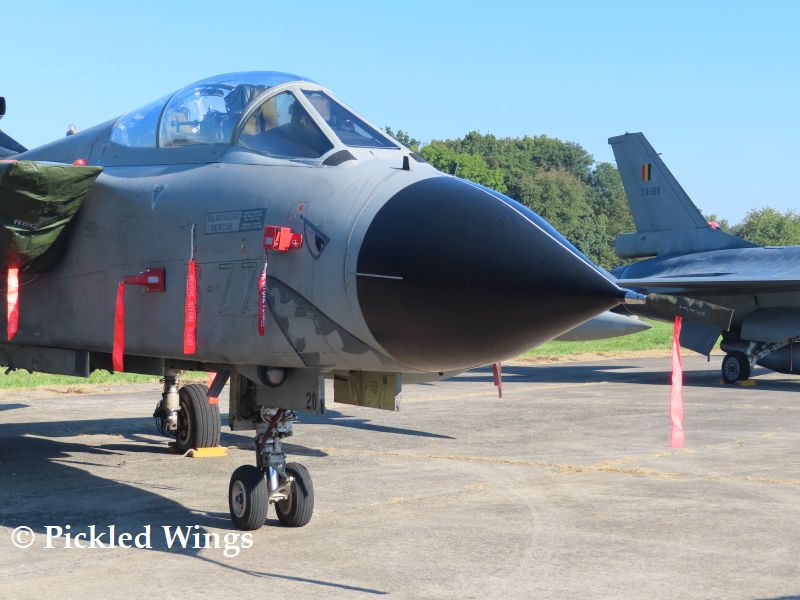
The first prototype was rolled out at Manching, West Germany, in April 1974 and achieved its first flight in August of that year.
Also in 1974, the aircraft was officially named “Tornado”. While there had been some debate over what name the aircraft would be given, Tornado translated identically in all three partner languages and continued the RAF tradition of naming their fighter aircraft after extreme weather conditions.
Extensive flight testing filled out the rest of the 1970s for Panavia and the Tornado. While the flight testing phase was not without incident, the third and fifth prototypes were lost in landing accidents while the eighth prototype and its crew were lost when the aircraft crashed into the Irish Sea in 1979, it was an overall success.
Into Uniform
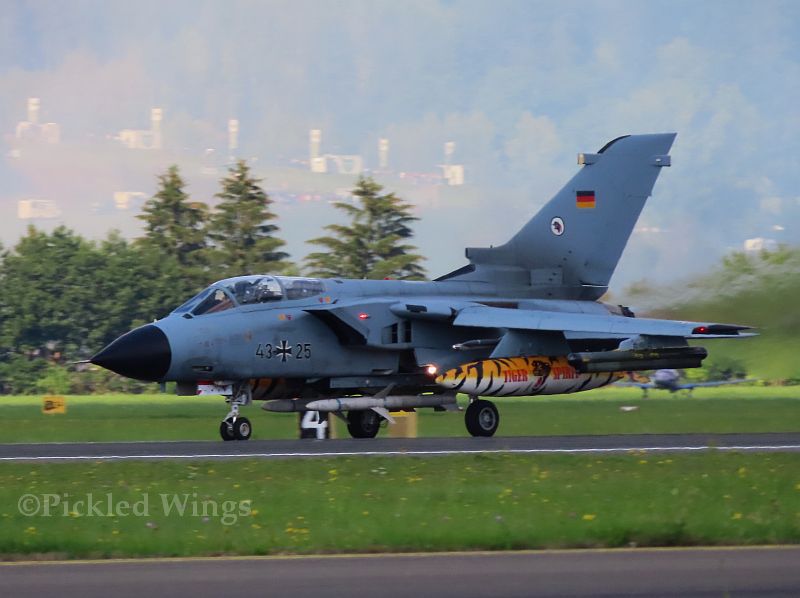
The first Tornado flying unit was the Tri-national Tornado Training Establishment (TTTE), which was formed in 1980-81 at the Royal Air Force station at Cottesmore. The unit provided multinational aircrew training until its disbandment in 1999.
As national specifications diverged, it became more practical for each country to conduct its own training tailored to their respective Tornado fleets. In 1981, advanced weapons training units were opened in the UK and West Germany.
The first RAF Tornado squadron, a former Avro Vulcan bomber unit, formed in 1982. That same year, the German navy stood up its first Tornado squadron, replacing the F-104 Starfighter.
The Luftwaffe and Italian air force established their first Tornado squadrons in 1984, the Royal Saudi Air Force did the same in 1986.
Between 1995 and 2005, the German navy’s fast-jet capabilities were transferred to the Luftwaffe, consolidating German Tornado operations in air force hands.
The Tornado in Action
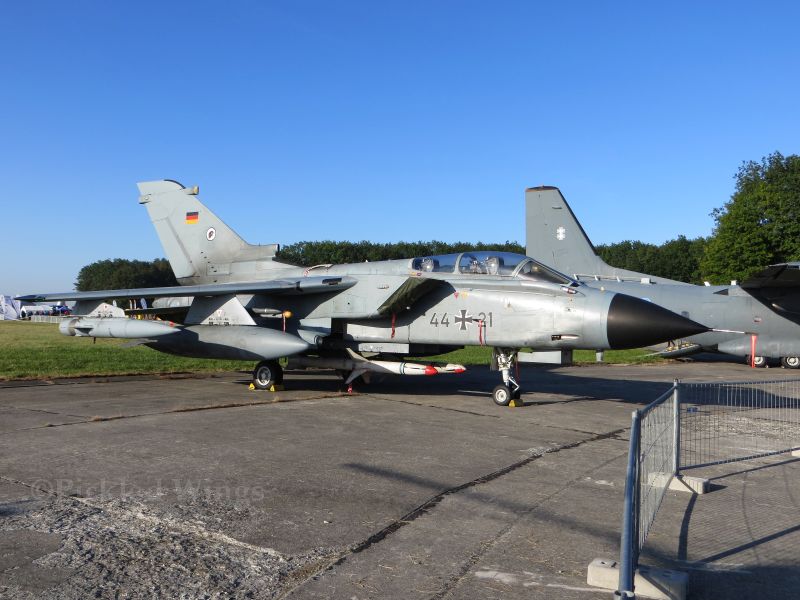
The Tornado has proven its value to NATO and its allies many times over since it entered service in the early 1980s.
From the mid-1980s to the late 1990s, the Royal Air Force maintained eight combat-ready Tornado squadrons at bases in Germany.
As with most fast jets of its generation, the Tornado saw its first combat during the 1990-91 Gulf War. Tornados from the UK, Italy, and Saudi Arabia were deployed in that conflict.
RAF Tornados stayed in the region as part of Operation Provide Comfort (1991-1996) to protect Kurdish populations in northern Iraq and ensure humanitarian aid to them. RAF Tornados also participated in Operation Southern Watch (1992-2003) to enforce the no-fly zone established after the war that extended from the 32nd parallel southward.
In December of 1998, RAF Tornados were used in the controversial Operation Desert Fox, a four day bombing campaign against targets in Iraq.
Luftwaffe Tornados provided reconnaissance during the Bosnian War (1992-1995), marking Germany’s first combat deployment since the Second World War.
Tornados from Germany, Italy and the UK all particpated in the Kosovo War (1998-1999). The aircraft performed bombing and reconnaissance as well as the suppression of ground based anti-aircraft sites.
RAF Tornados were used extensively during Operation Telic, The UK’s contribution to the 2003 invasion of Iraq and subsequent occupation of the country until 2011.
British, German and Italian Tornados all took part in the NATO mission in Afghanistan (2001-2014).
British and Italian Tornados took part in the 2011 military intervention in Lybia which resulted in the overthrow of the Gaddafi regime.
Since 2015, Saudi Tornados have been active in Yemen as part of a coalition campaign against Houthi rebels.
The Tornado Strike Family
The strike version of the Tornado is represented by seven variants.
Tornado IDS:
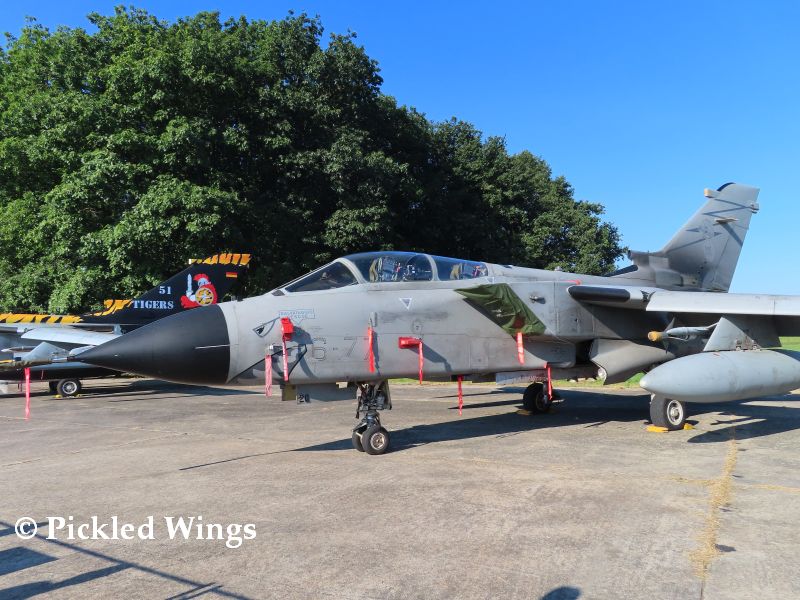
The baseline IDS (Interdictor/Strike) version is used by Germany and Italy for strike and reconnaissance.
Tornado Gr.1 and Gr.1A:
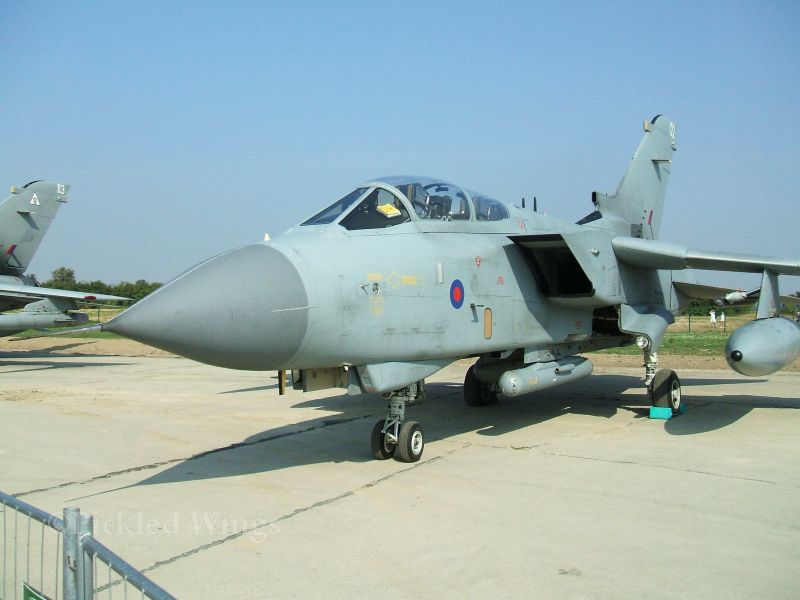
The Gr.1 was the British version of the IDS. Equiped with UK specific avionics and systems, it had a laser targeting pod to the right of the nose landing gear as well as differences in antenna fit and countermeasure systems for self defense.
The Gr.1A was the RAF’s reconnaissance optimised version of the aircraft. It replaced the twin 27mm nose cannons with infrared reconnaissance gear.
Saudi Arabia procured both Gr.1 and Gr.1A variants.
Tornado Gr.1B:
This was a maritime strike version intended to replace the RAF’s aging fleet of Blackburn Buccaneer aircraft. Only 26 Gr.1s were converted to the Gr.1B standard.
Poor integration with the Sea Eagle anti-ship missile and inadequate range to cover the UK’s large maritime patrol and strike zone cut the Gr.1B’s service life short.
Tornado Gr.4 and Gr.4A
These variants of the Tornado were the result of a mid-life upgrade program for the Gr.1 and Gr.1A. They were introduced to the RAF fleet between 1996 and 2003. Nearly 150 RAF Tornados were upgraded to the Gr.4 or Gr.4A standard.
The Gr.4 featured improved avionics and an infrared targeting pod to the left of the nose landing gear. The left side nose cannon was removed to make room for the pod’s systems.
Gr.4A variants used external reconnaissance pods rather than built-in systems and operated at medium altitude, unlike the low-level Gr.1A.
Tornado ECR:
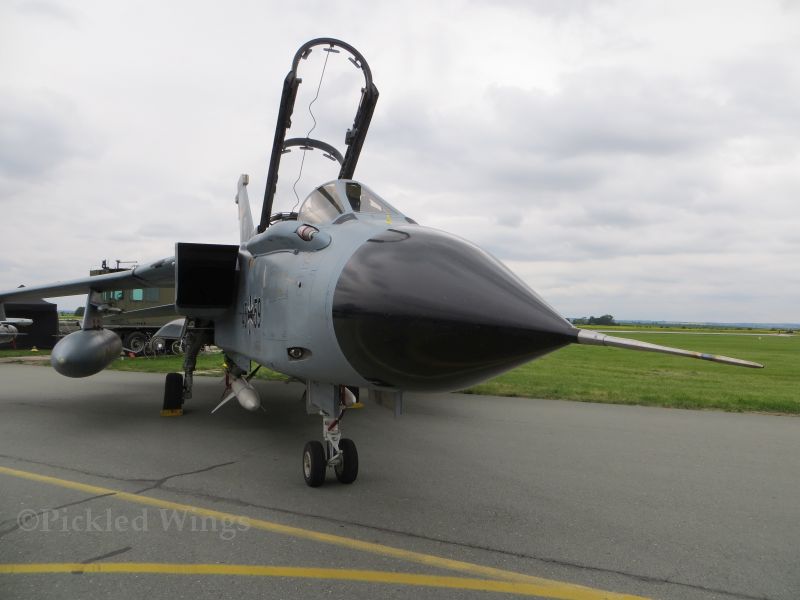
This version of the Tornado debuted in 1990 and is used by Germany and Italy for electronic combat and reconnaissance.
The ECR specialises in the SEAD (Suppression of Enemy Air Defenses) mission, which requires specially equipped aircraft to fly into an area ahead of the main strike group to detect and destroy tracking radars of hostile ground based anti-aircraft systems. To accommodate the required gear for the SEAD mission, both nose cannons had to be removed when creating the ECR.
There are a few differences between the German and Italian ECR Tornados. German aircraft have built-in and pod-based reconnaissance systems while Italian ones use only pod-based systems.
The German ECR fleet was built factory fresh while the Italian ECRs were converted from existing IDS stocks. Additionally, the German ECRs have slightly more powerful engines than the Italian ones.
The Tornado Today
After more than four decades of distinguished service, the curtain is slowly falling on the Tornado
The last of the Royal Air Force’s Tornado fleet was retired in March 2019. Saudi Arabia is expected to phase theirs out sometime in the 2020s.
Germany and Italy have announced plans to retire their Tornado fleets between 2025 to 2030.
If you’re in the right place at the right time, there is still a chance to see a Tornado in “living” form.
Happily, a good number of Tornados have found their way into museums across Europe and Saudi Arabia. At least two Tornados are on display at museums in America.
Learning More
A good first stop for Tornado information on the internet is the Panavia website.
Recommended reading:
- Tornado Over the Tigris by Michael Napier — This is a memoir of Mr. Napier’s 13 years as a fast jet pilot in the RAF.
- An Officer, Not a Gentleman by Mandy Hickson — The story of the RAF’s second female fast jet pilot, including her Tornado Gr.4 experience.
- Tornado Boys compiled by Ian Hall — A collection of personal stories from RAF personnel.associated with the Tornado.
- Panavia Tornado by Bill Gunston — Long out of print, but a valuable resource on the pre-service development of the Tornado.
 Pickled Wings