Air Force, Army and Archaeology
At the northern extreme of Vyškov, a small military city near Brno, you’ll find the Museum of Air and Land Technology (Muzeum Letecké a Pozemní Techniky).
The museum is jointly operated by the Vyškov Aviation Historical Society Foundation (Nadace LHS Vyškov) and the Army of the Czech Republic.
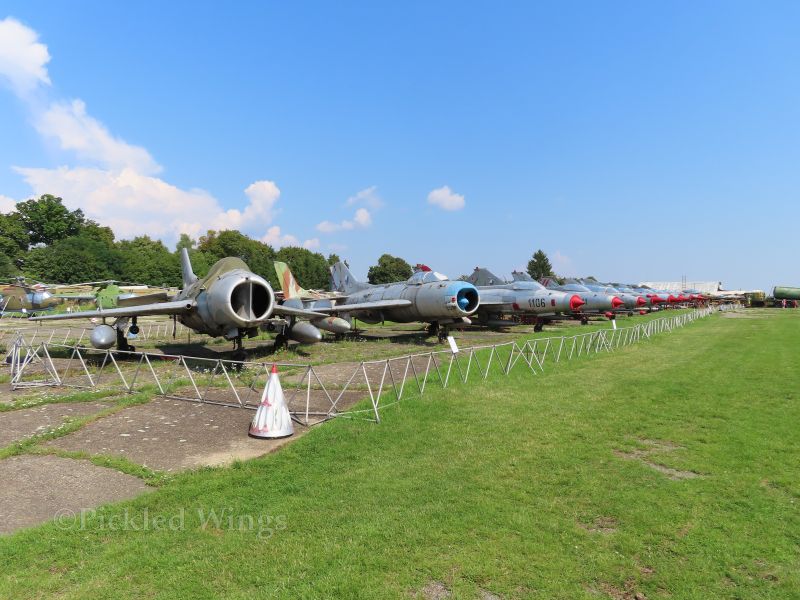
The museum presents a good sized collection of post-war aircraft and land vehicles that have served in the Czech, and former Czechoslovak air force and army. The primary exhibit area is outdoors and is well organised and logically laid out.
The museum also features collections of aircraft engines and aviation archaeology.
In scope and number of exhibits, it’s one of the largest museums of its sort in the Czech Republic.

Things With Wings
The largest section of the museum’s collection is given to aircraft; nearly 40 different aircraft types.
The museum has line of MiG jet fighters that allows you to take in the differences between members of the MiG-19, MiG-21 and MiG-23 aircraft families. They also have a line of different members of the Sukhoi Su-7 attack aircraft family.
Aside of the fighter and attack jets, the museum also has displays of training jets, transport aircraft and helicopters in their outdoor aircraft collection
A majority of the aircraft in the collection have sheet metal or adhesive foil coverings over their cockpit areas, this is to protect the cockpits and their canopies from the damaging effects of the elements as much as possible.

On Wheels and Treads
Sharing the outdoor section of the museum with the aircraft is a selection of around 40 ground vehicles.
The land technology collection includes airport support trucks, anti-aircraft artillery, field artillery and armored combat vehicles.
Vehicles in the collection represent early post war machines of German design to the Soviet designed equipment of the Socialist era.
There is also good representation of domestically produced gear from the likes of Praga, Škoda and Tatra among others. One example of this in the museum collection is an M53/59 Ještěrka (Lizard) anti-aircraft vehicle which was produced between 1959 and 1962.
The Power to Fly
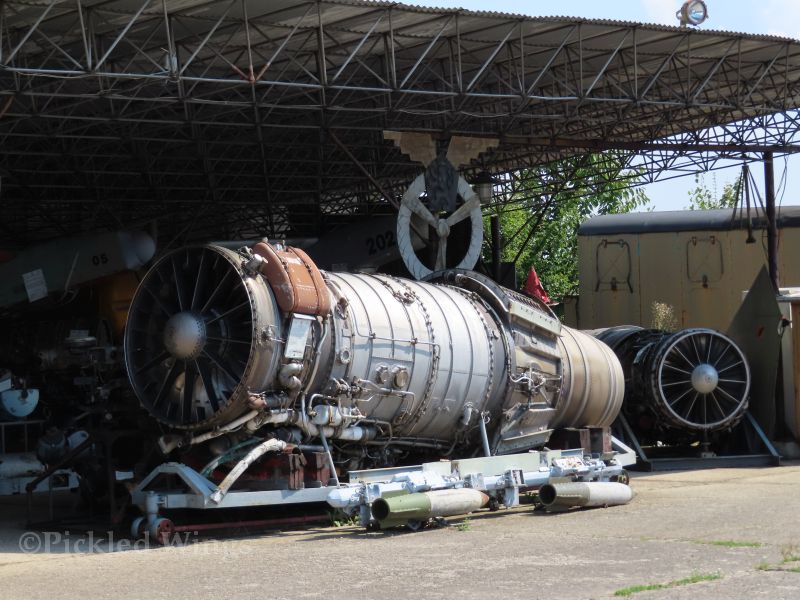
In a semi-sheltered section of the museum, you can take in the details of around 15 different types of aircraft engine, both piston and jet types, which powered the various fighters, transports and helicopters of the Czech military over the years.
The centrepiece of the engine collection is the large Kuznetsov NK-8 turbofan, four of which powered the Ilyushin Il-62 transport used by both the Czechoslovak military and Czechoslovak Airlines.
Surrounding the NK-8, you can find the powerful Tumansky and Lyulka jet engines which were at the heart of the MiG and Sukhoi fighters which defended the land in years past.
You can also take in the details of the powerful Shvetsov radial piston engines which drove the Avia Av-14 transport aircraft and the Mil-Mi-4 helicopters that you can see among the museum’s aircraft collection.

Aviation Archaeology
Of course, being situated in the heart of Europe, the Czech lands had a good amount of the Second World War happen on and above them. As such, there have been many WWII aircraft crash sites excavated in the country with doubtless many more still to be found.
The indoor section of the museum hosts an exhibit of aviation archaeology which features many remnants of both Allied and German aircraft which crashed or were shot down over the area during the conflict; it’s both fascinating and moving.
Much of what is on display was recovered by teams from Nadace LHS Vyškov or its ancestral organizations. Nadace LHS Vyškov does a great deal of work in researching, mapping and excavating Second World War aircraft crash sites in the Czech Republic.

Visiting the Museum
Vyškov is the main city in its region and is well connected by bus and rail to other points in the Moravian regions of the Czech Republic. As such, the city itself is not difficult to access without a car.
Accessing this museum without a car is a bit of a trick, but not impossible.
Vyškov does have a limited public transport service and there is a stop near the museum, called Letiště. The stop is served by a couple of bus routes, but the buses to not run frequently.
Several other bus routes can get you to the Sochorova bus stop, which is an approximate 10 minute walk from the museum. The walk begins on paved walkways, but becomes a bit of a trek when the pavement ends.
The main road past the Museum gates, Sochorova Street, is not really set up for pedestrians or cyclists, so one must be particularly watchful for traffic if they are traveling to the museum by either of those means.
The museum website is in Czech, but does have a translation function to make it workable in English and a selection of other languages. It will provide you with current operating hours and admission prices among other things.
Note: The information and photographs presented in this article are from an August, 2023 visit to the museum. Please visit the museum’s website or social media pages for the most up to date information if you are planning a visit.
 Pickled Wings